

Introduction
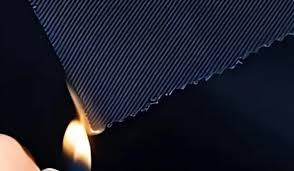
Understanding FR fabric testing standards is essential for ensuring safety, compliance, and long-term performance in flame resistant textiles. For brands, manufacturers, and industrial buyers, selecting the right standards is not just a technical requirement—it is a critical business decision.
At Newasia Garment Co., Ltd., we provide high-performance FR fabrics that meet international testing standards while maintaining consistent quality across large-scale production. We are also a trusted partner of global brands such as American Eagle Outfitters, Uniqlo, Zara, Gap, Levi’s, and Lee, demonstrating our reliability and manufacturing excellence.
What Are FR Fabric Testing Standards?
Flame resistant (FR) fabric testing standards are internationally recognized methods used to evaluate the fire resistance performance of textiles used in protective clothing and industrial uniforms.
These standards ensure that fabrics can resist ignition, limit flame spread, and provide sufficient protection against heat exposure in hazardous environments.
For buyers and brands, understanding these standards is essential to ensure product safety, compliance, and long-term reliability.
Why FR Fabric Testing Standards Matter
Choosing fabrics that meet recognized standards is not just about compliance—it directly impacts safety and business performance.
1. Worker Protection
Certified FR fabrics reduce burn injuries and improve survival rates in hazardous environments.
2. Legal & Regulatory Compliance
Many industries require compliance with specific standards to meet workplace safety regulations.
3. Product Reliability
Testing ensures consistent performance across batches and long-term use.
4. Brand Trust & Credibility
Using certified materials strengthens your company’s reputation and client confidence.
Why is testing flame retardancy so important?
Well, as you can imagine, if these fabrics don’t perform as expected when exposed to flames or heat, the results could be catastrophic, especially for protective gear and clothing. Hundreds of serious injuries and deaths occur each year due to burns from quickly spreading fires.
By thoroughly testing textiles, manufacturers can ensure a basic level of fire safety for their products to help prevent accidents. Certain industries even require flame resistance testing by law before fabrics can be used.
Now that we know why testing is critical, let’s look at some of the most common test methods and standards around the world.
Flame Retardant Testing Standards in Different Countries
When it comes to official standards for testing, there is quite a bit of variation around the globe based on each country’s specific laws and regulations. However, while the exact details may differ, the test methods fall under a few main categories.
The key aspects evaluated when testing flame retardancy are:
- Ignition – how easily does the fabric catch fire
- Combustion – how quickly do flames spread across the surface
- Heat release – how much heat is emitted when burned
- Damage – the extent of charring, holes, melting, dripping
Common FR Fabric Testing Methods Explained
Understanding how fabrics are tested helps buyers make informed decisions:
✔ Vertical Flame Test
Fabric is exposed to a flame for a set time. Key results include:
- After-flame time
- After-glow time
- Char length
✔ Arc Flash Test
Simulates an electrical arc to measure how much energy the fabric can withstand before causing burns.
✔ Heat Transfer Performance (HTP)
Evaluates how well the fabric insulates against heat exposure.
✔ Molten Metal Splash Test
Measures resistance to splashes of molten iron or aluminum.
Comparison of FR Testing Standards
| Standard | Region | Key Focus | Application |
|---|---|---|---|
| NFPA 2112 | USA | Industrial safety | Oil & gas |
| EN ISO 11612 | Europe | Heat + flame | Industrial uniforms |
| ASTM D6413 | Global | Flame spread | Fabric testing |
| ISO 15025 | Global | Surface ignition | Certification support |
👉 Understanding these differences helps buyers choose the right fabric for their market and compliance needs.
How Flame Resistant Fabrics Are Tested
FR fabric performance is verified through multiple laboratory tests:
- Vertical Flame Test – Measures flame spread and after-flame time
- Thermal Protective Performance (TPP) – Evaluates heat insulation capability
- Heat Transfer Test – Measures heat resistance under exposure
- Durability Testing – Ensures performance after repeated washing
👉 A critical point often overlooked:
Passing a laboratory test once does not guarantee consistent performance in bulk production.
How to Ensure FR Fabric Compliance in Bulk Production
For professional buyers, the real challenge is not testing—but consistency.
Key factors affecting compliance:
- Raw material consistency
- Dyeing and finishing process control
- Post-wash performance stability
- Batch-to-batch quality variation
Reliable suppliers implement strict quality control systems to ensure that every production batch meets the same FR standards—not just initial samples. undergoes strict quality control and testing procedures to ensure consistent compliance.
The Future of FR Fabric Testing
With advancements in textile technology, FR fabric testing is evolving to include:
- More realistic hazard simulations
- Improved comfort-performance balance testing
- Sustainable and eco-friendly FR treatments
- Smart textiles with integrated safety monitoring
Companies that stay ahead of these trends gain a competitive advantage in safety and innovation.
Reliable FR Fabric Manufacturer – Newasia Garment Co.,Ltd.
Newasia Garment Co.,Ltd. is a professional manufacturer specializing in high-performance uniform fabrics, including flame resistant textile solutions for global markets.
We focus on delivering fabrics that meet international FR testing standards while maintaining consistency in large-scale production.
Our strengths include:
- Advanced flame resistant fabric development
- Strict batch-level quality control systems
- Support for international compliance standards
- OEM & ODM manufacturing capabilities
- Stable supply chain for bulk orders
We ensure that our fabrics not only pass testing—but continue to perform reliably in real-world applications.
Our advantages:
- Advanced textile testing and quality control systems
- Stable large-scale production capacity
- Deep understanding of international FR standards
- Proven experience with global brands
Certified Professional Clothing Producer
We are very proud of these certificates! They represent Newasia Garment Co.,Ltd. ’s amazing achievements and accreditations. They show how much we care about quality, safety, and professionalism.
We’re proud to say that we have obtained BSCI and ISO 90001 certificates, and inspection certificates for filling materials such as down and cotton. We follow international standards throughout our production process and take responsibility for the quality of our products.
As one of China’s leading clothing manufacturers, we are pleased to be recognized by respected organizations. These certifications underscore our reliability as a trusted supplier to the global apparel industry.
Trusted Certificates:

Why Choose Us
 Independent base We have our own laboratory and can independently develop fabrics , China  Professional certification Certification: ISO 9001, ISO 14001,BSCI,GRS |  Full-equipped Full-equipped, from fiber manufacturing, yarn spinning, weaving, dyeing and processing to finished product production  Rich experience Professional, large and experienced design team, combined with the latest artificial intelligence technology |  Our Facilities 12,000 skilled employees, daily production capacity exceeds 100,000 pieces  Fashion exhibition Participated in domestic and foreign fashion weeks and exhibitions many times |
Trusted by Global Clients








How Do We Guarantee the Quality
Our quality assurance begins with designing and planning, then continues through every step of the production and post-production inspections. Delivery is not an ending. We still offer money-back guarantee for quality issues.
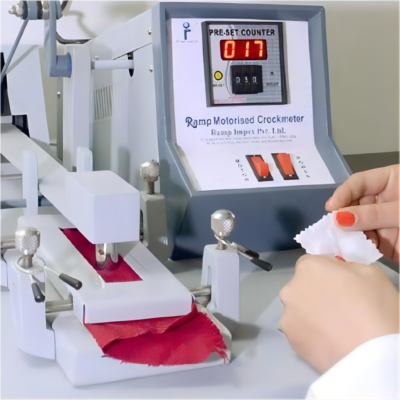
When sourcing fabrics, we will check all related fabric certificates from our suppliers.
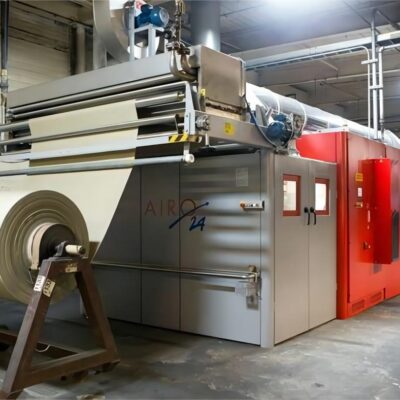
We make sure the fabric is well pre-washed to meet the standards before cutting.
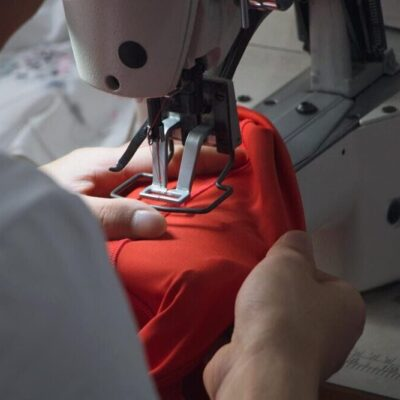
All our workers are well-trained and have many years of experience in the garment industry. They are all local workers with high stability.
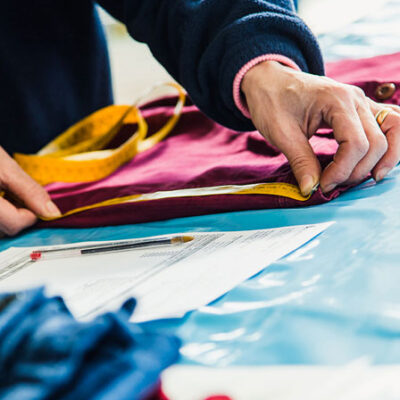
Our quality team will follow SOPs to conduct five times of quality checks before shipping.
Frequently Asked Questions
Q1: What is your Minimum Order Quantity (MOQ)?
We specialize in flexible production solutions to support emerging brands and growing businesses.
You can mix colors and sizes within the same style and fabric for greater flexibility.
For highly customised or technical garments (such as specialised denim washes or intricate embroidery), MOQ requirements may range from 200 to 300 units.
Our standard MOQ ranges from 100 to 300 units per design, depending on fabric availability and production complexity.
For best pricing efficiency, MOQ is typically based on 300 per style per colour.
Q2: What Services Do You Offer?
We provide full-cycle fashion support, including:
Sustainability Consulting: Eco-fabric sourcing, ethical production planning.
Sourcing: Local and global raw material, fabric R&D, and procurement (trims) with cost optimization.
Manufacturing: Custom manufacturing with quality control checkpoints.
Design & Development: Assistance with tech packs, trend research, and collection building.
Logistics: Shipping coordination to your warehouse or 3PL.
Q3: Can I Customize My Designs Fully?
We work with both OEM (your design, our production) and ODM (our templates customized for you) models. Customization options include:
Labels, hangtags, branded packaging
Fabric type and color
Fit and sizing
Printing (screen, DTG, sublimation, embroidery)
Accessories (zippers, buttons, cords)
Q4: What are your sustainability practices?
We’re committed to responsible manufacturing through:
Energy-efficient production technology
Waste reduction programs and ethical labor practices (BSCI certified)
GOTS-certified organic cotton and recycled material options
OEKO-TEX® certified dyes and processing
Q5: What Are Your Lead Times?
For in-stock items: ships worldwide within 3–7 days For custom orders: production lead time 15–30 days Urgent / Express Options: Available at a premium. Timing can vary depending on fabric development, approval cycles, and order complexity.
Q6: What is your production capacity?
Our facility employs 12,000 skilled employees, daily production capacity exceeds 100,000 pieces. We handle orders from 100 pieces to 50,000+ units across:
Technical apparel
Activewear and sportswear
Denim and casual wear
Children’s clothing
Q7: Where are your garments produced?
Our headquarters are based in China, where we operate our own vertically integrated factory. Our infrastructure and strategically placed worldwide manufacturing facilities allow us to offer extremely competitive pricing for fully custom clothing. offer flexible production options tailored to your needs. All manufacturing is supervised by our quality control team to ensure consistent standards
Conclusion
Understanding FR fabric testing standards is essential for selecting materials that truly protect workers. From NFPA and EN ISO to ASTM methods, each standard plays a critical role in ensuring safety, compliance, and performance.
At Newasia Garment Co., Ltd., we combine technical expertise, global experience, and strict quality control to deliver FR fabrics that meet the highest international standards.
Looking for a reliable partner for FR fabric testing standards compliant materials?
Contact Newasia Garment Co., Ltd. today to discuss your project and receive expert guidance.
Read more: FR Fabric Testing Standards: Complete Guide for Compliance & Safety
- Size Set Approval Before Bulk Production: How to Catch Pattern Grading Problems Early
- How to Investigate a Garment Quality Claim: From Symptom to Root Cause and CAPA
- Garment Packaging Quality Control: Preventing Creases, Print Damage and Shape Distortion
- How to Validate Pocket Function and Placement Before Bulk Production
- How to Standardize Fabric Hand Feel Across Production Lots