

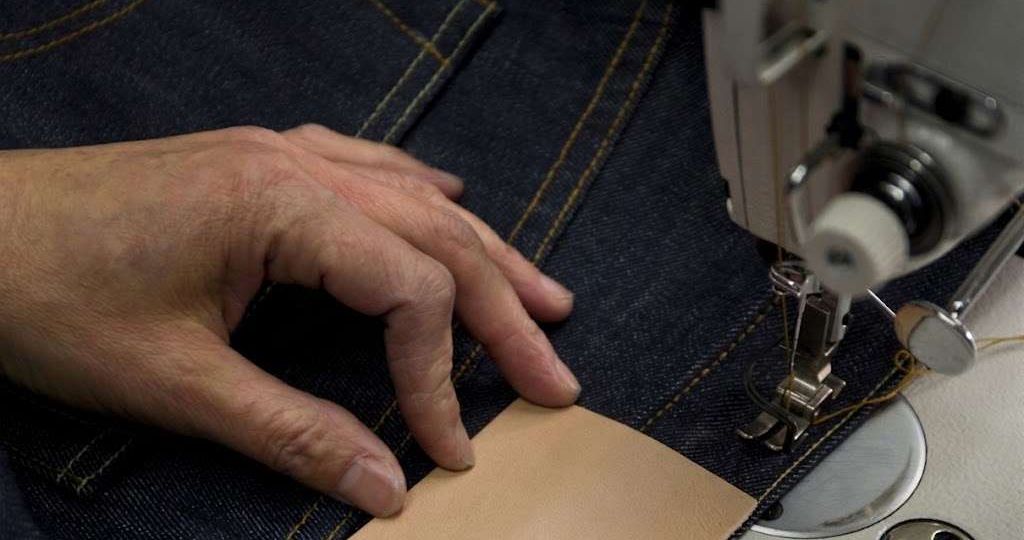
Managing a denim skirt supply chain is a complex process that involves multiple interconnected stages, including fabric sourcing, denim washing, garment production, and quality control.
Unlike basic apparel categories, denim skirts require precise coordination across different suppliers and production units. Even small inconsistencies in fabric, wash treatment, or stitching can result in color variation, fit issues, or delayed deliveries.
With strong OEM/ODM capabilities and long-term cooperation with global brands such as American Eagle Outfitters, Uniqlo, Zara, Gap, Levi’s, and Lee, Newasia Garment Co.,Ltd. delivers integrated and reliable denim skirt supply chain solutions for global fashion brands.
From material sourcing to final inspection, we help brands achieve stable production, consistent quality, and efficient lead times.
If your goal is to build a scalable and reliable denim skirt supply chain, partnering with an experienced manufacturing expert is a key strategic advantage.
What Is Denim Skirt Supply Chain Management?
Denim skirt supply chain management is the coordinated process of controlling all stages from fabric sourcing to finished product delivery.
It includes:
- Fabric sourcing and development
- Pattern making and sampling
- Bulk production planning
- Washing and finishing
- Quality control (QC/QA)
- Packaging and global shipping
A well-managed supply chain ensures consistent quality, on-time delivery, lower costs, and faster development cycles.
For fashion brands working with OEM denim skirt manufacturers, strong supply chain management is essential for maintaining competitiveness and scaling production efficiently.
Why Denim Skirt Supply Chain Management Matters in B2B Trade
In apparel sourcing, buyers are not just purchasing a product — they are evaluating a system.
A well-managed supply chain means:
- Stable fabric sourcing
- Predictable production timelines
- Controlled cost fluctuations
- Consistent washing and finishing quality
- Lower defect rates
- Faster response to market trends
For importers and fashion brands, these factors often matter more than small price differences.
In today’s competitive sourcing environment, even a well-designed denim skirt can lose orders if the supply chain behind it is unstable.
Understanding the Denim Skirt Supply Chain Structure
| Stage | Key Process | Main Focus | Key Risks / Considerations |
|---|---|---|---|
| 1. Fabric Sourcing (Denim Mills) | Cotton yarn is woven into denim fabric | Fabric weight (7–12oz), cotton/stretch ratio, shrinkage control, color consistency | Poor control can cause shrinkage issues, shade variation, unstable quality |
| 2. Washing & Finishing Process | Denim is treated with different wash techniques | Enzyme wash, stone wash, acid wash, distressed finishing, laser wash | Directly impacts cost, appearance, and production complexity |
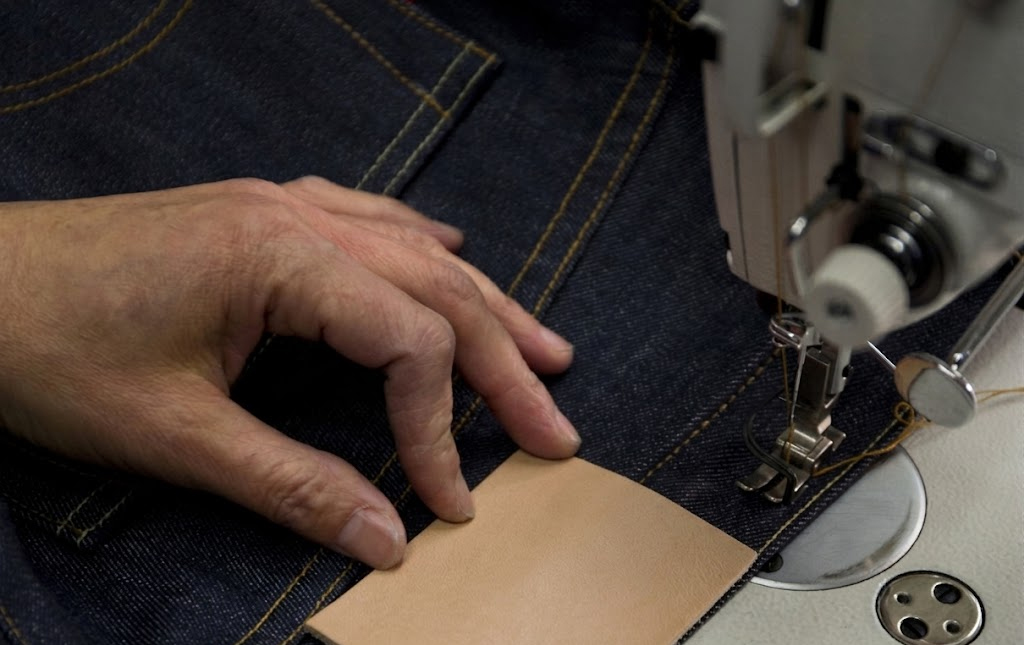
| 3. Garment Manufacturing | Cutting, stitching, assembly, fitting | Pattern making, cutting accuracy, sewing, size grading | Pattern errors can lead to size inconsistency in bulk production |
| 4. Trims & Accessories Supply | Sourcing of garment components | Buttons, rivets, zippers, labels, packaging | Low-quality trims may cause rusting, breakage, or brand issues |
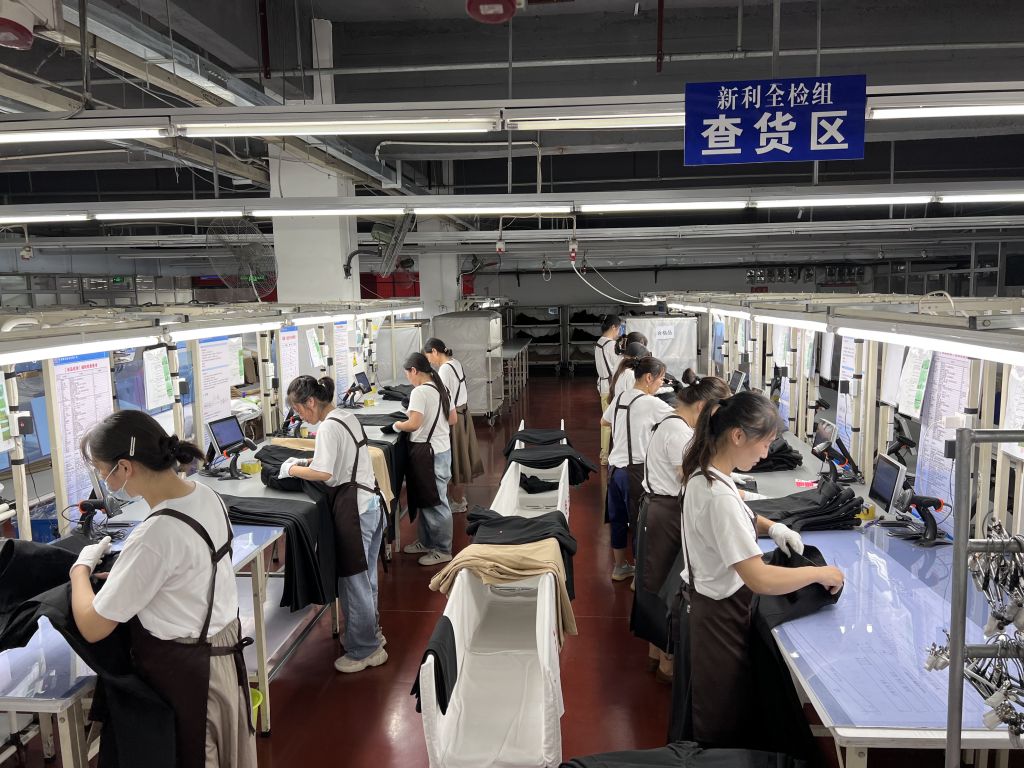
| 5. Quality Control & Inspection | Multi-stage quality checks | Fabric inspection, in-line QC, final AQL, wash consistency checks | Weak QC leads to defects, returns, and inconsistent wash results |
Key Stages of Denim Skirt Supply Chain Management
Understanding each stage helps buyers identify cost drivers and potential risks in production.
Step 1: Raw Material Sourcing
The foundation of stability lies in fabric control.
Key factors include:
- Cotton yarn availability
- Denim mill capacity
- Stretch ratio consistency
- Dye stability
- Sustainable fabric options
Poor sourcing can cause color variation, shrinkage issues, and delays. Stable suppliers usually work with long-term fabric mill partners.
Step 2: Sample Development
This is the first coordination test across the supply chain.
Involves:
- Pattern making
- Fabric confirmation
- Washing process alignment
- Trim selection
Efficient sampling ensures faster approval and smoother bulk production.
Step 3: Production Planning
Core of supply chain execution.
Includes:
- Capacity allocation
- Machine scheduling (especially washing)
- Seasonal demand planning
- Order prioritization
Washing bottlenecks are a common risk, so experienced suppliers pre-book production resources to avoid delays.
Step 4: Quality Control (QC)
Quality issues often result from multi-stage misalignment.
Key checkpoints:
- Fabric inspection
- Inline sewing checks
- Wash consistency control
- Final AQL inspection
Strong QC systems reduce defects, returns, and brand risks.
Step 5: Logistics Coordination
Final stage that ensures on-time delivery.
Includes:
- Packaging optimization
- Export documentation
- Shipping schedule planning
- Freight cost control
- Customs compliance
Professional suppliers plan logistics early to avoid delays and port congestion.
Role of Denim Skirt Manufacturers in Supply Chain Management
A reliable denim skirt manufacturer plays a central role in ensuring supply chain efficiency.
Factory vs Trading Company
| Factor | Factory | Trading Company |
|---|---|---|
| Cost | Lower | Higher |
| Control | Strong | Limited |
| Communication | Direct | Indirect |
| Flexibility | High | Medium |
Factories provide better control over production timelines and quality.
Integrated Supply Chain Advantage
Factories with integrated systems can:
- Reduce lead times
- Control production quality
- Lower total cost
- Improve scalability
Cost Structure in Denim Skirt Supply Chain
Understanding cost breakdown helps optimize pricing strategy:
- Fabric: 40%–60%
- Labor: 15%–25%
- Washing: 10%–20%
- Trims & accessories: 5%–10%
- Packaging & logistics: 5%–15%
Efficient supply chain management directly reduces total landed cost.
Building a Competitive Denim Skirt Supply Chain Strategy
To stay competitive in global wholesale markets, suppliers should focus on:
- Standardization
- Develop consistent fabric specs, wash standards, and sizing systems.
- Integration
- Reduce reliance on scattered suppliers and build a more unified sourcing network.
- Transparency
- Provide buyers with clear timelines, production updates, and QC reports.
- Scalability
- Ensure that production systems can handle both small MOQ orders and large bulk shipments.
Future Trends in Denim Skirt Supply Chain Management
The fashion industry is shifting toward:
- Nearshore + offshore hybrid sourcing
- Sustainable supply chains
- Digital production tracking
- AI-driven demand forecasting
- Small batch agile manufacturing
Brands that adopt these systems gain faster market responsiveness and reduced inventory risk.
Newasia Garment Co.,Ltd.: Integrated Denim Skirt Supply Chain Solutions
At Newasia Garment Co.,Ltd., we specialize in managing end-to-end denim skirt supply chains for global fashion brands and retailers.
Our production system integrates fabric sourcing, garment manufacturing, washing coordination, and quality control into a streamlined supply chain model designed for stability and scalability.
We are also a partner of brands such as American Eagle Outfitters, Uniqlo, Zara, Gap, Levi’s, and Lee, which demonstrates our capability to meet strict international quality and compliance standards.
Our supply chain advantages include:
- coordinated denim fabric sourcing network
- controlled washing process management
- low-risk bulk production system
- standardized quality inspection procedures
- scalable OEM & ODM production capacity
- global brand compliance experience
Supply Chain Optimization Strategy for Buyers
To improve denim skirt supply chain performance, buyers should:
- standardize wash reference samples before production
- approve pre-production samples with strict tolerance limits
- implement mid-production inspection checkpoints
- define clear AQL standards for bulk inspection
- maintain long-term factory partnerships instead of switching suppliers frequently
Certified Professional Clothing Producer
We are very proud of these certificates! They represent Newasia Garment Co.,Ltd. ’s amazing achievements and accreditations. They show how much we care about quality, safety, and professionalism.
We’re proud to say that we have obtained BSCI and ISO 90001 certificates, and inspection certificates for filling materials such as down and cotton. We follow international standards throughout our production process and take responsibility for the quality of our products.
As one of China’s leading clothing manufacturers, we are pleased to be recognized by respected organizations. These certifications underscore our reliability as a trusted supplier to the global apparel industry.
Trusted Certificates:

Why Choose Us
 Independent base We have our own laboratory and can independently develop fabrics , China  Professional certification Certification: ISO 9001, ISO 14001,BSCI,GRS |  Full-equipped Full-equipped, from fiber manufacturing, yarn spinning, weaving, dyeing and processing to finished product production  Rich experience Professional, large and experienced design team, combined with the latest artificial intelligence technology |  Our Facilities 12,000 skilled employees, daily production capacity exceeds 100,000 pieces  Fashion exhibition Participated in domestic and foreign fashion weeks and exhibitions many times |
Trusted by Global Clients



How Do We Guarantee the Quality
Our quality assurance begins with designing and planning, then continues through every step of the production and post-production inspections. Delivery is not an ending. We still offer money-back guarantee for quality issues.
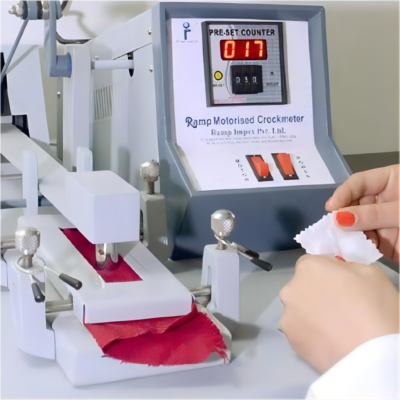
When sourcing fabrics, we will check all related fabric certificates from our suppliers.
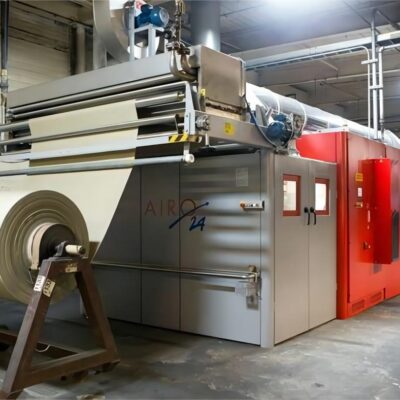
We make sure the fabric is well pre-washed to meet the standards before cutting.
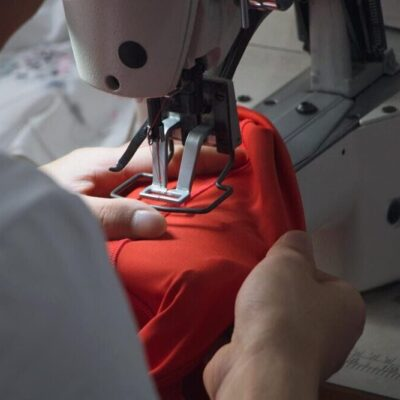
All our workers are well-trained and have many years of experience in the garment industry. They are all local workers with high stability.
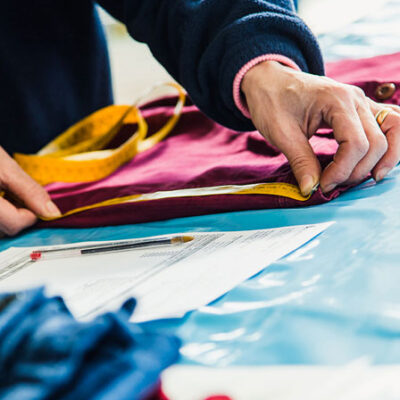
Our quality team will follow SOPs to conduct five times of quality checks before shipping.
FAQ: Denim Skirt Supply Chain Management
Q1: What is denim skirt supply chain management?
Denim skirt supply chain management refers to the coordinated control of all stages from fabric sourcing, production, washing, quality control, to final delivery. It ensures stable quality, cost efficiency, and on-time delivery for wholesale buyers.
Q2: What are the main stages in the denim skirt supply chain?
A typical supply chain includes:
- Fabric sourcing and development
- Sample development and approval
- Bulk production planning
- Washing and finishing processes
- Quality control (QC/QA)
- Packaging and global shipping
Each stage must be closely coordinated to avoid production delays or quality issues.
Q3: What are the biggest risks in denim skirt supply chains?
Common risks include:
- Fabric shade variation between batches
- Wash inconsistency after production
- Size deviation from incorrect grading
- Production bottlenecks in washing or finishing
- Shipping delays due to poor logistics planning
Q4: How can supply chain efficiency be improved?
Efficiency can be improved through:
- Stable long-term fabric mill partnerships
- Centralized sample development management
- Pre-planned production and washing capacity
- Multi-stage quality control systems
- Early logistics scheduling and coordination
Q5: What customization options are available in denim skirt production?
Customization includes:
- Fabric type, weight, and color
- Wash effects (enzyme, stone, acid, distressed, etc.)
- Fit, sizing, and pattern adjustments
- Trims (buttons, zippers, labels, rivets)
- Packaging and branding elements
Q6: What is the role of quality control in the supply chain?
Quality control ensures consistency at every stage, including:
- Fabric inspection before cutting
- Inline production checks
- Wash consistency verification
- Final AQL inspection before shipment
Strong QC reduces defects, returns, and brand risks.
Q7: What lead times can be expected?
Lead times depend on order type:
- Sample development: 5–10 days
- Bulk production: 15–30 days
Complex designs or custom washes may require additional time.
Q8: Where are denim skirts produced?
At Newasia Garment Co.,Ltd., denim skirt production is based in China with vertically integrated manufacturing capabilities. All processes are strictly supervised by a professional QC team to ensure consistent quality, efficient supply chain management, and competitive wholesale pricing.
Conclusion
Effective denim skirt supply chain management is not just about production—it is about building a stable, scalable, and efficient system that supports long-term brand growth.
The key to success lies in choosing the right manufacturing partner.
With strong OEM capabilities and long-term cooperation with global brands including American Eagle Outfitters, Uniqlo, Zara, Gap, Levi’s, and Lee, Newasia Garment Co.,Ltd. provides reliable and integrated denim skirt supply chain solutions for fashion brands worldwide.
If your goal is to build a stable and scalable denim supply chain, working with an experienced manufacturing partner is the most important strategic decision.You can view our full supply chain here.
- How to Validate Pocket Function and Placement Before Bulk Production
- How to Standardize Fabric Hand Feel Across Production Lots
- Movement Fit Testing for Apparel: How to Check Ride-Up, Slippage, and Range of Motion
- Pre-Production Sample Approval: What Brands Should Lock Before Bulk Production
- Custom Sports Jersey Manufacturing Quality Control: A Global Manufacturing Guide