

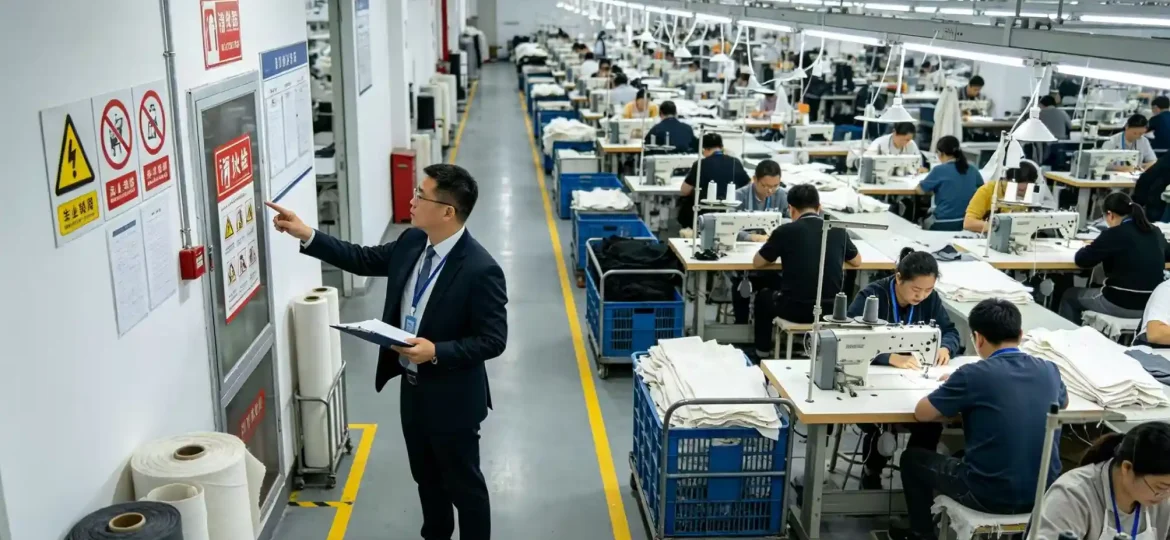
Decoding Global Apparel Standards: Clothing Factory Certifications Explained
For modern fashion brands, scaling apparel labels, and global procurement managers, evaluating an overseas manufacturing partner goes far beyond reviewing product samples and pricing decks. In an era defined by stringent supply chain transparency regulations, ESG (Environmental, Social, and Governance) accountability, and conscious consumer behavior, factory certifications have become essential benchmarks of operational integrity.
Navigating the landscape of international garment certifications can feel overwhelming. With dozens of auditing frameworks, technical standard bodies, and compliance registries operating across global sourcing hubs, understanding which certifications actually matter—and what they guarantee—is critical for mitigating compliance risks and safeguarding brand equity.
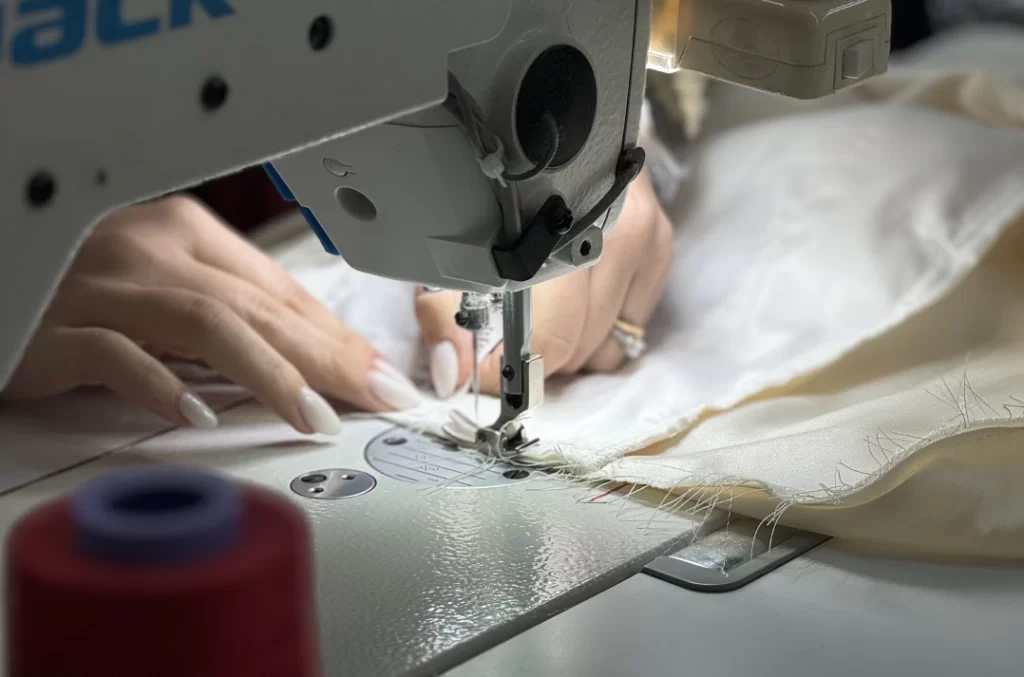
The Strategic Importance of Factory Certifications
Factory certifications are formal third-party audit verifications confirming that a manufacturing facility complies with specific social, environmental, chemical, or technical standards. For apparel brands, sourcing from certified factories offers several distinct commercial advantages:
- Regulatory Compliance and Market Access: Major consumer markets, including North America, the European Union, and the UK, enforce strict import regulations regarding forced labor, hazardous chemicals, and environmental disclosures. Certified facilities ensure your supply chain meets international legal import requirements.
- Risk Mitigation and Brand Protection: Partnering with unvetted factories exposes brands to severe operational and reputational hazards, including labor exploitation scandals, product recalls, and severe customs delays.
- Quality Assurance and Process Consistency: Technical certifications guarantee that a facility operates under standardized quality management systems, reducing production defects and ensuring consistent fit and workmanship across bulk production runs.
- Consumer Trust and Brand Equity: Today’s consumers actively seek out brands that demonstrate authentic sustainability and ethical labor practices. Validated certifications provide verifiable proof rather than vague greenwashing claims.
Key Categories of Apparel Manufacturing Certifications
International clothing factory certifications generally fall into three core operational pillars: Social Compliance, Environmental & Chemical Safety, and Quality Management.
1. Social and Ethical Compliance Certifications
Social compliance audits focus on worker welfare, fair compensation, workplace safety, working hours, and the prohibition of forced or child labor.
- WRAP (Worldwide Responsible Accredited Production): One of the most widely recognized social compliance certifications in the global apparel industry. WRAP focuses specifically on sewn products, auditing facilities against 12 core principles based on local labor laws and international workplace standards.
- SMETA / SEDEX (Sedex Members Ethical Trade Audit): A global auditing methodology covering four critical pillars: Labor Standards, Health & Safety, Environmental Management, and Business Ethics. Rather than issuing a simple pass/fail certificate, SMETA provides a detailed transparency report shared across the Sedex digital network.
- BSCI (Business Social Compliance Initiative): Driven by amfori, BSCI offers a standardized code of conduct aimed at improving working conditions across global supply chains through systematic social audits and continuous monitoring.
- SA8000 (Social Accountability International): A rigorous, internationally recognized benchmark standard based on UN declarations and ILO conventions, requiring facilities to demonstrate comprehensive social management systems.
2. Environmental and Chemical Safety Certifications
Environmental certifications verify that raw materials, wet-processing techniques (dyeing and washing), and chemical management comply with non-toxic, eco-friendly standards.
- OEKO-TEX Standard 100: A globally uniform testing and certification system for raw, semi-finished, and finished textile products. An OEKO-TEX certification guarantees that every component of the garment—from outer fabric to threads, buttons, and zippers—has been tested for harmful substances and is safe for human health.
- GOTS (Global Organic Textile Standard): The world’s leading processing standard for textiles made from organic fibers. GOTS evaluates the entire textile supply chain, requiring at least 70% to 95% certified organic fibers alongside strict environmental and social processing criteria.
- GRS (Global Recycled Standard): An international, voluntary product standard that sets requirements for third-party certification of recycled content, chain of custody, social and environmental practices, and chemical restrictions.
- Higg Index (SAC): A suite of digital self-assessment tools and verified audit frameworks created by the Sustainable Apparel Coalition to measure facility environmental impacts, energy usage, water consumption, and waste management.
3. Quality Management and Technical Certifications
Technical certifications assess a factory’s operational infrastructure, production control systems, and ability to consistently deliver goods within specified quality parameters.
- ISO 9001 (Quality Management Systems): The international standard for organizational quality management. ISO 9001 certified apparel factories maintain documented, standardized workflows for raw material inspection, inline quality control, pattern nesting, and final random inspections.
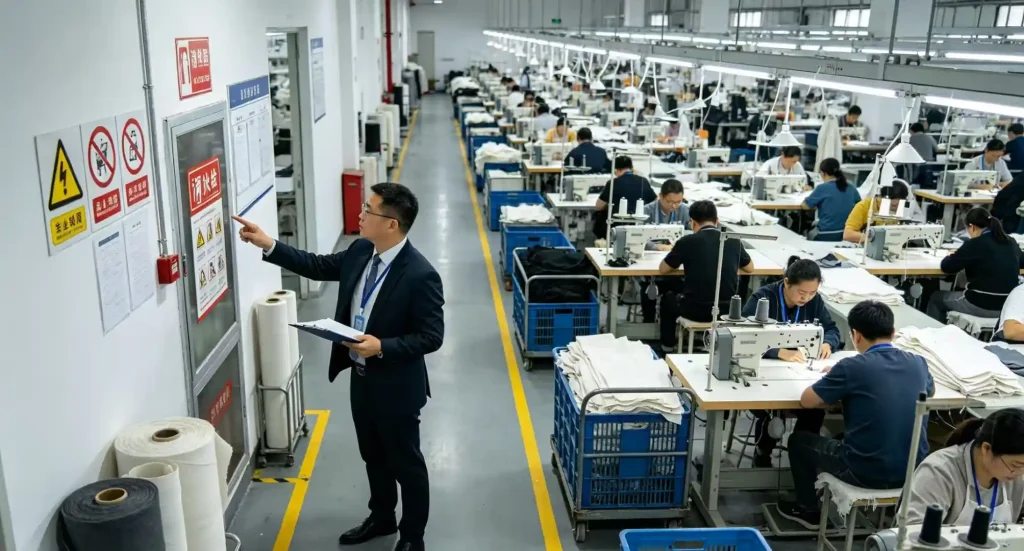
How Apparel Brands Should Audit Factory Certification Claims
Simply asking a prospective factory if they hold a specific certification is insufficient. Rogue operators and intermediaries occasionally present outdated, forged, or scope-limited certificates. Apparel buyers should enforce a systematic verification protocol:
- Request Specific Certificate Registration Numbers: Authentic certifications feature unique tracking IDs issued by accredited third-party registrars (such as Intertek, SGS, Bureau Veritas, or TÜV SÜD).
- Verify Directly on Official Database Registries: Cross-reference the facility’s legal corporate name, facility address, and certification ID directly within the public verification portals of bodies like WRAP, OEKO-TEX, GOTS, or Sedex.
- Check Scope and Validity Dates: Ensure the certificate covers the specific manufacturing processes required for your product line (e.g., cut-and-sew vs. dyeing only) and that the audit validity date extends through your bulk production timeline.
Partnering with Certified, Quality-Driven Manufacturers
Building a transparent, resilient apparel supply chain requires partnering with manufacturers who prioritize verified compliance and continuous process improvement. Established facilities understand that rigorous certifications are not merely marketing logos, but essential operational standards that guarantee garment safety, worker dignity, and product quality.
Working directly with reliable suppliers like Newasia Garment ensures fashion brands benefit from transparent OEM/ODM manufacturing workflows, stringent internal quality controls, and verifiable production standards. Sourcing through certified, highly audited facilities protects your brand equity, ensures seamless custom clearance, and delivers consistent product quality to your global customer base.
Read more
- How to Validate Pocket Function and Placement Before Bulk Production
- How to Standardize Fabric Hand Feel Across Production Lots
- Movement Fit Testing for Apparel: How to Check Ride-Up, Slippage, and Range of Motion
- Pre-Production Sample Approval: What Brands Should Lock Before Bulk Production
- Custom Sports Jersey Manufacturing Quality Control: A Global Manufacturing Guide