
Beyond the Virtual Tour: How Global Apparel Brands Scientifically Verify Factory Capability Remotely
In an era of globalized supply chains, remote sourcing has evolved from a temporary workaround into a primary operational strategy. Fashion brands, procurement directors, and emerging apparel labels routinely negotiate deals, sign production contracts, and launch major collections with manufacturing partners thousands of miles away. However, relying solely on polished marketing brochures, curated digital showroom tours, or self-reported facility statistics is one of the highest-risk approaches to apparel manufacturing.
A factory’s glossy online presence often obscures severe operational bottlenecks, sub-contracting practices, or a complete lack of internal quality control. To protect working capital, ensure timely deliveries, and maintain strict product standards, global apparel buyers must deploy a structured, scientific framework to audit and verify factory capabilities from afar.
The Pitfalls of Superficial Digital Verification
Before implementing a remote audit, sourcing teams must understand the common ways facility capabilities are inflated during early digital negotiations:
- The Shell Trading House Illusion: Entities present themselves as direct cut-and-sew factories using high-resolution photos of leased production floors. In reality, they are unvetted intermediaries who pass orders down to unregulated secondary workshops.
- Outdated Equipment Footage: Video walk-throughs frequently showcase advanced automated cutting machines or specialized embroidery heads that are either out of service or reserved exclusively for high-volume legacy clients.
- Selective Live Demos: Scheduled video calls often guide buyers through tidy, well-lit finishing lines while deliberately bypassing crowded cutting rooms, uncalibrated wash facilities, or disorganized fabric warehouses.
5 Step-by-Step Methods to Audit Apparel Factories Remotely
1. Demand Live, Unscripted Facility Video Audits
Replace pre-recorded promotional videos with unscripted, real-time video inspections conducted via direct video link:
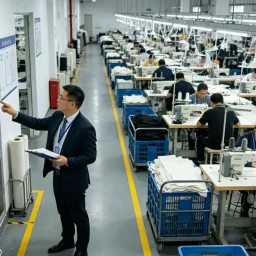
- Trace the Production Flow Chronologically: Instruct the auditor or factory manager to walk continuously from the raw fabric roll warehouse, through the CAD/cutting room, down active sewing lines, and into the final pressing, needle detection, and packing departments.
- Inspect Active Production Live: Ask the representative to pause at random sewing stations. Zoom in on active tech packs, operator instruction sheets, and cut panels on the line to confirm that the facility is actively sewing garments of similar complexity to your line.
2. Cross-Reference Third-Party Audit Databases and Credentials
Authentic export manufacturers maintain updated compliance and operational records on internationally recognized digital registries:
- Verify Global Audit ID Numbers: Request specific registration IDs for frameworks like SMETA (SEDEX), WRAP, HIGG Index, or ISO 9001. Cross-reference these IDs directly within official public databases to confirm validity, legal facility address, and exact audit scope.
- Review Unredacted Corrective Action Plans (CAP): A genuine, high-performing factory will willingly share recent third-party audit findings alongside their official corrective action records, demonstrating an authentic culture of continuous improvement.
3. Interrogate Technical Workmanship and Structural Precision
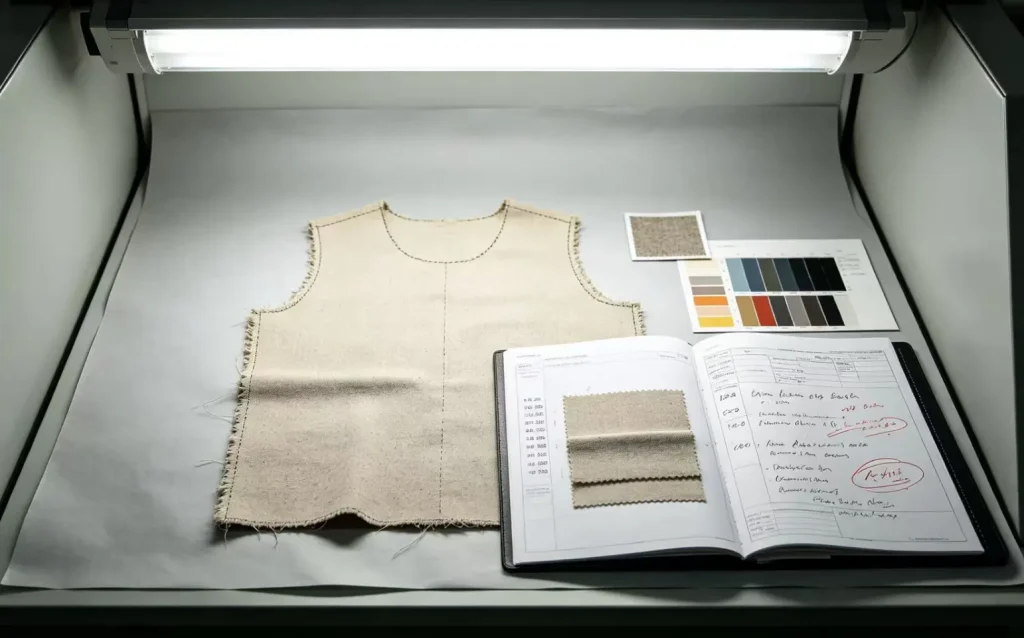
Evaluating a factory’s true technical capability requires looking past external aesthetics and scrutinizing hidden internal garment construction. Facilities that cut corners often neglect internal reinforcements, collar stability, or seam integrity.
A factory’s internal quality philosophy is immediately evident in how they construct high-stress zones. For instance, high-quality manufacturers engineer internal necklines using specialized reinforcement tapes and double-needle cover-stitching to guarantee structural memory over hundreds of laundry cycles. Evaluating physical pre-production samples under magnification reveals whether a factory possesses the technical discipline required for long-term product durability.
4. Conduct Deep-Dive Operational and Capacity Interviews
Engage the factory’s technical directors and production heads in granular operational discussions:
- Machine-to-Worker Ratios and Daily Yields: Inquire about their total active sewing machine count, specialized machinery availability (such as 5-thread flatlock or automatic welt pocketing machines), and daily piece-rate output calculations for your specific garment category.
- Quality Control Checkpoints: Require the factory to explain their inline defect tracking systems, AQL 2.5 inspection protocols, and needle detector calibration schedules.
5. Partner with Transparent Direct Manufacturers
The most effective way to eliminate remote sourcing risk is by partnering with verified, quality-focused manufacturing facilities that build transparency directly into their customer onboarding process.
Established manufacturers like Newasia Garment eliminate middleman ambiguity by offering transparent OEM/ODM workflows, open access to pre-production developments, and documented quality control metrics. Working directly with an authentic manufacturer ensures full visibility from initial tech pack review and raw material inspection through final export shipping.
Read more
- How to Validate Pocket Function and Placement Before Bulk Production
- How to Standardize Fabric Hand Feel Across Production Lots
- Movement Fit Testing for Apparel: How to Check Ride-Up, Slippage, and Range of Motion
- Pre-Production Sample Approval: What Brands Should Lock Before Bulk Production
- Custom Sports Jersey Manufacturing Quality Control: A Global Manufacturing Guide