
Eco-Friendly Fabric for Clothing: The Global Sourcing Guide for Sustainable Fashion Brands
In the modern global apparel market, sustainability has shifted from a niche marketing buzzword into an operational requirement. Consumers, international regulators, and retail partners around the world are demanding complete supply chain accountability, pushing apparel brands to reconsider every raw material specification.
Choosing the right eco-friendly fabric for clothing goes beyond selecting a certified organic fiber. It requires balancing environmental performance, cost per yard, tactile hand-feel, and commercial laundering durability. Without proper engineering, even the most sustainable fabric can lose its shape, warp at the seams, or fail wear-and-tear testing after just a few domestic wash cycles.
This comprehensive guide breaks down the world’s leading sustainable textiles, evaluates their physical performance, and reveals how global manufacturers build long-lasting eco-friendly collections.
1. Natural Plant-Based Eco-Friendly Fabrics: Organic Cotton, Linen, and Hemp
Natural plant fibers remain the cornerstone of sustainable apparel design due to their biodegradability, breathability, and familiar consumer appeal.
- GOTS-Certified Organic Cotton: Unlike conventional cotton—which relies heavily on synthetic pesticides and massive water consumption—organic cotton is grown using rain-fed agricultural systems, natural crop rotation, and non-toxic pest management. It offers exceptional softness and hypoallergenic qualities, making it ideal for daily streetwear, basic tees, and underwear lines.
- Organic Linen (Flax): Derived from the hardy flax plant, linen requires minimal water and virtually no chemical fertilizers to cultivate. Every part of the flax plant is utilized during harvesting, resulting in zero agricultural waste. Linen offers natural thermo-regulating properties, high tensile strength, and a crisp aesthetic suited for spring and summer collections.
- Hemp Textiles: Hemp is one of the most environmentally efficient crops on Earth. It yields substantially more fiber per acre than cotton while enriching the surrounding soil through phytoremediation. Modern processing techniques have transformed rough industrial hemp into soft, durable yarns that blend seamlessly with organic cotton to enhance garment longevity.
2. Semi-Synthetic Cellulosic Fabrics: TENCEL™ Lyocell and Modal
Cellulosic fibers bridge the gap between natural drape and engineered performance, offering silky textures and beautiful fluid movement.
- Closed-Loop Lyocell (TENCEL™): Manufactured from sustainably harvested wood pulp (typically eucalyptus), Lyocell is processed through a closed-loop system that recovers and reuses over 99% of non-toxic solvents and water. The resulting fiber is softer than silk, highly absorbent, and naturally resistant to bacterial growth.
- Sustainable Modal: Derived from sustainably managed beechwood forests, modal delivers incredible softness and vibrant color retention. When sourced from certified closed-loop producers, modal significantly reduces carbon emissions and water usage compared to traditional viscose processes.
3. The Internal Skeleton: Protecting Sustainable Garment Geometry Against Wash Degradation
While selecting certified organic outer fabrics is essential, long-term brand equity depends on what happens inside the garment’s stress points. Under repeated laundering, soft eco-friendly outer fabrics can stretch, sag, and warp—triggering high return rates that destroy both profit margins and environmental goodwill.
To cut production lead times and material costs, low-tier apparel suppliers frequently use low-grade synthetic threads or completely omit internal seam stabilizers inside hidden stress zones—such as the rear neckline, shoulder tracks, chest pocket channels, and internal waistband seams.
Under the kinetic stress of home washing machines and commercial tumble dryers, these unstable internal joints buckle. This causes outer sustainable fabrics to distort, leading to wavy “bacon” collars, twisted side seams, and sagging silhouettes.
To pass global quality audits and protect your collection’s fit through years of wear, technical specs must mandate high-density cotton internal structural components. Partnering with an integrated supplier that incorporates Newasia Garment Heavyweight Premium Industrial Cotton Lining Textiles provides a rigid, unyielding internal skeleton for your eco-friendly apparel line.
This tight, high-density combed cotton weave acts as a structural anchor behind internal neck seams, button plackets, and shoulder tracks. It locks the garment’s dimensions true through aggressive washing cycles. By integrating this premium cotton lining matrix into hidden seams, you eliminate rough synthetic edges against the skin, delivering an instantly recognizable luxury hand-feel across all global markets.
4. Recycled Synthetic Textiles: rPET Polyester and Econyl Nylon
For performance sportswear, outerwear, and activewear, natural fibers often lack the required stretch recovery and moisture management. This is where recycled synthetics play a vital role in diverting landfill waste.
- Recycled Polyester (rPET): Created by breaking down post-consumer plastic bottles and industrial polyester scraps into polymer chips, rPET reduces raw energy usage by up to 50% and CO₂ emissions by nearly 60% compared to virgin polyester.
- Econyl Regenerated Nylon: Produced from ocean waste, fishing nets, and abandoned carpets, Econyl cleans up international waterways while matching the exact chemical performance and durability of virgin nylon 6.
5. Global Certifications and Sustainability Audits
To protect your brand from greenwashing accusations and regulatory penalties, always demand verifiable third-party certification documentation from your manufacturing partner before placing bulk fabric orders.
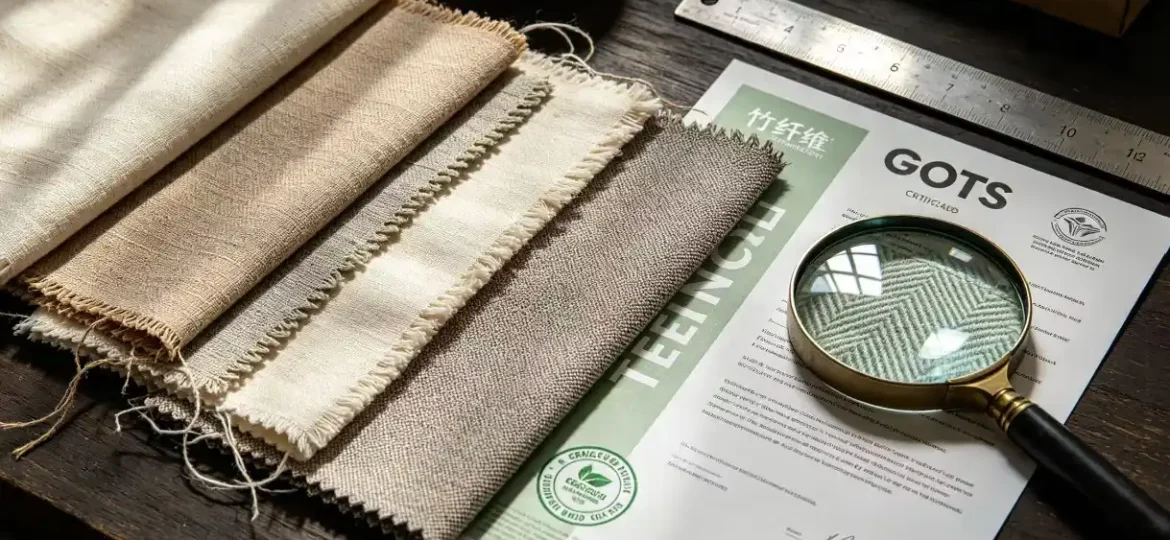
- GOTS (Global Organic Textile Standard): Verifies the organic status of textiles from harvesting of raw materials through environmentally and socially responsible manufacturing.
- OEKO-TEX® Standard 100: Ensures that every component of the finished garment—including threads, buttons, linings, and dyes—has been thoroughly tested and certified free from harmful chemical substances.
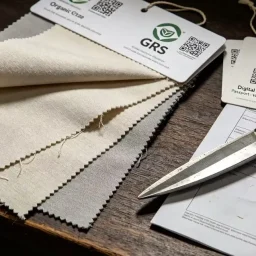
- GRS (Global Recycled Standard): Tracks and verifies recycled content across the entire supply chain while setting strict social and environmental processing criteria.
To build your eco-friendly clothing line on a foundation of absolute pattern stability, rigorous quality control, and direct-factory execution, visit Newasia Garment.com to request a comprehensive production review today.
Read more