
Japanese raw denim has become a global benchmark for premium denim craftsmanship. Known for its deep indigo color, slow fading characteristics, and exceptional texture, it is widely regarded as the “gold standard” in the denim industry.
But beyond its reputation, many fashion brands and buyers ask a more practical question:What actually makes Japanese raw denim so special—and can similar results be achieved at scale?
At Newasia Garment, we help fashion brands develop high-quality denim products inspired by Japanese raw denim aesthetics while ensuring scalable production for global markets.
We are also a manufacturing partner of brands such as American Eagle Outfitters, Uniqlo, Zara, Gap, Levi’s, and Lee.
This guide breaks down the real technical, cultural, and production factors behind Japanese raw denim—and what they mean for modern fashion brands.
What Is Japanese Raw Denim?
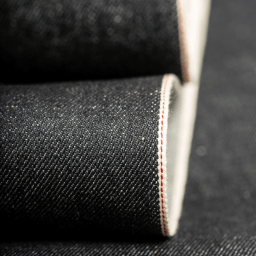
Japanese raw denim refers to unwashed, untreated denim fabric produced using traditional weaving and dyeing methods, most commonly on shuttle looms.
Unlike pre-washed denim, raw denim is:
- Unshrunk
- Unfaded
- Unprocessed after dyeing
It develops unique fading patterns over time based on the wearer’s lifestyle.
Why Japanese-Style Raw Denim Is a Benchmark for Custom Jeans
Japanese raw denim is widely respected because it represents a craft-driven approach to fabric production. It combines traditional shuttle-loom weaving, premium long-staple cotton, and deep indigo dyeing techniques to create denim with unique texture and aging characteristics.
The key idea is not just “selvedge denim,” but slow, intentional production that values detail over volume.
At Newasia Garment, we often reference this philosophy when developing premium denim programs for brands—especially those looking to create heritage-inspired or high-end streetwear collections.
What Makes Premium Raw Denim So Special?
Raw denim is unique because it is untreated and unwashed, allowing the fabric to evolve over time based on the wearer’s lifestyle.
Instead of pre-designed fading, raw denim develops:
- Natural whiskers and honeycombs
- Personalized wear patterns
- Unique color fading over time
This makes every pair of jeans a “living product,” shaped by the customer rather than the factory.
For brands, this creates a powerful storytelling opportunity—each pair becomes personal, emotional, and irreplaceable.
Why Is High-Quality Denim More Expensive?
Premium denim costs more due to three core factors:
- Slow Production Methods
Vintage shuttle looms produce fabric at a much slower rate, prioritizing texture and depth over efficiency. - Premium Raw Materials
High-end cotton, such as long-staple varieties, creates stronger, softer, and more durable yarns. - Skilled Craftsmanship
Experienced artisans are required to operate traditional machines and manage dyeing and weaving processes with precision.
In contrast, mass-market denim uses automated systems designed for speed and cost efficiency, but sacrifices character and individuality.
How Different Denim Philosophies Affect Customization
Understanding global denim styles helps brands choose the right customization direction:
- Japanese-inspired denim: Focuses on texture, aging, and artisanal detail
- American denim: Emphasizes durability and rugged functionality
- European (Italian-style) denim: Prioritizes fashion innovation and stretch performance
At Newasia Garment, we integrate these influences depending on the brand’s target market—whether it’s heritage denim, streetwear, or contemporary fashion.
The Best Way to Customize Jeans for Your Brand
To build successful custom jeans, brands should focus on four key areas:
1. Fabric Selection
Choose between raw denim, selvedge denim, stretch denim, or blended fabrics depending on positioning.
2. Weave & Texture Direction
Decide whether you want smooth, clean finishes or slubby, vintage-inspired textures.
3. Wash & Aging Strategy
Options include raw, rinse, stone wash, acid wash, or custom vintage distressing.
4. Branding & Identity Elements
- Leather patches
- Embroidery logos
- Custom rivets and buttons
- Woven labels and packaging
DIY vs Tailor vs Professional Manufacturer
- DIY customization: Good for experimentation and personal expression
- Tailoring: Best for fit adjustments and small upgrades
- OEM/ODM manufacturing (Newasia Garment): Best for building scalable denim brands with consistent quality
Professional manufacturing allows full control over design while maintaining production stability and commercial readiness.
Japanese Raw Denim vs Standard Denim
| Feature | Japanese Raw Denim | Standard Denim |
|---|---|---|
| Weaving Method | Shuttle loom (selvedge) | Modern high-speed looms |
| Dyeing | Rope dye indigo | Continuous dyeing |
| Texture | Stiff, evolving | Pre-softened |
| Aging Effect | High contrast fades | Limited fading |
| Price Level | Premium | Mid to low |
| Brand Positioning | Luxury / heritage | Mass market |
This comparison highlights why Japanese raw denim is often chosen for premium collections rather than basic denim lines.
Premium Denim Manufacturing at Newasia Garment Co., Ltd.
Newasia Garment Co., Ltd. specializes in OEM and ODM denim manufacturing for global fashion brands.
Our capabilities include:
- Custom denim fabric development
- Raw denim production
- Selvedge-inspired construction techniques
- Advanced washing processes
- Vintage and distressed finishing
- Private label denim production
We combine modern manufacturing systems with deep understanding of traditional denim craftsmanship principles.
How We Achieve Premium Denim Quality
We achieve high-end denim production through:
- Strict fabric selection processes
- Advanced dyeing and washing control
- Skilled pattern engineering
- Multi-stage quality inspection
- Continuous production optimization
Our goal is to deliver denim products that meet global premium fashion standards.
FAQ: What Makes Japanese Raw Denim So Special?
Q1. What is Japanese raw denim?
Japanese raw denim refers to denim fabric that is woven and dyed in Japan using traditional or semi-traditional methods, typically left unwashed and untreated after dyeing. It is known for its deep indigo color, natural fading process, and unique texture that develops over time.
Q2. Why is Japanese raw denim considered higher quality than regular denim?
Japanese raw denim is often associated with higher quality because of slower weaving speeds, superior cotton selection, rope-dye indigo techniques, and attention to detail. These factors create richer texture, stronger durability, and more distinctive fading compared to mass-produced denim.
Q3. What makes the fading of Japanese raw denim so unique?
The fading is unique because only the outer layer of the yarn is dyed, leaving the inner core white. As the denim is worn, friction gradually reveals natural contrast patterns such as honeycombs, whiskers, and stacks that reflect the wearer’s lifestyle.
Q4. Is Japanese raw denim better for fashion brands or just denim enthusiasts?
It is highly valued by both. Denim enthusiasts appreciate the aging process, while fashion brands use its aesthetic appeal to create premium collections. However, due to high cost and limited production capacity, many brands now seek similar effects through advanced denim washing and fabric development.
Q5. Why is Japanese raw denim expensive?
It is expensive due to slow production methods, traditional shuttle looms, small-batch manufacturing, high-quality cotton, and labor-intensive dyeing processes. These factors significantly increase production time and cost compared to industrial denim manufacturing.
Q6. Can the look of Japanese raw denim be reproduced at scale?
Yes. While traditional Japanese raw denim has production limitations, modern factories can replicate similar aesthetics using advanced techniques such as vintage washing, enzyme washing, laser fading, and controlled indigo dyeing to achieve comparable visual effects at scale.
Q7. What is the difference between Japanese raw denim and selvedge denim?
Selvedge denim refers to fabric woven on shuttle looms with self-finished edges, while raw denim refers to untreated, unwashed denim. Japanese raw denim is often both selvedge and raw, but the two terms describe different characteristics.
Q8. How can fashion brands use Japanese raw denim inspiration in product development?
Brands can use Japanese raw denim principles—such as indigo depth, texture irregularity, and natural fade effects—to develop premium denim collections. Many brands work with experienced manufacturers like Newasia Garment Co., Ltd. to translate these aesthetics into scalable, production-ready products.
Conclusion
The best way to customize jeans is not just about adding design elements—it’s about understanding the philosophy behind denim itself.
From Japanese-inspired craftsmanship to modern global manufacturing systems, successful denim products are built on the balance between tradition, technology, and brand storytelling.
Newasia Garment supports brands worldwide in developing custom denim collections that combine premium materials, precise craftsmanship, and scalable production systems—helping transform ideas into market-ready jeans with real value and identity.
Read more