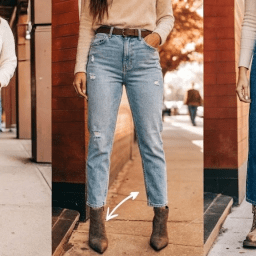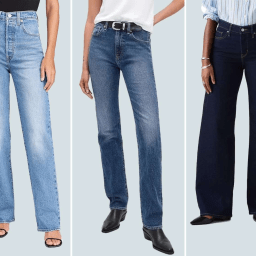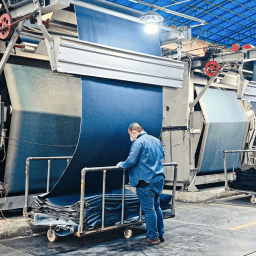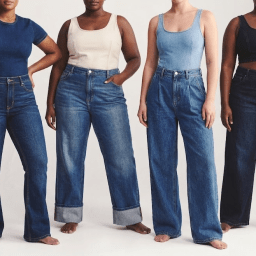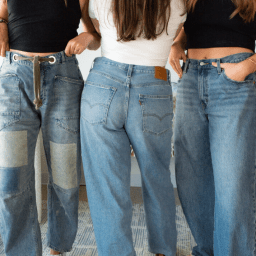

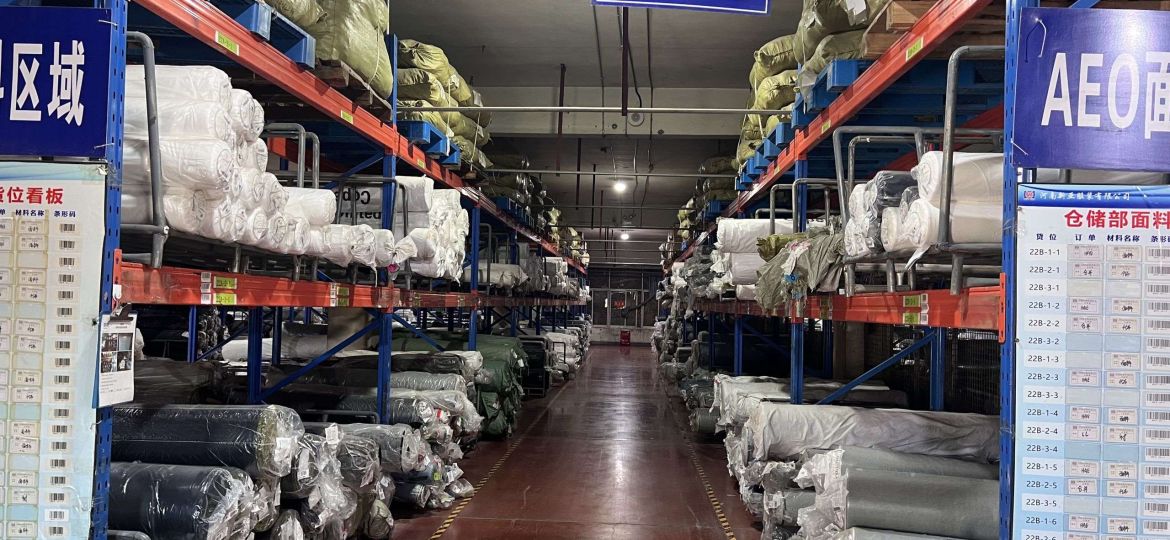
Denim isn’t just a fabric; it’s a statement. Whether you’re walking the bustling streets of Tokyo or cruising through the countryside on a vintage bike, the jeans you wear convey your style, your comfort priorities, and even your values.
But with the vast array of denim fabrics available today, one question often arises: Which denim fabric is right for your collection? Should you go for the classic durability of selvedge, the stretch and ease of modern blends, or the robust longevity of heavyweight raw cotton? What truly defines “premium” denim, and how can brands, designers, and retailers make the smartest choice?
The best denim fabric depends entirely on your goals: selvedge denim delivers authenticity and long-lasting wear, stretch denim prioritizes comfort and mobility, and mid-weight ring-spun cotton denim offers the perfect balance of structure and everyday wearability. Premium denim typically uses long-staple cotton, often ring-spun and dyed with pure indigo, ensuring superior fade patterns, softness, and durability.
At Newasia Garment, with decades of experience in garment manufacturing, we’ve witnessed every trend and innovation in denim. From custom-fit jeans to oversized denim jackets and eco-friendly washes, we partner with clients to transform design ideas into market-ready fashion products.
Because fabric selection is one of the most pivotal decisions in denim development, we’re here to guide you—cutting through the jargon and giving you insights based on real experience. Stick with us, and by the end, you’ll know exactly which denim fabrics fit your brand’s vision—and how to bring them to life.
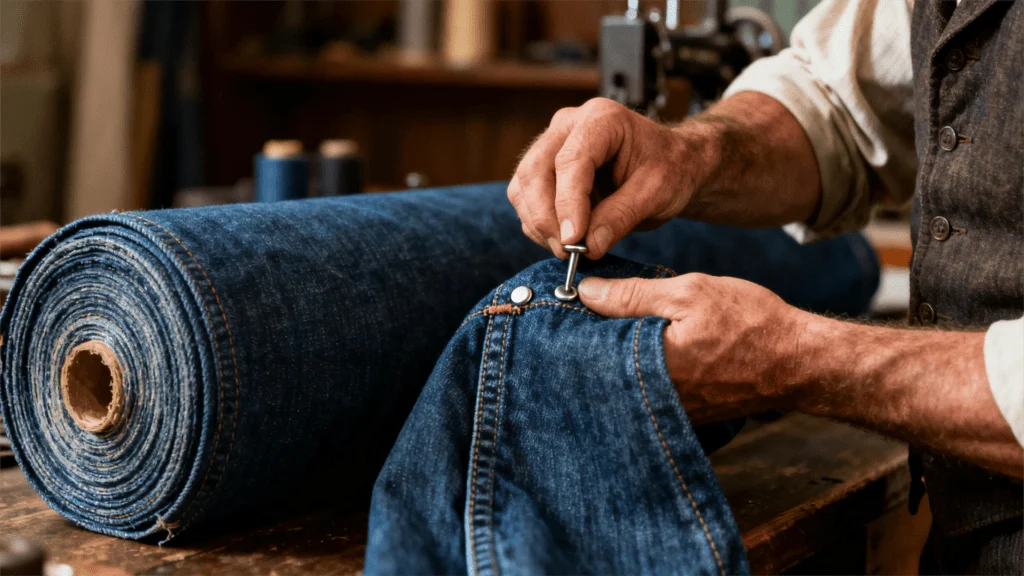
What Are the Different Types of Denim Fabric Available Today?
Denim fabrics are available in a wide range of compositions and constructions, each offering unique characteristics in terms of comfort, durability, appearance, and sustainability. Understanding these differences helps brands and buyers select the most suitable fabric for their target market.
| Type of Denim | Composition / Construction | Key Benefits | Typical Uses / Market |
|---|---|---|---|
| Rigid 100% Cotton Denim | 100% Cotton, no stretch | Authentic vintage look, long-lasting durability, develops unique fades | Raw denim, workwear, heritage styles |
| Stretch Denim | 98% Cotton / 2% Elastane | Comfortable, flexible, retains shape, supports modern silhouettes | Slim, skinny, body-contouring fits |
| Selvedge Denim | Woven on shuttle looms with finished edges | Premium quality, durable, distinctive edge | Luxury and high-end markets |
| Poly-Blend Denim | Cotton blended with polyester/synthetics | Durable, wrinkle-resistant, holds shape, cost-effective | Everyday wear, performance-oriented denim |
| Eco-Friendly Denim | Organic cotton, recycled fibers, hemp | Eco-conscious, lower water/chemical use, supports sustainability | Sustainable fashion, conscious consumers |
Materials Used in High-Quality Denim
Long-Staple Cotton: Pima or Egyptian cotton for smooth, strong yarns.
Ring-Spun Yarn: Soft feel, rich texture, durable, and better fading.
Pure Indigo Dyeing: Develops natural fades and character.
Minimal Processing: Preserves fiber strength and longevity.
Is 70% Cotton Denim Good Quality?
Depends on use:
Advantages:
- Comfortable with stretch
- Wrinkle-resistant
- Retains shape
- Good for active or fashion garments
Considerations:
- Less authentic fading
- Less durable than 90–100% cotton
- Slightly less traditional feel
Recommendation:
- 90–100% cotton for premium, authentic denim
- 70% cotton blends for comfort-focused, fashion-forward garments
How Denim Fabric Weight Influences Comfort and Durability
Denim weight affects both comfort and longevity. The weight is measured in ounces per square yard (oz/yd²) and influences breathability, structure, and suitability for different seasons and styles.
| Weight Category | Ounces (oz) | Characteristics | Ideal Use Cases |
|---|---|---|---|
| Lightweight | <10 oz | Soft, breathable, easy to wear | Summer wear, shorts, relaxed-fit or flared jeans |
| Midweight | 10–14 oz | Balanced feel, versatile | All-season jeans, casual styles, everyday wear |
| Heavyweight | >14 oz | Thick, durable, structured | Raw denim, selvedge, workwear, outerwear, rugged styles |
Notes on Comfort and Durability:
- Lightweight denim: Ideal for warm weather and easy movement. Less structured but very comfortable.
- Midweight denim: Most common for off-the-rack jeans; combines comfort with durability.
- Heavyweight denim: Offers excellent strength and structure, molds over time, and provides a rugged aesthetic—but requires a break-in period.
Does Heavier Denim Always Mean Better Quality?
Not always. While heavier denim often feels stronger, true quality depends on cotton fiber type, spinning method, and weave. For example, a 12 oz ring-spun denim can outperform a 16 oz open-end fabric in comfort, fade potential, and longevity. Weight alone is not a guarantee of superior denim.
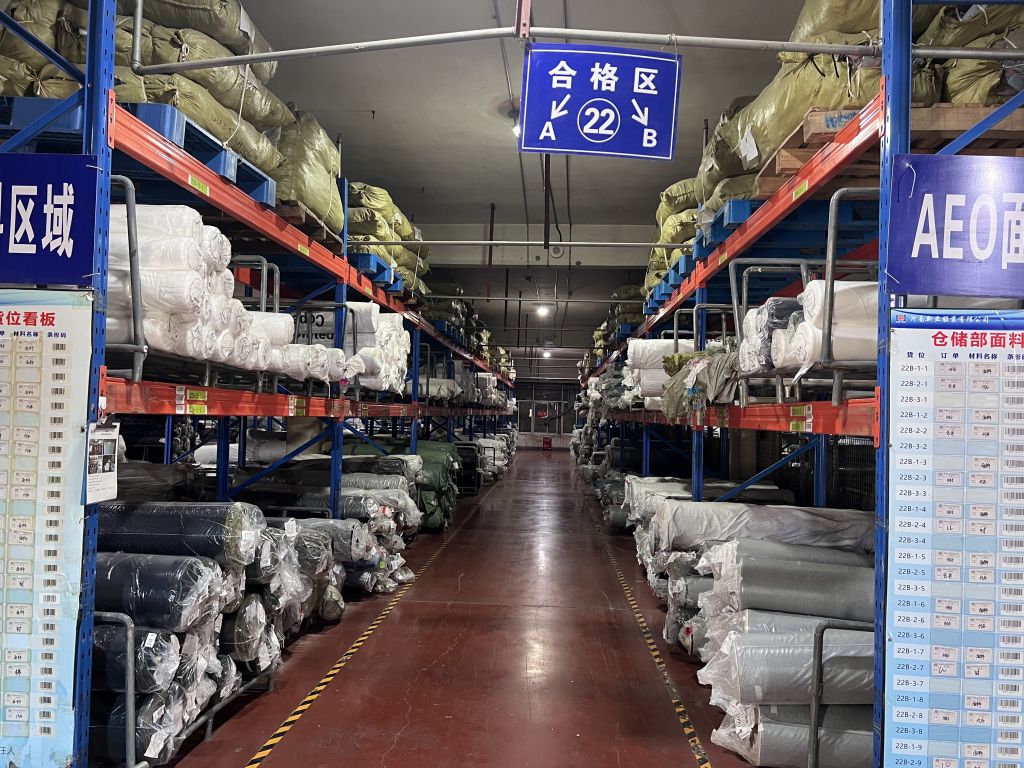
Why Selvedge Denim Is Often Considered Superior
Selvedge denim is highly regarded for its dense weave, clean finished edges, and craftsmanship, typically produced on vintage shuttle looms. Compared to mass-produced denim, it offers better durability, aging characteristics, and artisanal quality.
Identification:
- Tightly bound edges, usually marked with a colored thread (commonly red)
- Woven on shuttle looms, resulting in a denser, stronger fabric
Key Benefits:
- Unique Fade Patterns: Develops whiskers, honeycombs, and fades that are unique to the wearer
- Craftsmanship: Shuttle looms operate slowly, allowing better tension control and tighter construction
- Edge Strength: Self-finished edges resist fraying, extending garment life
What Benefits Do Stretch Denims Offer Over Rigid Denim?
Stretch denim offers comfort, flexibility, and better fit retention, making it ideal for body-hugging or activewear jeans. Rigid denim, however, ages better and holds its shape over time.
Stretch denim typically blends 1–5% elastane into the fabric. This innovation transformed the jeans industry, especially for women’s and plus-size markets.
Pros of Stretch Denim:
Excellent fit and recovery
Greater mobility
Easier to size across body types
Cons
May lose shape faster
Less “authentic” look
Slightly lower durability under tension
Rigid denim, especially raw or selvedge types, may feel stiff initially but develops personalized creases and fades. It’s ideal for purists, streetwear brands, and luxury denim lines.
Are There Trade-Offs Between Comfort and Durability in Stretch Denim?
Yes. Stretch adds comfort but can reduce lifespan if elastane quality is low. For best results, look for fabrics with high-quality Lycra or dual-core yarns that improve shape retention.
Choosing the Right Denim for Different Uses
| Style | Recommended Fabric | Key Benefit |
|---|---|---|
| Skinny Jeans | Stretch denim (98% cotton / 2% elastane) | Flexibility + comfort |
| Baggy Jeans | Midweight 100% cotton | Structure + streetwear look |
| Selvedge Jeans | 14–16 oz raw selvedge denim | Premium durability |
| Plus Size | Dual-core stretch denim | Support + shaping |
| Denim Jackets | Heavyweight ring-spun cotton | Structure + rugged feel |
| Denim Shorts | Lightweight cotton blends | Breathable + casual wear |
Which Denim Fabric Is Best Overall?
There is no single “best” denim fabric—it depends on your business goals:
- For comfort and everyday wear, stretch denim is the top choice.
- For premium quality and branding, selvedge denim stands out.
- For durability and authenticity, 100% cotton denim is unmatched.
- For cost efficiency, polyester blended denim works best.
- For future growth and branding value, recycled denim is highly recommended.
Choosing the Right Denim for Your Style
- Casual Streetwear: Stretch or relaxed raw denim works best for mobility and layered outfits.
- Workwear & Durability: Raw or selvedge denim offers toughness and long-term wear.
- Eco-Conscious Fashion: Organic denim combines style with sustainability.
Newasia Garment Co.,Ltd. Denim Manufacturing Capability
Newasia Garment is a professional garment manufacturer specializing in denim apparel production.
We support brands from fabric selection to final garment production, helping clients choose the most suitable denim based on their target market and price positioning.
Our production experience covers a wide range of denim styles, including:
- Stretch denim jeans
- Vintage washed denim
- Heavyweight structured denim
- Fashion-forward slim and tapered fits
Our Denim Manufacturing Process
From selecting raw cotton to finishing the fabric, our process ensures:
- Exceptional durability and color retention
- Uniform texture and consistent weight
- Compliance with international quality standards
Our team works closely with brands to customize fabrics that match their vision and style, delivering jeans that meet both aesthetic and functional requirements.
Choosing the right manufacturing partner is essential for building a successful denim or apparel brand. From fabric sourcing to final production, the right factory determines product quality, consistency, and market competitiveness.
Newasia Garment is a trusted OEM & ODM apparel manufacturer with decades of experience helping global brands transform ideas into high-quality denim and fashion collections.
We specialize in:
- Low MOQ production for emerging and established brands
- Full OEM/ODM customization with private label support
- End-to-end service from tech pack development to sampling and bulk production
- Advanced denim washing, finishing, and garment innovation
With strong production capacity and strict quality control systems, Newasia Garment supports clients in building scalable, market-ready denim collections that meet global standards.
FAQ: Which Denim Fabric Is Best for Your Jeans?
Q1: Which denim fabric is best for everyday jeans?
For everyday wear, midweight denim (10–14 oz) is usually the best choice. It offers a balanced mix of comfort, durability, and flexibility, making it suitable for all-season use and most casual fits.
Q2: What is the best denim fabric for comfort?
Stretch denim (cotton + elastane) is best for comfort. It provides flexibility, ease of movement, and a soft fit, making it ideal for skinny, slim, or body-contouring jeans.
Q3: Which denim fabric is most durable?
Heavyweight denim (over 14 oz) and selvedge denim are the most durable options. They have a dense weave and strong structure, making them ideal for workwear, raw denim, and long-term use.
Q4: What denim fabric is best for summer jeans?
Lightweight denim (under 10 oz) is best for hot weather. It is breathable, soft, and comfortable, making it suitable for summer collections, shorts, and relaxed-fit jeans.
Q5: Is selvedge denim better than regular denim?
Selvedge denim is often considered higher quality due to its shuttle-loom construction, clean finished edges, and durability. However, it is usually more expensive and requires a break-in period compared to regular denim.
Q6: What denim fabric is best for slim or skinny jeans?
Stretch denim is the best option for slim and skinny jeans because it allows flexibility while maintaining shape and providing a comfortable fit.
Q7: Does heavier denim mean better quality?
Not always. While heavier denim is stronger, quality depends more on fiber type, spinning method, and weave construction. A well-made midweight ring-spun denim can outperform a low-quality heavyweight fabric.
Q8: Which denim fabric is best for premium or luxury jeans?
Selvedge denim, raw denim, and ring-spun denim are commonly used for premium jeans. They offer better craftsmanship, unique fading patterns, and higher perceived value in the market.
Conclusion
In today’s global denim market, success is no longer just about design—it starts with fabric strategy. The right denim choice can reduce returns, improve brand positioning, and increase wholesale inquiry rates.
For B2B buyers, investing time in fabric selection is not optional—it is a competitive advantage.
Whether you are building a private label, expanding a retail chain, or sourcing for international distribution, choosing the right denim fabric will directly determine how your products perform in the market.
Contact Newasia Garment today to start your custom apparel project—and turn your next collection into a reliable, high-quality production success.
Read more
- How to Compare Clothing Manufacturer Quotes: A Cost Checklist for Apparel Brands
- How to Build Durability Tests Around High-Stress Garment Areas
- How to Control Fabric Shade Variation Before Bulk Production
- What US Apparel Brands Should Verify About Care Labels Before Bulk Production
- Size Set Approval Before Bulk Production: How to Catch Pattern Grading Problems Early