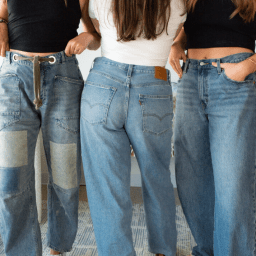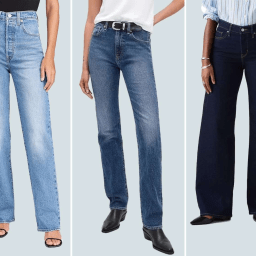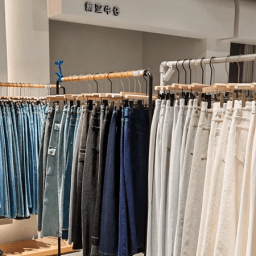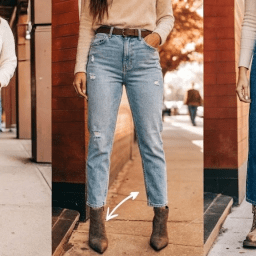

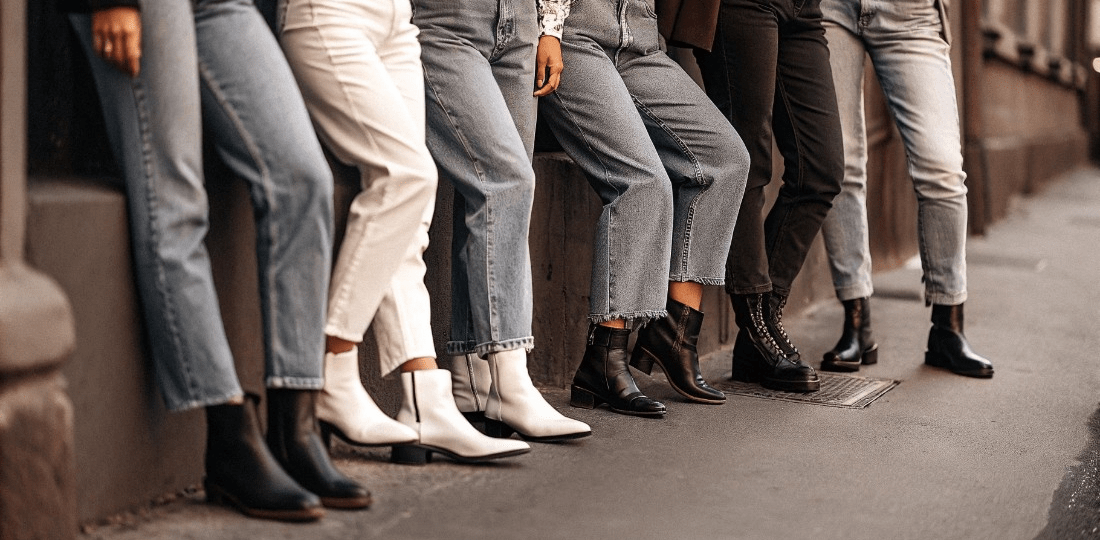
Choosing between black jeans and blue jeans is more than a style preference—it reflects brand identity, production decisions, and target market positioning. From a manufacturing perspective, blue jeans are the traditional core of denim culture, typically dyed with indigo, allowing natural fading and a unique worn-in character over time. Black jeans, often achieved through sulfur dye processes, offer a modern, sleek aesthetic but require stricter quality control to avoid issues such as uneven dyeing or unwanted odor during production.
Newasia Garment Co., Ltd. specializes in OEM and ODM denim manufacturing, providing high-quality custom washed denim apparel for fashion brands, wholesalers, retailers, and private label businesses worldwide. With extensive experience in denim washing and garment production, we help brands develop distinctive collections that balance quality, style, and market demand.
We are proud to support global fashion partners and deliver scalable denim solutions for both classic and contemporary collections.Including American Eagle Outfitters, Uniqlo, Zara, Gap, Levi’s, and Lee.
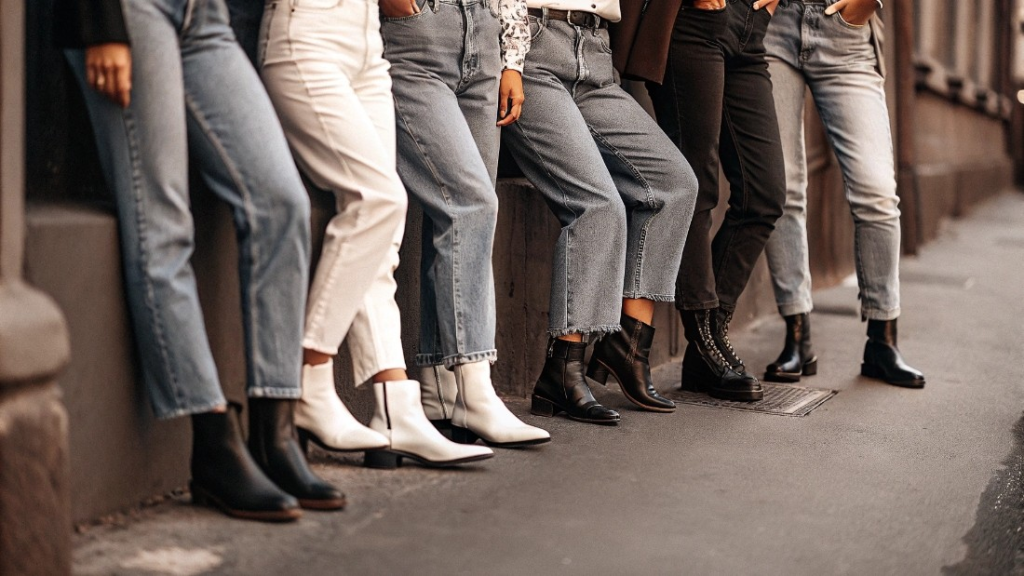
Why Are Black and Blue Jeans So Popular?
Blue jeans have been a fashion staple for decades. Their classic appearance, versatility, and connection to authentic denim culture make them a favorite among consumers of all ages.
Black jeans, on the other hand, offer a modern and sophisticated look. They can easily transition from casual wear to smart-casual occasions, making them increasingly popular among younger consumers and urban professionals.
Both styles continue to dominate global denim sales.
Which Jeans Are a Better Bet for Your Brand: Black or Blue?
When working with a limited development budget, the smartest investment is the colorway that delivers the strongest combination of versatility, storytelling potential, and long-term market appeal.
From both a production and brand-building perspective, blue jeans are the stronger foundation for a core collection. Indigo-dyed denim offers unmatched flexibility in washing and finishing, allowing brands to create a wide spectrum of looks—from deep raw indigo to heavily worn vintage styles. This makes blue denim a powerful storytelling tool, where every wash represents a different stage of life, wear, and character.
The Versatile Spectrum of Blue Denim
From a manufacturing standpoint, indigo denim is uniquely dynamic. Because indigo dye sits on the surface of the yarn, it gradually fades with wear. This controlled fading allows factories to simulate authentic aging through different washing techniques, producing effects such as stone wash, vintage fade, and heavily distressed finishes. Each variation helps build a more complete and emotionally engaging product range.
In contrast, black denim—typically dyed using sulfur-based dyes—offers a more limited finishing range. While it can fade into grey tones, it rarely achieves the same high-contrast texture effects like whiskers and honeycombs that make denim visually expressive and desirable in premium markets.
There is also a production consideration: lower-quality sulfur dye processes can sometimes lead to uneven fading or residual chemical odor if not properly managed, which can negatively impact perceived product quality and brand trust.
Ultimately, blue denim provides greater versatility, stronger heritage value, and more creative freedom in wash development, making it the safer and more scalable choice for a brand’s core collection.
Black Jeans vs Blue Jeans: What’s the Difference?
Although both are made from denim fabric, black jeans and blue jeans create very different fashion impressions.
| Feature | Black Jeans | Blue Jeans |
|---|---|---|
| Appearance | Modern and sleek | Classic and casual |
| Styling | Easy to dress up | Ideal for everyday wear |
| Popular Audience | Urban professionals, fashion-conscious consumers | Broad mainstream market |
| Seasonal Demand | Strong year-round | Strong year-round |
| Fashion Image | Premium and sophisticated | Timeless and versatile |
| Pairing Flexibility | Excellent with monochrome outfits | Works with almost any color palette |
Both styles perform well in the market, but they attract different customer profiles.
When Black Jeans Shine
Black jeans are a modern wardrobe essential, perfect for creating a sleek, edgy, or minimalist look. Unlike classic blue denim, black jeans aren’t about heritage—they’re about attitude, effortlessly dressing up for smart-casual occasions.
Quality is crucial. A premium dye and careful finishing ensure black jeans stay sharp, odor-free, and desirable. Done right, they’re not just stylish—they’re a profitable staple for any modern collection.

The Must-Have Jeans Style Right Now
Knowing the right color is only half the battle—selling successfully also means offering the silhouette customers want most. Today, that silhouette is overwhelmingly the straight-leg jean, ranging from slim-straight to classic relaxed fits. The era of the ultra-tight skinny as the default is officially over.
Why Straight-Leg Jeans Are Dominating
Production data speaks for itself: straight-leg styles now make up the majority of orders, a clear shift from the previous dominance of skinny and slim-taper fits. This reflects a broader market trend toward comfort and timeless, versatile silhouettes.
Styling Opportunities
- Vintage Blue Wash: A classic straight-leg in a heritage-inspired blue is the ultimate statement of authentic denim.
- Clean Black: The same fit in an overdyed black creates a modern, minimalist staple.
The straight-leg’s versatility allows it to tell both classic and contemporary stories, making it ideal for serving diverse customer tastes without needing multiple blocks.
For designers and retailers: a perfectly executed straight-leg jean should be your top priority this season. It’s where the market is headed—and where sales growth is waiting.
The Most Universally Flattering Jeans Style
While trends may drive short-term popularity, long-term loyalty comes from making people look and feel their best. The safest, most universally flattering choice for your brand? A mid-rise, slim-straight jean.
Why Slim-Straight Works
The slim-straight cut has proven itself time and again across thousands of fittings. It’s the ultimate problem-solver:
- Mid-rise comfort: Sits perfectly on the natural waist, avoiding the pitfalls of too-low or too-high rises.
- Slim through the thigh: Tailored close to the body for a slimming effect without feeling tight.
- Straight from knee to ankle: Falls cleanly over any footwear, from sneakers to boots, creating a long, elegant line.
This balance elongates the leg and flatters a wide range of body types. While trendier fits may come and go, the slim-straight jean is consistently loved—turning first-time buyers into repeat customers.
Consumer Trends in 2026
Fashion in 2026 continues to emphasize versatility, functionality, and conscious consumption, with denim at the center of these shifts.
- Minimalist Wardrobes
- The minimalist movement shows no signs of slowing. Consumers increasingly invest in timeless pieces that can be styled in multiple ways. Black jeans remain a go-to staple, seamlessly transitioning from casual to refined looks.
- Smart-Casual Dominance
- Flexible work environments and hybrid lifestyles have cemented the smart-casual dress code. Black denim fits effortlessly into this mix, offering a polished yet comfortable alternative to traditional business attire.
- Sustainability and Longevity
- Shoppers are making fewer, higher-quality purchases, seeking pieces that deliver on both style and durability. Jeans that are versatile, long-lasting, and easy to mix-and-match are now a key driver of consumer choice.
What Fashion Brands Are Choosing
Leading global apparel brands continue to invest heavily in both black and blue denim collections.
Successful brands recognize that different consumer segments require different denim color strategies.
As a manufacturing partner supporting international apparel programs, Newasia Garment Co., Ltd. has extensive experience producing denim products that align with evolving market trends.
Our manufacturing capabilities support diverse denim developments, including:
- Black denim collections
- Indigo denim programs
- Sustainable washing techniques
- Custom fit development
- Private label production
- OEM and ODM services
We are also proud to be a manufacturing partner for brands such as American Eagle Outfitters, Uniqlo, Zara, Gap, Levi’s, and Lee.
This experience provides valuable insight into changing consumer preferences and global denim market trends.
Choosing the Right Denim Manufacturing Partner
Whether your collection focuses on black jeans, blue jeans, or both, selecting the right manufacturing partner is critical.
The most successful apparel brands look beyond color trends and focus on long-term factors such as product consistency, innovation, supply chain reliability, and production expertise.
As global consumer preferences continue to evolve, manufacturers with proven experience in denim development will play an increasingly important role in helping brands stay competitive.
Frequently Asked Questions
Q1. Are black jeans more versatile than blue jeans?
Yes. Black jeans are often considered more versatile because they can easily transition from casual daytime outfits to smart-casual or evening looks. They pair well with a wider range of colors and typically appear more polished than traditional blue denim.
Q2. Do black jeans look more flattering than blue jeans?
Many people find black jeans more flattering because darker colors create a slimming effect and produce a cleaner silhouette. However, the most flattering choice ultimately depends on fit, wash, and personal style preferences.
Q3. When should you wear black jeans instead of blue jeans?
Black jeans are ideal for smart-casual events, dinners, date nights, and workplaces with relaxed dress codes. Blue jeans are often preferred for casual outings, weekend wear, and classic everyday styling.
Q4. Are blue jeans still in style in 2026?
Absolutely. Blue jeans remain a timeless wardrobe staple in 2026. While fashion trends evolve, classic blue denim continues to be popular because of its versatility, heritage appeal, and wide variety of washes and fits.
Q5. Why do some people prefer black jeans?
Many consumers prefer black jeans because they look modern, sophisticated, and easy to dress up. They also coordinate effortlessly with minimalist wardrobes and work well in both casual and professional settings.
Q6. Which jeans color is better for a minimalist wardrobe?
Black jeans are often the preferred choice for minimalist wardrobes. Their neutral color makes them easy to pair with different tops, jackets, and footwear, helping create multiple outfits with fewer pieces.
Q7. Do black jeans match more outfits than blue jeans?
In many cases, yes. Black jeans pair seamlessly with monochrome, neutral, and contemporary color palettes. However, blue jeans offer a classic, relaxed aesthetic that works exceptionally well with casual clothing.
Q8. Should I buy black jeans or blue jeans first?
If you’re building a versatile wardrobe, black jeans are often the best first purchase because they can be worn in more formal and casual situations. If your style leans casual and traditional, blue jeans may be the better starting point.
Conclusion
f you’re looking for timeless appeal and broad consumer acceptance, blue jeans remain the safest choice.
If you’re targeting modern fashion consumers and contemporary styling, black jeans offer strong growth opportunities.
The most successful apparel brands understand that the real answer is not choosing one color over the other—it is understanding when and where consumers prefer each option.
For fashion brands, retailers, and sourcing professionals, combining consumer insights with experienced manufacturing support is the key to building successful denim collections.
At Newasia Garment Co., Ltd., we help global brands transform denim concepts into market-ready products through reliable OEM and ODM manufacturing solutions backed by years of international production experience.
Read more
- How to Compare Clothing Manufacturer Quotes: A Cost Checklist for Apparel Brands
- How to Build Durability Tests Around High-Stress Garment Areas
- How to Control Fabric Shade Variation Before Bulk Production
- What US Apparel Brands Should Verify About Care Labels Before Bulk Production
- Size Set Approval Before Bulk Production: How to Catch Pattern Grading Problems Early