

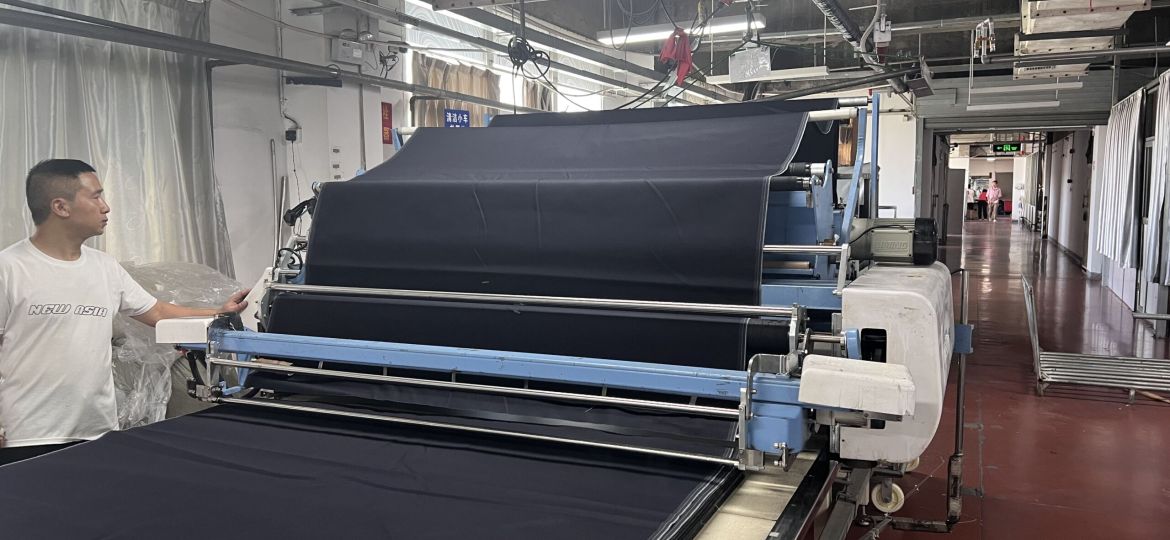
Denim has remained one of the most influential fabrics in global fashion for over a century. From its origins as durable workwear to its current status as a fashion essential across luxury runways and streetwear culture, denim continues to evolve while maintaining its core identity.
But what exactly makes denim so enduring?
Is it the rugged strength of its twill structure? The effortless comfort it gains over time? Or the way it adapts seamlessly across generations, styles, and markets?
The answer lies in a powerful combination of durability, versatility, comfort, and innovation—qualities that continue to make denim a foundation for global apparel brands.
Today, manufacturers like Newasia Garment Co., Ltd. are elevating denim production through advanced OEM/ODM services, sustainable fabric solutions, and flexible customization that allows brands to develop unique collections with low MOQ and scalable production capacity.
From boutique fashion labels to global retailers, denim remains a product where craftsmanship and innovation intersect.
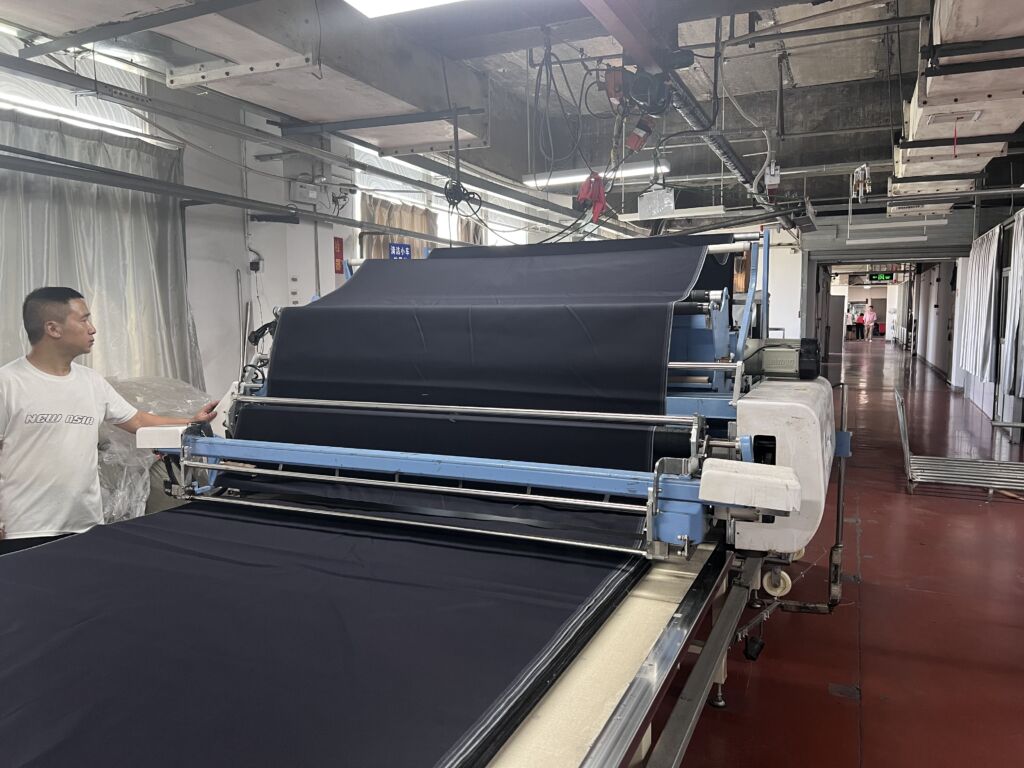
What Is Denim Fabric?
Denim is a sturdy cotton twill fabric characterized by its diagonal ribbing structure. Traditionally woven with indigo-dyed warp yarns and white weft yarns, denim offers exceptional durability, comfort, and versatility.
Originally developed for workwear in the 19th century, denim has evolved into a fashion staple used by luxury designers, streetwear brands, and everyday consumers alike.
Why Denim Remains a Global Fashion Essential
Unlike many seasonal fabrics, denim maintains year-round demand across multiple markets.
Fashion brands value denim because it offers:
- Consistent consumer demand
- Strong profit margins
- Cross-season versatility
- Long product lifecycle
- Wide demographic appeal
From premium luxury collections to mass-market retailers, denim remains a core category for apparel brands worldwide.
What Are the Key Advantages of Denim?
Denim remains one of the most enduring fabrics in fashion, valued for its durability, versatility, and timeless appeal. At Newasia Garment Co., Ltd., we leverage decades of garment manufacturing expertise to craft denim pieces that combine rugged strength with contemporary style, ensuring both quality and market relevance.
Durability and Longevity
Denim’s inherent toughness comes from its twill weave and high-quality cotton yarns, which provide excellent resistance to tearing and deformation. For premium products, Newasia Garment offers fabrics woven on shuttle looms, producing selvage denim with tightly bound edges and clean finishes that extend the life of each garment. Our finishing processes—including reinforced stitching, enzyme softening, and shape-retaining treatments—ensure every pair of jeans or jacket withstands years of daily wear.
Denim’s robust construction provides a sustainable, cost-effective investment for brands and consumers alike.
Fabric Structure: The Backbone of Strength
The strength of denim begins with its 3×1 twill weave. Unlike plain weaves, the diagonal ribbing distributes tension across multiple threads, reducing abrasion and minimizing the risk of catastrophic tears. At Newasia Garment, we source a range of denim weights to suit different applications:
- Lightweight Denim (6–10 oz): Soft, breathable, ideal for fashion tops and casual wear; moderate tensile strength.
- Midweight Denim (10–14 oz): The ideal balance for daily-use jeans and jackets; combines comfort with durability.
- Heavyweight Denim (14–21+ oz): Industrial-strength, suited for workwear, outdoor apparel, and long-lasting premium collections.
Advanced Weaving Techniques
The choice of loom affects both quality and aesthetic:
- Shuttle Looms: Produce premium selvage denim with clean, durable edges. These fabrics reflect heritage craftsmanship and superior longevity.
- Projectile Looms: Faster production but slightly looser edges, suitable for mass-market denim while maintaining reliable wear.
Finishing for Performance and Comfort
Newasia Garment applies modern finishing techniques to enhance both fabric performance and consumer appeal:
- Enzyme Washes: Remove surface fuzz, softening the fabric without weakening its structure.
- Resin Treatments: Maintain shape retention, ensuring jeans and jackets keep their cut after repeated washes.
- Reinforced Stitching: Triple-needle or safety-stitched seams reduce stress points, especially at pockets, waistbands, and crotches.
Real-World Performance Data
| Denim Type | Tear Strength (N) | Abrasion Cycles to Hole |
|---|---|---|
| Standard 12 oz | 30 | 15,000 |
| Selvage 14 oz | 45 | 25,000 |
| Stretch Blend 12 oz | 35 | 18,000 |
With proper care, high-quality denim produced by Newasia Garment Co., Ltd. can last 5–10 years of regular wear, translating to fewer replacements, lower environmental impact, and higher brand credibility.
Balancing Fashion with Function
While trend-driven washes, distressing, and acid treatments attract consumer attention, they can compromise structural integrity. Our team at Newasia Garment advises brands to combine fashionable treatments with core denim durability, ensuring products retain their functional strength without sacrificing style.
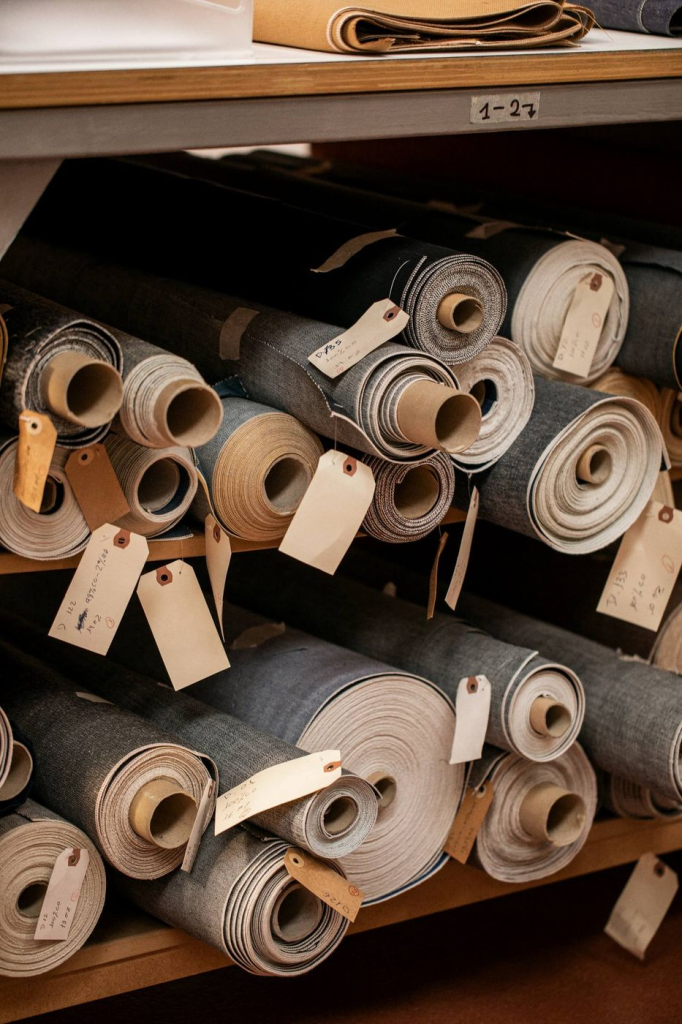
How Does Denim Achieve Both Strength and Comfort?
One of denim’s greatest advantages is its ability to balance rugged durability with everyday comfort.
Fabric Innovation
Modern denim fabrics are engineered with different compositions:
- 100% Cotton Denim: Traditional, rigid, and highly durable
- Stretch Denim (1–5% elastane): Enhanced flexibility and mobility
- Lightweight Denim: Soft and breathable for warmer climates
- Washed Denim: Pre-softened for immediate comfort
Ergonomic Garment Design
Newasia Garment Co., Ltd. integrates advanced pattern engineering to improve wearability:
- Curved waistband design to prevent gaping
- Tapered and relaxed fits for different body types
- Articulated knee construction for movement
- Soft-wash finishing for reduced stiffness
Consumer Experience
For example, a fashion brand developing a modern streetwear collection can use stretch denim for comfort-focused silhouettes while maintaining a premium structured look. This balance increases customer satisfaction and repeat purchases.
Some denim purists prefer raw, rigid denim for its long-term fading characteristics, while others prioritize immediate comfort. Both approaches remain valid depending on brand positioning.
Why Is Denim So Versatile Across Fashion Markets?
Few fabrics can transition as easily between fashion categories as denim.
Core Product Applications
- Jeans and trousers
- Jackets and outerwear
- Shirts and overshirts
- Skirts and dresses
- Shorts and streetwear pieces
Style Flexibility
Denim adapts effortlessly across aesthetics:
- Streetwear: oversized, distressed, baggy fits
- Casualwear: straight-leg and relaxed silhouettes
- Smart-casual: dark-wash minimal denim
- High fashion: experimental cuts and finishes
Seasonal Adaptability
- Lightweight denim for summer collections
- Mid-weight denim for spring/autumn wear
- Heavyweight denim for winter outerwear
This versatility allows brands to build full seasonal collections using denim as a core fabric foundation.
Newasia Garment Co., Ltd. supports this flexibility through OEM/ODM development that accommodates diverse silhouettes, washes, and branding requirements.
How Is Modern Denim Manufacturing Becoming More Sustainable?
Sustainability is now a defining factor in denim production worldwide.
Eco-Friendly Innovations
Modern manufacturing reduces environmental impact through:
- Ozone washing systems (reducing water usage significantly)
- Laser fading technology (chemical-free distressing)
- Enzyme washing for reduced harsh chemicals
- Water recycling systems in production facilities
Sustainable Materials
- Organic cotton
- Recycled cotton blends
- Recycled polyester for stretch denim
- TENCEL™ blended fabrics for softness and breathability
Industry Standards
Responsible denim production follows certifications such as:
- OEKO-TEX® Standard
- GOTS (Global Organic Textile Standard)
- Bluesign® approved processes
Newasia Garment Co., Ltd. works with controlled supply chains and certified material partners to support environmentally responsible production while maintaining product quality and consistency.
However, industry experts continue to emphasize the importance of transparency, as “greenwashing” remains a concern in global fashion supply chains.
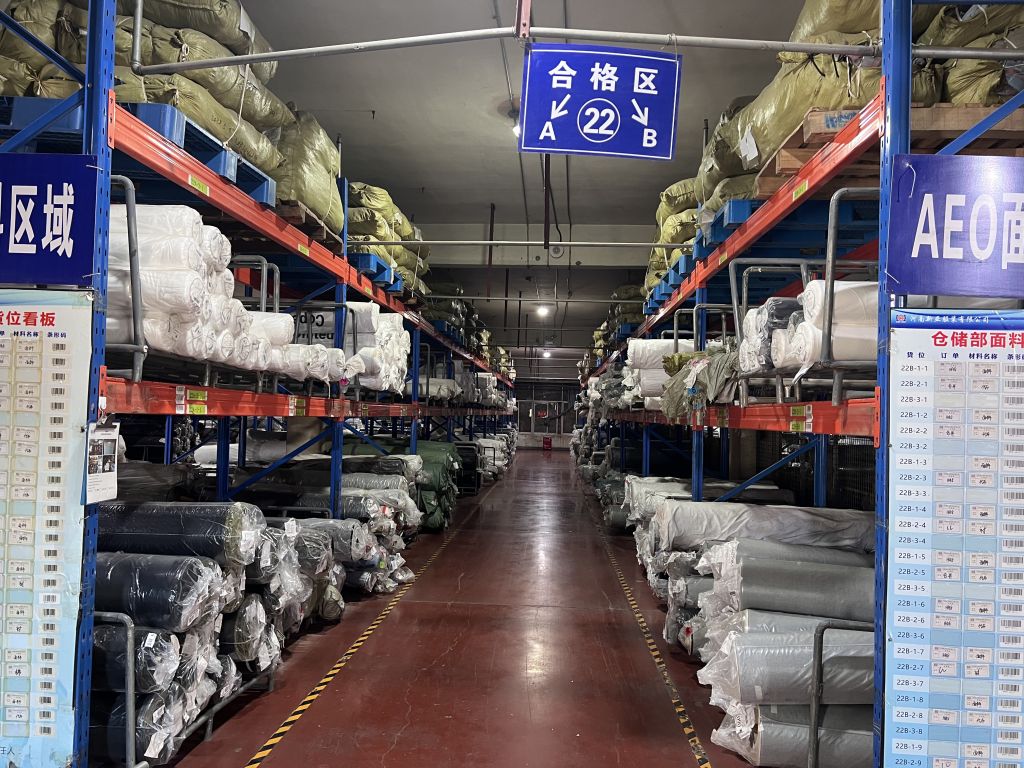
Why Is OEM/ODM Manufacturing Critical for Denim Brands?
In today’s competitive apparel market, OEM/ODM services are essential for brand differentiation and scalability.
Product Development Workflow
- Concept development & tech pack design
- Fabric sourcing and selection
- Sample development and fitting
- Wash testing and finishing approval
- Bulk production planning
- Quality inspection and packaging
Customization Capabilities
Newasia Garment Co., Ltd. provides full customization options:
- Custom denim fabrics and weights
- Unique washes and fading effects
- Branded rivets, buttons, and trims
- Private label tags and packaging
- Embroidery, printing, and patchwork design
Flexible Production Scale
- Low MOQ production for startups (from small test runs)
- Medium-scale manufacturing for growing brands
- Large-volume production for established retailers
Quality Control
Strict inspection systems ensure consistency in:
- Stitching quality
- Color matching
- Fabric shrinkage control
- Fit accuracy across size ranges
This allows brands to launch confidently while maintaining production stability.
Choosing the Right Denim Manufacturing Partner
While denim offers many advantages, product success ultimately depends on manufacturing quality.
Key factors buyers should evaluate include:
- Fabric sourcing capabilities
- Quality control systems
- Sample development speed
- Production capacity
- Sustainability standards
- Experience with international brands
Why Choose Newasia Garment Co.,Ltd.
Newasia Garment Co.,Ltd. is a professional garment manufacturer specializing in high-quality apparel production for international fashion brands.
Extensive Manufacturing Experience
With years of industry expertise, Newasia Garment Co.,Ltd. provides comprehensive garment manufacturing solutions tailored to the needs of global apparel companies.
Trusted by International Brands
We are also a partner of brands such as American Eagle Outfitters, Uniqlo, Zara, Gap, Levi’s, and Lee.
Our expertise includes:
- Sustainable garment solutions
- Denim jeans manufacturing
- Denim jackets
- OEM and ODM services
- Product development
- Private label production
Advanced Denim Manufacturing Capabilities
Our production facilities support a wide range of denim products, including:
- Denim jeans
- Denim jackets
- Denim shirts
- Denim skirts
- Custom fashion collections
Strict Quality Assurance
Every production stage undergoes rigorous quality inspections to ensure consistency, durability, and compliance with international standards.
Sustainable Production Solutions
Newasia Garment Co.,Ltd. actively supports sustainable manufacturing practices through responsible sourcing and environmentally conscious production methods.
Frequently Asked Questions
Q1:Why is denim so popular?
Denim combines durability, comfort, versatility, and timeless style, making it one of the most universally accepted fabrics in global fashion. It works across seasons, demographics, and fashion categories.
Q2:Is denim environmentally friendly?
Modern denim manufacturing is becoming increasingly sustainable through recycled fibers, water-saving technologies, laser finishing, and responsible sourcing practices. Many factories now follow strict environmental standards.
Q3:Why do fashion brands choose denim?
Denim offers strong consumer demand, long product life cycles, versatile design applications, and reliable retail performance across both premium and mass markets.
Q4:How do I choose a reliable denim manufacturer?
Look for proven production experience, strict quality control systems, compliance certifications, global brand partnerships, and the ability to scale production efficiently.
Q5:What types of denim products can manufacturers produce?
Manufacturers can produce jeans, jackets, skirts, shirts, shorts, and custom fashion collections with different washes, fits, and fabric weights.
Q6:What is OEM/ODM in denim manufacturing?
OEM (Original Equipment Manufacturing) produces garments based on a brand’s design, while ODM (Original Design Manufacturing) offers ready-made designs that brands can customize and label.
Q7:What is the typical MOQ for denim production?
MOQ varies by factory and product type, but many modern manufacturers now offer flexible low-MOQ solutions to support startups and small brands.
Q8:How long does denim production take?
Production timelines typically range from a few weeks to a couple of months depending on design complexity, fabric sourcing, and order quantity.
Q9:Can denim be customized for different markets?
Yes, denim can be customized in terms of fit, fabric composition, wash effects, stitching, branding, and packaging to meet different regional market preferences.
Q10:What quality standards apply to denim manufacturing?
Common standards include OEKO-TEX®, GOTS, and Bluesign®, along with internal quality control systems to ensure consistency and durability.
Conclusion
Denim continues to dominate global fashion because it successfully combines durability, comfort, versatility, and timeless appeal. Its ability to evolve with cultural trends while maintaining core structural integrity makes it one of the most valuable fabrics in apparel manufacturing.
As consumer expectations rise, success in denim production depends on innovation, sustainability, and customization.
Newasia Garment Co., Ltd. supports global apparel brands with full OEM/ODM denim manufacturing solutions, including custom jeans, jackets, and fashion denim collections. With flexible MOQ options, advanced production systems, and professional development support, Newasia helps brands transform creative ideas into commercially successful products.
Ready to develop your next denim collection?
Contact Newasia Garment Co., Ltd. today to explore custom denim solutions, request samples, and start building your brand’s next best-selling product line.
Read more
- How to Investigate a Garment Quality Claim: From Symptom to Root Cause and CAPA
- Garment Packaging Quality Control: Preventing Creases, Print Damage and Shape Distortion
- How to Validate Pocket Function and Placement Before Bulk Production
- How to Standardize Fabric Hand Feel Across Production Lots
- Movement Fit Testing for Apparel: How to Check Ride-Up, Slippage, and Range of Motion