
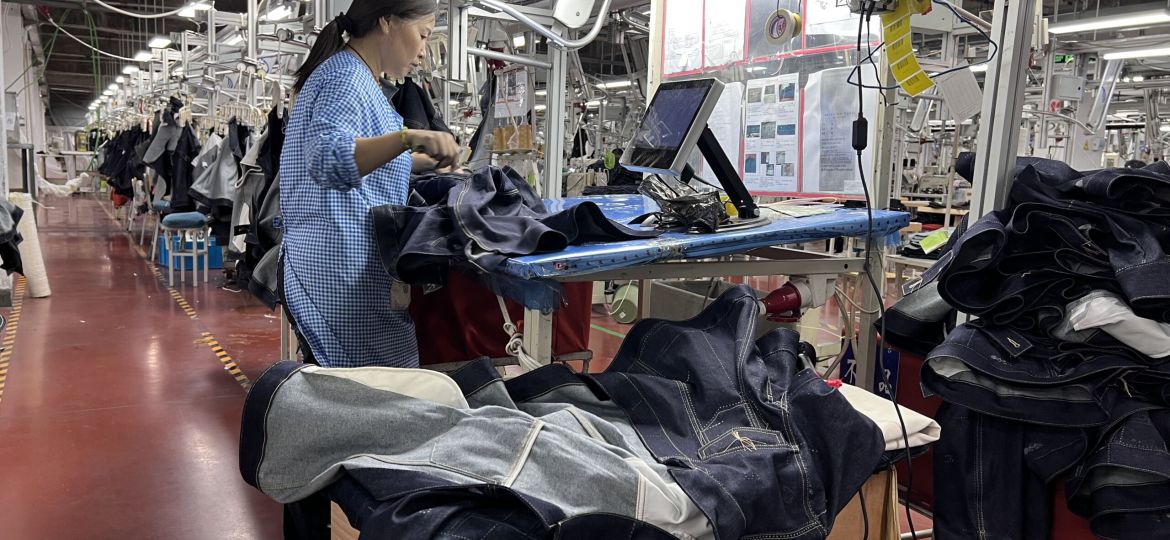
Are you looking to import custom jeans from China for your fashion brand or retail business? As global fashion brands continue to optimize their supply chains, China has long been a global hub for high-quality denim manufacturing, offering flexible B2B OEM solutions. However, choosing the right OEM denim factory is not simply about finding the lowest price. Buyers today care more about product consistency, production capability, compliance standards, and long-term reliability.
At Newasia Garment Co.,Ltd., we support fashion brands, wholesalers, retailers, and startups with OEM and private label denim manufacturing solutions tailored for international markets.
We are also a partner of brands such as American Eagle Outfitters, Uniqlo, Zara, Gap, Levi’s, and Lee.
With years of experience in denim development and bulk production, our team understands the real challenges buyers face when importing custom jeans from China.
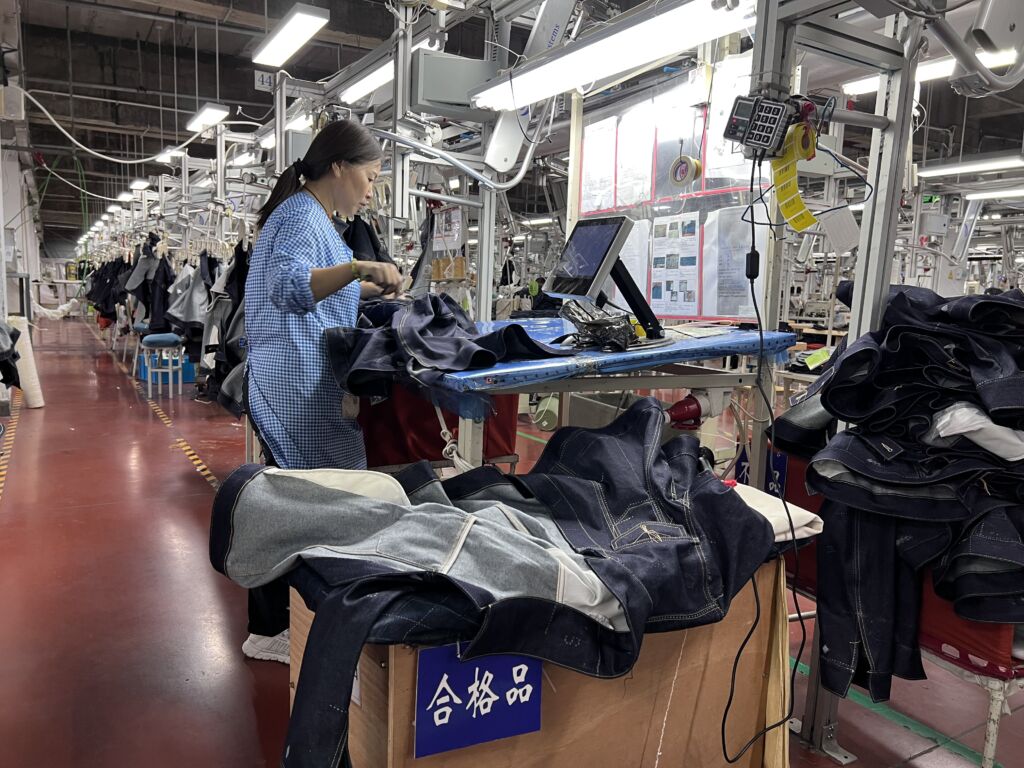
Why Import Custom Jeans from China?
China is home to thousands of denim manufacturers that cater to B2B orders, from small batches to large-scale production. Here’s why importing custom jeans from China can benefit your business:
- Cost Efficiency: Lower manufacturing and labor costs compared to Western countries.
- Customizable Options: Fabrics, washes, fits, embroidery, and labels can all be tailored.
- Scalability: Reliable manufacturers can scale production as your brand grows.
- Access to OEM Factories: Directly work with factories that offer OEM (Original Equipment Manufacturer) services.
By sourcing directly from Chinese OEM factories, you can maintain brand exclusivity and quality control.
Global Brands Choose China for Denim Manufacturing
China continues to dominate global denim production because of its mature supply chain ecosystem. From fabric sourcing and washing technology to trims and bulk logistics, Chinese denim factories can offer faster turnaround and better production flexibility than many other regions.
Key advantages include:
- Advanced denim washing capabilities
- Strong fabric sourcing network
- Competitive OEM pricing
- Skilled garment technicians
- Flexible MOQ options
- Faster sample development
- Efficient export infrastructure
Regions such as Guangdong have become major hubs for premium denim manufacturing, especially for fashion brands seeking trend-driven jeans production.
How Can I Verify My Supplier’s Factory Certifications and Capacity?
Trust but verify. Don’t rely on brochures alone. Ask for clear scans of certifications like BSCI, WRAP, and OEKO-TEX®, then verify the certificate numbers or QR codes on official databases.
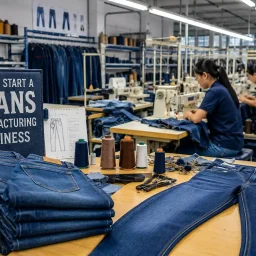
For capacity, don’t just ask for annual output. Confirm how many production lines they have and their real monthly capacity. Request a live video tour of the factory to see machines and workers in action.
Finally, check their export experience by asking for recent client case studies or references from your market.
4 Quick Verification Steps
- Verify certifications (BSCI, WRAP, OEKO-TEX®)
- Confirm real monthly production capacity
- Request a live factory video tour
- Check client references and export experience
What Technical Details Should I Provide for Precise Sample Prototyping?
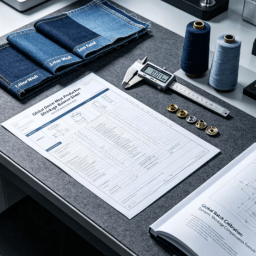
A detailed technical pack (tech pack) is essential for avoiding costly sample errors. This should include:
- Size chart: Every measurement (waist, hips, inseam, rise, leg opening).
- Fabric and trims: Material composition, weight, washes, and brands (e.g., “YKK brass zipper”).
- Colors: PANTONE codes for thread and prints.
- Artwork: Vector files for embroidery or prints with exact placement and dimensions.
- Instructions: Step-by-step sewing and decorative details.
The more detail you provide, the closer the first sample will match your vision.
How Do I Lock in Lead Times and Avoid Delays?
Simply asking for a 45-day lead time is not enough. You need a structured schedule:
- Logistics readiness: Confirm they have a partner and can handle customs documentation.
- Break down production stages: Fabric sourcing → Cutting → Sewing → Washing → QC → Packing.
- Penalty clauses: Include clear terms for delays in your contract.
- Communication plan: Weekly progress updates with photos or short videos.
What Inspection Process Will You Use to Control Quality?
A strong supplier uses a multi-stage inspection process. Ask for details of their AQL (Acceptable Quality Limit) standards and defect handling policies.
QC Process Checklist:
| QC Stage | Purpose | Your Key Question |
|---|---|---|
| Pre-Production | Inspects all fabrics and trims | “How do you ensure the fabric meets my specs before cutting?” |
| In-Line Check | Detects errors during sewing | “How often do you inspect garments during production?” |
| Final Inspection | Checks finished goods against AQL | “What is your AQL for major and minor defects?” |
| Defect Policy | Defines rework or replacement | “How do you handle defective units?” |
Always reserve the right to hire a third-party inspection service like SGS or Intertek for independent verification.
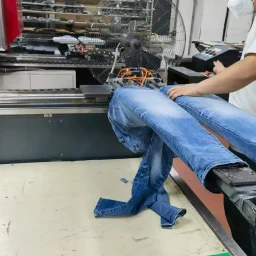
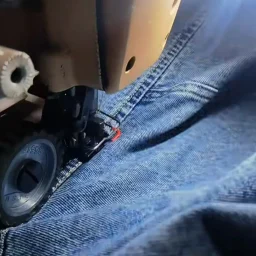
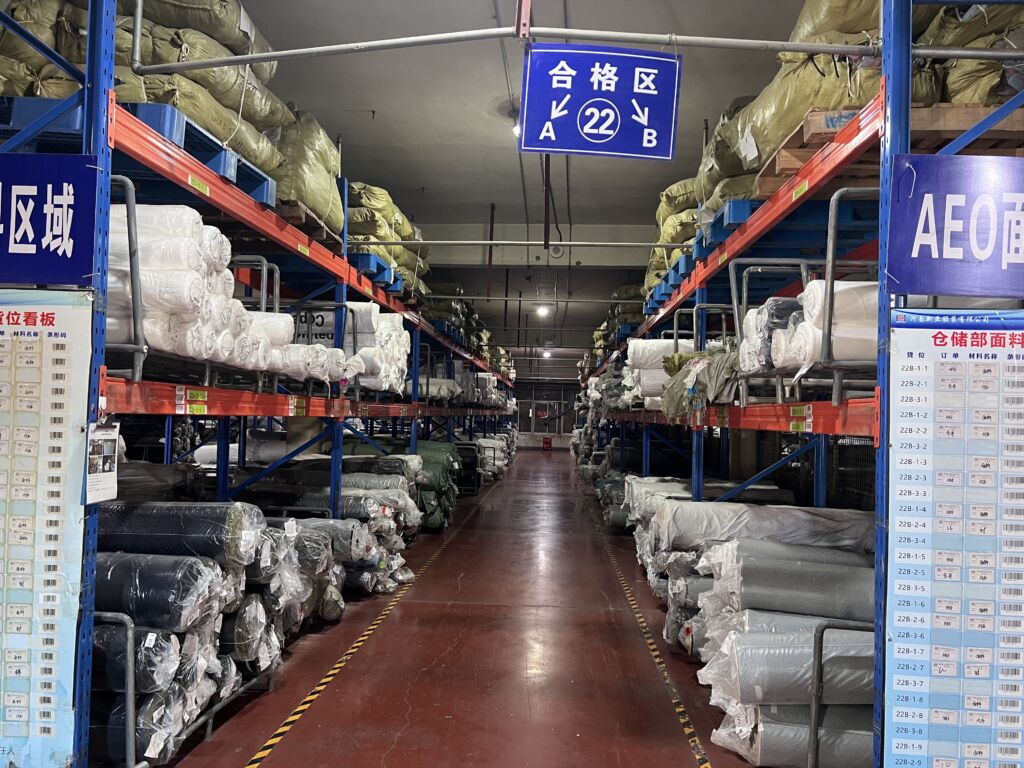
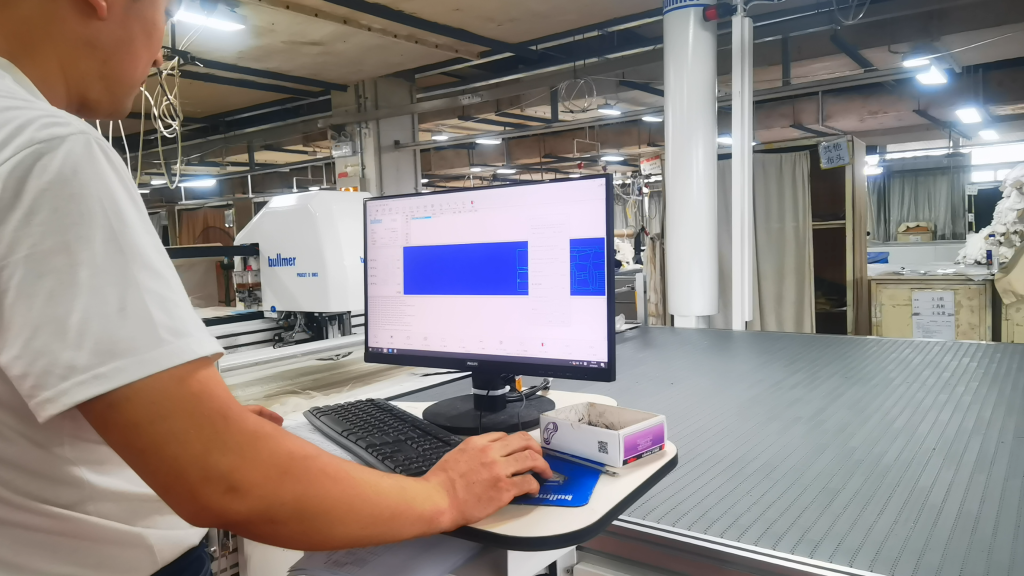
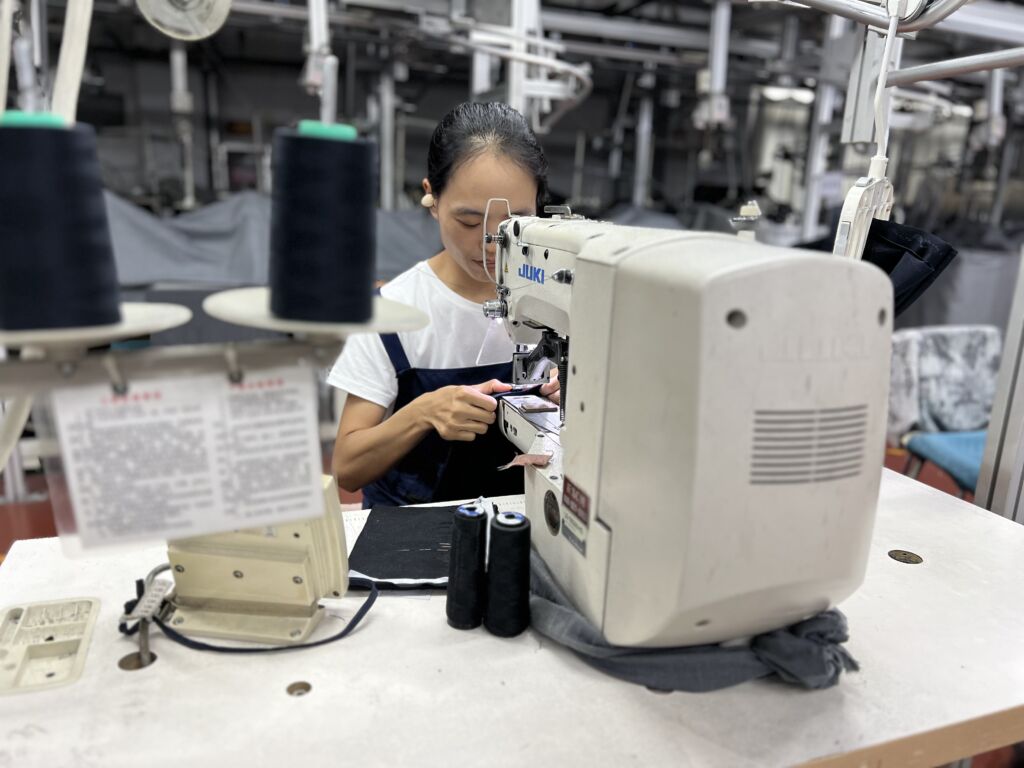
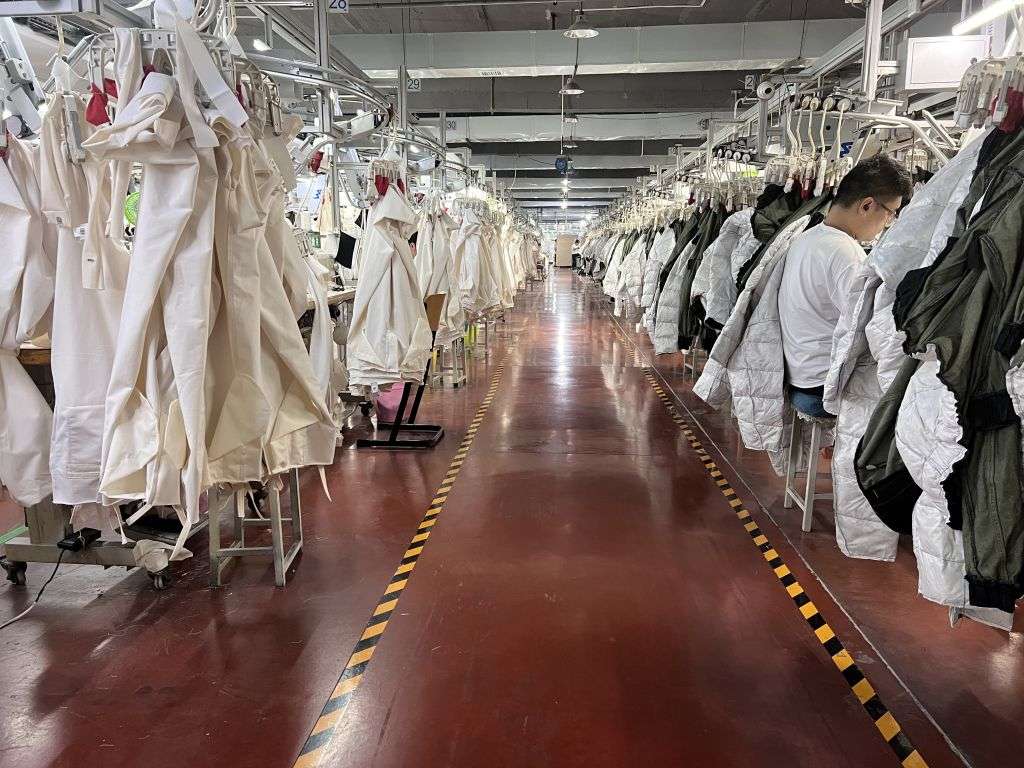
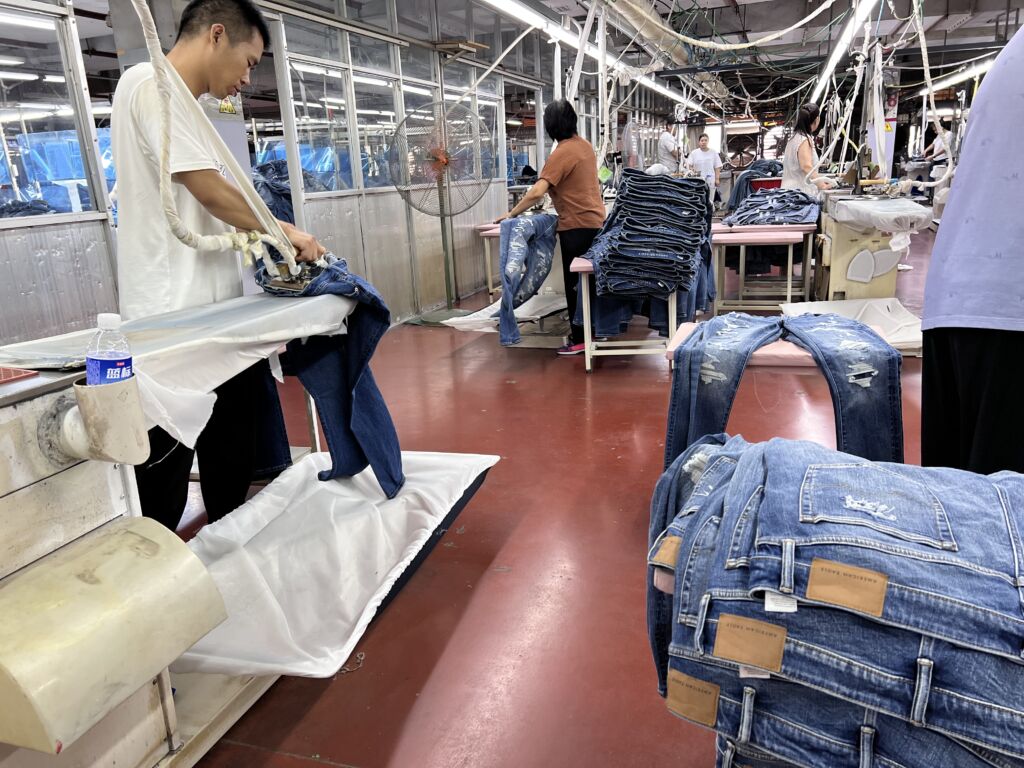
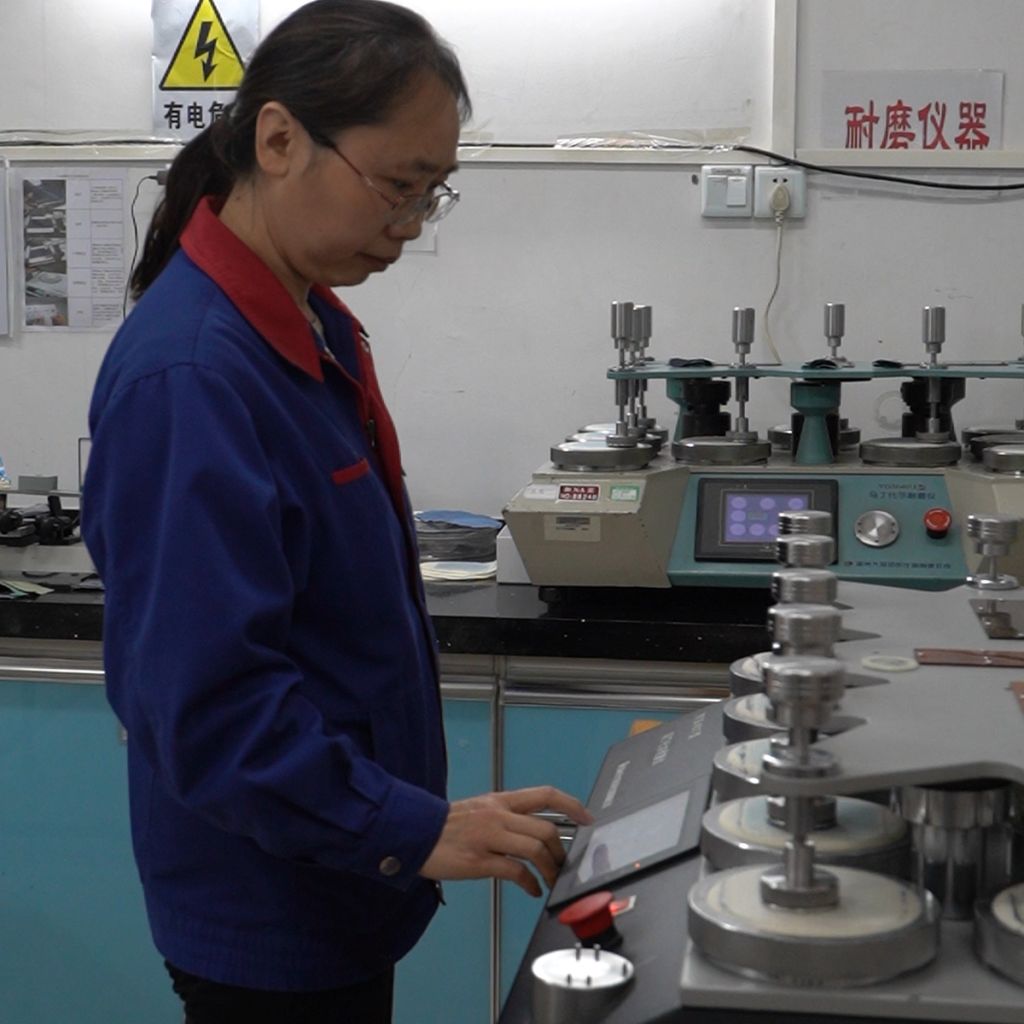
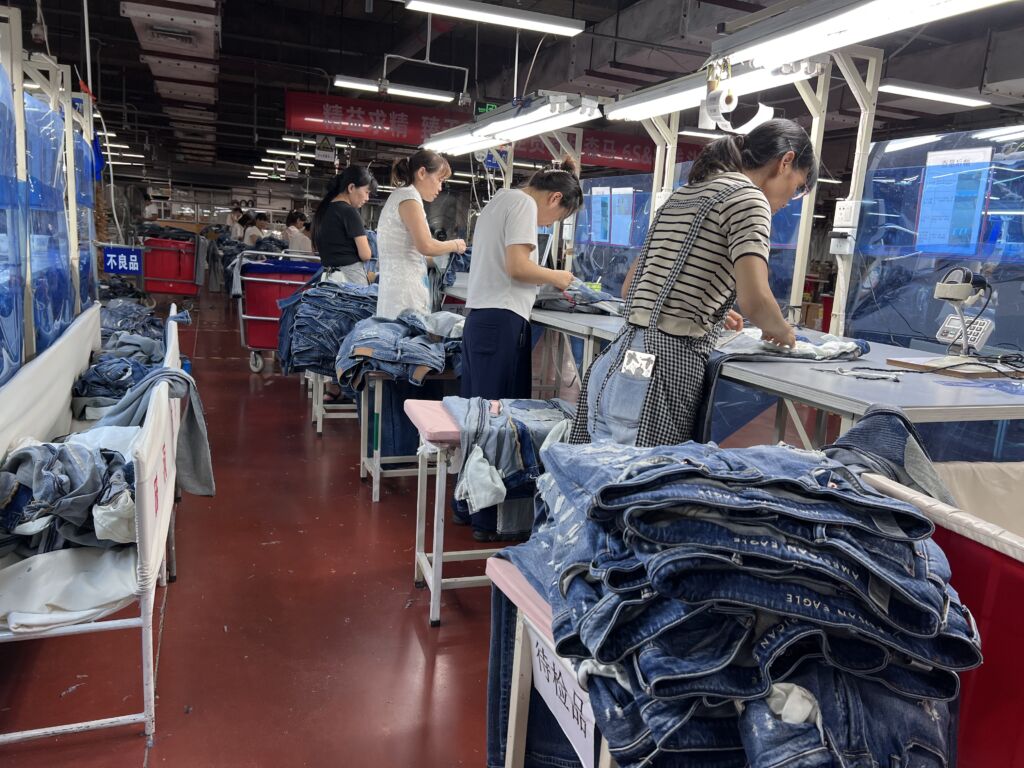
Quality-Focused Production Process
From fabric selection to final finishing, every step is carefully managed to deliver durable, well-crafted, and visually refined garments.
Can the Factory Handle Premium Denim Washes?
Denim washing is one of the most technically demanding parts of jeans production.
Buyers should confirm whether the factory can produce:
- Stone wash
- Enzyme wash
- Vintage wash
- Laser distressing
- Eco washing
- Resin finishing
Poor washing control can create serious color inconsistency issues during bulk production.
At Newasia Garment Co.,Ltd., our washing development team works closely with brands to maintain wash consistency and reduce production risks.
How Does the Factory Control Size Consistency?
Sizing inconsistency is one of the biggest causes of customer returns in denim products.
Professional OEM factories usually implement:
- Pre-production sample approval
- Wash shrinkage testing
- Inline QC inspections
- Final measurement audits
Our production team follows strict quality procedures to maintain fit consistency across bulk orders.
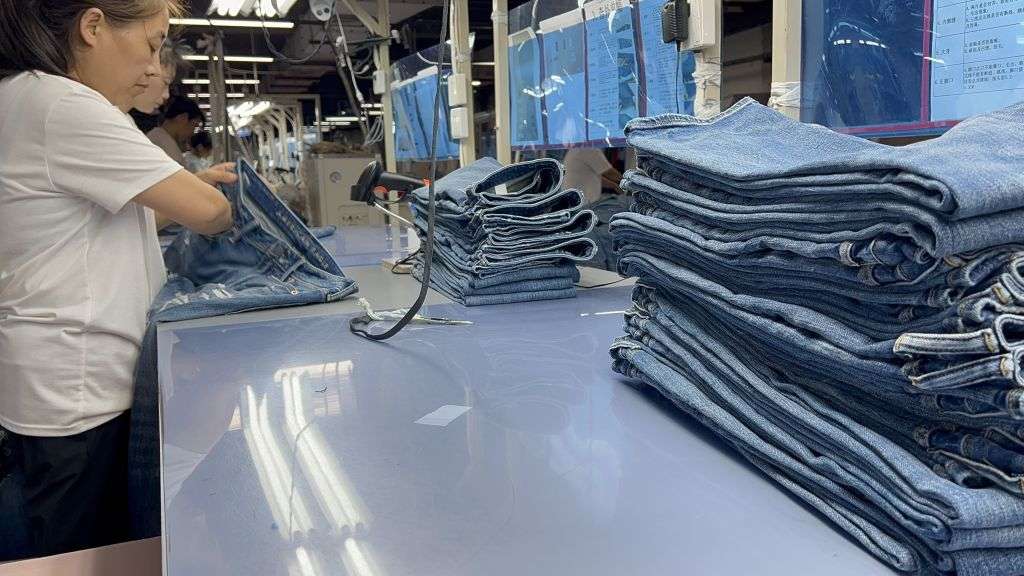
Leading Jeans Fabrics Used by Chinese Manufacturers
| Fabric Type | Characteristics | Usage |
|---|---|---|
| Organic Cotton Denim | Sustainable, soft, breathable | Eco-conscious fashion lines |
| Stretch Denim (Cotton + Spandex) | Comfortable, flexible | Casual and activewear |
| Recycled Fabrics | Made from recycled cotton or plastics | Sustainable collections |
| Selvage Denim | Durable, premium finishing | Premium and vintage jeans |
Why Global Brands Work with Newasia Garment Co.,Ltd.
Newasia Garment Co.,Ltd. provides one-stop OEM and ODM garment manufacturing solutions for global fashion brands.
Our strengths include:
- Over 39 years of apparel manufacturing experience
- OEM & ODM development support
- Flexible MOQs
- Advanced washing and printing capabilities
- International quality standards
- Stable production capacity
- Strong export experience
- Professional merchandising support
- Reliable delivery management
We proudly support international brands and retailers with premium apparel manufacturing solutions designed for long-term growth.
How Long Does Sampling and Production Take?
Typical timelines may include:
- Sample development: 5–12 days
- Bulk production: 15–30 days
However, timelines vary depending on washing complexity, fabric sourcing, and order quantity.
Experienced OEM factories should provide clear production schedules and milestone updates throughout the project.
What Quality Control Systems Are Used?
Professional denim manufacturing requires strict quality management.
Key QC stages include:
- Fabric inspection
- Inline sewing inspection
- Washing quality control
- Final garment inspection
- Packing inspection
At Newasia Garment Co.,Ltd., quality control is integrated into every stage of production.
Asia Small Brand Success Story
Many small brands choose Asian jeans manufacturers because they offer low MOQs, flexible customization, and competitive pricing. With orders starting as low as 300 pieces, brands can test new styles and washes without large upfront costs or excess inventory.
Asian factories also invest heavily in advanced denim technology and sustainable production, helping brands create premium-quality jeans with unique finishes. Reliable delivery and strong production support make it easier for growing brands to scale quickly.
When choosing a denim manufacturer, consider:
- MOQ and production costs
- Quality and customization options
- Sustainability and certifications
- Lead times and communication
The right manufacturing partner helps your brand grow with lower risk and greater flexibility.
FAQ About Importing Custom Jeans
Q1: Who manufactures your custom jeans?
We partner with trusted factories across China that specialize in denim production. All facilities are audited for quality, compliance, and production reliability.
Q2: What is your Minimum Order Quantity (MOQ)?
We offer flexible MOQs to support emerging brands:
- Standard custom designs: 300 units per style per color
- Highly technical garments (special washes, embroidery): 300–500 units
- Mix-and-match sizes and colors within the same style is possible for added flexibility
Q3: What services do you offer?
Full-cycle support for your denim line, including:
- Sourcing: Fabrics, trims, and hardware from local and global suppliers
- Manufacturing: Custom production with multiple quality control checkpoints
- Design & Development: Tech pack creation, fit advice, and style guidance
- Logistics: Shipping coordination to your warehouse or 3PL
- Sustainability Consulting: Eco-friendly fabrics, ethical production practices
Q4: Can I fully customize my jeans?
Yes, we offer both OEM (your design, our production) and ODM (customized templates) models. Options include:
- Fabric type and wash
- Fit and sizing
- Printing and embroidery
- Hardware (buttons, rivets, zippers)
- Labels, hangtags, and branded packaging
Q5: What sustainability practices do you follow?
We prioritize responsible manufacturing through:
- BSCI-certified ethical labor practices
- GOTS-certified organic cotton and recycled materials
- OEKO-TEX® certified dyes and processes
- Energy-efficient production technologies
Q6: What are your lead times?
- Samples: 5-10 days
- Custom orders: 15–30 days, depending on design complexity
- Express options: Available at premium pricing
Q7: What is your production capacity?
Our facilities employ over 12,000 skilled workers with a daily output exceeding 100,000 pieces. We can handle orders from 100 units up to 50,000+ across:
- Denim jeans
- Jackets and casual wear
- Technical and specialty garments
Q8: Where are your jeans produced?
Our vertically integrated factories are based in China, with global manufacturing partnerships. All production is closely supervised by our quality control team to ensure consistent, high-quality jeans for every order.
Conclusion
Finding the right clothing manufacturer is about more than price.
The right manufacturing partner should provide:
- Transparent certifications
- Stable production capacity
- Professional sample development
- Reliable lead times
- Strict quality control
- Clear communication
At Newasia Garment Co.,Ltd., we believe long-term partnerships are built on trust, quality, and consistency.
By asking the right questions before production begins, brands can reduce risks, improve product quality, and confidently scale their business with a reliable apparel manufacturing partner.
Read more
- How to Investigate a Garment Quality Claim: From Symptom to Root Cause and CAPA
- Garment Packaging Quality Control: Preventing Creases, Print Damage and Shape Distortion
- How to Validate Pocket Function and Placement Before Bulk Production
- How to Standardize Fabric Hand Feel Across Production Lots
- Movement Fit Testing for Apparel: How to Check Ride-Up, Slippage, and Range of Motion