
As sustainability becomes a major focus in the fashion industry, many brands and manufacturers are looking to source organic cotton for heavy T-shirts. But how do you ensure you’re getting high-quality material? Understanding the sourcing process helps businesses produce durable, eco-friendly garments while maintaining quality.
Sourcing organic cotton for heavy T-shirts is important because it guarantees durability, comfort, and sustainability. Unlike conventional cotton, organic cotton is grown without synthetic pesticides or fertilizers, reducing its environmental impact while producing a stronger, softer fiber suitable for heavier garments. However, sourcing can be more expensive and availability may vary depending on certification and supplier capacity.
Organic cotton is a great material for T-shirts because it is softer, more breathable, and environmentally friendly. Unlike conventional cotton, it is grown without synthetic pesticides or fertilizers, reducing its ecological impact. However, it is more expensive and may have limited availability.
At Newasia Garment Co., Ltd., we specialize in producing heavy T-shirts using certified organic cotton while maintaining the highest quality standards. With partnerships with American Eagle Outfitters, Uniqlo, Zara, Gap, Levi’s, and Lee, we provide reliable sourcing and manufacturing solutions for global brands, ensuring both sustainability and consistent product quality.
What is organic cotton for heavy T-shirts, and how is it different from regular cotton?
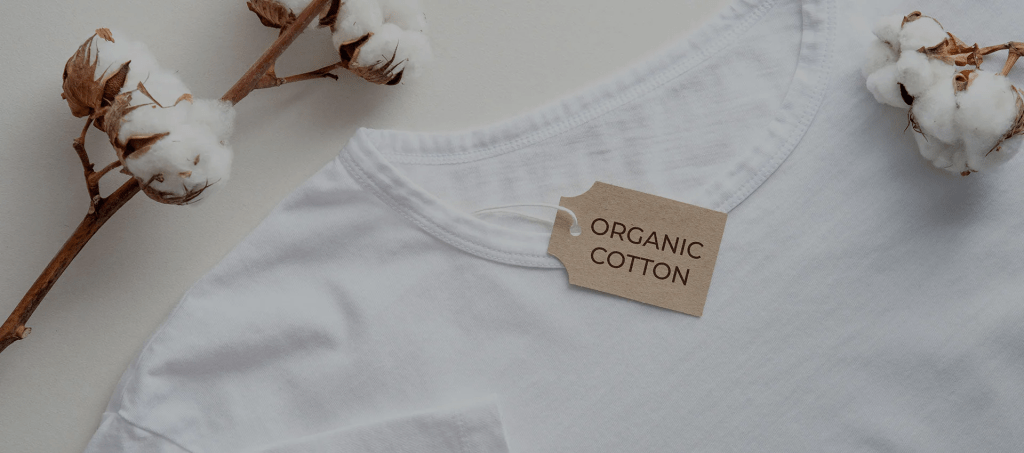
Organic cotton for heavy T-shirts is grown using environmentally friendly farming methods that avoid harmful chemicals, while producing fibers durable enough for thicker, long-lasting garments.
Unlike conventional cotton, organic cotton is cultivated without pesticides, synthetic fertilizers, or genetically modified seeds. This reduces soil degradation, water pollution, and chemical exposure for farmers, while providing a strong, breathable fabric ideal for heavy T-shirts.
How is organic cotton grown for heavy T-shirts?
| Process | Organic Cotton (Heavy T-Shirts) | Conventional Cotton |
|---|---|---|
| Farming Method | Grown without synthetic pesticides or fertilizers | Uses chemical fertilizers and pesticides |
| Water Consumption | Uses rain-fed irrigation when possible and optimized for soil health | Requires high water usage and intensive irrigation |
| GMOs | Non-GMO seeds | Often genetically modified for higher yield |
| Fiber Strength | Long-staple cotton fibers for durability in heavy T-shirts | Standard cotton fibers, may be weaker for thicker garments |
| Environmental Impact | Sustainable, improves soil fertility, reduces chemical runoff | Causes soil depletion, water pollution, and chemical exposure |
Organic cotton for heavy T-shirts is certified by organizations like GOTS (Global Organic Textile Standard) to ensure sustainability, fiber quality, and ethical practices throughout the supply chain.
Tips for Sourcing Organic Cotton for Heavy T-Shirts
- Partner with experienced manufacturers, like Newasia Garment Co., Ltd., who specialize in producing heavy T-shirts using certified organic cotton.tations.
- Work with certified suppliers to ensure authenticity and compliance with sustainability standards.
- Prioritize long-staple fibers for durability and quality suitable for heavy garments.
- Plan ahead for seasonal collections, as organic cotton availability can be limited.
- Verify certifications and request documentation from suppliers to maintain supply chain transparency.
Why Organic Cotton Matters for Heavy T-Shirts
Heavy t-shirts are typically made from thicker fabrics ranging from 180gsm to 300gsm. Using organic cotton enhances these qualities by:
- Environmental Benefits: Grown without harmful pesticides or synthetic fertilizers, reducing soil and water contamination.
- Superior Comfort: Softer fibers result in comfortable, breathable t-shirts suitable for all seasons.
- Durability: Organic cotton fibers are long and strong, making heavy t-shirts more resistant to wear and tear.
Sourcing high-quality organic cotton is essential to create heavy t-shirts that stand out in both quality and sustainability.
What Are the Benefits of Using Organic Cotton for Heavy T-Shirts?
Organic cotton offers multiple advantages, especially for brands focusing on sustainable and durable fashion.
Organic cotton heavy T-shirts are stronger, more breathable, and environmentally friendly compared to conventional cotton. The fibers are long-staple and robust, making them ideal for thicker garments that retain shape and durability.
Why is organic cotton great for heavy T-shirts?
| Benefit | Description |
|---|---|
| Durable & Long-Lasting | Strong, long-staple fibers withstand frequent washes and maintain shape for years. |
| Breathable & Comfortable | Absorbs moisture and allows airflow, keeping heavier T-shirts comfortable for daily wear. |
| Hypoallergenic | Free from pesticides and synthetic chemicals, gentle on sensitive skin. |
| Eco-Friendly | Grown sustainably without harmful chemicals, protecting soil, water, and ecosystems. |
| Premium Quality Fabric | Minimal chemical processing preserves fiber strength and thickness for heavy garments. |
For brands and consumers who value durability, comfort, and sustainability, organic cotton heavy T-shirts provide a premium, eco-conscious alternative to conventional heavy T-shirts.
Is Organic Cotton Durable for Heavy T-Shirts?
Durability is a key factor when selecting fabric for thicker, everyday wear garments.
Organic cotton is durable and ideal for heavy T-shirts, but it requires special care. Since it lacks chemical treatments, it may shrink slightly after washing and benefits from gentle handling to maintain its lifespan.
How does organic cotton compare in durability for heavy T-shirts?
| Feature | Organic Cotton (Heavy T-Shirts) | Regular Cotton |
|---|---|---|
| Fabric Strength | Naturally strong, long-staple fibers ideal for heavy garments | Chemically treated for durability but may be less breathable |
| Shrinkage | Higher if not pre-washed or handled gently | Lower due to chemical treatments |
| Longevity | Lasts long with proper care and retains shape | Can last long but may lose softness or comfort over time |
| Feel Over Time | Becomes softer and more comfortable with each wash | May stiffen due to chemical processing |
Proper care—cold water washing, air drying, and avoiding harsh detergents—helps heavy T-shirts maintain their shape and strength.
How Does Organic Cotton Affect the Environment?
Organic cotton farming is significantly better for the planet than conventional cotton production.
Compared to regular cotton, organic cotton uses less water, avoids harmful chemicals, and supports healthy soil ecosystems.
What are the environmental benefits of organic cotton for heavy T-shirts?
| Environmental Factor | Organic Cotton | Regular Cotton |
|---|---|---|
| Water Usage | Up to 91% less water used | High water consumption |
| Pesticides & Chemicals | No toxic chemicals applied | Heavy pesticide and fertilizer use |
| Soil Health | Supports biodiversity & soil fertility | Causes soil depletion and erosion |
| Carbon Footprint | Lower emissions due to sustainable farming | High carbon footprint from chemical production |
Choosing organic cotton reduces water waste, protects wildlife, and promotes ethical farming practices—while producing durable heavy T-shirts.
Why is Organic Cotton More Expensive than Regular Cotton?
Organic cotton heavy T-shirts often cost more due to labor-intensive farming and certification costs.
What makes organic cotton more expensive?
| Cost Factor | Impact on Price |
|---|---|
| Lower Crop Yield | Organic farms produce less cotton per acre |
| No Chemical Fertilizers | Farming is slower and requires more manual labor |
| GOTS Certification | Cost of maintaining organic standards and verification |
| Fair Wages for Farmers | Ethical practices ensure better working conditions |
On average, an organic cotton heavy T-shirt may cost $20–$40, compared to $10–$20 for a regular cotton heavy T-shirt.
How Does Organic Cotton Compare to Other Sustainable Fabrics?
While organic cotton is excellent for heavy T-shirts, other sustainable fabrics offer unique benefits.
| Fabric | Pros | Cons |
|---|---|---|
| Organic Cotton | Soft, breathable, durable for heavy T-shirts | Higher cost, may shrink if not pre-washed |
| Bamboo | Soft, moisture-wicking | Requires chemical processing |
| Hemp | Extremely durable, naturally antibacterial | Coarser texture, more expensive |
| Recycled Polyester | Reduces plastic waste, durable | Less breathable, synthetic feel |
For heavy, comfortable, and eco-friendly T-shirts, organic cotton is usually the best choice.
Should You Choose Organic Cotton for Your Heavy T-Shirt Line?
If sustainability and ethical production are priorities, organic cotton is an excellent choice.
Organic cotton heavy T-shirts are perfect for brands targeting eco-conscious consumers, premium quality apparel, and ethical fashion.
Who Benefits from Organic Cotton Heavy T-Shirts?
✅ Eco-conscious consumers seeking sustainable fashion.
✅ People with sensitive skin needing hypoallergenic fabrics.
✅ Brands producing premium-quality heavy T-shirts with natural fibers.
✅ Businesses promoting fair-trade and ethical practices.
For brands focused purely on affordable mass production, organic cotton may not be the most cost-effective choice, but it delivers long-term value, durability, and environmental credibility.
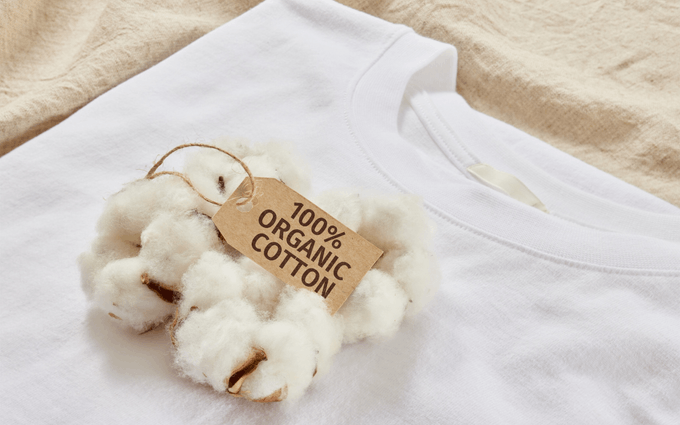
Step-by-Step Guide: How to Source Organic Cotton for Heavy T-Shirts
1. Identify Reliable Organic Cotton Certifications
Not all cotton labeled “organic” meets strict standards. Look for certifications like:
- GOTS (Global Organic Textile Standard): Ensures organic farming practices and ethical processing.
- OEKO-TEX Standard 100: Guarantees chemical-free textiles.
- USDA Organic: Confirms cotton is grown organically according to U.S. standards.
Certified cotton protects your brand credibility and ensures compliance with eco-friendly regulations.
2. Research Trusted Suppliers and Regions
Organic cotton is primarily grown in regions like India, Turkey, and the United States. Tips for sourcing:
- Check Supplier Credentials: Look for GOTS-certified mills and exporters.
- Request Samples: Test for weight, texture, and suitability for heavy t-shirts.
- Compare Pricing: Factor in shipping, customs, and bulk discounts.
3. Assess Cotton Quality for Heavy T-Shirts
For heavy t-shirts, the quality of cotton affects both feel and durability. Consider:
- Fiber Length: Longer fibers create softer, stronger fabric.
- Yarn Count & Weight: Heavier yarn produces the thickness required for premium heavy t-shirts.
- Pre-Shrinkage & Finish: Ensures t-shirts maintain size and shape after washing.
4. Establish Long-Term Supplier Relationships
Once you find reliable suppliers:
- Negotiate Bulk Contracts: Secure consistent quality and better pricing.
- Monitor Production Standards: Conduct factory audits or request production reports.
- Plan Seasonal Orders: Heavy t-shirts require timely delivery for spring/summer and fall/winter collections.
5. Consider Blends for Performance
Some brands mix organic cotton with recycled fibers or small percentages of elastane for flexibility. For heavy t-shirts:
- 100% Organic Cotton: Ideal for classic, durable tees.
- Organic Cotton Blends: Improve stretch or moisture-wicking properties while keeping eco-friendly credentials.
Common Challenges When Sourcing Organic Cotton
- Limited Supply: High demand may cause delays in bulk orders.
- Higher Cost: Organic cotton can be pricier than conventional cotton.
- Quality Variation: Not all organic cotton maintains uniform thickness for heavy t-shirts.
These challenges can be mitigated by careful supplier selection, long-term partnerships, and early planning.
Why Sourcing Organic Cotton Adds Value
Using organic cotton for heavy t-shirts not only aligns with sustainability goals but also:
- Enhances your brand reputation among eco-conscious consumers.
- Allows premium pricing due to perceived value and quality.
- Ensures durable, soft, and all-season comfortable heavy t-shirts.
Newasia’s Organic Cotton Sourcing Advantage
At Newasia Garment Co., Ltd., we not only source certified organic cotton but also manage the entire production process, from fabric procurement to finished heavy T-shirts. Our advantages include:
- Reliable Supply: Consistent availability of organic cotton for all seasons.
- Quality Control: Rigorous QC checks at every stage.
- Sustainable Practices: Compliance with international environmental standards.
- Brand Experience: Trusted by American Eagle, Uniqlo, Zara, Gap, Levi’s, and Lee.
How Newasia Garment Co., Ltd. Sources Organic Cotton for Heavy T-Shirts
Sourcing high-quality organic cotton for heavy T-shirts is a critical step for brands that prioritize sustainability, durability, and comfort. At Newasia Garment Co., Ltd., we have developed a streamlined and reliable solution to ensure our clients receive the best materials while maintaining ethical and environmental standards.
Our Approach to Sourcing Organic Cotton:
- Certified Supplier Network
We work exclusively with GOTS-certified, OEKO-TEX certified, and non-GMO cotton suppliers. This guarantees that the cotton is genuinely organic, traceable, and produced following sustainable farming practices. - Long-Staple Fiber Selection
For heavy T-shirts, fiber strength is crucial. We prioritize long-staple organic cotton, which provides durability, shape retention, and a premium hand feel suitable for thicker garments. - Seasonal Planning & Availability
Organic cotton supply can be limited due to seasonal harvests. We plan sourcing 6–12 months in advance, aligning with our heavy T-shirt production timelines to ensure uninterrupted supply for seasonal collections. - Quality Verification & Testing
Every batch of organic cotton undergoes fiber testing, color consistency checks, and moisture content analysis before it enters production. This ensures that heavy T-shirts meet strict quality and performance standards. - Sustainable & Ethical Practices
We only partner with farms and suppliers that adhere to fair labor practices, environmentally responsible water usage, and non-chemical farming methods, ensuring that every heavy T-shirt we produce aligns with ethical and eco-friendly values. - Integrated Supply Chain Management
Our team manages the entire supply chain—from sourcing raw organic cotton to finished heavy T-shirts—reducing delays, preventing quality issues, and maintaining transparency throughout the process.
💡 Results for Brands:
By implementing this sourcing strategy, Newasia Garment Co., Ltd. ensures:
- High-quality heavy T-shirts with superior durability and comfort
- Consistent supply of certified organic cotton for all seasons
- Sustainable production practices that meet global brand standards
- Traceable and ethical sourcing for eco-conscious consumers
With experience serving global brands such as American Eagle Outfitters, Uniqlo, Zara, Gap, Levi’s, and Lee, Newasia Garment Co., Ltd. provides a trusted and end-to-end solution for sourcing organic cotton for heavy T-shirts, combining sustainability with premium quality.
Certified Professional Clothing Producer
We are very proud of these certificates! They represent Newasia Garment Co.,Ltd. ’s amazing achievements and accreditations. They show how much we care about quality, safety, and professionalism.
We’re proud to say that we have obtained BSCI and ISO 90001 certificates, and inspection certificates for filling materials such as down and cotton. We follow international standards throughout our production process and take responsibility for the quality of our products.
As one of China’s leading clothing manufacturers, we are pleased to be recognized by respected organizations. These certifications underscore our reliability as a trusted supplier to the global apparel industry.
Trusted Certificates:
Why Choose Us
 Independent base We have our own laboratory and can independently develop fabrics , China  Professional certification Certification: ISO 9001, ISO 14001,BSCI,GRS |  Full-equipped Full-equipped, from fiber manufacturing, yarn spinning, weaving, dyeing and processing to finished product production  Rich experience Professional, large and experienced design team, combined with the latest artificial intelligence technology |  Our Facilities 12,000 skilled employees, daily production capacity exceeds 100,000 pieces  Fashion exhibition Participated in domestic and foreign fashion weeks and exhibitions many times |
Trusted by Global Clients






How Do We Guarantee the Quality
Our quality assurance begins with designing and planning, then continues through every step of the production and post-production inspections. Delivery is not an ending. We still offer money-back guarantee for quality issues.
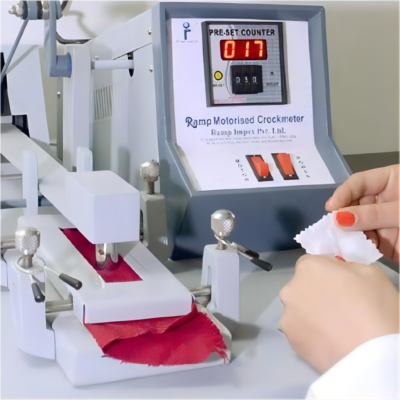
When sourcing fabrics, we will check all related fabric certificates from our suppliers.
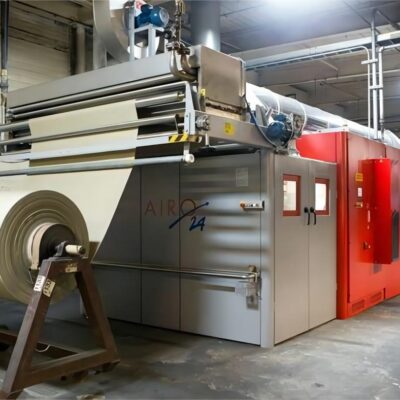
We make sure the fabric is well pre-washed to meet the standards before cutting.
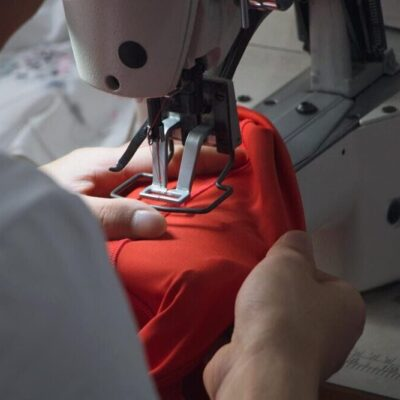
All our workers are well-trained and have many years of experience in the garment industry. They are all local workers with high stability.
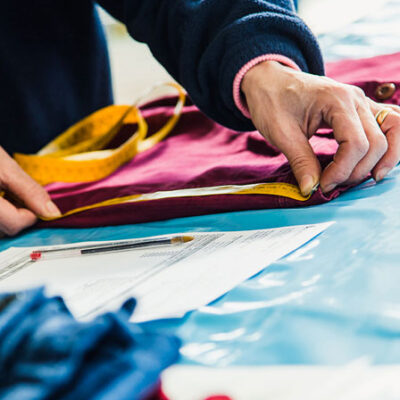
Our quality team will follow SOPs to conduct five times of quality checks before shipping.
Frequently Asked Questions
Q1: What is your Minimum Order Quantity (MOQ)?
We specialize in flexible production solutions to support emerging brands and growing businesses.
You can mix colors and sizes within the same style and fabric for greater flexibility.
For highly customised or technical garments (such as specialised denim washes or intricate embroidery), MOQ requirements may range from 300 to 500 units.
Our standard MOQ ranges from 200 to 300 units per design, depending on fabric availability and production complexity.
For best pricing efficiency, MOQ is typically based on 300 per style per colour.
Q2: What Services Do You Offer?
We provide full-cycle fashion support, including:
Sustainability Consulting: Eco-fabric sourcing, ethical production planning.
Sourcing: Local and global raw material, fabric R&D, and procurement (trims) with cost optimization.
Manufacturing: Custom manufacturing with quality control checkpoints.
Design & Development: Assistance with tech packs, trend research, and collection building.
Logistics: Shipping coordination to your warehouse or 3PL.
Q3: Can I Customize My Designs Fully?
We work with both OEM (your design, our production) and ODM (our templates customized for you) models. Customization options include:
Labels, hangtags, branded packaging
Fabric type and color
Fit and sizing
Printing (screen, DTG, sublimation, embroidery)
Accessories (zippers, buttons, cords)
Q4: What are your sustainability practices?
We’re committed to responsible manufacturing through:
Energy-efficient production technology
Waste reduction programs and ethical labor practices (BSCI certified)
GOTS-certified organic cotton and recycled material options
OEKO-TEX® certified dyes and processing
Q5: What Are Your Lead Times?
For in-stock items: ships worldwide within 3–7 days For custom orders: production lead time 15–30 days Urgent / Express Options: Available at a premium. Timing can vary depending on fabric development, approval cycles, and order complexity.
Q6: What is your production capacity?
Our facility employs 12,000 skilled employees, daily production capacity exceeds 100,000 pieces. We handle orders from 100 pieces to 50,000+ units across:
Technical apparel
Activewear and sportswear
Denim and casual wear
Children’s clothing
Q7: Where are your garments produced?
Our headquarters are based in China, where we operate our own vertically integrated factory. Our infrastructure and strategically placed worldwide manufacturing facilities allow us to offer extremely competitive pricing for fully custom clothing. offer flexible production options tailored to your needs. All manufacturing is supervised by our quality control team to ensure consistent standards
Conclusion
Organic cotton is an excellent material for heavy T-shirts, offering durability, comfort, and sustainability. Its long-staple fibers make garments stronger and longer-lasting, while remaining soft, breathable, and gentle on the skin—ideal for premium heavy T-shirt lines.
Although more expensive than conventional cotton, organic cotton reduces environmental impact, supports ethical farming practices, and provides a higher-quality, long-lasting product. Brands must weigh cost versus sustainability when deciding whether to incorporate organic cotton into their heavy T-shirt production.Ready to source premium organic cotton for your heavy t-shirt line? Contact us today to connect with certified suppliers and get your samples quickly!
Read more: How to Source Organic Cotton for Heavy T-Shirts: A Complete Guide
- How to Validate Pocket Function and Placement Before Bulk Production
- How to Standardize Fabric Hand Feel Across Production Lots
- Movement Fit Testing for Apparel: How to Check Ride-Up, Slippage, and Range of Motion
- Pre-Production Sample Approval: What Brands Should Lock Before Bulk Production
- Custom Sports Jersey Manufacturing Quality Control: A Global Manufacturing Guide