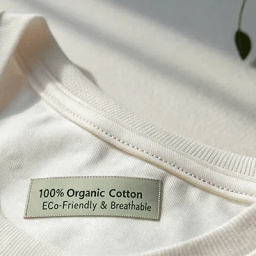


The carbon footprint of producing a single heavy cotton T-shirt is a complex calculation that extends far beyond fabric production alone. It includes multiple stages across the entire textile supply chain, from raw cotton cultivation to spinning, knitting, dyeing, washing, garment finishing, and global logistics.
For heavyweight T-shirts (typically 300GSM–500GSM), the environmental impact is significantly higher than lightweight garments, mainly due to greater cotton consumption, higher water usage, increased energy demand in dyeing and washing processes, and more intensive finishing treatments required to achieve softness and stability.
At Newasia Garment Co.,Ltd., we specialize in heavyweight garment manufacturing with a focus on production efficiency, waste reduction, and sustainable process optimization across industrial washing and finishing systems.
We are also a manufacturing partner of global fashion brands such as American Eagle Outfitters, Uniqlo, Zara, Gap, Levi’s, and Lee, where environmental compliance, carbon reduction, and supply chain transparency are increasingly critical factors in product development and sourcing decisions.

What Is the Carbon Footprint of a Heavy Cotton T-Shirt?
The carbon footprint of a heavy cotton T-shirt (typically 280–500 GSM) refers to the total greenhouse gas emissions generated throughout its lifecycle, including:
- Cotton cultivation
- Yarn spinning
- Fabric knitting
- Dyeing and washing processes
- Garment manufacturing
- Transportation and logistics
Heavyweight T-shirts typically sit at the higher end due to increased material usage.
What’s the Carbon Footprint of a Heavy Cotton T-Shirt?
The average greenhouse gas (GHG) emissions for a heavy cotton T-shirt (300–500GSM) are approximately 14.8 kg CO₂e. The emissions typically range from 9.5 to 22.6 kg CO₂e, reflecting differences in fabric weight, washing intensity, dyeing processes, and production methods.
With an average mass of 380–450 g and consisting of multiple production stages (cotton cultivation, spinning, knitting, garment washing, and finishing), heavy T-shirts contribute a higher environmental impact compared to standard-weight apparel due to increased material usage and energy-intensive processing.
- Minimum footprint: 9.5 kg CO₂e
- Median footprint: 14.8 kg CO₂e
- Maximum footprint: 22.6 kg CO₂e
Heavy cotton T-shirts are especially impacted by industrial washing and drying processes, which increase energy consumption during production, as well as higher consumer-use emissions due to longer drying times in daily wear cycles.
Average Carbon Footprint of One Heavy Cotton T-Shirt
While exact numbers vary depending on production methods, studies across the apparel industry estimate:
- Lightweight T-shirt (150–180GSM): ~2–4 kg CO₂e
- Standard T-shirt (200–250GSM): ~4–6 kg CO₂e
- Heavyweight T-shirt (280–385GSM): ~6–10 kg CO₂e
A premium 385GSM heavy cotton T-shirt typically sits at the higher end of this range due to:
- More cotton fiber usage
- Higher spinning and weaving energy consumption
- Additional dyeing and washing processes
- Increased shipping weight
The Complete Heavy Cotton T-Shirt Lifecycle (Carbon Footprint Breakdown)
Heavy cotton T-shirts (300–500GSM) have a higher environmental impact due to increased material usage and more intensive processing at every stage. The emissions are distributed across five key lifecycle phases:
| Lifecycle Stage | Heavy Cotton Process | Key Emission Drivers | Typical CO₂e Share |
|---|---|---|---|
| Raw Materials | Cotton farming, harvesting, ginning | Fertilizer use, irrigation, land use, agricultural machinery | 35–45% |
| Fabric Production | Spinning heavy yarn, knitting dense fabric (300–500GSM) | High energy spinning, thicker yarn processing, water-intensive preparation | 25–30% |
| Garment Manufacturing | Cutting, sewing, industrial washing, dyeing, finishing | Heavy fabric handling, enzyme/stone/acid washing, heat drying | 10–18% |
| Consumer Use | Washing, drying, ironing over garment lifespan | Repeated laundering of heavyweight fabric, tumble drying energy use | 20–30% |
| End-of-Life | Landfill, incineration, recycling | Slow decomposition of cotton, limited recycling infrastructure | 3–7% |
Key Insight
Production emissions are significant, but in heavyweight cotton T-shirts, consumer use (washing and drying) becomes a much larger share compared to standard garments due to higher fabric mass and longer drying energy requirements.
Overall, the environmental impact is shaped by both manufacturing efficiency and long-term garment care behavior, meaning sustainability depends on the full lifecycle—not just production alone.

Strategies for Reducing the Carbon Footprint of Heavy Cotton T-Shirts
- Sustainable Materials:
Using organic cotton, recycled fibers, and high-quality long-staple cotton helps lower raw material emissions while improving garment durability and lifespan. - Low-Impact Dyeing & Washing:
Processes such as low-temperature dyeing, enzyme washing, and water-efficient finishing reduce energy use, water consumption, and chemical impact during production. - Energy & Water Efficiency:
Modern machinery, heat recovery systems, and water recycling technologies help reduce electricity usage and wastewater in heavyweight garment manufacturing. - Waste Reduction:
Optimizing fabric cutting, sampling, and production planning minimizes material waste and lowers overall supply chain emissions. - Lifecycle Awareness:
Encouraging better garment care—such as cold washing and air drying—can significantly reduce emissions during the consumer-use stage.
Reducing the carbon footprint of heavy cotton T-shirts requires improvements across the entire lifecycle, from raw materials and industrial washing to long-term consumer use.
How People Can Make Their Clothes Less Carbon-Intensive
Small choices add up.
You can reduce the amount of clothing you buy by:
- Choosing durable, well-made clothes
- Buying fewer, more higher-quality pieces
- Not washing your clothes as often
- Using cooler wash cycles
- Instead of tumble drying, air drying
- Fixing things instead of throwing them away
These small changes can help lower the cost of clothes in the long run and the damage they do to the environment.
Where Does the Carbon Footprint Come From?
1. Cotton Cultivation (High Impact Stage)
Cotton farming is one of the most resource-intensive stages.
Key contributors:
- Water consumption (especially conventional cotton)
- Fertilizer and pesticide use
- Machinery fuel consumption
👉 This stage alone can account for 20–30% of total emissions.
2. Yarn Spinning
Raw cotton is converted into yarn using high-speed spinning machines.
Environmental impact:
- Electricity consumption
- Heat generation
- Machine efficiency variability
Spinning fine, high-quality ring-spun yarn for heavyweight tees increases energy use slightly.
3. Fabric Knitting (Heavyweight Impact Factor)
For heavy cotton T-shirts like 320GSM–385GSM:
- More yarn = longer knitting time
- Denser structure = higher machine load
This stage adds to both energy use and production time.
4. Dyeing and Washing (One of the Biggest Contributors)
Dyeing and industrial washing processes are among the most carbon-intensive steps.
Why?
- High-temperature water usage
- Chemical processing
- Drying energy consumption
Techniques such as:
- Reactive dyeing
- Pigment dyeing
- Enzyme washing
- Stone washing
all increase environmental impact to varying degrees.
👉 This stage can contribute 30–40% of total emissions.
5. Garment Manufacturing (Cut & Sew)
Cutting and sewing have relatively lower carbon impact but still matter.
Impact sources:
- Electricity for sewing machines
- Lighting and factory operations
- Labor-intensive production efficiency
Well-optimized factories can significantly reduce emissions here.
6. Packaging and Transportation
Final emissions come from logistics.
Key factors:
- Air vs sea freight
- Packaging materials
- Distribution distance
Heavy T-shirts naturally increase transport emissions due to higher weight.

Why Heavyweight T-Shirts Have a Higher Carbon Footprint
Compared to lightweight t-shirts, heavyweight garments (300–500GSM) require:
- more cotton per unit
- more dye absorption
- longer drying cycles
- higher energy consumption
As a result, the carbon footprint per garment is naturally higher.
However, durability plays an important role — a longer-lasting garment can reduce environmental impact over its lifecycle.
Carbon Footprint Breakdown by Process Step
A t-shirt’s footprint is cumulative, with the most significant emissions occurring during production:
- Raw Materials & Fiber Production: Cultivation and raw material sourcing.
- Yarn Formation & Spinning: ~28% of emissions.
- Dyeing and Finishing: ~36% of emissions (highest hotspot).
- Assembly (Cut & Sew): ~7% of emissions.
- Distribution & Packaging: ~1–8%.
Key Sustainability Factors for Brands
To reduce the carbon footprint, brands must address the high-impact areas of the supply chain:
- Switch to Renewable Energy: Replacing fossil fuel energy in manufacturing with renewable energy can reduce a garment’s carbon footprint by 30% to 50%.
- Sustainable Sourcing: Choosing organic cotton or recycled materials lowers the raw material footprint.
- Optimize Wet Processes: Dyeing and finishing are “hotspots”—optimizing these processes for efficiency is critical.
- Consider Product Longevity: A heavy t-shirt that lasts longer and is worn more frequently lowers the per-wear carbon footprint. The lowest-carbon T-shirt is the one that lives longest in active rotation.
- Reduce Product Complexity: Simplification in design can decrease the energy required for manufacturing.
How Manufacturers Can Reduce Carbon Footprint in Production
Sustainable garment manufacturing is not only about materials — it is about process optimization.
At Newasia Garment Co.,Ltd., carbon reduction strategies include:
Process Optimization
- reducing unnecessary washing cycles
- optimizing dye batch sizes
- improving production scheduling efficiency
Energy Reduction Techniques
- low-temperature washing processes
- efficient drying systems
- machine load optimization
Material Efficiency
- better fabric yield utilization
- reduced sampling waste
- improved cutting precision
How Brands Can Reduce the Carbon Footprint of Heavy T-Shirts
Reducing emissions does not mean compromising quality. In fact, many premium brands now use sustainability as a competitive advantage.
1. Choose Better Raw Materials
- Organic cotton
- Recycled cotton blends
- Certified sustainable sourcing (e.g., GOTS)
2. Optimize Fabric Weight Strategically
Instead of defaulting to ultra-heavy GSM, brands can:
- Use 320–380GSM for balance
- Reduce unnecessary over-engineering
- Match GSM to end-use purpose
3. Work with Efficient Dyeing Factories
Factories with modern equipment can significantly reduce:
- Water consumption
- Energy usage
- Chemical waste
4. Improve Production Planning
- Reduce sampling waste
- Optimize cutting layouts
- Minimize fabric leftovers
5. Switch to Greener Logistics
- Sea freight for bulk orders
- Regional warehousing strategies
- Reduced air shipment dependency
Heavy T-Shirts and Sustainability: A Balanced Perspective
There is a common misconception that heavier garments are inherently less sustainable.
In reality, sustainability depends on:
- Production efficiency
- Material sourcing
- Energy systems used in factories
- Logistics strategy
A well-made heavy cotton T-shirt with optimized production can outperform a poorly produced lightweight garment in overall lifecycle impact.
Durability also plays a role: a longer-lasting garment reduces replacement frequency, which indirectly lowers total consumption emissions.
Newasia Garment Co.,Ltd. Solutions: Balancing Sustainability and Quality
| Requirement | Industry Challenge | Newasia Garment Co.,Ltd. Solution |
|---|---|---|
| Heavy Fabric Quality | Heavyweight cotton requires more raw material and energy during production | We optimize fabric utilization, reduce cutting waste, and use efficient knitting systems to maximize material performance with lower resource loss |
| Soft Handfeel | Achieving softness often requires repeated washing and chemical treatments | We apply controlled enzyme and silicone washing systems that improve softness while reducing water, chemical, and energy consumption |
| Color Consistency | Stable color results require energy-intensive dyeing and finishing | We use standardized dye formulas, digital color management, and optimized low-temperature dyeing processes for better consistency with lower energy use |
| Sustainability Goals | Reducing production steps can negatively affect garment quality and durability | We focus on process optimization rather than process elimination, using efficient washing, controlled production systems, and long-lasting fabric construction |
At Newasia Garment Co.,Ltd., sustainability is not about sacrificing quality—it is about building smarter production systems. By combining efficient manufacturing, controlled industrial washing, and durable heavyweight fabric development, we help brands achieve premium product standards with reduced environmental impact.
Industry Responsibility and Brand Requirements
Global fashion brands are increasingly requiring suppliers to:
- measure carbon footprint per product
- report supply chain emissions
- improve sustainability metrics
- support ESG compliance reporting
Our experience working with brands such as Uniqlo, Zara, Levi’s, Gap, American Eagle Outfitters, and Lee has strengthened our understanding of global sustainability standards and compliance expectations.
Certified Professional Clothing Producer
We are very proud of these certificates! They represent Newasia Garment Co.,Ltd. ’s amazing achievements and accreditations. They show how much we care about quality, safety, and professionalism.
We’re proud to say that we have obtained BSCI and ISO 90001 certificates, and inspection certificates for filling materials such as down and cotton. We follow international standards throughout our production process and take responsibility for the quality of our products.
As one of China’s leading clothing manufacturers, we are pleased to be recognized by respected organizations. These certifications underscore our reliability as a trusted supplier to the global apparel industry.
Trusted Certificates:




Why Choose Us
 Independent base We have our own laboratory and can independently develop fabrics , China  Professional certification Certification: ISO 9001, ISO 14001,BSCI,GRS |  Full-equipped Full-equipped, from fiber manufacturing, yarn spinning, weaving, dyeing and processing to finished product production  Rich experience Professional, large and experienced design team, combined with the latest artificial intelligence technology |  Our Facilities 12,000 skilled employees, daily production capacity exceeds 100,000 pieces  Fashion exhibition Participated in domestic and foreign fashion weeks and exhibitions many times |
Trusted by Global Clients


















How Do We Guarantee the Quality
Our quality assurance begins with designing and planning, then continues through every step of the production and post-production inspections. Delivery is not an ending. We still offer money-back guarantee for quality issues.

When sourcing fabrics, we will check all related fabric certificates from our suppliers.
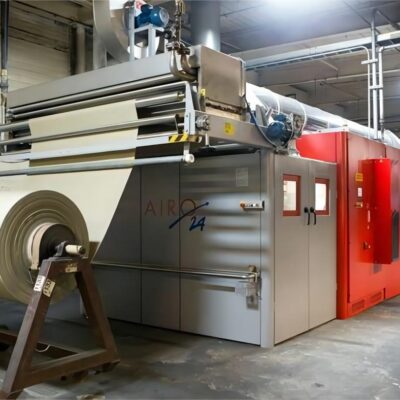
We make sure the fabric is well pre-washed to meet the standards before cutting.

All our workers are well-trained and have many years of experience in the garment industry. They are all local workers with high stability.
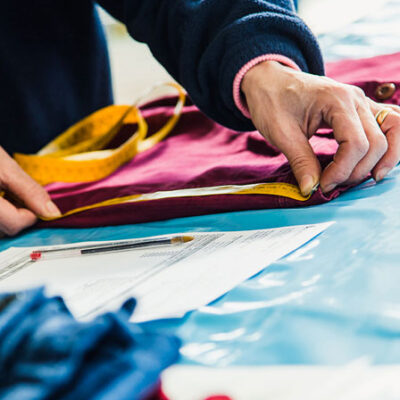
Our quality team will follow SOPs to conduct five times of quality checks before shipping.
Our Heavyweight T-Shirt Manufacturing Capabilities
We specialize in premium heavyweight cotton T-shirts designed for streetwear, fashion basics, and private label collections:
- Heavyweight T-Shirts: 280gsm, 320gsm, 385gsm, 450gsm oversized and boxy-fit styles
- Fabric Options: combed cotton, ring-spun cotton, organic cotton, recycled cotton blends
- Wash Techniques: enzyme wash, garment wash, silicone wash, stone wash, acid wash, vintage fade
- Finishing Options: pre-shrinking, soft-touch finishing, pigment dye, overdyed effects
- Customization: OEM / ODM production, custom sizing, labels, tags, packaging, embroidery, and printing
- Sustainable Production: low-impact dyeing, water-saving washing systems, waste reduction optimization
Carbon Footprint & Sustainable Production Focus
✔️ Optimized fabric utilization to reduce material waste
✔️ Water-efficient industrial washing systems
✔️ Energy-efficient knitting and finishing technology
✔️ OEKO-TEX® certified dyes and eco-friendly chemical management
✔️ Organic and recycled cotton options available
✔️ Controlled pre-shrinking and low-impact finishing processes
Our goal is to reduce the environmental impact of heavyweight garment production while maintaining premium fabric quality, durability, and comfort.
Our Wholesale Program
✔️ MOQ: 300 pieces
✔️ Tiered pricing based on order volume
✔️ Ships from China
✔️ Available for private labeling / OEM
✔️ Custom tags and packaging options for bulk buyers
Want a custom quote for your brand or marketplace? [📩Contact Us Now]
Shipping & Fulfillment
✔️Samples: 5-10 day production cycle, worldwide shipping.
✔️ Custom orders: production lead time 15–30 days
✔️ Full export documentation provided for smooth customs clearance
✔️ Drop shipping available upon request
All heavyweight T-shirts are produced under strict quality control standards to ensure consistent fabric weight, color stability, softness, and long-term durability.
FAQ: Carbon Footprint of Producing One Heavy Cotton T-Shirt
Q1: What is the average carbon footprint of a heavy cotton T-shirt?
A heavyweight cotton T-shirt (typically 300GSM–500GSM) produces approximately 9.5–22.6 kg CO₂e throughout its lifecycle, with an average footprint around 14.8 kg CO₂e. The final impact depends on fabric weight, dyeing methods, washing techniques, energy sources, and transportation.
Q2: Why do heavy cotton T-shirts have a higher carbon footprint?
Heavyweight garments require:
- More cotton raw material
- Higher energy consumption during spinning and knitting
- Additional industrial washing and finishing
- Longer drying times during consumer use
Compared to lightweight T-shirts, heavy cotton garments naturally consume more resources across the supply chain.
Q3: Which production stages generate the most emissions?
The largest carbon contributors are usually:
- Raw material production: Cotton farming and processing
- Fabric manufacturing: Spinning and knitting heavy yarns
- Dyeing & washing: Water- and energy-intensive finishing processes
- Consumer use: Repeated washing and tumble drying over time
Together, these stages account for the majority of total emissions.
Q4: How can manufacturers reduce the carbon footprint of heavy T-shirts?
Sustainable production strategies include:
- Organic or recycled cotton sourcing
- Low-impact dyeing and enzyme washing
- Water recycling systems
- Energy-efficient machinery
- Waste reduction during cutting and production
Improving efficiency across the supply chain helps reduce emissions without sacrificing garment quality.
Q5: Does industrial washing increase carbon emissions?
Yes. Processes such as stone washing, acid washing, and tumble drying require additional water, chemicals, and energy. However, optimized systems like enzyme washing and low-temperature finishing can significantly reduce environmental impact while maintaining softness and performance.
Q6: How does consumer behavior affect the total carbon footprint?
Consumer use plays a major role in total lifecycle emissions.
Frequent:
- Hot water washing
- Tumble drying
- Excessive ironing
can substantially increase energy consumption. Cold washing and air drying are more sustainable care methods for heavyweight garments.
Q7: What sustainability practices does Newasia Garment Co.,Ltd. use?
We focus on responsible heavyweight garment manufacturing through:
- Waste reduction programs and process optimization
- Water-efficient washing systems
- OEKO-TEX® certified dyes and safer chemical management
- Organic and recycled fabric options
- Energy-efficient production technology
Our goal is to balance premium heavyweight quality with lower environmental impact.
Q8: Why is production efficiency important in sustainable heavyweight apparel?
True sustainability is not about removing production steps—it is about making them more efficient and controlled.
At Newasia Garment Co.,Ltd., we improve sustainability by:
- Reducing fabric waste
- Optimizing industrial washing systems
- Standardizing dye consistency
- Extending garment durability through better fabric engineering
Long-lasting heavyweight T-shirts reduce replacement frequency and support more responsible consumption over time.
Conclusion
The carbon footprint of producing one heavy cotton t-shirt depends on multiple interconnected stages across the textile supply chain. While heavyweight garments naturally require more resources, intelligent manufacturing processes can significantly reduce environmental impact.
At Newasia Garment Co.,Ltd., we focus on optimizing industrial production efficiency, reducing unnecessary waste, and supporting global fashion brands in achieving more sustainable garment manufacturing practices without compromising quality.Contact us for samples, sustainability solutions, and factory pricing.
Read more: Carbon Footprint of Producing One Heavy T-Shirt
- How to Validate Pocket Function and Placement Before Bulk Production
- How to Standardize Fabric Hand Feel Across Production Lots
- Movement Fit Testing for Apparel: How to Check Ride-Up, Slippage, and Range of Motion
- Pre-Production Sample Approval: What Brands Should Lock Before Bulk Production
- Custom Sports Jersey Manufacturing Quality Control: A Global Manufacturing Guide