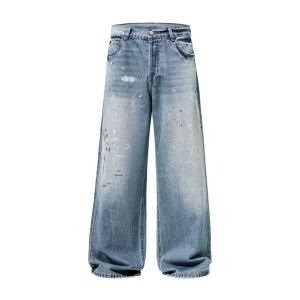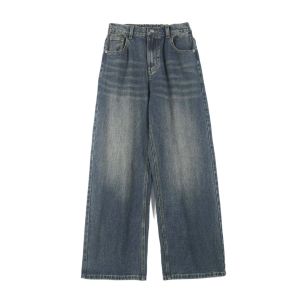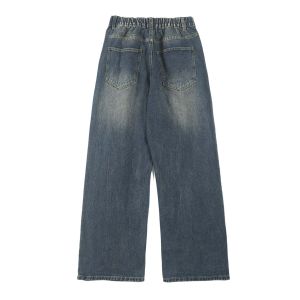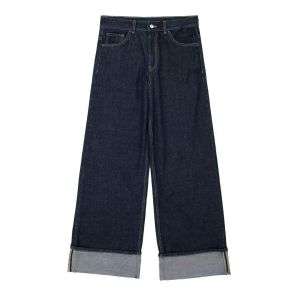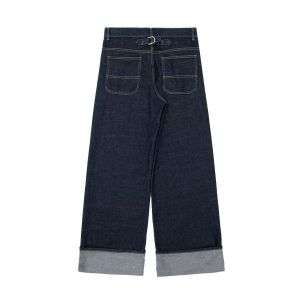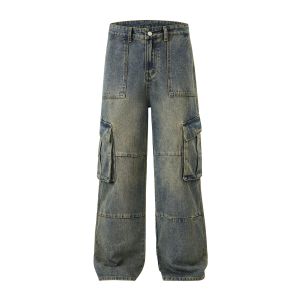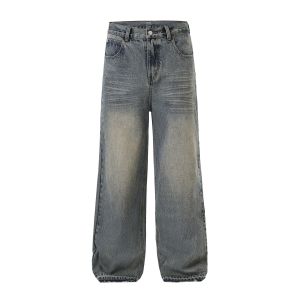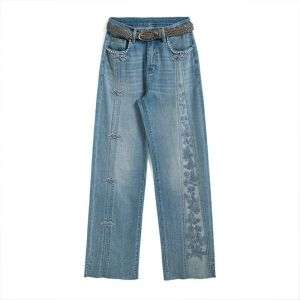

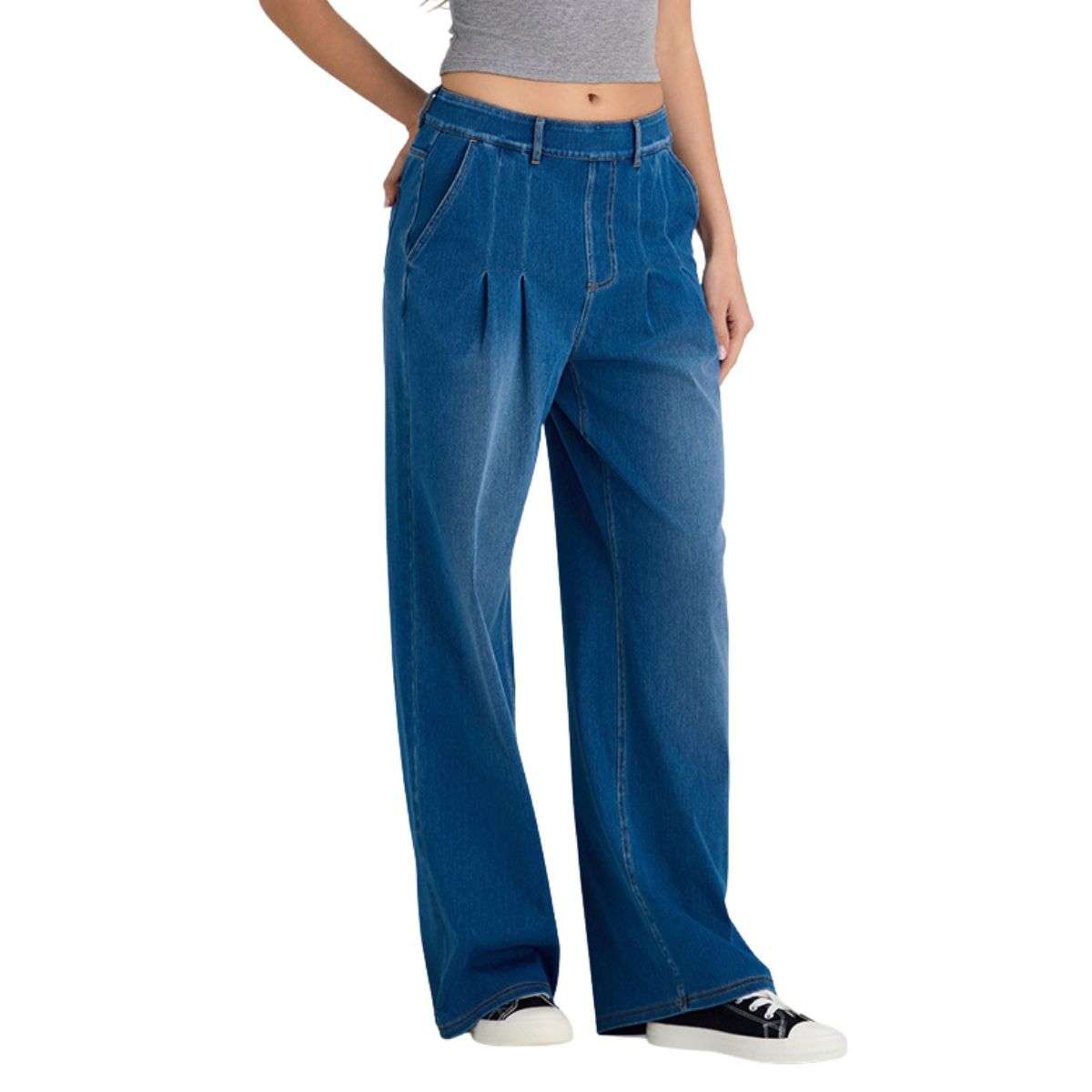
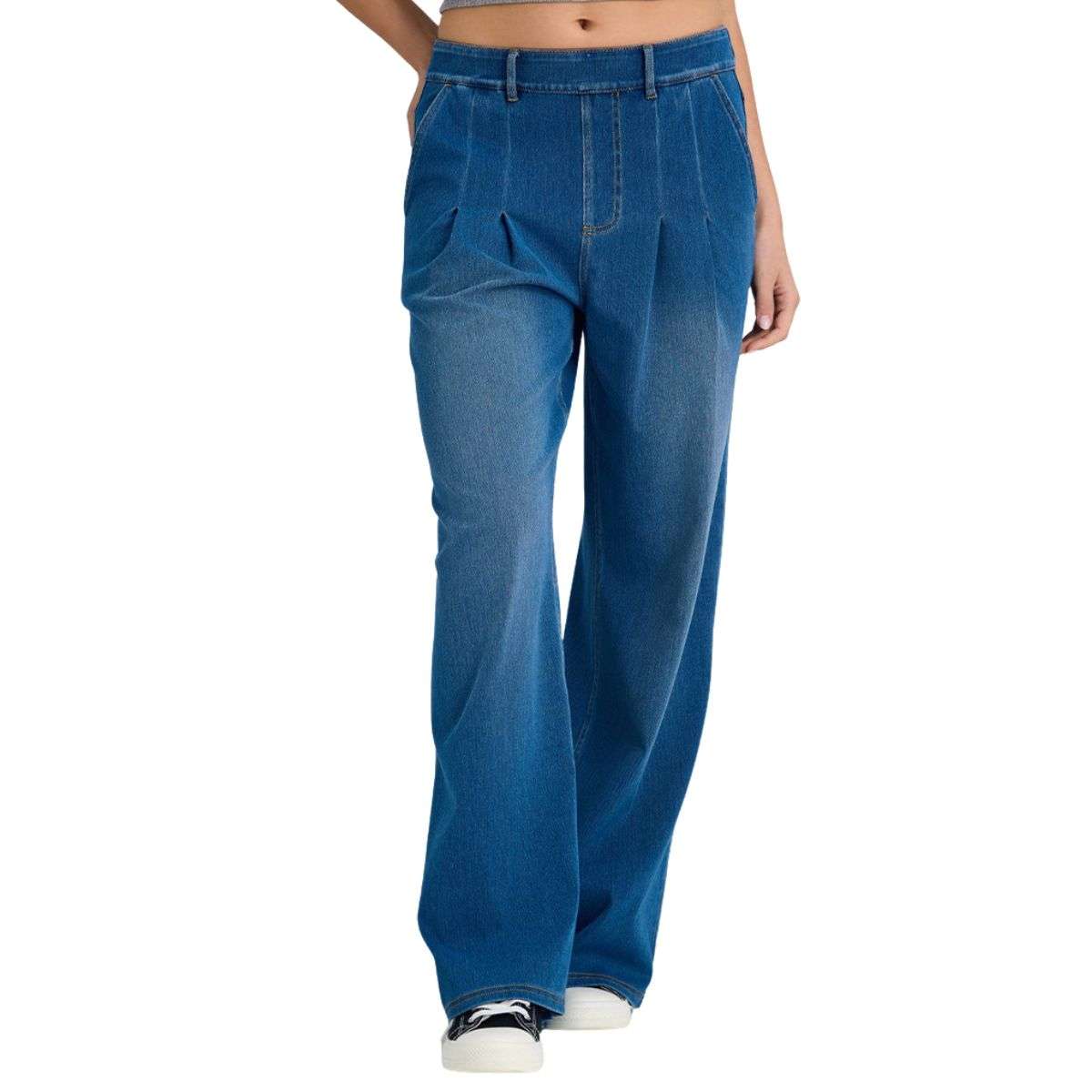
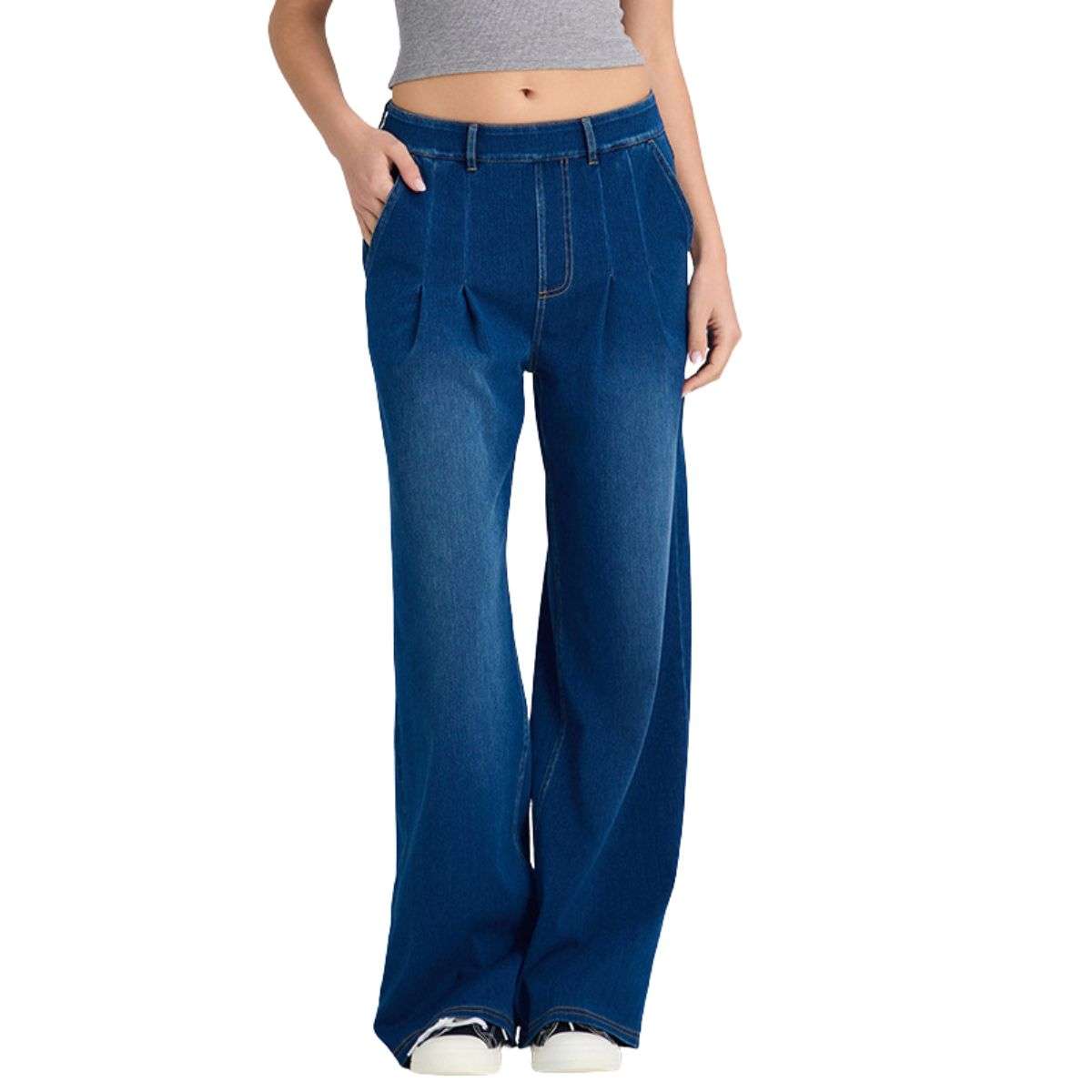
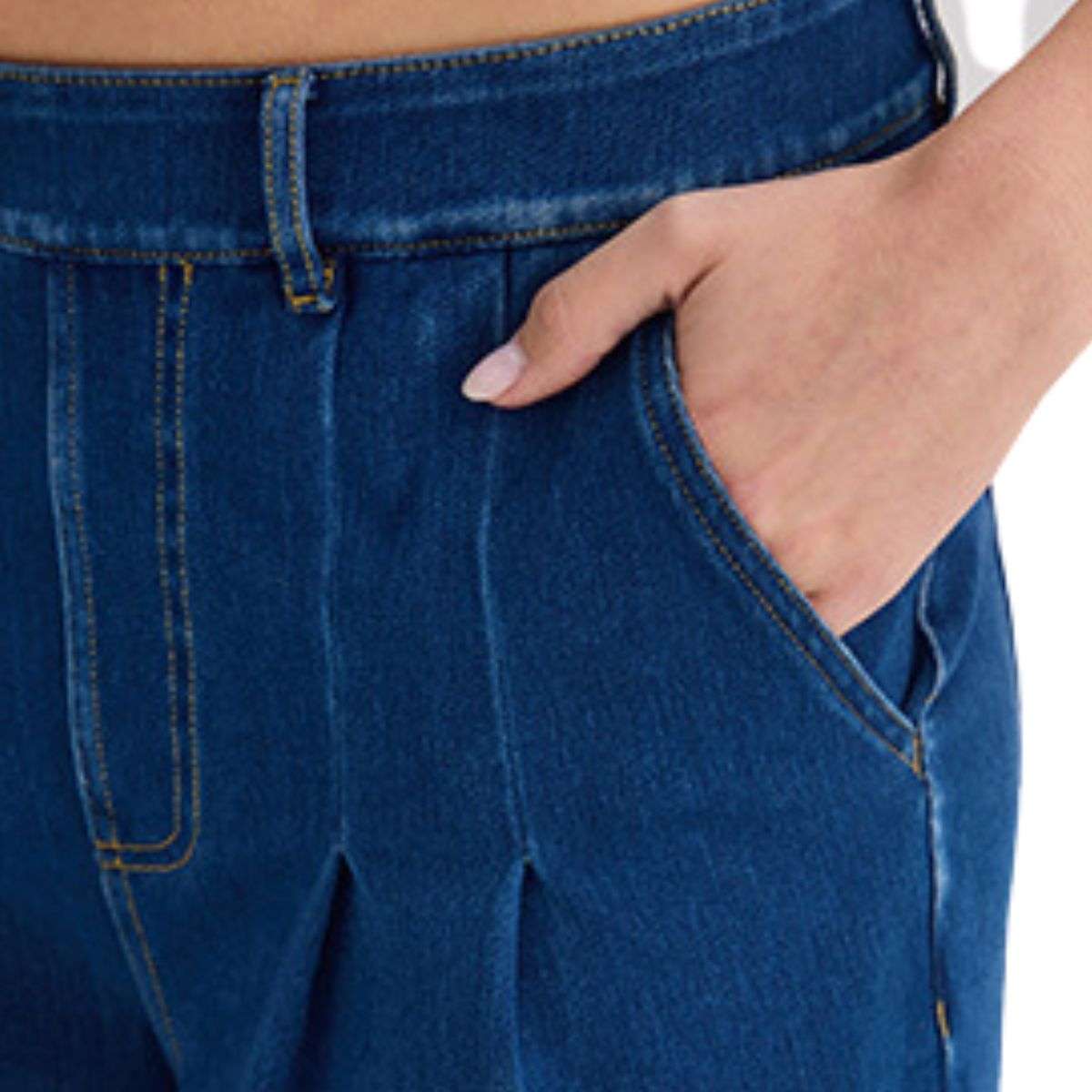
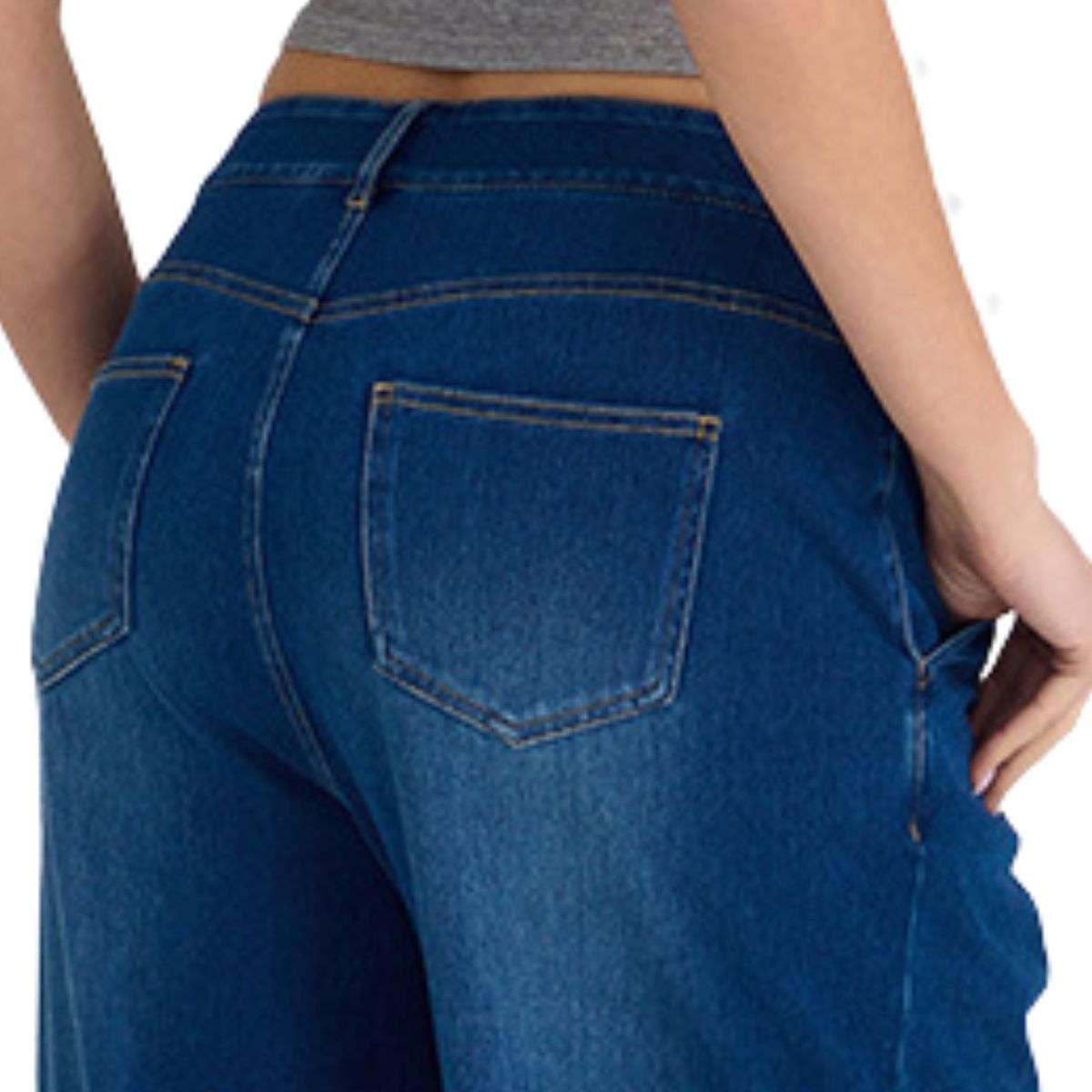
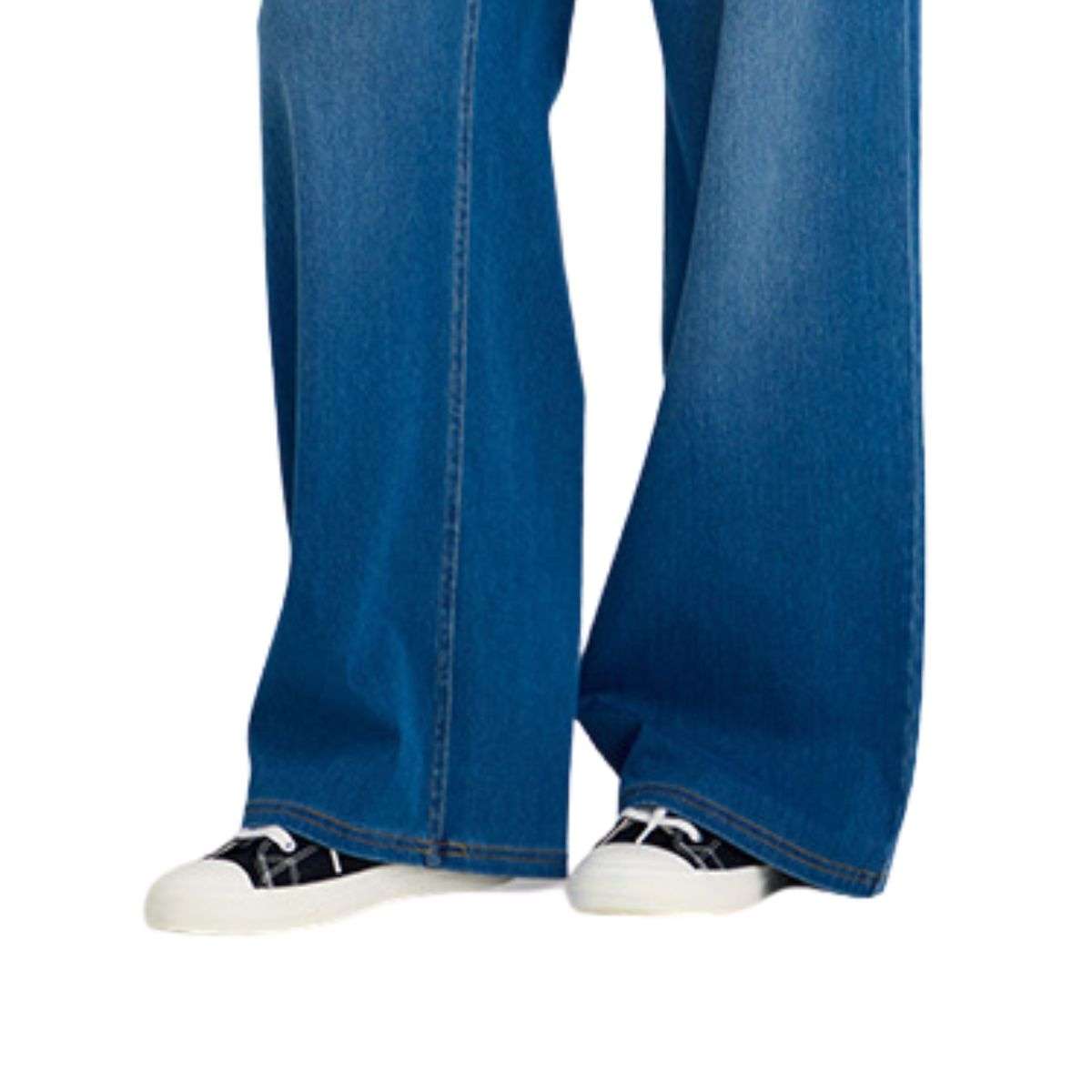
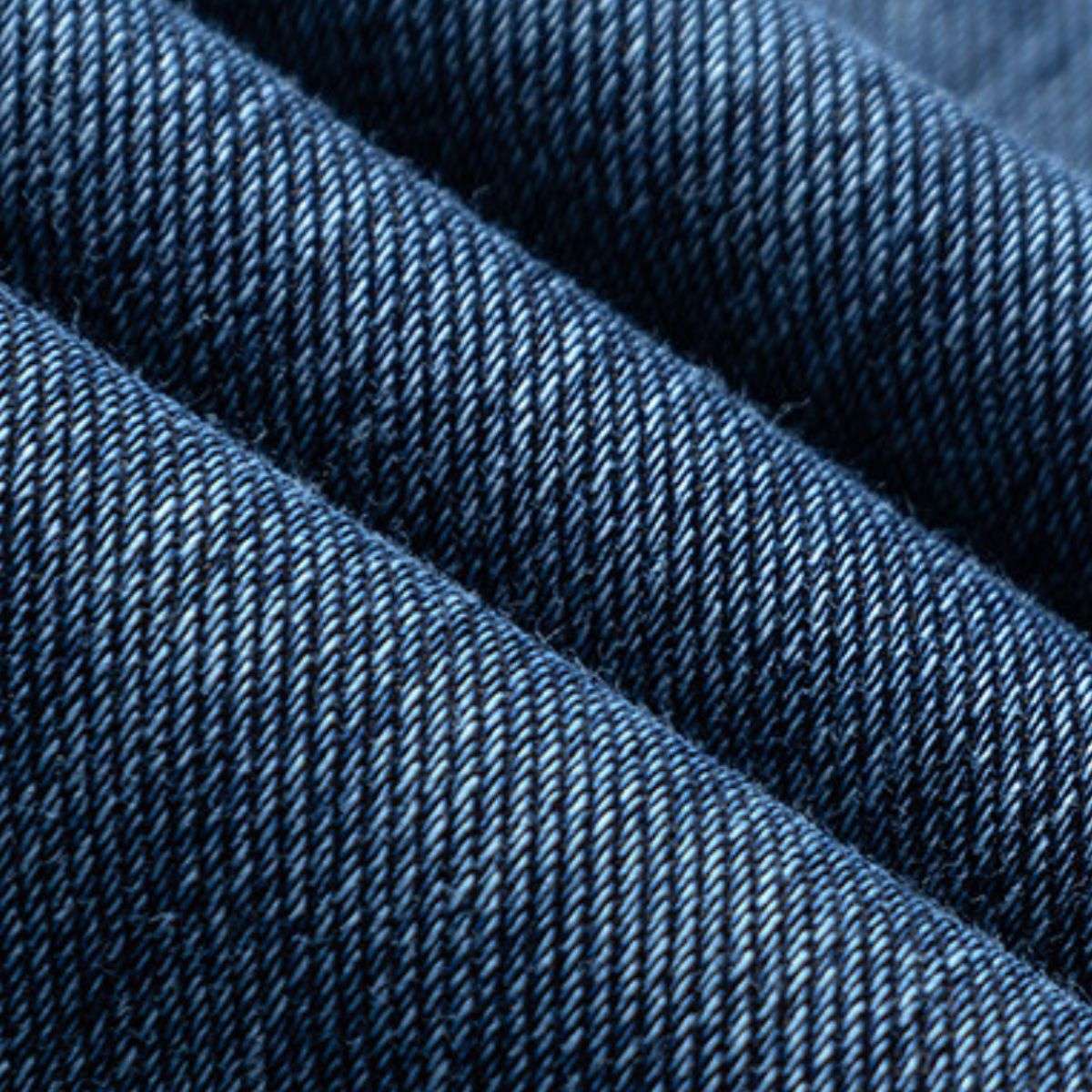
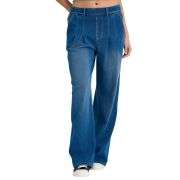
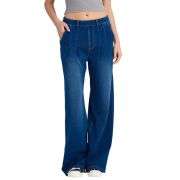

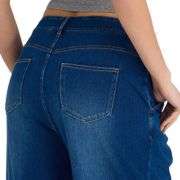
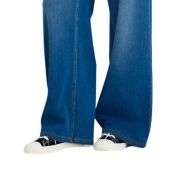

Develop custom pleated wide-leg jeans for OEM, ODM or private-label collections. Reference FSLFD2570-ML combines two front pleats on each side, slant pockets, a clean faux-fly direction, belt loops, rear patch pockets and a relaxed full-length leg. Its verified composition is 59% cotton, 30% polyester and 11% elastane, with a soft, lightweight hand and four-way stretch stated on the current page.
The current H1 identifies a knit-denim direction, while the body describes pull-on construction. Confirm the fabric structure, rise and internal waistband/closure build through specifications and sampling. Use the displayed style as a reference or adapt it to a buyer-specific fit, fabric, finish and branding program.
Quick Buyer Summary
review available jeans program references
| Item | Verified Reference / Development Direction |
|---|---|
| Product reference | FSLFD2570-ML |
| Product type | Women’s pleated wide-leg knit-denim jeans |
| Rise | Must be confirmed; current live wording conflicts |
| Silhouette | Relaxed full-length wide leg |
| Composition | 59% cotton, 30% polyester, 11% elastane |
| Stretch | Four-way stretch stated on the current page |
| Front detail | Double pleats, slant pockets and faux-fly seam |
| Waist | Pull-on direction with belt loops; confirm internal construction |
| Back | Yoke and two patch pockets |
| Finish | Medium blue faded direction; exact process not stated |
| MOQ | Flexible MOQ Available |
What Must Be Approved Before Bulk Production?
Approve the intended rise, relaxed and extended waist opening, waistband/closure build, pleat number and geometry, waist-to-hip balance, slant-pocket openings, thigh/knee/leg-opening measurements and finished length. Approve the knit-denim fabric and finish in garment form. State whether measurements apply before or after finishing and define any required stretch, recovery, shrinkage, spirality or tolerance criteria in the buyer specification.
Front Pleat Geometry and Volume Release
The front pleats control how volume releases from the waist into the hip and upper leg. Define pleat direction, intake, length, spacing and release point. If the intake or stitching changes, the front may become bulky, collapse unevenly or add unintended width at the hip.
Set pleat landmarks from center front, waistband and pocket opening. Review both sides on the worn sample and record the approved construction before grading.
Waist Construction and Rise Confirmation
The live body calls the style pull-on, while images show belt loops and a faux-fly seam without a visible button. Confirm whether the waistband is fully or partly elasticated and whether any concealed fastening is used. Record elastic, facing, fusible and stabilization details in the BOM.
The H1 says high waist while the body and tags say mid rise. Define front rise, back rise, waistband depth and the base-size wearing point before choosing either term for final publication and labeling.
Slant Pockets and Pleat Interaction
The slant pocket openings sit beside the pleats and influence the upper-body line. Pocket angle, depth, bag construction and attachment must allow practical access without gaping, pulling the side seam or interfering with pleat release.
Approve pocket and pleat spacing together on the fit sample. Review pocket-bag show-through and bulk in the selected soft stretch fabric.
Wide-Leg Drape and Full Length
The intended silhouette depends on hip ease, thigh width, knee width, leg opening and length. A softer knit-denim direction can create more drape than conventional woven denim, while excessive stretch or growth can lengthen the leg during wear.
Define thigh, knee, inseam, outseam and opening POMs. Approve the base-size hem position with the intended footwear context and review size-set proportions before bulk cutting.
Knit-Denim Stretch and Recovery Approval
review denim fit and finish development support
Fiber composition and four-way-stretch wording do not establish knit structure, fabric weight, recovery, growth, shrinkage, spirality or opacity results. These properties affect the waist, pleats, pockets, knee and final length.
Approve a fabric standard and finished garment. Where performance limits apply, document conditioning, test or measurement method and acceptance criteria. Do not substitute a visually similar fabric without buyer approval.
Finish and Finished Measurements
The gallery shows a medium blue faded direction, but no wash chemistry or numeric shade standard is published. Provide an approved garment, swatch or visual reference. Processing can change shade, hand feel, pleat behavior, stretch response and dimensions.
State whether measurements apply before or after finishing. For repeat orders, compare the waistband, pleats, pockets, leg shape, hem and final measurements with the buyer-approved finished reference. Review New Asia’s denim fabric and wash development when preparing the specification.
Buyer Requirement and Approval Controls
| Buyer Requirement | Manufacturing Risk | Control Method | Approval Evidence |
|---|---|---|---|
| Defined rise and waist | Conflicting wording changes fit and styling | Confirm rise POMs, opening and waistband build | Approved fit sample and measurement chart |
| Balanced front pleats | Intake, direction or release varies | Set pleat geometry and construction landmarks | Approved pattern and worn sample |
| Functional slant pockets | Openings gape or conflict with pleats | Develop pocket angle, bag and pleats together | Approved construction and fit sample |
| Consistent wide-leg drape | Volume or length shifts across sizes | Define leg POMs and review size-set grading | Approved base size and size set |
| Required stretch behavior | Growth, recovery or spirality differs | Record project-specific methods and limits | Approved requirement and applicable evidence |
| Repeatable finish | Shade or dimensions drift after processing | Approve finish and measure final garments | Retained reference and measurement report |
Private-Label Customization
Subject to development review, buyers can customize:
- verified rise, waistband structure and waist-to-hip fit;
- pleat count, direction, intake, length and release point;
- slant-pocket shape, depth, bag and reinforcement;
- thigh, knee, inseam, outseam and leg opening;
- knit-denim fabric specification, color and finish direction;
- faux-fly detail, belt loops, rear pockets and topstitching;
- woven labels, care labels, hangtags and packaging.
Use the OEM clothing manufacturing route for complete buyer specifications. Projects starting from an image, reference garment or partial concept can use the ODM development route. Compare other silhouettes in the custom jeans range.
Current Reference Size Table
These measurements are currently published for FSLFD2570-ML. Confirm every POM definition, measurement state and tolerance before production use.
| Size | Waist (in / cm) | Hips (in / cm) | Length (in / cm) |
|---|---|---|---|
| XS | 24.8 / 63 | 36.2 / 92 | 40.9 / 104 |
| S | 26.4 / 67 | 37.8 / 96 | 41.3 / 105 |
| M | 28.3 / 72 | 39.8 / 101 | 41.7 / 106 |
| L | 31.3 / 79.5 | 42.7 / 108.5 | 42.1 / 107 |
| XL | 34.3 / 87 | 45.7 / 116 | 42.5 / 108 |
Flexible MOQ Solutions
- In-stock styles: No MOQ
- Existing styles with customization: From 50 pcs
- Custom T-shirts, Hoodies & Sweatpants: From 100 pcs/color
- Garment-dyed products: From 150 pcs/color
- Denim & Other Fashion Garments: From 300 pcs/style
MOQ depends on whether the project uses stock, modifies an existing style or requires new development. Current stock is not implied. Share quantity, colors and customization scope for review.
Sampling and Bulk Planning
Typical Sample Development: 5–10 days after key product requirements are confirmed.
Typical Bulk Production: 15–30 days after sample approval and material readiness.
Fabric development, finish, fit revisions, pleat and pocket construction, waistband and approvals can affect timing. Confirm the project schedule before ordering.
Care Reference
Wash separately in cold water before first wear. Machine wash cold inside out with like colors. Do not bleach. Tumble dry low. Cool iron if needed. Confirm the final care label for the selected fabric, finish and destination market.
What to Send for a Quotation
start a sample and quotation review
Send a tech pack, measurement chart, reference garment or product images. Include the verified rise, waist construction, size range, pleats, pockets, wide-leg POMs, finished length, knit-denim specification, finish, branding, packaging, quantity and destination. State any required stretch, recovery, shrinkage, spirality, opacity, testing or tolerance criteria.
Email [business@shanghai-newasia.com.cn](mailto:business@shanghai-newasia.com.cn) for sampling and quotation review. You may request the displayed style, a modified version, a similar product or a buyer-designed development.