

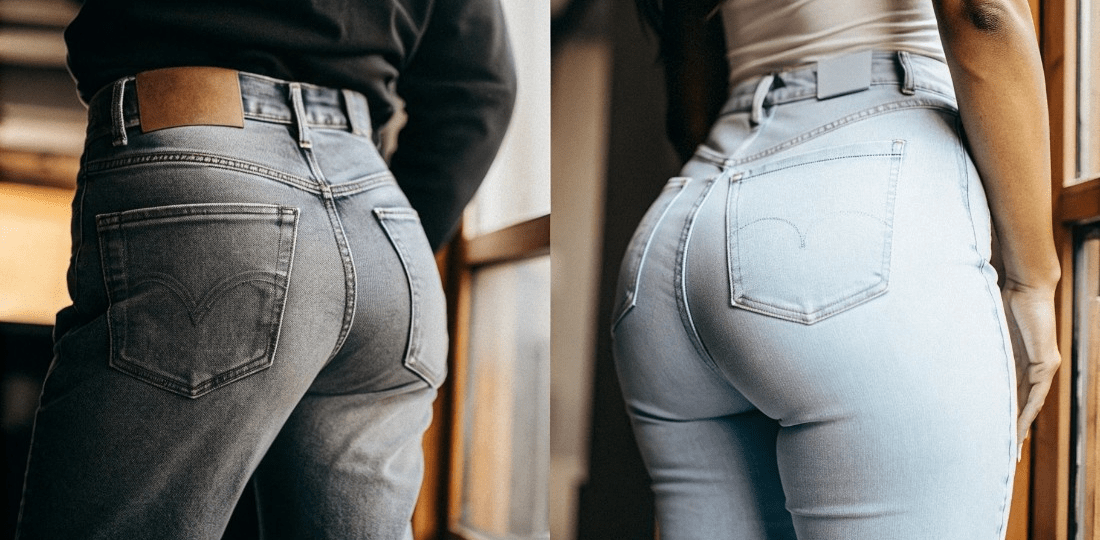
When people ask, “What makes jeans look masculine or feminine?”, they often expect a simple answer. Some believe that Jeans typically appear masculine or feminine through a combination of silhouette, rise, fabric composition, wash treatments, hardware, and styling choices. Straight-leg cuts, heavyweight denim, and minimal detailing often create a masculine aesthetic, while high-rise silhouettes, stretch fabrics, and curve-enhancing construction tend to read as feminine. However, modern fashion increasingly embraces gender-neutral designs that blend elements from both worlds.
In reality, gender perception in denim is far more complex.
The appearance of a pair of jeans is influenced by multiple design elements working together, including fit, silhouette, fabric weight, wash treatment, pocket placement, stitching details, and styling choices.
For fashion brands, understanding these factors is essential when developing successful men’s, women’s, or gender-neutral denim collections.
At Newasia Garment Co., Ltd., we have spent years helping fashion brands transform denim concepts into market-ready products. Through our experience supporting projects for internationally recognized brands such as American Eagle Outfitters, Uniqlo, Zara, Gap, Levi’s, and Lee, we have observed how small design changes can dramatically influence consumer perception and purchasing behavior.
This guide explains the key factors that make jeans appear masculine or feminine and provides practical insights for brands planning future denim collections.
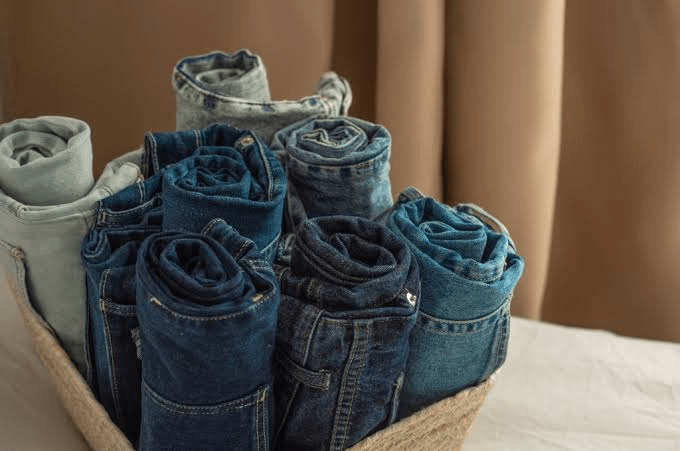
Why Gender Perception Matters in Denim Design
Consumers often make purchasing decisions within seconds. Before they touch the fabric or try on the garment, they form impressions based on visual cues.
Elements such as:
- Silhouette
- Rise height
- Pocket placement
- Fabric weight
- Wash treatments
- Stitching details
- Hardware finishes
all contribute to how a pair of jeans is perceived.
Although fashion trends continue moving toward inclusivity, understanding these traditional design principles remains valuable for brands targeting specific customer segments.
How Does the Cut and Silhouette Influence Gender Perception?
The silhouette is often the first thing people notice about a pair of jeans. A jean’s shape determines how it interacts with the body’s natural proportions and strongly influences whether it appears masculine, feminine, or unisex.
1. Straight-Leg Jeans
Straight-leg jeans maintain a relatively consistent width from hip to hem.
Traditionally associated with workwear and classic menswear, straight-leg jeans create a clean, structured appearance that minimizes emphasis on the hips and thighs. Their timeless design makes them one of the most versatile silhouettes in modern denim.
For men’s collections, straight-leg jeans often feature a relaxed fit through the seat and thigh. For women’s collections, a slightly tailored waist can add subtle shaping while maintaining the same overall silhouette.
2. Relaxed and Baggy Jeans
Baggy jeans have become a global trend, appealing to both men’s and women’s fashion markets.
In menswear, baggy jeans often feature:
- Lower rise
- Wide leg openings
- Minimal tapering
- Oversized streetwear influence
In womenswear, baggy jeans typically include:
- Higher rise
- More defined waist
- Slight taper toward the ankle
- Strong Y2K fashion inspiration
The same “baggy” silhouette can therefore communicate entirely different gender aesthetics depending on its proportions.
3. Skinny and Slim-Fit Jeans
Skinny jeans closely follow the body’s natural contours.
Women’s skinny jeans often incorporate stretch fibers such as elastane, creating a body-hugging silhouette that emphasizes curves and elongates the legs.
Men’s skinny jeans usually maintain a straighter hip-to-waist ratio and are often inspired by rock, punk, and contemporary streetwear culture.
4. Flare and Bootcut Jeans
Flared silhouettes widen below the knee and create visual balance.
Historically associated with women’s fashion, flared jeans have experienced a major revival across all genders. Women’s versions typically feature dramatic flare openings and high-rise waists, while men’s versions often maintain a subtler shape inspired by vintage workwear and 1970s fashion.
5. Curvy and Shape-Enhancing Fits
Modern women’s denim often includes pattern engineering specifically designed to accentuate the waist, hips, and thighs.
Features may include:
- Contoured waistbands
- Curved side seams
- Lift-enhancing pocket placement
- Extra hip room with a smaller waist measurement
These construction techniques create a distinctly feminine silhouette without requiring obvious embellishments.
For brands developing custom denim collections, selecting the right silhouette is often the most important decision when defining the desired gender identity of a product.
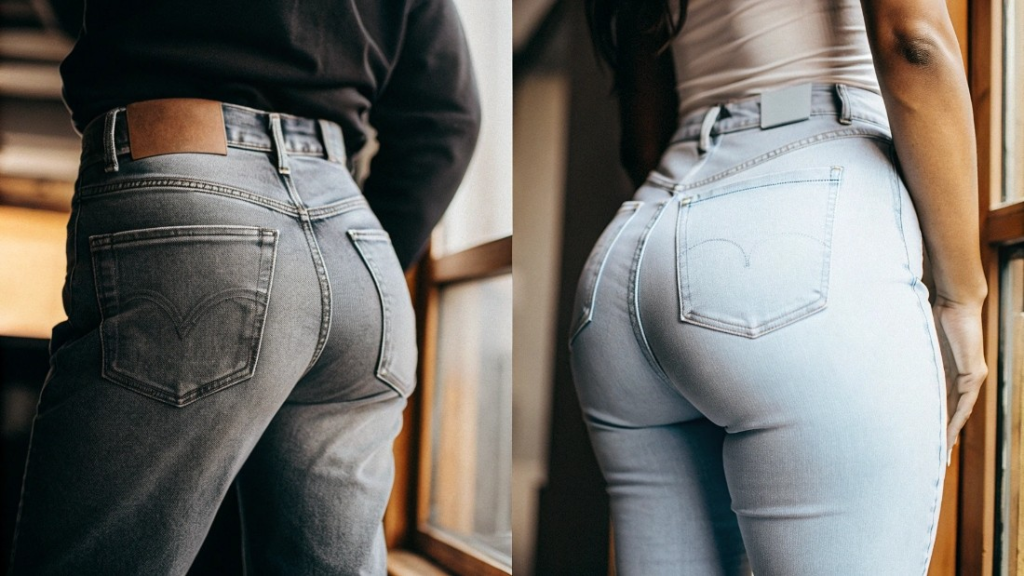
What Makes Jeans Look More Masculine?
Several design characteristics are commonly associated with masculine denim styles.
1. Straight and Relaxed Fits
One of the strongest indicators of masculine denim is the silhouette.
Common men’s jean fits include:
- Straight Leg
- Relaxed Fit
- Loose Fit
- Athletic Fit
- Carpenter Jeans
These styles generally create a straighter line from the hip to the ankle and minimize emphasis on body curves.
The result is a more structured and utilitarian appearance.
2. Lower Rise Construction
Traditional men’s jeans often feature:
- Mid-rise
- Low-rise
- Regular-rise waistlines
These rises create a longer torso appearance and contribute to a classic masculine silhouette.
3. Heavier Denim Fabrics
Masculine denim styles frequently use:
- 12 oz to 16 oz denim
- Rigid cotton denim
- Raw denim
- Selvedge denim
Heavier fabrics provide durability and structure, creating a rugged aesthetic associated with traditional workwear.
4. Dark Washes and Minimal Decoration
Men’s jeans often feature:
- Dark indigo washes
- Black denim
- Minimal fading
- Clean finishes
Compared to decorative designs, these simpler treatments communicate functionality and durability.
5. Larger Functional Pockets
Pocket dimensions significantly affect garment perception.
Masculine designs typically include:
- Larger back pockets
- Deeper front pockets
- Functional utility pockets
These practical features reinforce the workwear heritage of denim.
What Makes Jeans Look More Feminine?
Women’s denim styles often emphasize body contours, flexibility, and fashion-forward detailing.
1. Curve-Enhancing Silhouettes
Popular feminine fits include:
- Skinny Jeans
- Slim Fit Jeans
- Bootcut Jeans
- Flared Jeans
- Curvy Fit Jeans
These designs are intended to highlight the natural shape of the hips and legs.
2. High-Rise Waistlines
High-rise jeans remain one of the most recognizable feminine denim features.
Benefits include:
- Enhanced waist definition
- Longer leg appearance
- Improved body contouring
High-rise styles continue to dominate many women’s denim collections worldwide.
3. Stretch Denim Technology
Women’s jeans frequently incorporate:
- Elastane
- Spandex
- Stretch blends
These materials improve comfort while maintaining a close-fitting silhouette.
4. Decorative Design Elements
Feminine denim often includes:
- Embroidery
- Distressing details
- Decorative stitching
- Fashion washes
- Branded hardware
These details add visual interest and strengthen fashion appeal.
5. Strategic Pocket Placement
Pocket positioning can visually influence body proportions.
Smaller or slightly elevated back pockets often create a more flattering silhouette and are commonly used in women’s denim development.
What Role Do Fabric, Wash & Hardware Details Play?
Fabric and finish are key visual and tactile gender cues in denim design.
1. Fabric Weight & Composition
- Masculine: 12–16 oz rigid or selvedge denim, structured and durable.
- Feminine: 8–12 oz stretch denim with elastane, modal, or Tencel for softness and drape.
2. Wash & Distressing
- Masculine: Raw or dark indigo washes, bold whiskering, honeycombs, and larger knee distressing.
- Feminine: Light washes, subtle whiskers at the hips, soft fading, and delicate micro-distressing.
3. Hardware Details
- Masculine: Brass/copper rivets, exposed metal buttons, rugged finishes.
- Feminine: Silver or matte-nickel hardware, concealed buttons, decorative embellishments.
4. Pocket Design
- Masculine: Deeper, straighter pockets for function and structure.
- Feminine: Shallower, angled pockets and lower back-pocket placement to enhance shape.
| Detail | Masculine Typical | Feminine Typical |
|---|---|---|
| Fabric | 12–16 oz rigid denim | 8–12 oz stretch denim |
| Wash | Raw, dark indigo | Light wash, soft fading |
| Hardware | Brass/copper, exposed | Silver/nickel, refined |
| Distressing | Bold knee wear | Subtle whiskers |
| Pockets | Deep & straight | Shallow & curved |
By adjusting fabric weight, wash effects, hardware, and pocket construction, brands can create jeans that align with different aesthetic and fit preferences while maintaining a distinct identity.
How Can Styling & Customization Finalize Gender Expression?
Styling and customization complete the gender message of denim, turning construction into perception.
1. Masculine Styling
- Look: Straight-leg or rigid jeans with oversized tees, flannels, or bomber jackets
- Footwear: Work boots, sneakers
- Details: Chunky belts, minimal accessories
- Customization: Leather patches, engraved brass buttons, heavy topstitching
2. Feminine Styling
- Look: High-rise skinny jeans with fitted tops, blouses, or crop tops
- Footwear: Heels, strappy sandals, pointed flats
- Details: Thin belts, delicate jewelry
- Customization: Embroidery, rhinestones, silver hardware accents
3. Androgynous / Gender-Neutral
- Look: Mid-rise straight or loose fits with neutral tees and jackets
- Footwear: Chunky sneakers, minimal shoes
- Customization: Monochrome washes, debossed logos, reversible patches
4. Brand Customization Options
Brands can refine identity through:
- Pocket shape & placement adjustments
- Belt-loop width and positioning
- 200+ hardware finishes (e.g., brass, gunmetal, rose gold)
- Custom labels, packaging, and trims
Summary: Styling defines perception, while customization locks in identity—ranging from clearly gendered aesthetics to fluid, unisex expressions.
Masculine vs Feminine Jeans: Technical Comparison
| Feature | Masculine Jeans | Feminine Jeans |
| Fit | Straight, Relaxed | Curvy, Skinny |
| Rise | Mid-Low | Mid-High |
| Fabric Weight | 14-16 oz | 9-12 oz |
| Stretch Content | Lower | Higher |
| Pocket Design | Larger | Smaller |
| Hardware | Brass, Gunmetal | Nickel, Decorative |
| Wash Style | Rugged, Dark | Soft, Fashion-Oriented |
Why Fashion Brands Work With Newasia Garment Co., Ltd.
Developing successful denim products requires more than manufacturing capacity.
It requires expertise in design translation, pattern engineering, fabric sourcing, wash development, quality control, and scalable production.
Newasia Garment Co., Ltd. supports fashion brands through comprehensive OEM and ODM apparel manufacturing services, helping clients transform product concepts into commercially viable collections.
Our capabilities include:
- Denim product development
- Pattern making
- Sampling services
- Fabric sourcing
- Custom wash development
- Private label manufacturing
- Quality assurance programs
- Bulk production management
Newasia Garment Co., Ltd. is also a manufacturing partner for internationally recognized brands such as American Eagle Outfitters, Uniqlo, Zara, Gap, Levi’s, and Lee, reflecting extensive experience across multiple market segments and consumer demographics.
By understanding how different regions interpret masculine, feminine, and gender-neutral denim aesthetics, our team helps brands create products aligned with market demand.
Frequently Asked Questions
Q1:Are men’s and women’s jeans cut differently?
Yes. Men’s jeans generally feature straighter silhouettes and lower rises, while women’s jeans often emphasize curves through tailored shaping and higher waistlines.
Q2:Can women wear masculine-style jeans?
Absolutely. Relaxed and straight-leg jeans have become popular across all demographics due to their comfort and versatility.
Q3:What type of jeans look most feminine?
High-rise, slim-fit, bootcut, and flare jeans are often perceived as more feminine because they accentuate body contours.
Q4:What are gender-neutral jeans?
Gender-neutral jeans are designed without traditional gender-specific styling and focus on universal fit and comfort.
Q5:Are gender-neutral jeans becoming more popular?
Yes. Many modern brands are expanding unisex denim offerings to meet changing consumer preferences.
Conclusion
What makes jeans look masculine or feminine isn’t a single feature—it’s the combination of silhouette, rise, fabric, wash, hardware, and styling.
Straight-leg cuts, rigid denim, and workwear-inspired details often create a masculine appearance. High-rise fits, stretch fabrics, and contour-enhancing construction tend to feel more feminine. Meanwhile, modern consumers increasingly embrace gender-neutral denim that combines elements from both styles.
At Newasia Garment, we help fashion brands bring these concepts to life through professional OEM and ODM denim manufacturing. From custom baggy jeans and selvedge denim to premium stretch jeans and gender-neutral collections, our team provides complete development and production solutions tailored to your market.
Ready to create your next bestselling denim collection? Contact Newasia Garment today to discuss your custom specifications, request samples, and receive a competitive manufacturing quote.
Read more