

Zara is one of the most influential names in global fast fashion. Known for trend-driven design, rapid product turnover, and accessible pricing, Zara jeans are widely worn across Europe, Asia, and North America.
However, from the perspective of apparel manufacturing, sourcing strategy, and long-term product value, Zara jeans also present several structural limitations that are often overlooked by consumers and emerging fashion brands.
From a production standpoint, these limitations are closely tied to fast fashion manufacturing economics: balancing speed, cost efficiency, and trend responsiveness often comes at the expense of durability and long-term garment optimization.
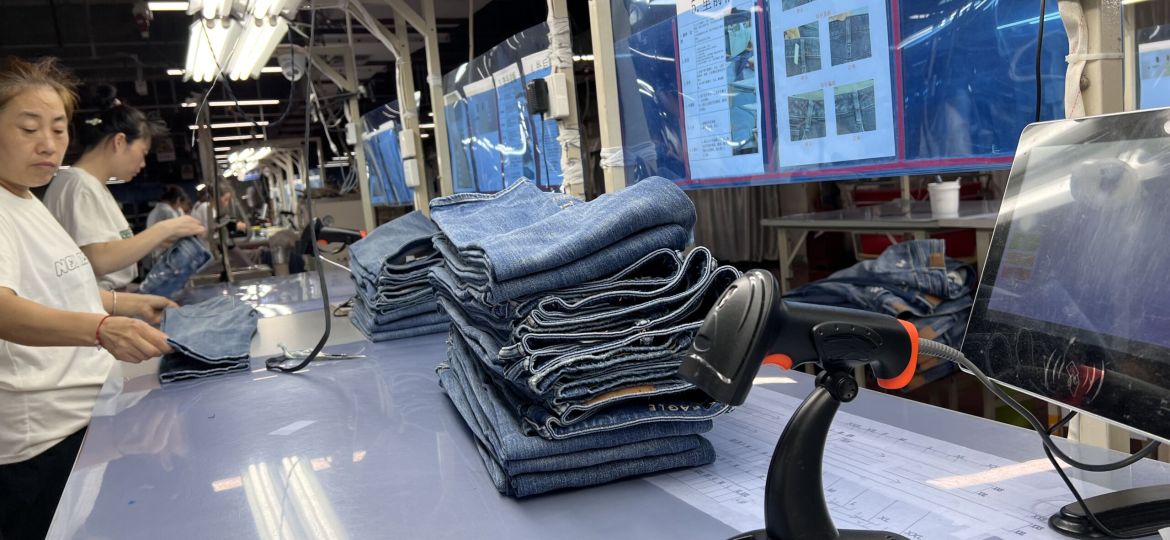
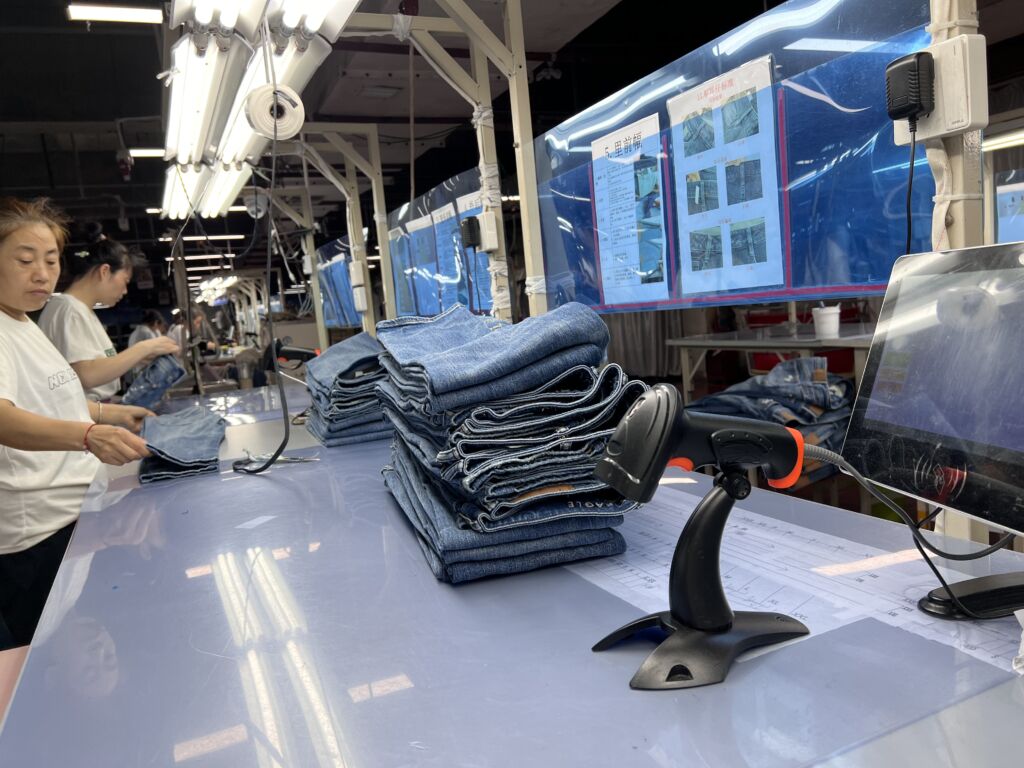
At Newasia Garment Co., Ltd., we specialize in full-process apparel manufacturing for global brands and emerging labels. Our production system ensures consistent quality from concept to final shipment.
We are also a long-term manufacturing partner of global fashion brands such as American Eagle Outfitters, Uniqlo, Gap Inc., Levi’s, and Lee, demonstrating our capability in large-scale, high-standard apparel production.
Key Disadvantages of Zara Jeans
1. Limited Durability Compared to Premium Denim Brands
To support fast fashion pricing and rapid turnover cycles, denim fabrics are often optimized for cost efficiency rather than long-term wear. As a result, Zara jeans may show earlier signs of fading, stretching, or seam wear compared to higher-end denim specialists such as Levi’s.
2. Inconsistent Fit Across Collections
Because Zara frequently updates its denim styles in short production cycles, sizing and fit can vary between collections. This inconsistency can create challenges for consumers seeking reliable repeat purchases of the same cut or silhouette.
3. Fast Product Lifecycle and Low Continuity
Zara’s business model prioritizes speed and trend responsiveness. While this ensures constant newness, it also means many denim styles have short retail lifespans, making it difficult for consumers to reorder the same product over time.
4. Mass Production Trade-Offs in Finishing Details
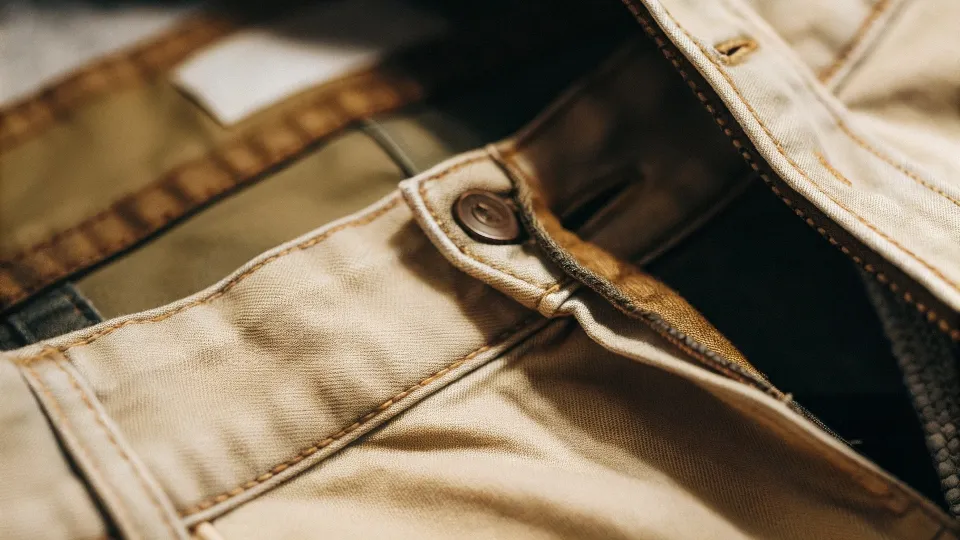
In order to scale production efficiently, certain premium finishing processes—such as reinforced stitching, advanced washing techniques, or heavier-weight denim—may be simplified. This can impact perceived quality and long-term garment structure.
5. Environmental and Sustainability Concerns
Like many fast fashion brands, Zara’s high-volume production model contributes to increased resource consumption and textile waste. Although sustainability initiatives are expanding, the core business structure remains volume-driven.
Supply Chain Limitations Behind Fast Fashion Jeans
The disadvantages of Zara jeans are not just product-level issues—they are deeply rooted in the fast fashion supply chain model.
Brands like Zara, Uniqlo, Gap, Levi’s, Lee, and American Eagle Outfitters operate with different sourcing strategies, but fast fashion systems typically prioritize speed over long-term fabric optimization.
This is where many brand owners begin to rethink their sourcing strategy.
Are Zara Jeans Durable Enough for Long-Term Wear?
Zara jeans are generally designed for short-to-medium term fashion cycles rather than long-term durability. Many customers notice wear issues such as fading, thinning fabric, or seam stress after repeated washes.
This is largely due to fast-fashion production priorities:
- Lighter denim weights to support trend variety and comfort
- Cost-efficient stitching methods rather than reinforced construction
- Mass dyeing processes that can reduce long-term color stability
As a result, Zara jeans are often better suited for seasonal styling rather than being considered investment denim pieces.
In contrast, Newasia Garment focuses on production options that prioritize fabric strength, reinforced stitching, and customized denim weights, helping brands develop jeans designed for longer wear and higher customer retention.
Do Zara Jeans Have Consistent Sizing and Fit?
One of the most common complaints about Zara jeans is inconsistent sizing across different styles. A customer may wear one size comfortably in one fit, but need a different size in another cut.
This inconsistency comes from:
- Rapidly changing pattern blocks across collections
- Different stretch levels in fabric blends
- Region-based sizing adjustments
For end customers, this often leads to confusion, returns, and inconsistent fit expectations.
With an OEM/ODM approach like Newasia Garment, sizing can be standardized and customized. Brands can define precise measurement specs, grading rules, and fit adjustments to ensure consistent sizing across every production batch.
Is Zara Denim Considered Premium in Fabric Quality?
Zara denim typically sits in the mid-tier category. While visually stylish, it does not usually match premium denim standards in terms of fabric sourcing or construction.
Common characteristics include:
- Lightweight denim blends for flexibility and cost efficiency
- Industrial washing and finishing to simulate worn effects
- Broadloom fabric production for fast scaling
These methods support speed and affordability but can reduce long-term durability and natural aging quality.
Newasia Garment, on the other hand, supports more advanced fabric sourcing options, including heavier denim weights, cotton-rich blends, and custom wash development—allowing brands to achieve either premium raw denim aesthetics or modern stretch comfort styles depending on their market needs.
How Sustainable and Ethical Are Zara Jeans?
Zara has introduced sustainability initiatives, but its fast-fashion model still relies on high production volumes and rapid turnover.
Common concerns include:
- Large-scale garment output and overproduction risk
- Environmental impact from conventional cotton and chemical washes
- Complex global supply chains with varied labor standards
While improvements are ongoing, fast-fashion inherently prioritizes speed over full lifecycle sustainability.
OEM/ODM partners like Newasia Garment offer brands more control over sustainable choices, such as:
- Organic or recycled cotton options
- Water-reduction washing techniques
- Transparent production planning and controlled manufacturing volumes
This allows brands to align production more closely with sustainability goals.
Can Zara Compete with OEM/ODM Factories in Customization?
Zara offers very limited customization since its model is built around mass-market retail collections. Designs are not available for private labeling or brand-level modification.
Limitations include:
- No private-label production options
- Fixed design cycles based on global trends
- No flexibility in fabric, trims, or construction details
- High minimum production volumes per style
By contrast, Newasia Garment specializes in OEM/ODM denim development, offering:
- Custom fabric sourcing and wash development
- Adjustable fits and grading systems
- Private-label branding and hardware customization
- Flexible production quantities depending on project needs
This makes it especially suitable for fashion brands, boutiques, and startups building their own denim identity.
For Fashion Brands & Wholesale Buyers
If you are looking to develop higher-quality denim products with:
- OEM & ODM Manufacturing
- Custom Denim Wash Development
- Private Label Jeans Production
- Sustainable Fabric Solutions
- Flexible MOQ & Global Shipping
Working with a professional denim manufacturer can help you move beyond fast fashion limitations and build stronger product identity in your market.
Newasia Garment as a Reliable Denim Manufacturing Partner
Newasia Garment Co.,Ltd. is a professional garment manufacturing company specializing in denim and casual apparel production.
The company provides OEM/ODM services and works with international fashion brands including:
- American Eagle Outfitters
- Uniqlo
- Zara
- Gap
- Levi’s
- Lee
Compared with fast fashion retail production models, a dedicated manufacturer like Newasia Garment Co.,Ltd. focuses on:
- More stable denim quality control
- Long-term production consistency
- Flexible customization for brand needs
- Better balance between cost and durability
For brands evaluating the disadvantages of Zara jeans, the key takeaway is not only product comparison—but understanding that manufacturing partners directly determine product quality outcomes.
Frequently Asked Questions
Q1:Are Zara jeans good quality?
Zara jeans offer acceptable quality for fast fashion standards, but they are not designed for long-term durability compared to premium denim brands.
Q2:Why do Zara jeans wear out quickly?
They are typically produced using lighter fabrics and fast fashion manufacturing processes that prioritize trend cycles over long-term wear.
Q3:Are Zara jeans sustainable?
Zara has introduced sustainability initiatives, but fast fashion denim production still has environmental limitations compared to eco-focused manufacturers.
Q4:Can brands customize jeans like Zara?
No. Zara does not offer customization. Brands must work with OEM/ODM denim manufacturers for private label production.
Conclusion
Zara jeans succeed in delivering fast, stylish, and affordable fashion, but they come with limitations in durability, sizing consistency, fabric depth, sustainability, and customization.
For businesses and designers aiming to build long-term denim collections with stronger control over quality and branding, Newasia Garment provides a more flexible OEM/ODM manufacturing solution—helping turn design concepts into consistent, scalable, and brand-ready denim products.
Read more