

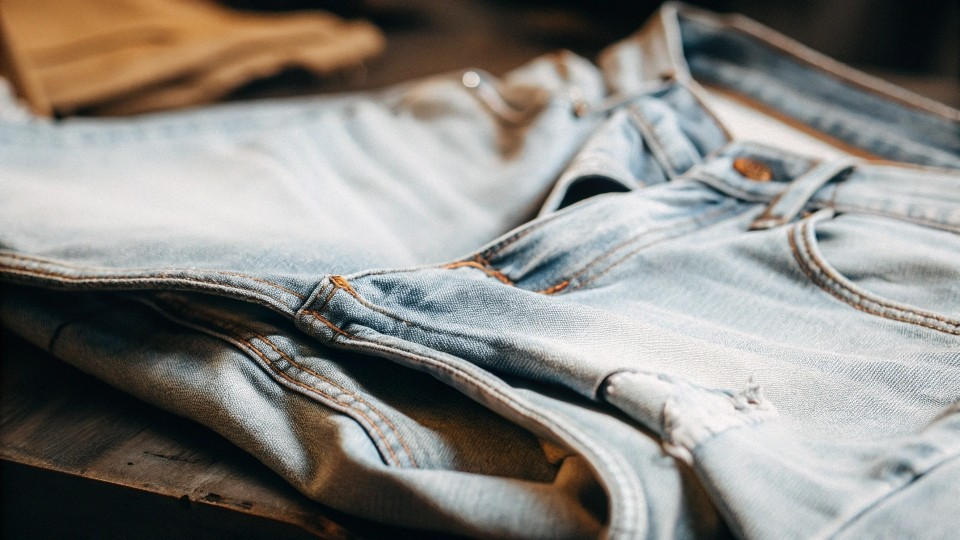
Denim fabric is one of the most widely used materials in the global apparel industry, but it is also one of the most technically complex fabrics to produce consistently at scale.
For fashion brands, wholesalers, and apparel buyers, understanding the problems that arise in denim fabric is essential not only for product quality, but also for cost control, customer satisfaction, and long-term brand reputation.
At denim fabric production, we specialize in addressing the common challenges that arise throughout the manufacturing process. Our quality control system ensures consistent fabric performance from yarn selection to finished denim. Typical issues include uneven dyeing, shrinkage, fading, skewing, and fabric distortion, which can affect both appearance and durability. We work closely with global apparel brands to manage these challenges, demonstrating our capability in producing high-quality denim that meets strict standards for large-scale production.
This guide explains the most common denim fabric problems, their technical causes, and how experienced manufacturers prevent them in real production environments.
Why Denim Fabric Problems Matter in Apparel Production
Unlike basic cotton fabrics, denim undergoes multiple complex processes including yarn spinning, weaving, dyeing, finishing, and washing.
Each stage introduces potential risks that may affect:
- Fabric stability
- Color consistency
- Garment durability
- Fit retention after washing
- Customer wearing experience
Understanding these risks is essential for any brand working with denim products.
Fading and uneven color loss
Denim is famous for fading—but uncontrolled fading is a defect, not a style.
Indigo dye does not fully penetrate the fiber. Instead, it sits on the surface. When the fabric rubs against itself or other surfaces, the dye gradually wears off.
What goes wrong:
- Knees and thighs fade faster
- Uneven color patches appear
- Dark-to-light contrast becomes inconsistent
At Newasia Garment Co.,Ltd., we often see this when dye fixation is weak or washing processes are not balanced.
Shrinkage and shape distortion
Denim is mostly cotton, and cotton reacts strongly to heat and water.
During washing or tumble drying, fibers contract and tighten, causing shrinkage.
Common results:
- Waist becomes tighter
- Length reduces slightly
- Seams twist or skew
If the fabric is not pre-shrunk or properly sanforized, shrinkage can become a major complaint.
Pilling and surface roughness
Pilling happens when short fibers break and tangle on the surface.
Friction from washing, sitting, or rubbing causes tiny fiber balls to form.
Visible effects:
- Small fuzz balls on thighs and seat area
- Rougher hand feel over time
- Old or worn-out appearance
Lower-quality yarns or loose spinning processes increase this problem.
Loose fibers and lint shedding
Some denim releases excess fibers after production, especially if it is not properly brushed or washed.
What users notice:
- Blue lint on hands or shoes
- Fuzz transferring to other clothes
- Dust-like particles after wear
This is usually a finishing issue, not a raw material problem.
Hardware corrosion and rust stains
Denim garments often include metal buttons, rivets, and zippers.
When exposed to water, detergent, or humidity, low-quality metal parts can oxidize.
Results include:
- Rust stains around pockets
- Discoloration on fabric edges
- Weakening of metal attachments
At Newasia Garment Co.,Ltd., we recommend anti-rust coatings or high-grade alloy hardware to avoid this.
Seam twisting and structural imbalance
Denim fabric has a natural torque because of twill weaving.
If cutting and sewing are not aligned properly, garments may twist after washing.
Problems include:
- Side seams rotating forward
- Legs not hanging straight
- Pockets shifting out of position
This is a common production issue in low-cost manufacturing.
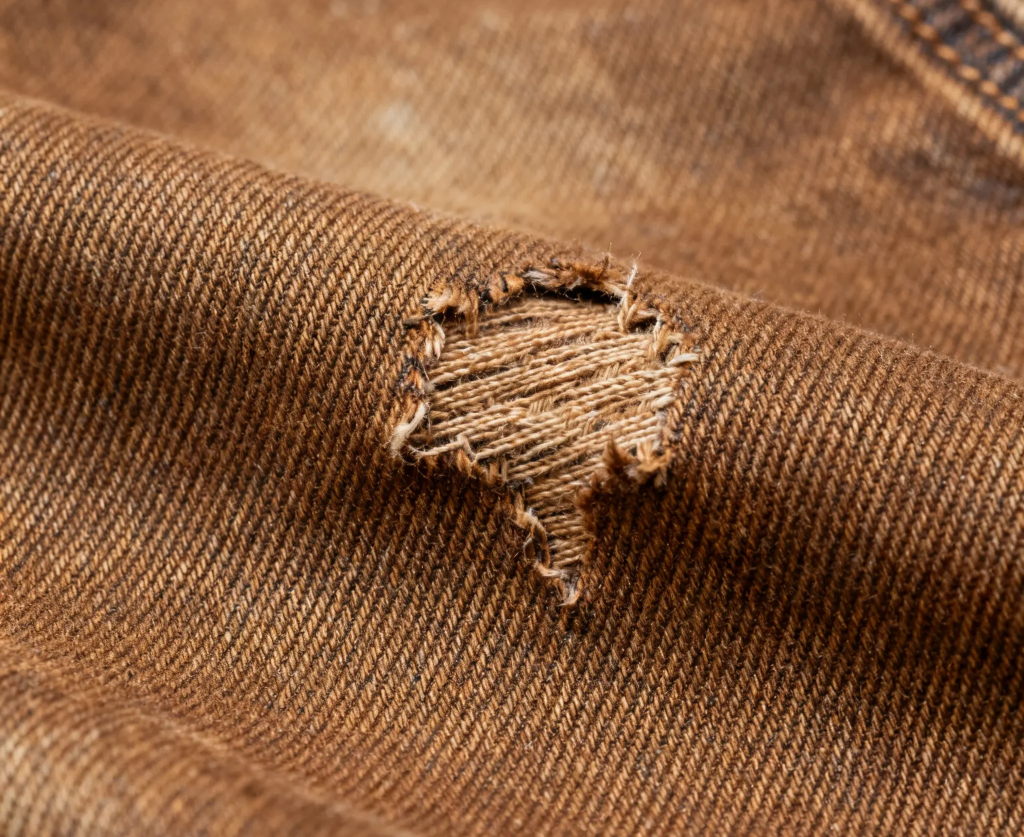
Summary of denim problems
| Problem | Main Cause | Result |
|---|---|---|
| Fading | Surface indigo dye | Uneven color |
| Shrinkage | Cotton fiber reaction | Size reduction |
| Pilling | Fiber breakage | Rough surface |
| Lint shedding | Loose fibers | Fabric fuzz |
| Rust stains | Metal oxidation | Discoloration |
| Seam twisting | Pattern imbalance | Distorted shape |
How Professional Manufacturers Prevent Denim Fabric Problems
Experienced denim manufacturers do not simply react to problems—they prevent them at the engineering stage.
Key preventive strategies include:
- Pre-shrinking control (Sanforization optimization)
- Indigo dye penetration management
- Yarn selection based on end-use application
- Fabric relaxation before cutting
- Wash testing and bulk production simulation
- Elastic recovery testing for stretch denim
These processes significantly reduce production risks and improve consistency across large-scale orders.
Industry Standards Used by Global Fashion Brands
Leading fashion brands require strict control over denim fabric performance to ensure consistency across global markets.
Brands such as American Eagle Outfitters, Uniqlo, Zara, Gap, Levi’s, and Lee maintain high technical standards for:
- Shrinkage tolerance
- Color fastness grades
- Fabric strength
- Wash durability
Meeting these standards requires advanced production capability and long-term manufacturing experience.
Why Work with Newasia Garment Co., Ltd.
Newasia Garment Co., Ltd. is an experienced apparel manufacturer specializing in denim fabric development and garment production.
We are also a long-term manufacturing partner of global fashion brands such as American Eagle Outfitters, Uniqlo, Zara, Gap, Levi’s, and Lee.
Our expertise includes:
- Denim fabric engineering and development
- OEM and ODM denim garment production
- Quality control across full production cycles
- Wash development and finishing optimization
- Large-scale production for international brands
With extensive experience in both woven and stretch denim products, we help brands reduce production risks and ensure consistent quality across different markets.
Strong Quality Control System
Our production process includes:
- Fabric inspection before production
- In-line production quality control
- Final random inspection (FRI)
- Wash effect and color consistency control
This ensures that every garment meets strict international standards.
Advanced Denim Manufacturing Capabilities
We specialize in solving common denim problems through:
- Stable dyeing and finishing processes
- Pre-shrink technology to control garment size stability
- High-precision cutting and sewing systems
- Sustainable washing and finishing techniques
Causes and Solutions Provided by Newasia Garment Co., Ltd.
At Newasia Garment Co., Ltd., we address these problems using advanced technology and strict quality control:
- Shrinkage control: Pre-wash processes and fiber quality testing ensure minimal size change.
- Fade resistance: Our dyeing techniques guarantee stable color, even after multiple washes.
- Fabric strength: Rigorous tensile testing prevents weak spots and enhances longevity.
- Consistent dyeing: Specialized machines ensure uniform color across the fabric.
- Comfort enhancement: Softening treatments improve the touch and flexibility of denim.
By focusing on these solutions, we not only prevent common denim issues but also deliver products that meet the standards of global brands.
Frequently Asked Questions
Q1:Why does denim shrink after washing?
Denim shrinks due to the natural contraction of cotton fibers when exposed to heat and moisture.
Q2:Why does denim fade easily?
Indigo dye sits on the surface of denim fibers, making it prone to gradual fading over time.
Q3:How can denim quality problems be reduced?
By using high-quality yarns, controlled dyeing processes, and strict quality inspection systems.
Q4:What is the most common denim defect?
Shrinkage, color fading, and twisting are among the most common issues in denim production.
Conclusion
Denim fabric offers durability and timeless appeal, but it is also prone to several production and performance issues if not properly managed.
With advanced manufacturing systems and strict quality control, Newasia Garment Co.,Ltd. ensures stable, high-quality denim production for global fashion brands such as American Eagle Outfitters, Uniqlo, Zara, Gap, Levi’s, and Lee.
By partnering with an experienced manufacturer, fashion brands can significantly reduce fabric risks and ensure consistent product excellence in global markets.
Read more
- How to Investigate a Garment Quality Claim: From Symptom to Root Cause and CAPA
- Garment Packaging Quality Control: Preventing Creases, Print Damage and Shape Distortion
- How to Validate Pocket Function and Placement Before Bulk Production
- How to Standardize Fabric Hand Feel Across Production Lots
- Movement Fit Testing for Apparel: How to Check Ride-Up, Slippage, and Range of Motion