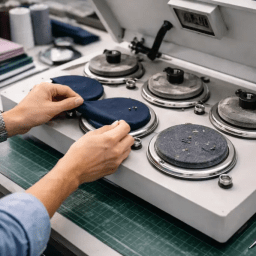

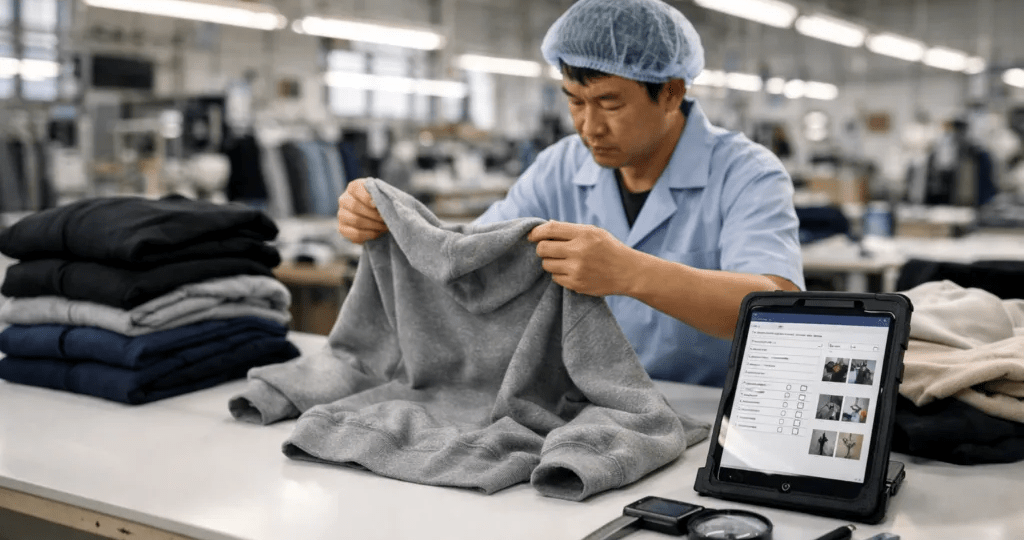
In the global knitwear supply chain, heavy knitwear products—such as heavyweight sweaters, thick pullovers, and structured cardigans—are considered high-risk items for quality variation. The thickness of the fabric, complex knitting structures, and multiple finishing processes all increase the likelihood of defects if quality control is not properly managed.
For apparel brands, wholesalers, and private label buyers, a well-defined quality inspection checklist for heavy knitwear is not just a production formality—it is a critical tool for protecting brand reputation, ensuring product consistency, and reducing costly returns.
If you are searching for a quality inspection checklist for heavy knitwear, you are likely involved in sourcing or manufacturing premium knit garments such as heavyweight sweaters, cardigans, hoodies, or structured knitwear. In today’s competitive apparel market, quality directly determines customer satisfaction and brand value.
At Newasia Garment Co., Ltd., we specialize in full-process hoodie and casualwear manufacturing for global brands and emerging labels. Our production system ensures consistent quality from fabric sourcing, pattern development, production, to final shipment, helping brands build a stable and efficient supply chain.
We are also a long-term manufacturing partner of global fashion brands such as American Eagle Outfitters, Uniqlo, Zara, Gap, Levi’s, and Lee, demonstrating our capability in large-scale, high-standard apparel production and supply chain management.
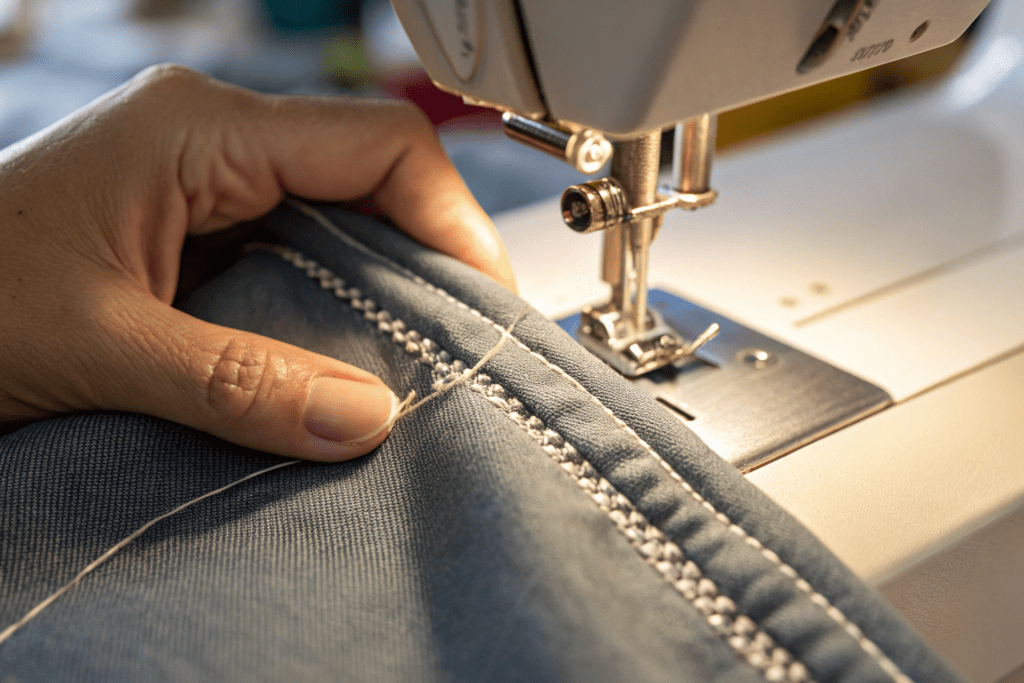
What is Heavy Knitwear Quality Inspection?
Heavy knitwear inspection refers to the systematic evaluation of thick knitted garments (usually 200gsm and above), focusing on:
- Fabric stability
- Stitch integrity
- Dimensional consistency
- Wash performance
- Appearance after finishing
Unlike woven garments, knitwear requires continuous monitoring due to its loop-based structure.
Why Quality Inspection Matters for Heavy Knitwear
Heavy knitwear products are more complex than basic garments. They involve thicker yarns, denser structures, and more sensitive finishing processes.
Without proper inspection, brands risk:
- Loose or broken stitches
- Uneven knitting tension
- Shrinkage after washing
- Color inconsistency
- Deformed shaping after wear
- High return and complaint rates
A strong inspection system ensures consistency, durability, and premium positioning in the market.
What Should a Quality Inspection Checklist for Heavy Knitwear Include?
As a manufacturer of heavyweight garments, we know that a generic checklist is not enough for complex knitwear. Due to thicker yarns, structured knitting, and multiple finishing steps, heavy knitwear requires a more detailed and specialized QC system. A clear and comprehensive checklist ensures every piece meets brand standards, fit expectations, and durability requirements.
A professional quality inspection checklist for heavy knitwear should include the following key areas:
1. Visual Inspection
Check overall garment appearance for:
- Yarn defects (slubs, knots, uneven thickness)
- Knitting faults (holes, dropped stitches, misalignment)
- Oil stains, dirt, or contamination
- Color shading differences between panels
2. Measurement & Fit Checks
Verify all key measurements against spec:
- Chest width, body length, sleeve length
- Rib openings (neck, cuff, hem elasticity)
- Symmetry between left and right panels
Heavy knitwear must maintain size stability despite fabric weight.
3. Fabric & Structure Inspection
Evaluate fabric performance:
- GSM (fabric weight) consistency
- Stitch density and knitting tightness
- Fabric recovery and elasticity
- Shape retention after stretching
4. Functional Testing
Ensure durability and wearability:
- Seam strength and linking quality
- Rib recovery after stretch
- Pilling resistance (especially for sweaters)
- Wash and shrinkage testing
5. Finishing Quality Check
Inspect final processing:
- Evenness of washing or garment dye
- Softness and hand feel
- Proper pressing and shape setting
- No distortion or twisting after finishing
6. Labeling & Packaging Inspection
Confirm all branding and packing details:
- Correct size labels and care labels
- Barcode and hangtag accuracy
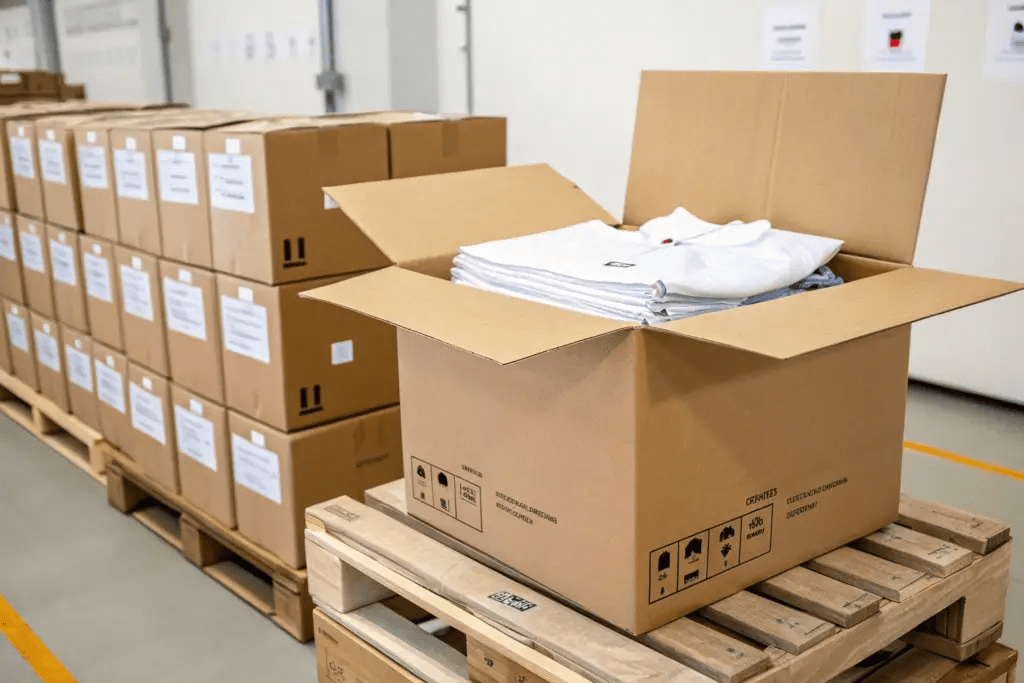
- Folding consistency for heavy garments
- Packaging suitable for bulk transport without deformation
7. Compliance & Safety Standards
Ensure products meet market requirements:
- Colorfastness to washing and rubbing
- Chemical compliance (e.g., azo-free dyes)
- Needle detection (if required)
- Export market regulations
Result:
A well-structured quality inspection checklist for heavy knitwear helps prevent hidden defects, sizing inconsistencies, and finishing issues, ensuring every garment delivered meets premium quality standards and customer expectations.
Which Measurement Points Should Be on Your Quality Inspection Checklist for Heavy Knitwear?
The measurement points for heavy knitwear differ from lightweight garments due to fabric thickness, elasticity, and structure stability. A sweater or heavyweight knit top requires more precise control to ensure it maintains shape, balance, and fit after washing and wearing.
Below is a standard reference table for quality inspection checklist for heavy knitwear:
| Garment Type | Critical Measurement Points |
|---|---|
| Heavy Knitwear (Sweaters, Pullovers, Cardigans) | Chest (measured flat, 1″ below armhole), Body length (HPS to hem), Shoulder width, Sleeve length (shoulder to cuff), Sleeve opening, Armhole depth, Neck width, Neck rib height, Hem rib width |
| Oversized Knitwear | Chest (wider tolerance), Dropped shoulder width, Body length, Sleeve length (extended), Sleeve opening, Armhole depth (deeper), Hem width |
| Ribbed Knitwear | Chest (with stretch control), Body length, Shoulder width, Sleeve length, Cuff rib width (relaxed & stretched), Hem rib elasticity |
| Structured Heavy Knit Tops | Chest, Waist (if shaped), Shoulder width, Sleeve length, Armhole depth, Neckline width, Hem sweep |
At Newasia Garment Co., Ltd., we do not rely on experience alone or informal checks. Our quality control team uses a detailed measurement specification sheet for every knitwear style, developed directly from the tech pack.
Each sheet clearly defines:
- Measurement points and methods
- Target specifications
- Acceptable tolerance ranges
This standardized system ensures measurement accuracy, size consistency, and reduced bulk production errors, especially for complex heavy knitwear garments.
Complete Quality Inspection Checklist for Heavy Knitwear
Below is a professional checklist used across production lines and final inspections.
1. Raw Material Inspection (Yarn Quality)
Before production begins, yarn quality must be checked:
- Fiber composition matches specification (e.g., wool, cotton, acrylic blends)
- Yarn thickness consistency (no variation in count)
- No contamination or impurities
- Color fastness of dyed yarn
- Strength and elasticity test
✔ High-quality yarn = stable knit structure and longer garment life
2. Knitting Quality Inspection
During fabric production, inspect knitted panels carefully:
- Even stitch density (no loose or tight areas)
- No dropped stitches or holes
- Consistent tension across panels
- Pattern accuracy (jacquard, rib, cable, etc.)
- No knitting machine oil stains
✔ Uneven knitting is one of the most common defects in heavy knitwear
3. Fabric Finishing Inspection
After knitting, fabric undergoes finishing processes such as washing, shrinking, and softening.
Check for:
- Shrinkage control within acceptable range
- No excessive pilling after finishing
- Smooth hand feel
- No distortion or twisting
- Correct GSM (weight per square meter)
4. Cutting Inspection
Before sewing, fabric panels must be inspected again:
- Accurate pattern alignment
- No cutting damage or jagged edges
- Symmetry between left and right panels
- Correct size grading per tech pack
- Fabric grain direction maintained
✔ Cutting errors directly affect final garment fit
5. Sewing and Assembly Inspection
During garment production, stitching quality is critical:
- Even stitch length and tension
- No skipped stitches or broken seams
- Strong seam reinforcement at stress points
- Clean finishing inside garment
- No loose threads or raw edges
Check key areas:
- Shoulder seams
- Armholes
- Side seams
- Hem and cuffs
- Collar construction
6. Measurement and Size Accuracy
Each size must match approved specifications:
- Chest width tolerance within standard range
- Sleeve length consistency
- Body length accuracy
- Symmetrical left/right measurements
- Shrinkage allowance considered
✔ Poor sizing leads to high return rates in retail
7. Color and Dye Consistency Inspection
Color consistency is essential for brand identity:
- Shade matching against approved sample
- No patchy or uneven dyeing
- No color bleeding during rubbing test
- Batch-to-batch color consistency
8. Washing and Durability Test
Heavy knitwear must withstand real-life use:
- No excessive shrinkage after wash
- No deformation after drying
- Pilling resistance test
- Color fastness under washing and friction
- Fabric elasticity recovery
9. Final Appearance Inspection
Before packaging, garments are visually inspected:
- Clean and presentable appearance
- No stains, holes, or defects
- Correct folding and presentation
- Label and branding accuracy
- Button, zipper, and accessory functionality
10. Packaging and Labeling Inspection
Final stage ensures brand presentation:
- Correct size labels and care labels
- Barcode accuracy
- Polybag sealing quality
- Carton markings and shipping labels
- No moisture or contamination in packaging
How Newasia Garment Co., Ltd. Ensures Premium Quality
At Newasia Garment Co., Ltd., we implement a multi-stage quality inspection system specifically designed for heavy knitwear production.
Our QC System Includes:
- Incoming fabric inspection (100% check)
- Inline production quality control
- Semi-finished garment inspection
- Final AQL inspection before shipment
- Random washing and durability tests
We ensure every product meets international retail standards.
Why Choose Newasia Garment Co., Ltd.
Choosing the right manufacturing partner is the most important part of quality control.
With us, you get:
- Strict multi-stage QC system
- Experienced knitwear production team
- Stable fabric sourcing network
- OEM & ODM development capability
- Reliable global shipping quality compliance
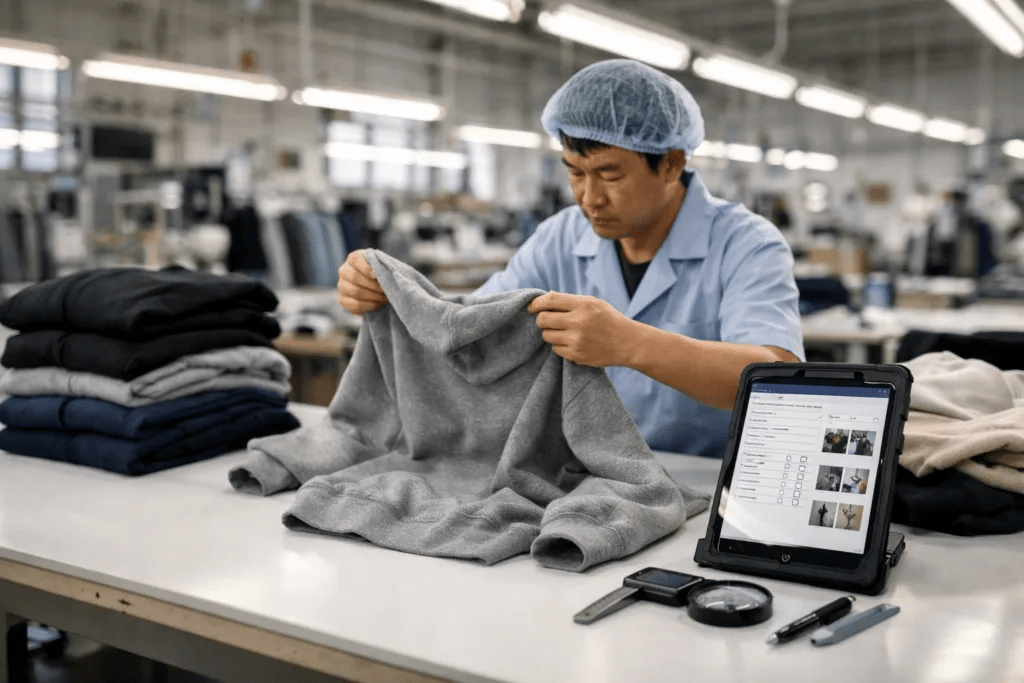
How Do We Control the Quality of Supply Chain for 100 Percent Cotton Heavy T-Shirts?
In the production of 100 percent cotton heavy T-shirts, a stable and well-managed supply chain is the foundation of consistent quality, cost efficiency, and reliable delivery. From raw cotton sourcing to final garment inspection, every stage directly influences the final product performance.
At Newasia Garment Co., Ltd., we apply a structured supply chain control system to ensure every heavyweight cotton T-shirt meets international brand standards.
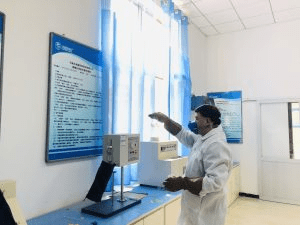
1.we test the raw materials to make our clothing. It ensures that we use the best possible materials for our products.
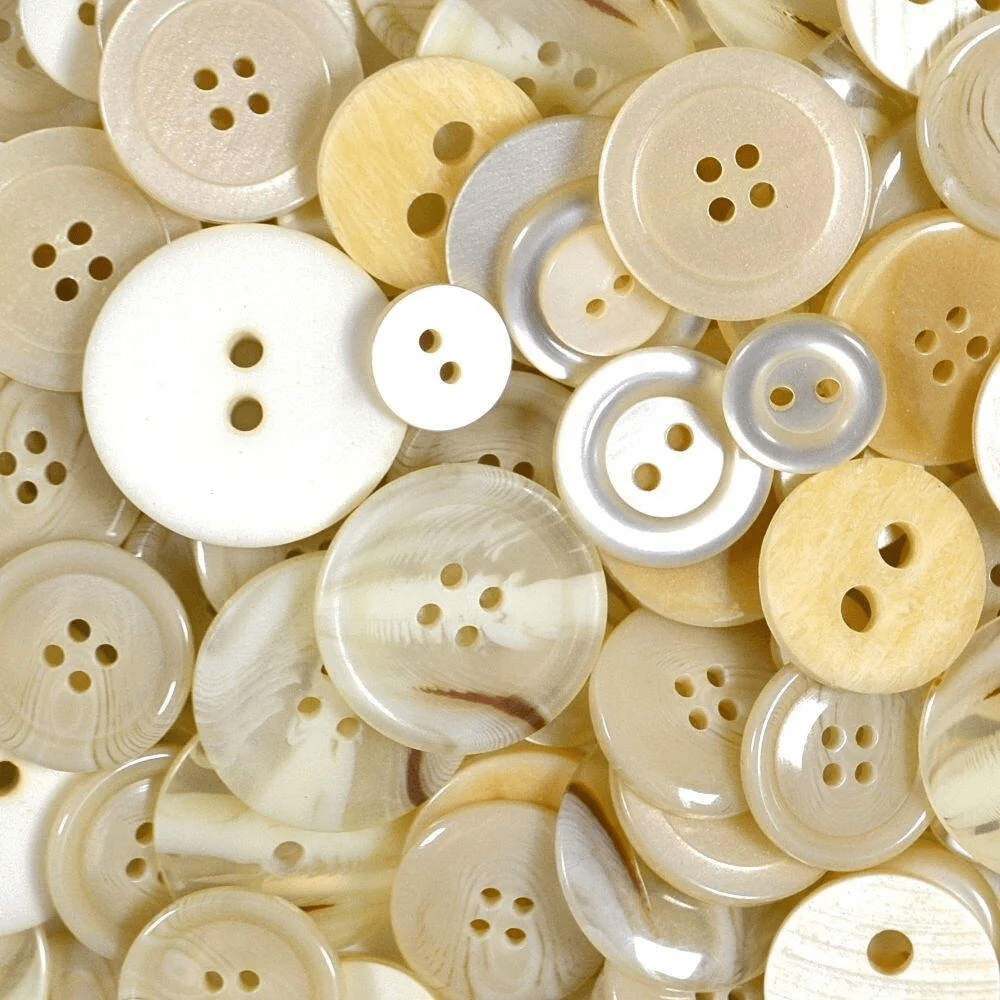
2.we use suitable quality accessories for our products. So, our clothes have good durable and long-lasting.
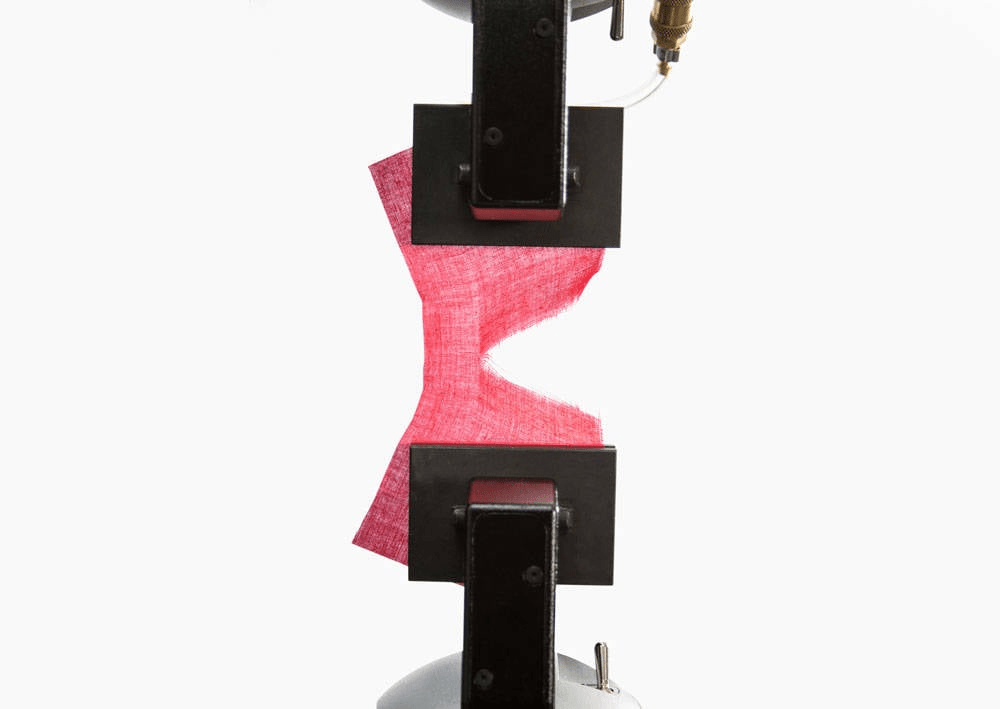
3.We test for tear strength, abrasion resistance, flammability, acid and alkali resistance, discoloration, odor, moisture wicking, water resistance, and breathability.
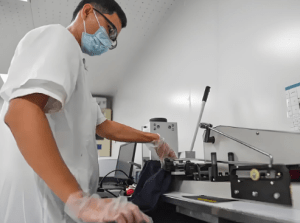
4.we are committed to providing good products. We have a strict quality management system, so our products meet international standards.
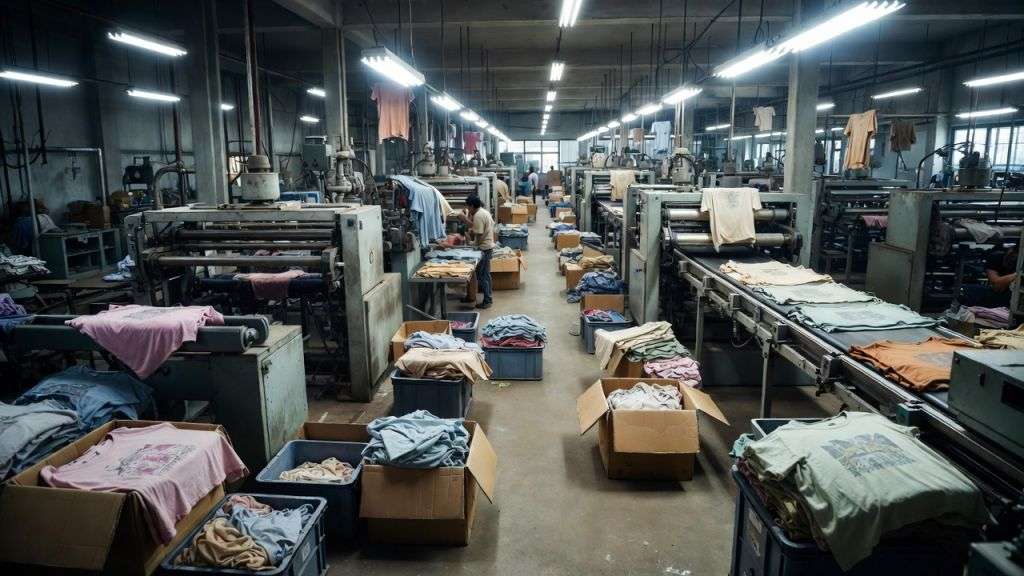
5.After manufacturing, our inspectors will again check for quality. We make sure that each meets clients’ high standards.
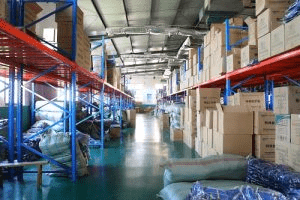
6.we pack and ship goods to our customers. We inspect each garment to ensure that it is properly packed and free of any defects.
Our Factory Advantages
- 39+ years professional clothing manufacturing experience
- 140+ production lines for stable production capacity
- Experienced pattern makers and development team
- Strict quality control system
- Flexible MOQ for growing fashion brands
- Professional international sales support
4-Step Quality Control
Every piece verified. No guesswork, no surprises.
- Incoming Material InspectionEvery roll of fabric and every trim is checked for weight, shrinkage, and color before it enters production.
- Random In-Line InspectionQC catches defects during sewing — not after the batch is finished. Problems solved early, timelines protected.
- Performance Testing (On Request)Shrinkage, colorfastness, pilling, tensile strength — tested to your destination market’s compliance standards.
- 100% Final InspectionEvery single piece is checked before packing. If a quality issue slips through, we replace it — no debate.
Newasia Garment Co., Ltd. Solutions to Common Quality Issues in Heavy Knitwear Production
| Common Quality Issue | Newasia Garment Co., Ltd. Solution |
|---|---|
| Uneven yarn tension | We use standardized yarn sourcing and calibrated knitting machines, combined with real-time tension monitoring, to ensure uniform yarn feeding and consistent fabric structure. |
| Fabric shrinkage after wash | We conduct pre-production wash and shrinkage testing, and apply finishing stabilization processes to control dimensional changes before bulk production. |
| Seam twisting or misalignment | We implement precision linking and sewing control, along with panel alignment checks during cutting and assembly, to maintain correct garment structure. |
| Color inconsistency between batches | We apply strict dye lot management, use approved color standards, and perform lab dip and bulk color verification to ensure batch-to-batch consistency. |
| Loose knitting structure | We control stitch density and knitting parameters, and perform fabric inspection before production to ensure a stable and durable knit structure. |
Result:
Through advanced knitting control, strict QC procedures, and standardized production systems, Newasia Garment Co., Ltd. effectively minimizes defects and ensures consistent, high-quality heavy knitwear production at scale.
Newasia Garment Co., Ltd. Advantages in Quality Inspection Checklist for Heavy Knitwear
When it comes to implementing an effective quality inspection checklist for heavy knitwear, execution matters just as much as the checklist itself. At Newasia Garment Co., Ltd., we combine technical expertise, standardized systems, and full-process control to ensure every heavyweight knit garment meets premium quality standards.
1. Specialized QC System for Heavy Knitwear
Unlike general apparel, heavy knitwear requires fabric-specific inspection standards. We develop customized QC checklists covering yarn quality, stitch density, fabric weight (GSM), and structural stability—ensuring no critical detail is overlooked.
2. Tech Pack–Driven Measurement Control
All inspections are based on detailed tech packs and measurement spec sheets. Each garment is checked against clearly defined measurement points and tolerance ranges, ensuring size accuracy and consistency across bulk production.
3. Multi-Stage Quality Inspection Process
We implement end-to-end QC control, including:
- Raw material inspection (yarn & fabric)
- In-line production checks
- Final garment inspection
This layered system helps identify defects early and reduce rework costs.
4. Advanced Testing for Knitwear Performance
Heavy knitwear requires durability testing beyond visual checks. We conduct:
- Shrinkage and wash testing
- Pilling resistance tests
- Colorfastness verification
- Stretch and recovery evaluation
This ensures garments maintain shape, color, and softness over time.
5. Experienced Technical & QC Teams
Our teams have extensive experience in handling complex knit structures and heavyweight fabrics, enabling accurate detection of issues like yarn tension imbalance, seam distortion, and fabric instability.
6. Integrated Supply Chain Quality Control
From yarn sourcing to final shipment, we maintain strict supplier management and process standardization, ensuring consistent quality across all production stages.
With Newasia Garment Co., Ltd., your quality inspection checklist for heavy knitwear is not just a document—it becomes a fully executed system that delivers consistent quality, reduced defect rates, and reliable bulk production performan for global brands.
FAQ: Quality Inspection Checklist for Heavy Knitwear
Q1: Why is a quality inspection checklist important for heavy knitwear?
Heavy knitwear products—such as sweaters, cardigans, and thick pullovers—have complex structures and higher defect risks. A clear checklist ensures consistent quality, accurate sizing, and reduced return rates, protecting your brand reputation.
Q2: What are the key inspection areas in heavy knitwear?
A comprehensive quality inspection checklist for heavy knitwear should include:
- Visual inspection (yarn defects, knitting faults, stains)
- Measurement checks (chest, body length, sleeve length, rib dimensions)
- Fabric performance (GSM, elasticity, recovery)
- Functional testing (seam strength, pilling resistance, shrinkage)
- Finishing quality (softness, shape retention, no distortion)
- Labeling & packaging (accuracy and protection)
Q3: How do you ensure size consistency in heavy knitwear?
At Newasia Garment Co., Ltd., we use tech pack-based measurement spec sheets with clearly defined tolerance ranges. Each garment is measured at critical points to ensure bulk consistency across all sizes.
Q4: How do you control shrinkage and fabric stability?
We conduct pre-production wash testing and apply fabric stabilization processes. Shrinkage data is integrated into production to ensure garments maintain shape and size after washing.
Q5: How do you prevent common knitwear defects?
We implement multi-stage quality control, including:
- Yarn and fabric inspection before production
- In-line checks during knitting and sewing
- Final inspection before shipment
This system helps prevent issues such as uneven tension, twisting, and loose structure.
Q6: Do you test heavy knitwear for durability?
Yes. We perform pilling tests, colorfastness tests, stretch and recovery tests, and seam strength testing to ensure garments meet long-term wear standards.
Q7: Can your QC system support large bulk orders?
Absolutely. Our standardized inspection procedures and experienced QC team ensure consistent quality across large-scale production, reducing defect rates and ensuring reliable delivery.
Q8: How does your QC system support brand requirements?
We customize our quality inspection checklist for heavy knitwear based on your brand standards, target market, and product positioning, ensuring every garment aligns with your expectations.
Conclusion
A complete quality inspection checklist for heavy knitwear is essential for any brand or manufacturer aiming to produce premium, consistent, and durable knit garments. From yarn selection to final packaging, every step influences the final product quality and customer satisfaction.
If you are developing or sourcing heavy knitwear, implementing a strict inspection system will significantly improve your product success in the global market.
Looking for a reliable knitwear manufacturer with strict quality control? Contact us for samples, factory details, and OEM/ODM support tailored to your brand.
Read more: Quality Inspection Checklist for Heavy Knitwear:Complete QC Guide for Apparel Brands
- How to Validate Pocket Function and Placement Before Bulk Production
- How to Standardize Fabric Hand Feel Across Production Lots
- Movement Fit Testing for Apparel: How to Check Ride-Up, Slippage, and Range of Motion
- Pre-Production Sample Approval: What Brands Should Lock Before Bulk Production
- Custom Sports Jersey Manufacturing Quality Control: A Global Manufacturing Guide