Garment Manufacturing Capabilities: Cutting, Sewing, Decoration & Quality Control

Review New Asia Garment’s manufacturing capabilities across fabric and material inspection, digital pattern and cutting, garment construction, embroidery, printing, testing, quality control, metal detection, packing and finished-goods handling.


● Manufacturing Since 1986     ● 6 Specialized Manufacturing Sites       ● 12,000+ Employees     ● 30M+ Pieces Annual Capacity

Manufacturing Processes You Can Review

Explore selected manufacturing processes used across New Asia Garment’s apparel production operations, including pattern preparation, fabric cutting, sewing, embroidery, printing, material inspection, testing, quality control, metal detection, packing and finished-goods handling. Specific processes and equipment are selected according to the garment, materials, construction and project requirements.

Manufacturing Steps

13 Videos

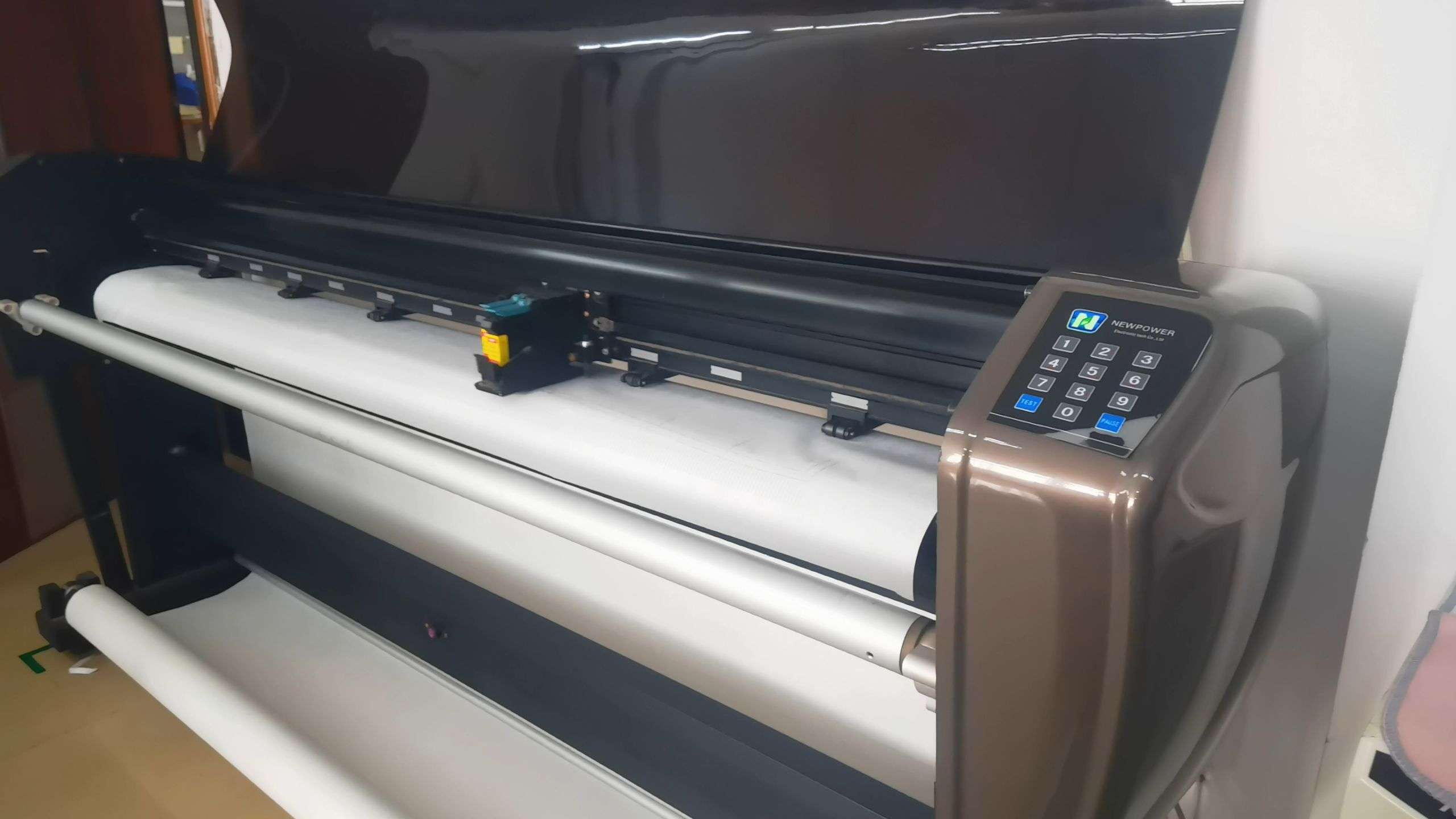
Digital pattern printing helps convert approved garment patterns into production-ready cutting layouts. Patterns, sizes and cutting preparation are organized according to the approved sample, specifications and production requirements before garment components move into the cutting process.

How Manufacturing Capabilities Connect Across Production

Manufacturing capabilities work together differently depending on the garment, material, construction and order requirements. The workflow below shows how selected production capabilities can connect from preparation and cutting through garment construction, finishing, quality control and finished-goods handling.

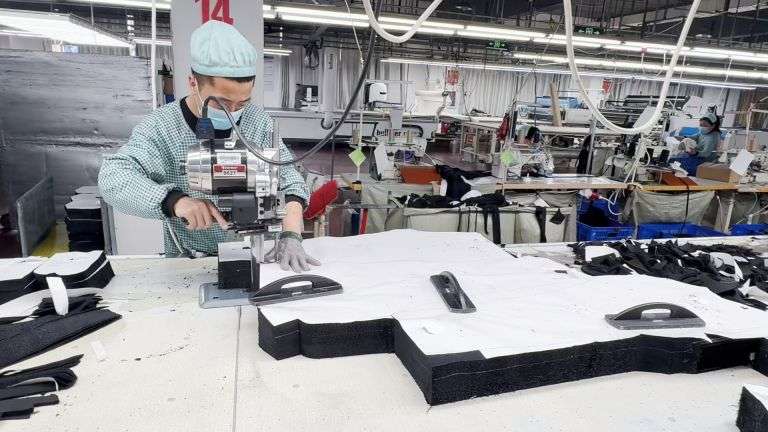
Worker using Eastman straight knife cutting machine at clothing manufacturer china factory

Step 1—Production Preparation & Cutting

Approved patterns, materials and production requirements are prepared before garment components enter cutting. Cutting methods are selected according to the fabric, style, order requirements and applicable production route.

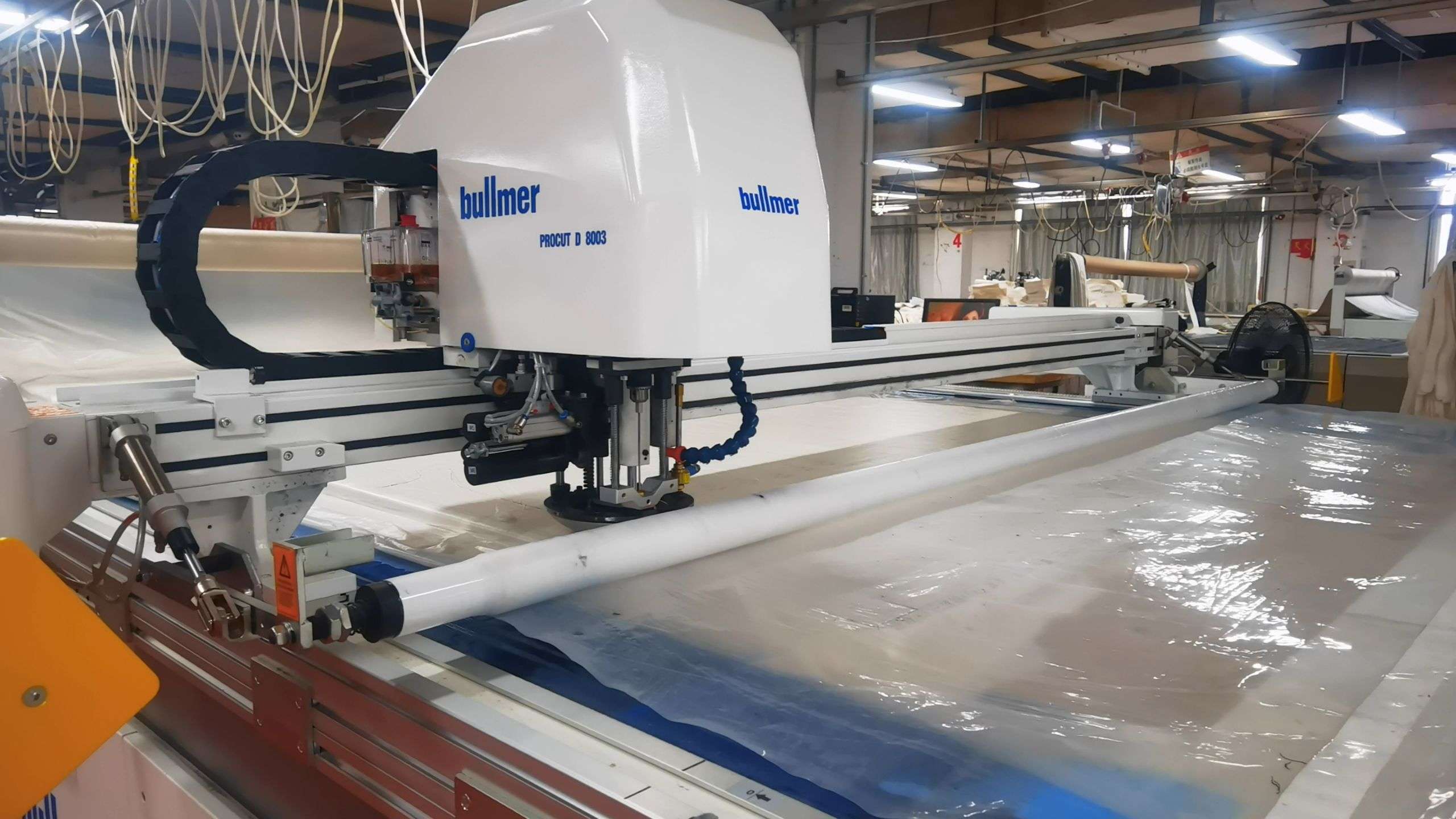
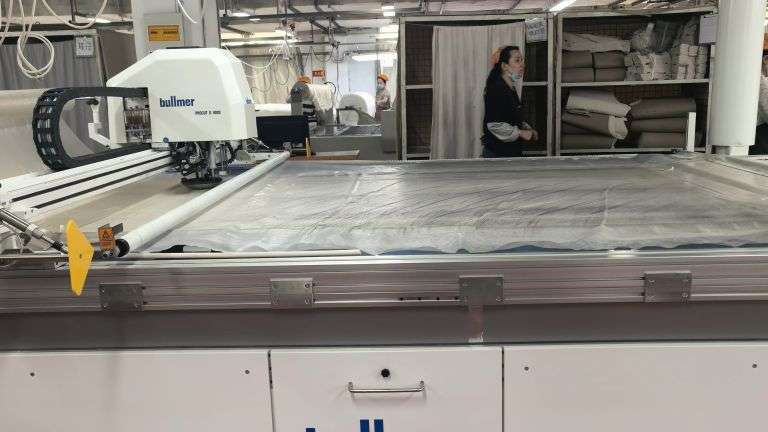
Bullmer automatic cutting system for bulk production at clothing manufacturer china

Step 2 — Automated Cutting Where Applicable

 Automated cutting equipment can support applicable production programs where repeatable multi-layer cutting and efficient fabric preparation are required. Machine settings and cutting layouts are prepared according to the approved pattern and material characteristics.

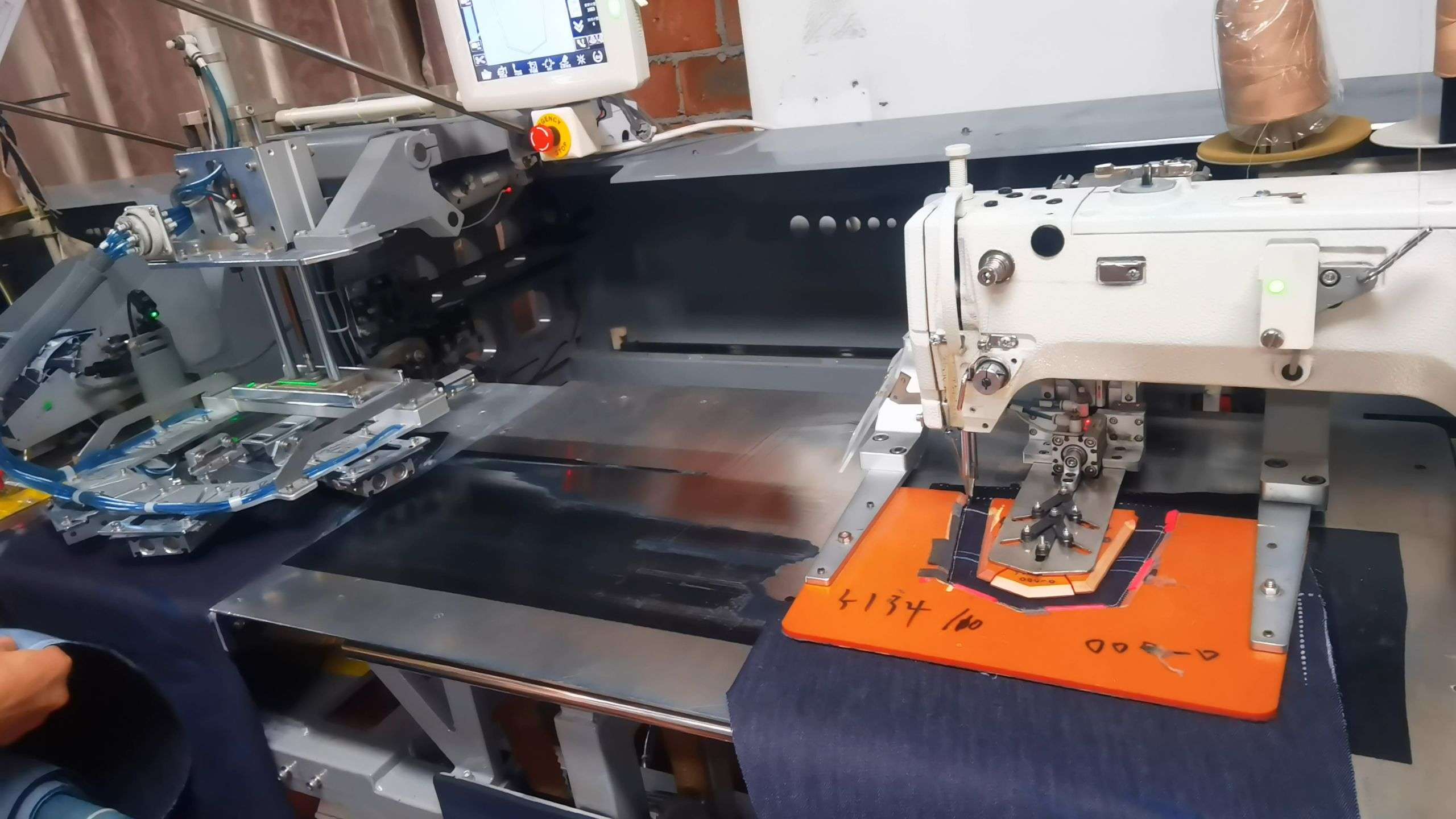
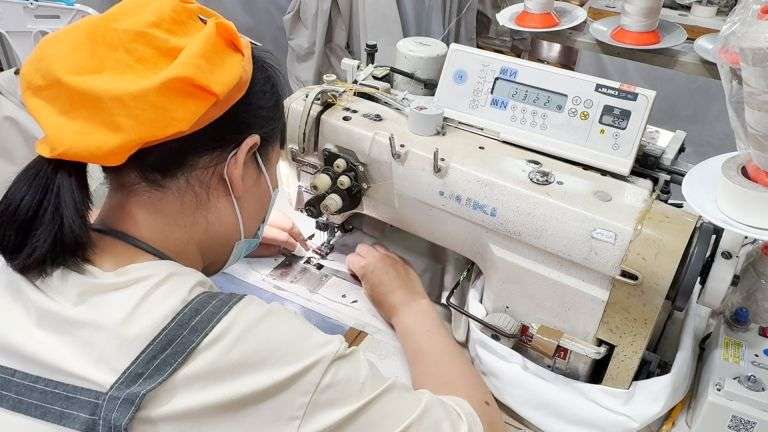
Worker operating JUKI industrial sewing machine at clothing manufacturer in China factory

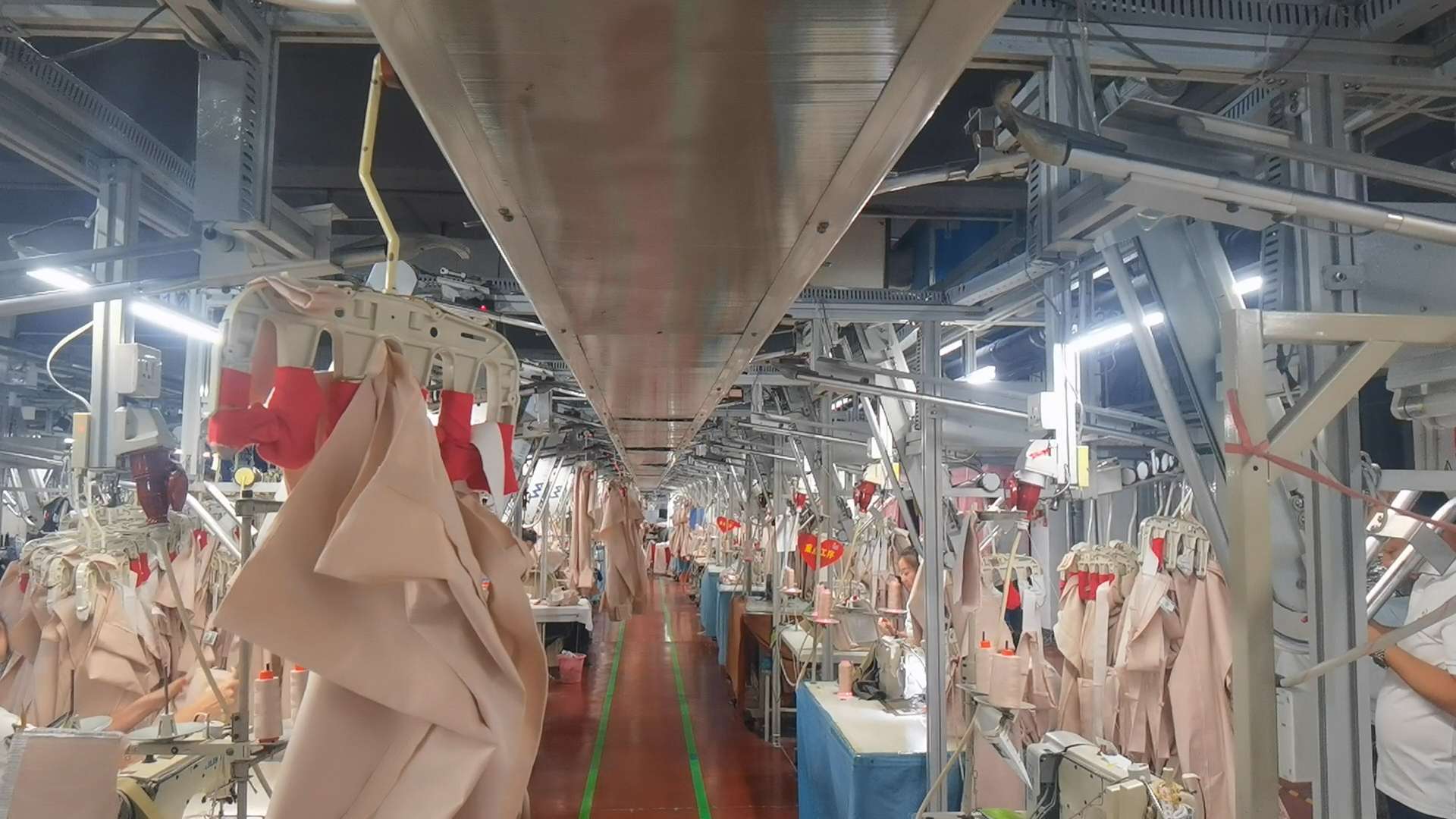
Step 3 — Sewing & Garment Construction

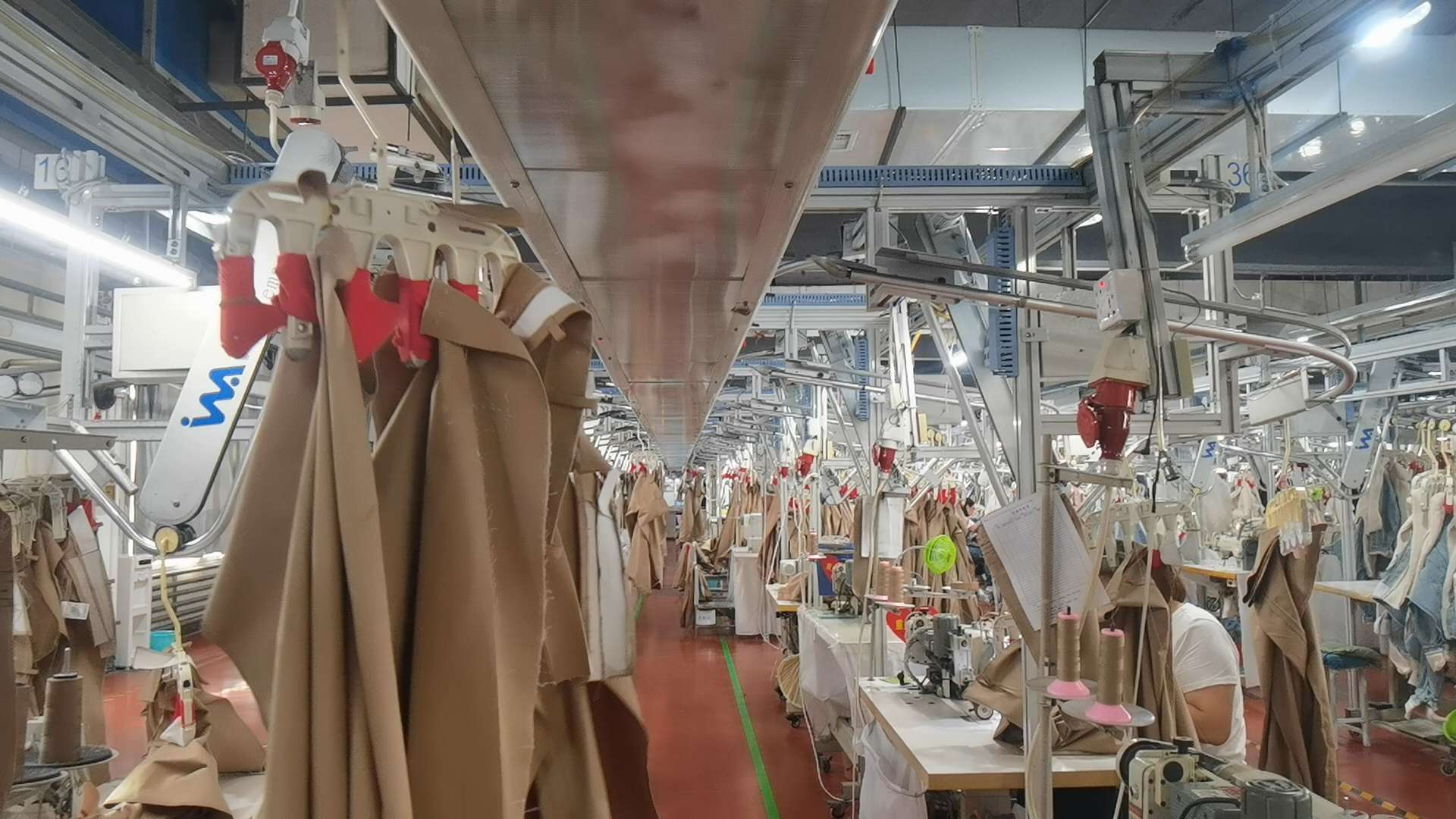
Cut garment components move through the required sewing and assembly operations according to the approved construction specifications. Production sequences vary by garment type, design complexity and manufacturing route.

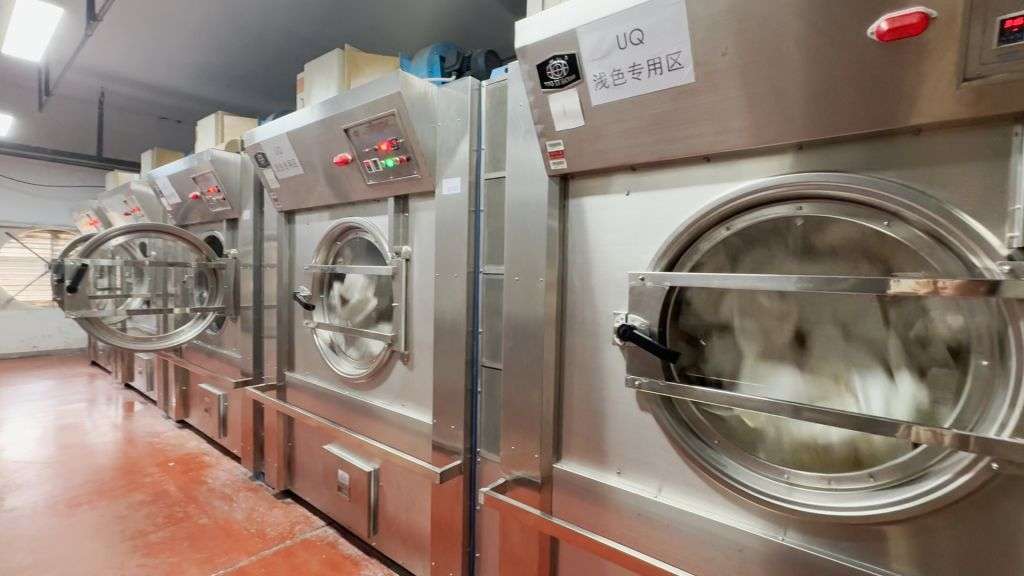
Industrial washing machines for garment pre-wash and shrinkage control at clothing manufacturer in China factory

Step 4 — Washing & Finishing Where Applicable

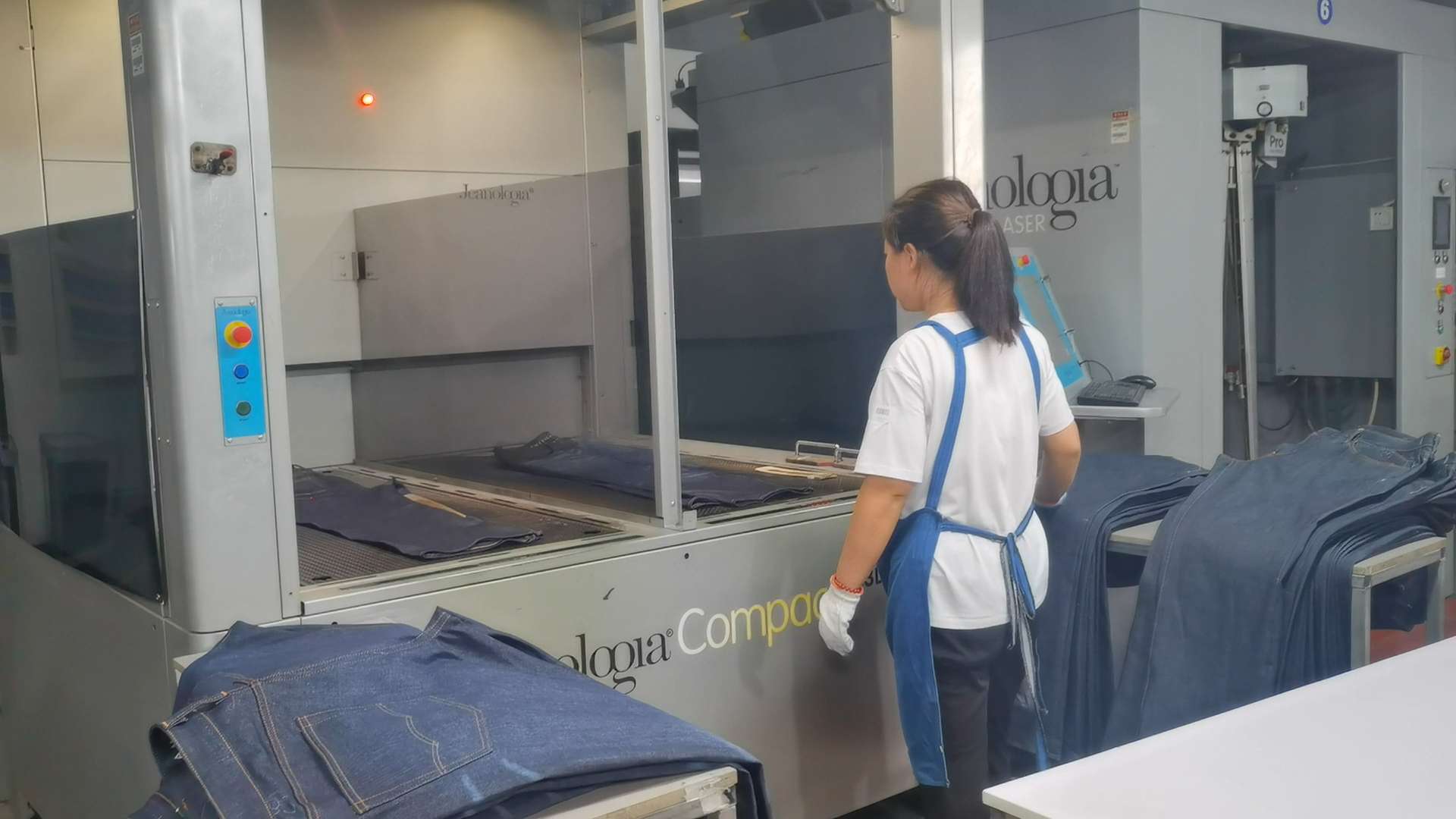
Washing, garment treatment and other finishing processes can be incorporated where required by the product design and material. The finishing route is determined according to the approved appearance, fabric characteristics and project requirements.

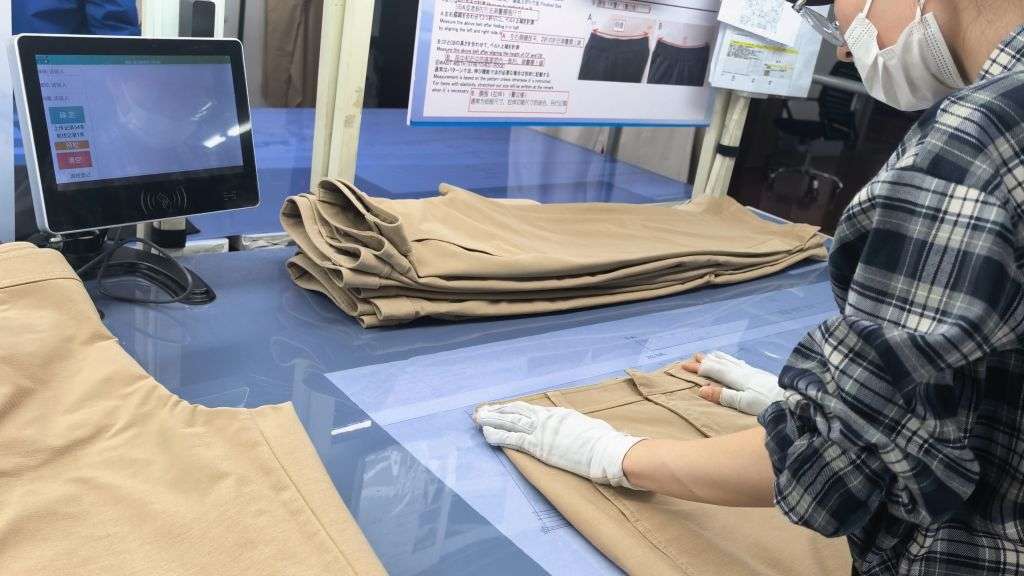
Quality control inspector checking garment measurements against specifications at clothing manufacturer in China factory

Step 5 — Quality Control & Final Review

Quality checks are integrated at relevant production stages and can include workmanship, garment measurements, appearance and other agreed specifications. Final review requirements are confirmed according to the product and buyer’s quality criteria.

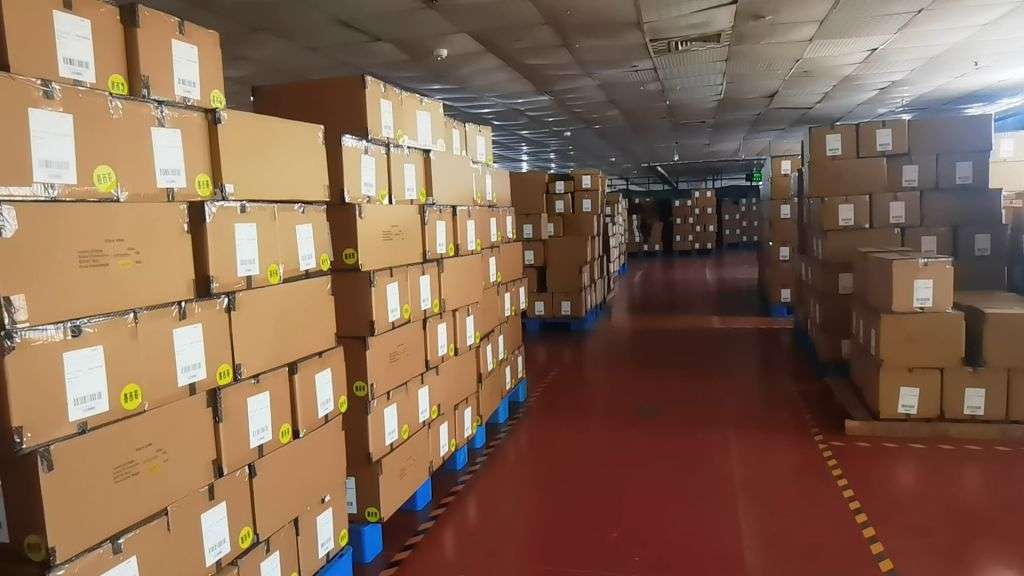
Finished goods warehouse at clothing manufacturer in China factory

Step 6 — Finished-Goods Handling & Shipment Preparation

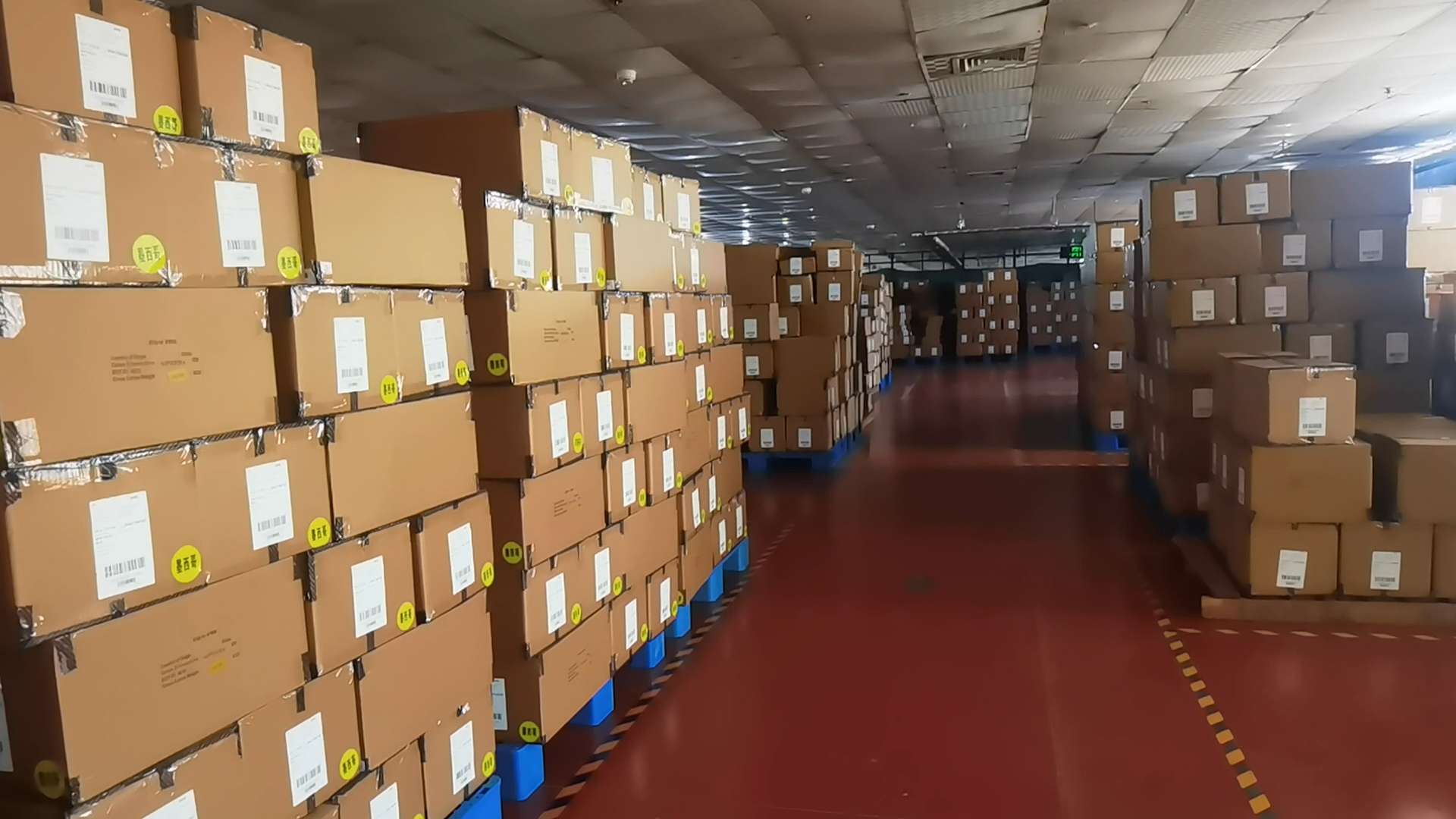
After the applicable final checks and packing requirements are completed, finished goods are organized for shipment preparation. Carton identification, order handling and dispatch coordination are managed according to the confirmed order and logistics arrangement.

What Buyers Can Verify

Manufacturing capability is easier to evaluate through visible processes, equipment and production evidence than through general claims. Buyers can review the following capabilities when assessing whether New Asia Garment is suitable for a particular apparel program.

Cutting & Production Preparation

Pattern preparation, manual cutting and automated cutting capabilities support different fabrics, garment constructions and production requirements.

Sewing & Garment Construction

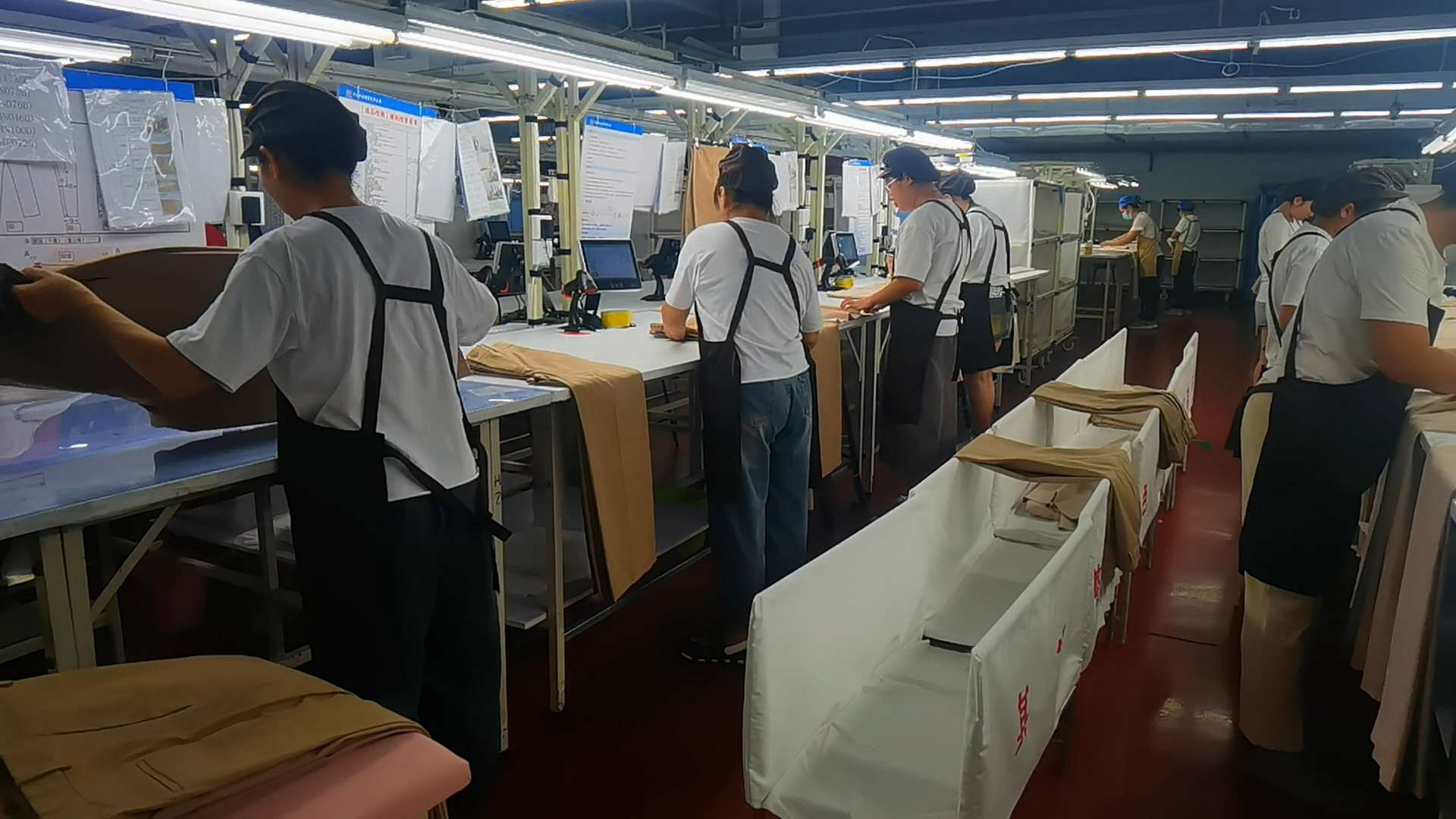
Industrial sewing workshops support garment assembly across relevant knit, woven, denim and fashion-apparel production programs.

Embroidery & Printing

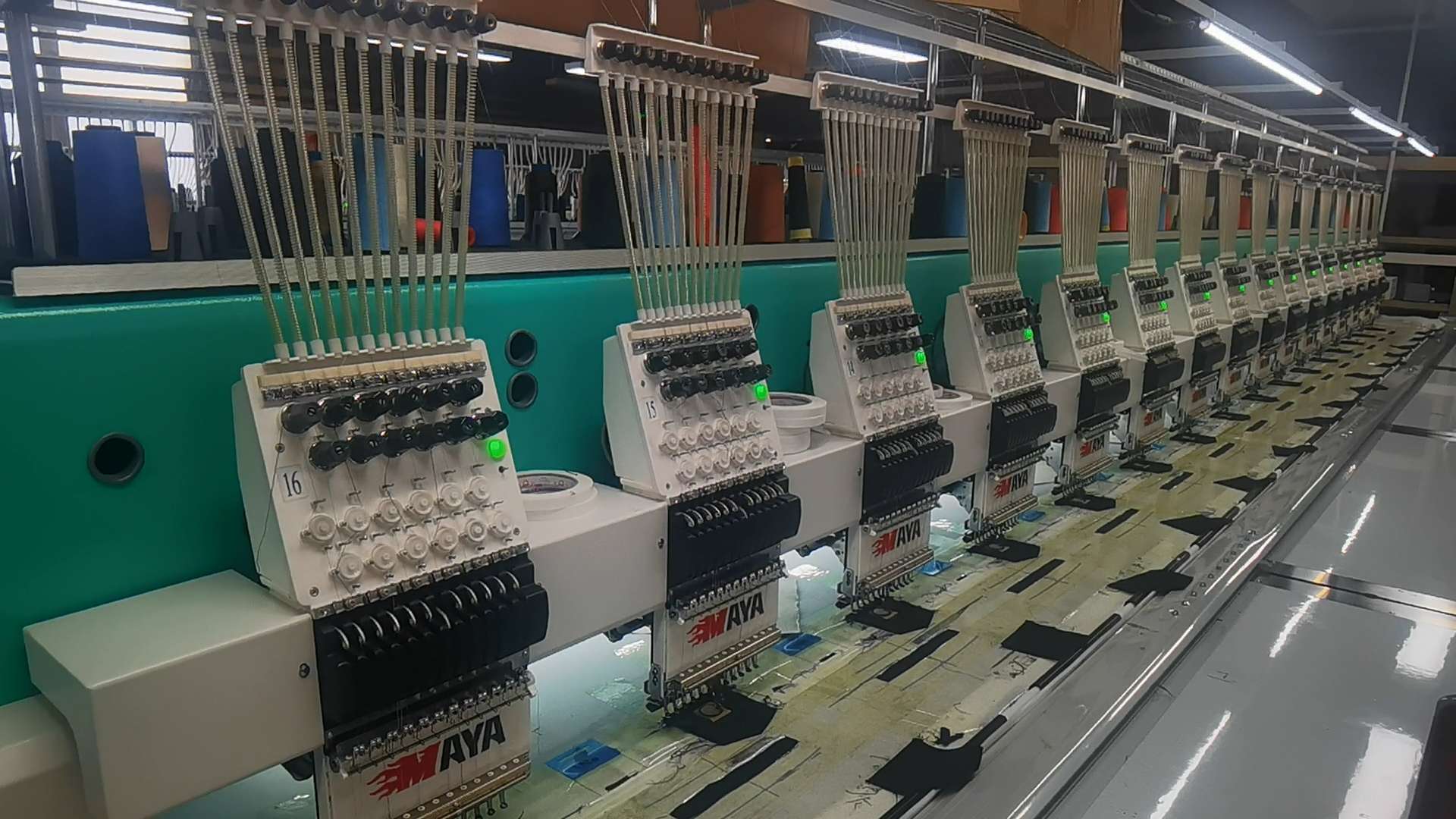
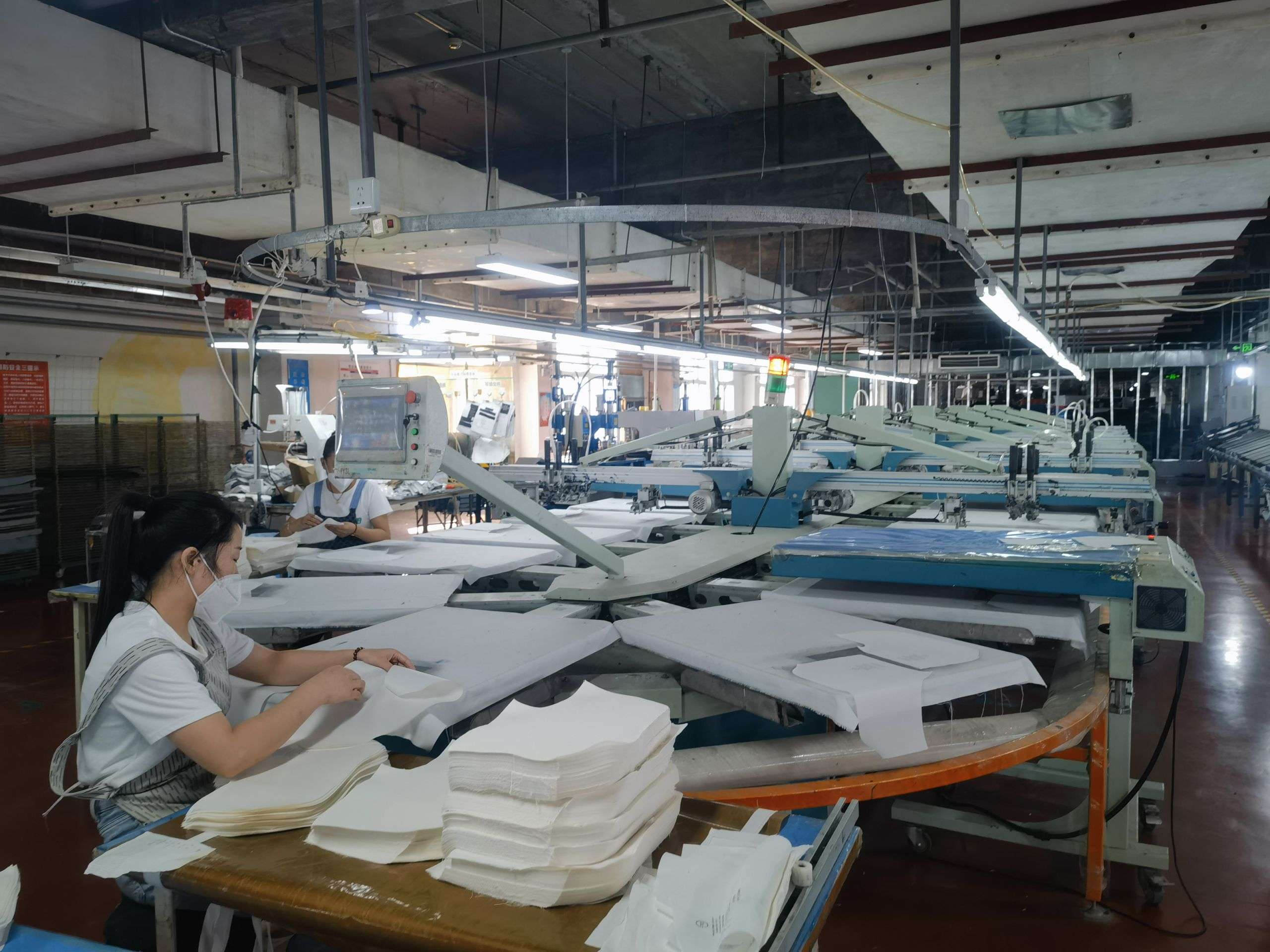
In-house decoration capabilities support applicable embroidery and printing requirements according to approved artwork and product specifications.

Material Inspection & Testing

Fabric inspection and material-testing capabilities support production preparation and project-specific quality requirements.

Quality Control

Quality checks can be integrated across production and final review according to the approved garment specifications and buyer requirements.

Packing & Finished Goods

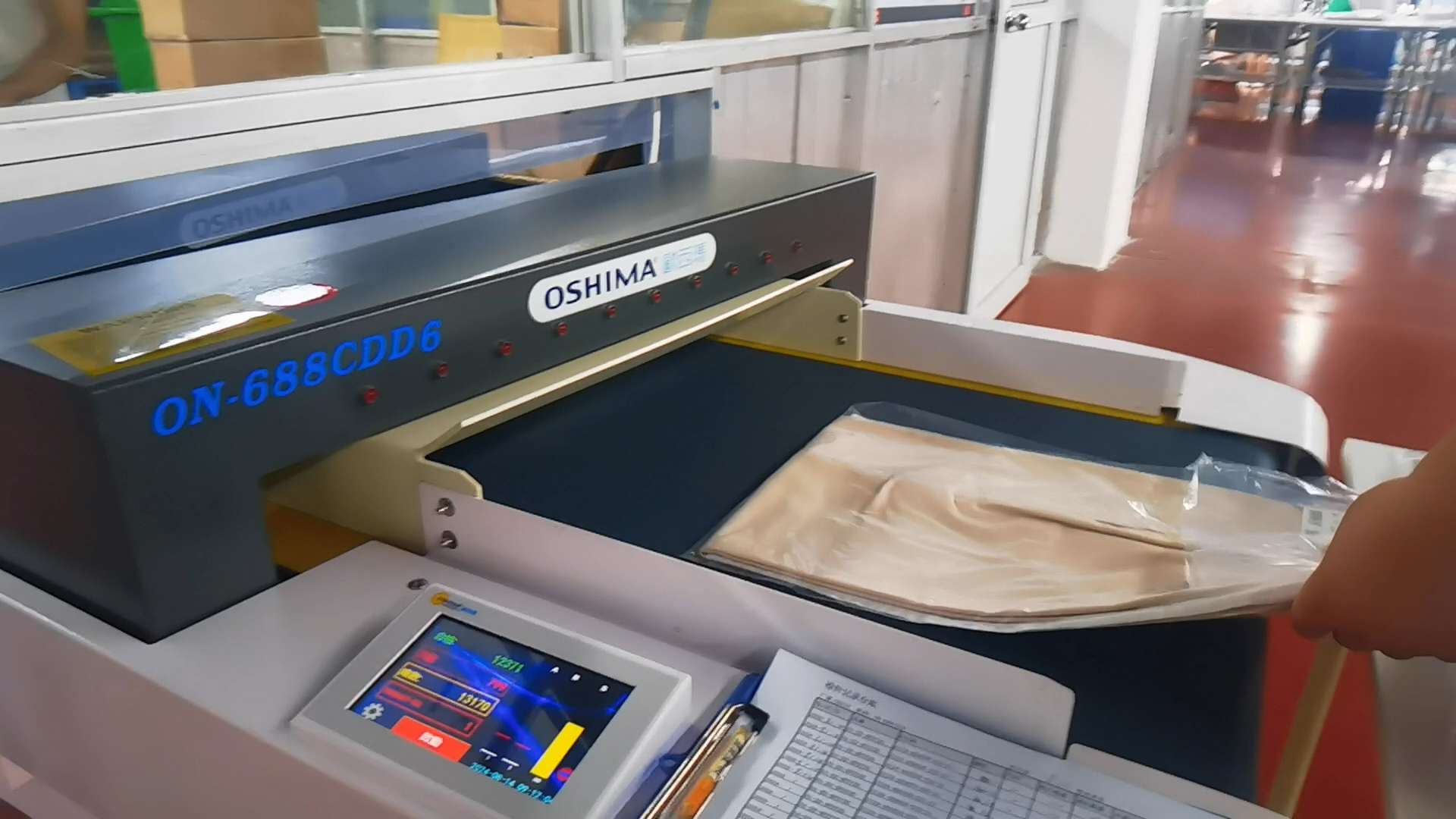
Metal detection where required, labeling, packing and finished-goods handling support the final stages of production before dispatch.

Management-System & Compliance Documentation

Available management-system, social-compliance and applicable transaction-certificate documentation can be reviewed according to the buyer, manufacturing site and project requirements. Certificate scope, holder, validity and applicability should be confirmed against the specific sourcing requirement.

GB/T 19001 / ISO 9001

GB/T 24001 / ISO 14001

GB/T 45001 / ISO 45001

BSCI

KCB-TE-OCS

SC-KCB-TE

Factory Visits & Buyer Verification

Buyers may discuss factory visits, supplier qualification reviews and applicable audit requirements with our team before or during supplier onboarding. The appropriate manufacturing site and review scope can be arranged according to the product category and project requirements.

1. Can buyers review your garment manufacturing processes?

Yes. Selected production processes are shown on this page, and buyers can discuss additional manufacturing information, supplier qualification requirements or factory visits with our team according to the project.

Cutting capabilities include pattern and cutting preparation, manual cutting and automated cutting equipment for applicable production programs. The selected cutting method depends on the fabric, garment construction, order requirements and production route.

Yes. Embroidery and printing capabilities are available for applicable garment projects. Artwork, placement, size, color, material compatibility and the appropriate production method are reviewed before bulk production.

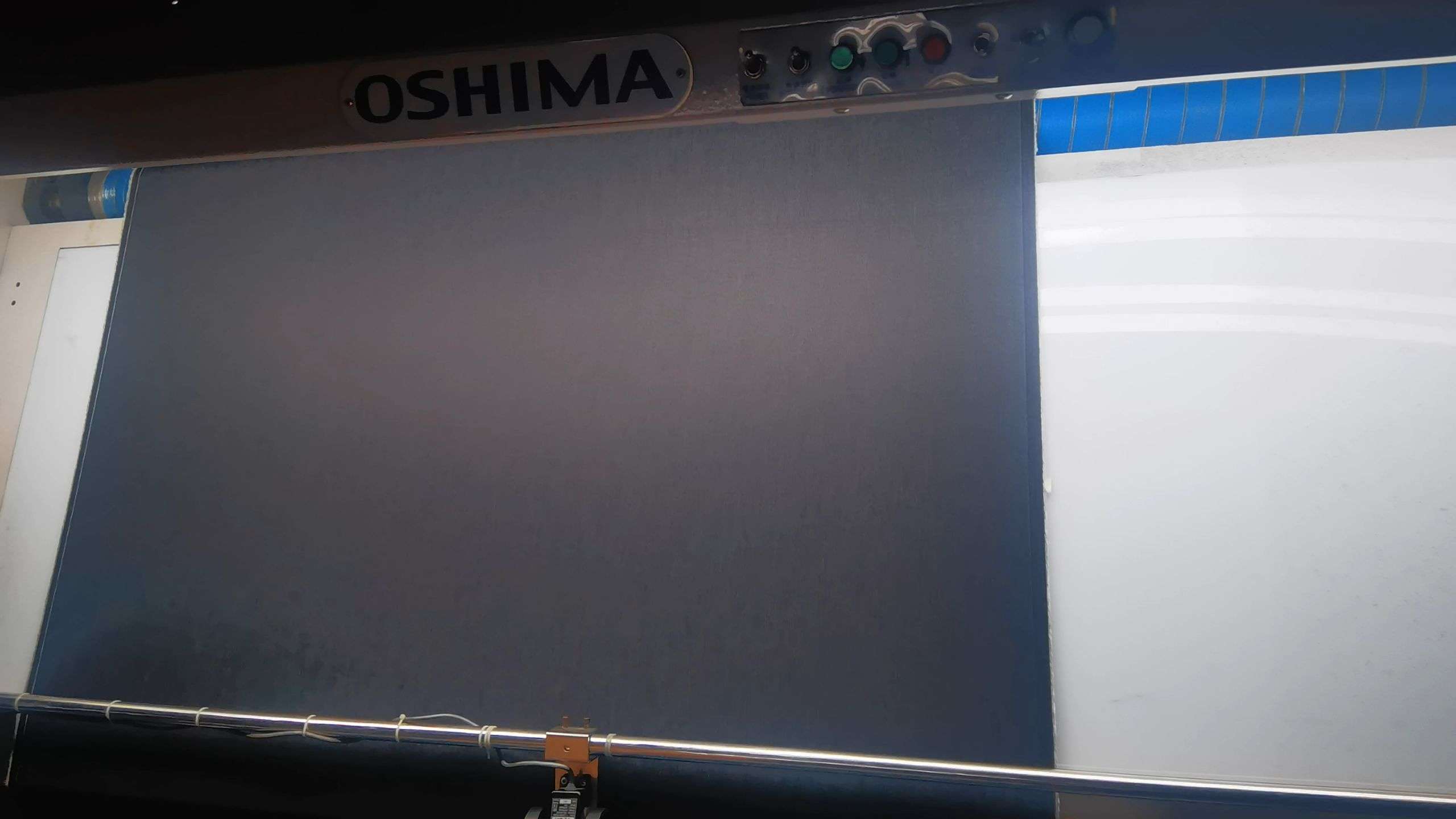
Fabric and incoming-material inspection is carried out according to the relevant material and project requirements. The inspection scope may vary according to fabric type, trims, buyer specifications and the requirements of the individual production program.

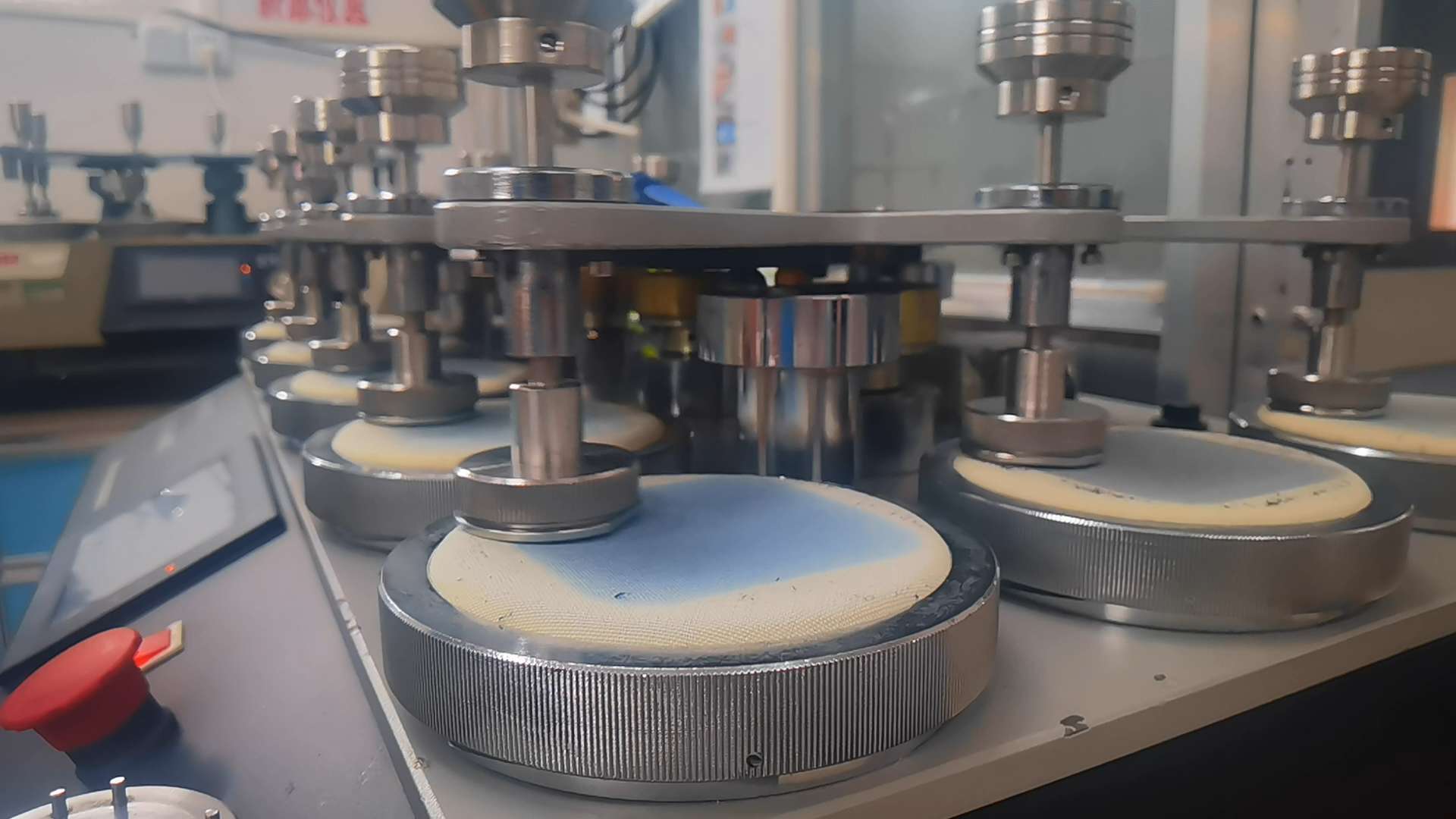
Yes. Our fabric testing laboratory supports applicable material evaluation during product development and production. The required testing scope is determined according to the material, product and buyer specifications.

Quality-control activities can be carried out at relevant stages of production and during final review. Inspection requirements depend on the approved garment specifications, sample, workmanship standards, measurement requirements and other agreed buyer criteria.

Metal detection can be incorporated into the finishing and packing process where required by the product, buyer specification or applicable production procedur

Buyers can discuss factory visits, supplier qualification reviews and applicable audit requirements with our team. The appropriate site, timing and review scope are arranged according to the project and manufacturing route.

No. Manufacturing processes, equipment and production routes vary by garment type, material, design, finishing requirements and order specifications. Our team reviews the project requirements and determines the appropriate manufacturing route before production.

Commercial requirements such as MOQ, sampling and production timing vary by product and manufacturing route. Please review the relevant OEM, ODM, Private Label or product page, or send us your project requirements for confirmation.

Choose the Manufacturing Route That Fits Your Project

Manufacturing capabilities are only one part of supplier selection. Choose the route below according to how developed your product already is and what type of support you need from the factory.

OEM Clothing Manufacturing

 For brands with a tech pack, approved sample, reference garment or clearly defined product specifications that need manufacturing execution.

Explore OEM Manufacturing →

ODM Clothing Manufacturing

 For brands starting with an idea, mood board, product reference or incomplete specification that need product-development support before manufacturing.

Explore ODM Manufacturing →

Private Label Manufacturing

For brands that want to start from an established or adaptable product base and apply eligible branding, labels, decoration and packaging.

Explore Private Label →

Denim Manufacturing

 Review denim-specific development, garment construction, washing, finishing and production capabilities.

Explore Denim Manufacturing →

Quality Control

Review how fabric inspection, in-line checks, measurement control and final quality review connect across apparel manufacturing.

Explore Quality Control →

Discuss Your Manufacturing Requirements

Have a tech pack, reference garment, product specifications or an existing sample? Send us your product category, expected quantity, materials, required processes, customization requirements and target timing. Our team can review the project and determine the appropriate manufacturing route and production capabilities.

Tech Pack · Reference Garment · Product Category · Quantity · Fabric · Required Processes · Target Timing