

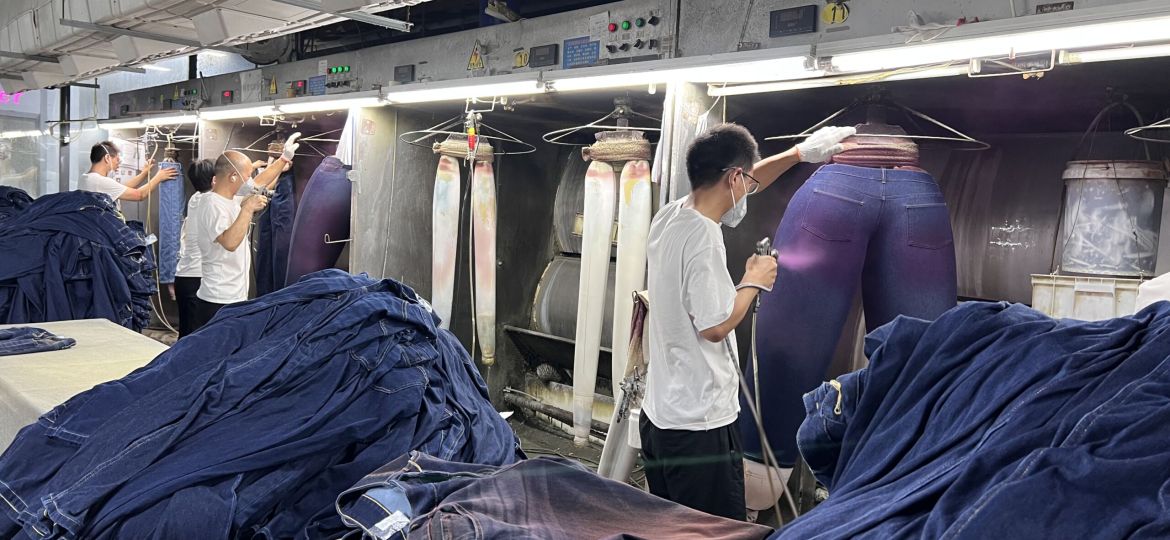
Finding jeans that fit perfectly straight off the rack is rare—even in premium denim. Most consumers experience common issues like waist gaping, tight thighs, stacking at the ankles, or inconsistent rise proportions. The reality is that off-the-rack denim is designed around standardized sizing, not individual body variation.
But with the right knowledge of fit, fabric behavior, and simple tailoring adjustments, almost any pair of jeans can be transformed into a perfectly fitted garment.
Whether you’re a fashion-conscious shopper, a boutique owner advising customers, or a brand studying fit optimization, understanding how jeans should behave on the body is essential.
At Newasia Garment Co.,Ltd., a professional garment manufacturer working with global brands such as American Eagle Outfitters, Uniqlo, Zara, Gap, Levi’s, and Lee, we understand denim fit not just from a consumer perspective, but from the engineering and production side of garment construction.
This guide explains why jeans rarely fit perfectly off the rack—and how you can fix it effectively.
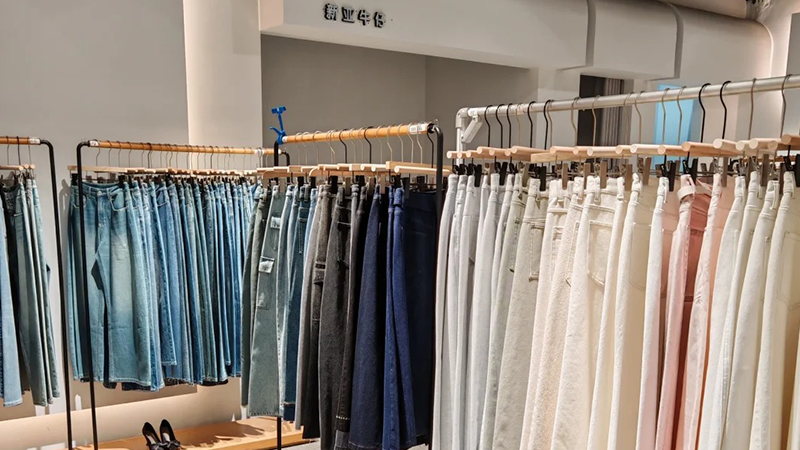
Why Off-the-Rack Jeans Rarely Fit Perfectly
Most people assume sizing issues are personal. In reality, fit problems are often caused by manufacturing logic.
1. Standardized Sizing Is Based on Averages
Retail jeans are produced using “block patterns” designed for statistical body averages, not individual proportions. This means:
- Waist, hip, and inseam are scaled proportionally
- Real human bodies are not proportional in the same way
- Small deviations create visible fit issues
2. Denim Fabric Behavior Changes Fit
Raw and treated denim behave differently after production:
- Shrinkage after washing
- Fabric torque (leg twisting over time)
- Stretch recovery in elastane blends
- Stiffness in raw selvedge denim
These factors mean the “same size” can fit differently across brands.
3. Pattern Engineering Differences Between Brands
Even brands in the same size category use different:
- Rise height (high-rise vs mid-rise balance)
- Seat curve shaping
- Knee placement and taper ratio
This is why a size 32 in one brand fits completely differently in another.
How to Get Your Jeans to Fit Perfectly from an Off-the-Rack Retailer
Step 1: Understand Your Body Shape and Fit Priority
Before adjusting or selecting jeans, it helps to understand your proportions.
Most fit challenges come down to three areas:
- Waist-to-hip ratio
- Thigh width vs. leg opening
- Rise preference (low, mid, high)
For example:
- Athletic builds often require more thigh room
- Slim builds may experience waist looseness
- Taller individuals may struggle with rise positioning
Knowing your priority area makes it easier to choose the right base fit before any adjustment.
Step 2: Choose the Right Fit Category First
Retail jeans usually fall into a few core fit blocks:
- Slim fit
- Regular/straight fit
- Relaxed fit
- Tapered fit
- Skinny fit
The most common mistake is trying to “fix” the wrong base fit.
For example:
- If thighs feel tight in slim jeans, sizing up may ruin waist fit
- If waist gaps in relaxed jeans, tailoring is usually needed
In professional denim development, brands often create multiple fit blocks instead of relying on one universal cut.
Step 3: Small Alterations Make a Big Difference
Even off-the-rack jeans can be significantly improved with basic tailoring.
Common adjustments include:
- Waist tapering to remove back gap
- Hemming for correct inseam length
- Tapering leg opening for cleaner silhouette
- Adjusting seat area for better comfort
A skilled tailor can often transform an average pair of jeans into a near-custom fit garment.
For brands, this highlights why precise pattern grading is essential during production.
Step 4: Fabric Behavior Matters More Than Size
Not all denim behaves the same way after wear.
Key fabric factors include:
- Stretch content (elastane/spandex blend)
- Fabric weight (light vs heavy denim)
- Sanforization (pre-shrinking treatment)
- Yarn structure and weave tension
Stretch denim naturally adapts to the body, while rigid denim requires break-in time.
Many consumers mistake break-in discomfort as a sizing issue, when it is actually a fabric characteristic.
Step 5: Break-In Period for Raw Denim
Raw or rigid denim does not fit perfectly on day one.
Instead, it evolves over time through:
- Movement and wear
- Heat and moisture adaptation
- Natural fading and creasing
This process creates a personalized fit unique to each wearer.
However, without proper sizing selection, even raw denim will not correct fundamental fit issues such as incorrect rise or hip imbalance.
Step 6: How Denim Brands Solve Fit Problems at Factory Level
For apparel brands and wholesale buyers, fit issues are not solved at the consumer stage—they are solved during product development.
Professional denim manufacturers typically use:
- Fit sample rounds (proto → SMS → PP sample)
- Regional fit adjustments (EU vs US vs Asia markets)
- Grading correction based on size curve data
- 3D fitting simulation tools
- Wear testing before bulk production
This process ensures jeans fit consistently across all sizes, not just one sample size.
Step 7: The Role of OEM & Private Label Development
When brands want better-fitting jeans than retail competitors, they rely on OEM/ODM manufacturing.
A professional denim factory helps with:
- Custom pattern making based on target market
- Fit optimization for specific body types
- Fabric selection based on stretch and recovery
- Sample refinement until fit approval
- Consistent bulk production control
This is where “good fit” becomes a scalable product advantage, not just a one-off success.
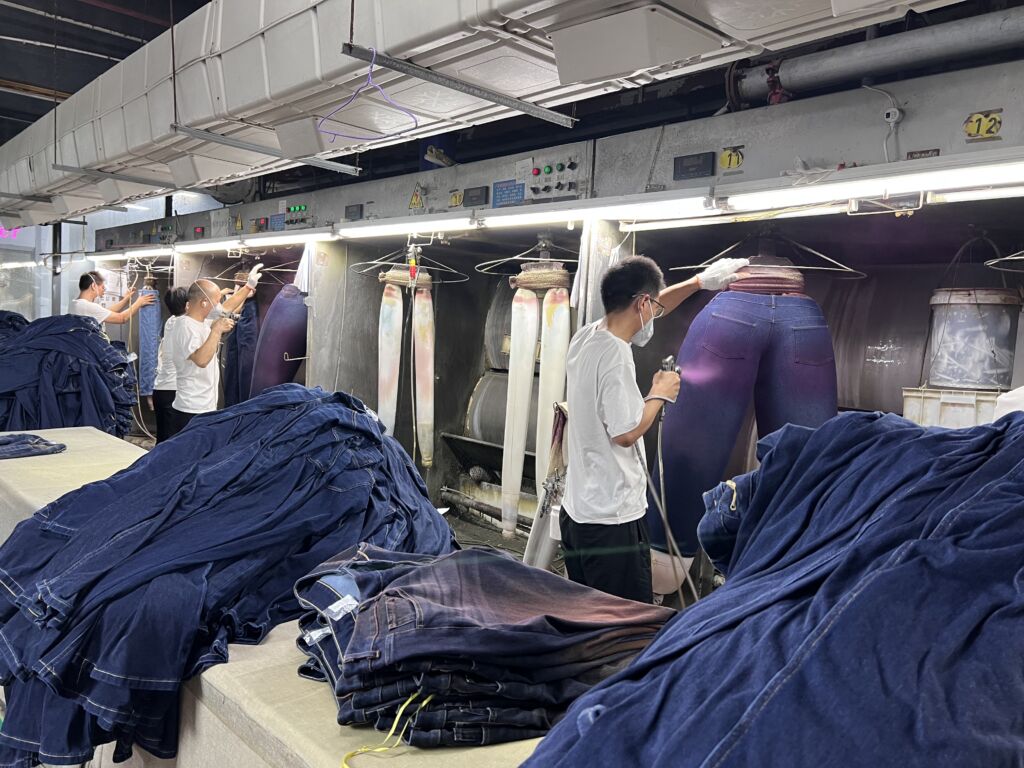
How to Identify the Right Base Fit in Store
Before thinking about tailoring, the most important step is choosing the right base silhouette.
1. Straight-Leg Jeans
A universal starting point.
- Balanced hip-to-hem width
- Works for most body types
- Easy to tailor without distortion
Best for: first-time buyers and classic everyday wear
2. Slim Taper Jeans
Modern and structured.
- Fitted thigh with narrow ankle
- Works best for lean or athletic builds
- Less flexible for heavy alterations
Best for: contemporary streetwear looks
3. Relaxed Fit Jeans
Comfort-oriented silhouette.
- Extra room in seat and thigh
- Easier to adjust waist and length
- Ideal for tailoring flexibility
Best for: comfort-focused wearers or larger builds
How Styling Influences Fit Perception
Even the same pair of jeans can look different depending on styling choices.
Slimmer Appearance:
- Dark tops
- Vertical layering
- Clean footwear (sneakers, boots)
Relaxed Fit Appearance:
- Oversized tops
- Chunky sneakers
- Layered outerwear
Elevated Fit Appearance:
- Tucked shirts
- Belts defining waist
- Structured jackets
Styling can visually “correct” minor fit imperfections.
How Newasia Garment Co., Ltd. Develops Perfect-Fit Jeans
1. Advanced Pattern Engineering
We develop precise denim patterns based on fit requirements and target market data.
2. Body Fit Grading System
Our grading system ensures consistency across all sizes while maintaining proportion balance.
3. Fabric Stretch Calibration
We carefully select and test denim fabrics to achieve optimal comfort and shape retention.
4. Prototyping & Fit Sampling
Multiple sample rounds ensure fit accuracy before bulk production.
5. Multi-Size Fit Testing
We test across different body types to ensure real-world wearability.
OEM & ODM Custom Jeans Solutions
Newasia offers full-service denim manufacturing including:
- OEM production based on client designs
- ODM development from concept to finished product
- Private label denim solutions
- Custom fit development for fashion brands
Why Mass Retail Jeans Can Never Match Custom Fit
Mass-produced jeans are limited by:
- One-size-fits-all grading systems
- Cost-driven design constraints
- Lack of brand-specific fit engineering
- No individualized body data integration
This is why many brands are shifting toward custom denim manufacturing to improve customer satisfaction and reduce return rates.
Frequently Asked Questions
Q1. How do I choose the right size when buying off-the-rack jeans?
Start by focusing on waist and inseam measurements rather than just label size, since sizing varies between brands. Always check the retailer’s size chart before purchasing.
Q2. What should I do if jeans fit at the waist but are too long?
You can get them hemmed by a tailor or use a cuffed style. Many retailers also offer in-store alteration services.
Q3. Can off-the-rack jeans be tailored for a better fit?
Yes, a tailor can adjust the waist, taper the legs, shorten the inseam, and even refine the seat area for a more custom fit.
Q4. How tight should jeans feel when trying them on?
They should feel snug but not restrictive. Denim often stretches slightly with wear, especially stretch or raw denim blends.
Q5. What is the best fit style for different body types?
Slim fit works well for lean builds, straight fit suits most body types, and relaxed or tapered fits are better for athletic or broader builds.
Q6. Should I size up or down if I’m between sizes?
It depends on the denim type. For raw or non-stretch denim, sizing up slightly is safer; for stretch denim, you may stay true to size or size down.
Q7. How can I prevent jeans from sagging after wear?
Choose a well-fitted waist, avoid excessive stretch fabrics, and consider belts or tailoring adjustments if needed.
Q8. Are off-the-rack jeans ever as good as custom jeans?
While custom jeans offer perfect precision, high-quality off-the-rack jeans can achieve an excellent fit with proper sizing and tailoring adjustments.
Conclusion
Perfect jean fit is not just about size—it is a combination of silhouette, fabric behavior, rise positioning, and small tailoring adjustments.
Off-the-rack jeans can absolutely fit perfectly when you understand how to choose the right base, make simple alterations, and style them correctly.
At Newasia Garment, we help brands design jeans that fit better from the start—reducing the need for post-purchase tailoring and improving customer experience at scale.
Looking to develop better-fitting denim collections? Contact Newasia Garment for OEM/ODM support, fit development, and custom denim manufacturing solutions.
Read more