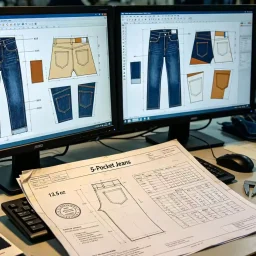

Denim Fabric Selection: The Master Guide for Premium Jeans Brands
For denim directors, sourcing managers, and high-end fashion designers, selecting the right denim fabric is the foundational decision that defines a collection’s silhouette, wash capability, physical longevity, and market valuation. Unlike standard flat-woven cottons, denim is a dynamic, living textile. Its intricate warp-and-weft architecture responds dynamically to wet chemical processing, mechanical distress, thermal laundering, and body contour friction.
Mastering denim fabric selection requires looking beyond superficial surface shades and basic weight tags. Brands must systematically evaluate fiber composition, yarn spinning methodologies, weave density, indigo dye mechanics, and shrinkage dynamics to build a commercially resilient denim line.
This comprehensive guide breaks down the technical and commercial variables of denim fabric selection to help global apparel brands source with direct-factory precision.
1. Decoding Fabric Weight (Ounces): Light, Mid, and Heavyweight Applications
In global denim manufacturing, fabric weight is universally measured in ounces per square yard(oz/yd²). Weight determines a garment’s structural memory, drape, and seasonal suitability.
- Lightweight Denim (4 oz – 10.5 oz): Supple and fluid. Ideal for summer denim shirts, fluid Western blouses, lightweight fashion dresses, and relaxed wide-leg trousers. Lightweight fabrics drape smoothly over body contours but offer minimal structural volume for sharp boxy cuts.
- Midweight Denim (11 oz – 13.5 oz): The commercial industry workhorse. Offers the perfect balance of structural stability and daily wearing comfort. Midweight fabrics are versatile enough to handle aggressive vintage stone washing, laser whiskering, and localized scraping without compromising yarn integrity.
- Heavyweight Denim (14 oz – 21+ oz): Rigid, dense, and sculptural. Favored by heritage raw denim labels, Japanese-style workwear brands, and high-end streetwear houses. Heavyweight textiles hold rigid boxy shapes and deep indigo contrast creases, but require extended break-in periods and specialized heavy-duty sewing equipment.
2. Fiber Architecture: Open-End vs. Ring-Spun Cotton and Elastane Dynamics
The structural integrity and visual character of denim originate in the spinning mill before dyeing or weaving ever takes place.
- Open-End (OE) Yarns: Produced by spinning loose cotton fibers via air rotors. OE yarns feature a uniform, smooth surface with minimal slub texture. While cost-effective for mass-market basic jeans, OE denim lacks the rich, organic visual depth prized in luxury collections.
- Ring-Spun Yarns: Created by twisting and drawing long-staple cotton fibers continuously. Ring-spun yarns yield superior tensile strength, a soft hand-feel, and natural slub character (irregular yarn thickness). Dual-ring spun denim (ring-spun in both warp and weft) creates the classic vertical slub lines essential for premium vintage wash drops.
- Rigid 100% Cotton vs. Stretch Formulations: 100% natural cotton delivers authentic, non-deforming structure and superior longevity under heavy laundry washing. When incorporating stretch for modern slim profiles, specifying high-retention dual-core yarns (spandex wrapped with polyester and cotton) prevents baggy knees and waistband sagging.
3. Indigo Dye Chemistry: Rope Dyeing vs. Slasher Dyeing
Indigo dye is chemically insoluble in water, requiring specialized reduction reactions to bind to outer cotton warp yarns while leaving the core white—a phenomenon known as the “ring-dyeing effect.”
- Rope Dyeing (The Gold Standard): BUNDLES of yarn ropes are continuously dipped through a series of indigo vats and oxidized in open air. This achieves precise indigo penetration on the yarn surface while maintaining a crisp white center. As the finished jeans wear and abrade, the inner white core shows through, creating high-contrast, authentic vertical fade lines.
- Slasher Dyeing: Warp yarns are spread flat on a single sheet and passed through dye baths. While faster and more economical, slasher dyeing often results in deeper dye penetration into the core, yielding flatter, less dimensional wash-outs during industrial distressing.
4. The Internal Skeleton: Guarding Structural Integrity in Custom Denim
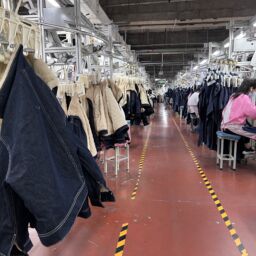
The assembly floor is where budget facilities routinely cut hidden corners to accelerate output at the expense of long-term structural integrity. Unverified workshops often substitute cheap synthetic threads or flimsy mesh inside high-stress internal zones—such as rear waistbands, coin pocket channels, fly linings, and pocket bags.
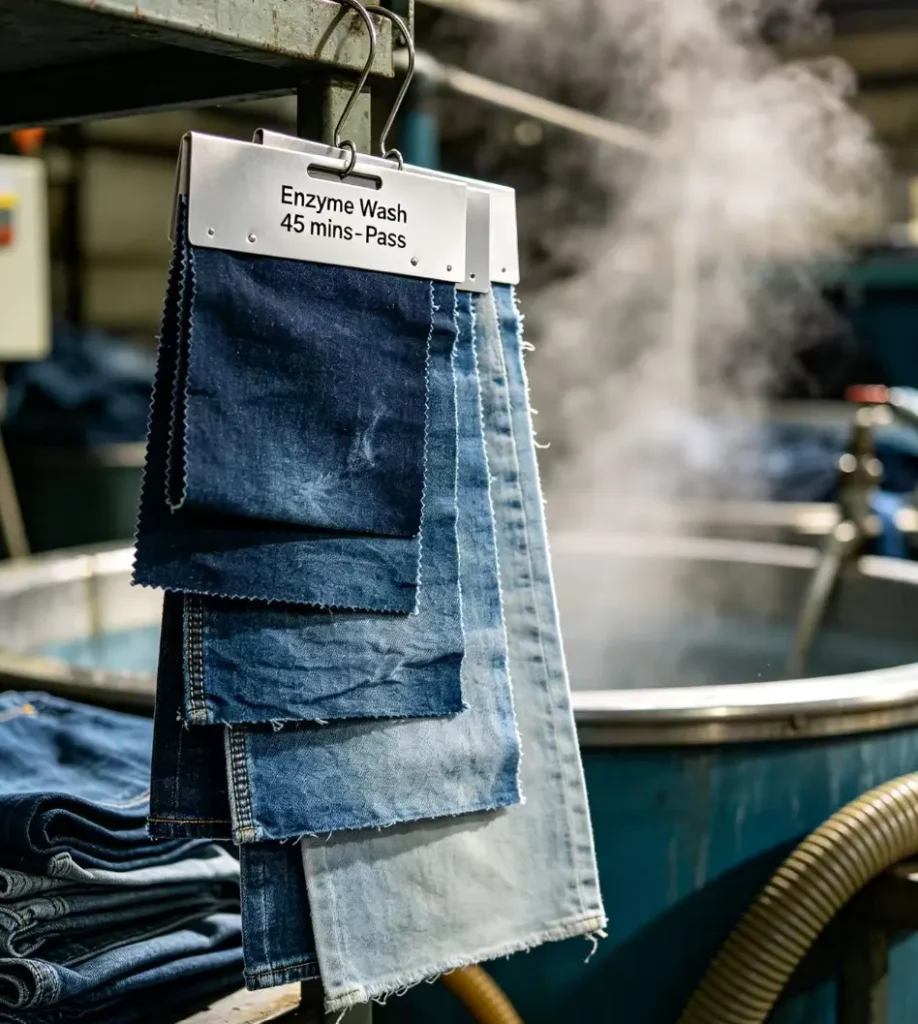
Under the kinetic stress of heavy commercial laundering, enzyme washing, and daily body friction, these weak internal bindings shrink unevenly, fray, or shred apart. This forces the heavy outer denim fabric to buckle and warp, resulting in twisted side seams, sagging waistbands, and torn pocket corners that drive high customer return rates.
The rear waistband, fly channel, and pocket boundaries carry continuous physical tension. To insulate your jeans against hidden structural failures and guarantee a luxury tactile feel, your tech packs must explicitly mandate high-density, long-staple components. Integrating premium foundations through a dedicated supplier like Newasia Garment Heavyweight Premium Industrial Cotton Lining Textiles provides a durable internal skeleton.
This tight, high-density combed cotton weave acts as a rigid stabilizer that locks garment geometry true through continuous industrial washing and enzyme distressing, entirely eliminating unsightly twisting or sagging. Utilizing this premium cotton lining matrix inside hidden seams provides a soft, non-scratch barrier against the skin, delivering an instantly recognizable luxury tactile feel that synthetic-only alternatives cannot replicate.
5. Mitigating Risk via Fixed Global DDP Logistics
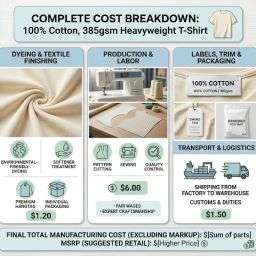
Perfecting your denim fabric selection and securing pristine washes means nothing if landed profit margins are wiped out by volatile international shipping lines, sudden port clearance delays, and complex customs documentation fees at your domestic border. Heavy denim shipments involve substantial physical weight and volume, making landed unit costs exceptionally sensitive to global freight market disruptions.
Sourcing your denim inventory under traditional FOB (Free On Board) terms exposes a growing fashion label to heavy financial risks. Once your cargo leaves the factory’s local port, you become the legal importer of record, leaving your limited capital vulnerable to sudden ocean freight surcharges, terminal handling fees, customs storage delays, and unexpected import VAT and tariff bills.
The definitive logistical solution for modern global fashion labels is partnering exclusively with a specialized denim manufacturer that operates under a comprehensive, fixed Delivered Duty Paid (DDP) framework.
Under a complete DDP shipping model, your manufacturing partner manages international shipping, customs brokerage, and import duties. Your custom-branded, store-ready denim inventory is delivered straight to your fulfillment center or warehouse with zero hidden fees or border surprises. This allows you to lock in exact net margins long before your collection launches online.
To anchor your next denim drop on direct-factory engineering precision, authentic ring-spun textiles, and direct-factory expertise, visit Newasia Garment.com to request a comprehensive production review today.
Read more
- How to Validate Pocket Function and Placement Before Bulk Production
- How to Standardize Fabric Hand Feel Across Production Lots
- Movement Fit Testing for Apparel: How to Check Ride-Up, Slippage, and Range of Motion
- Pre-Production Sample Approval: What Brands Should Lock Before Bulk Production
- Custom Sports Jersey Manufacturing Quality Control: A Global Manufacturing Guide