

Introduction:
Starting a t-shirt manufacturing business in Pakistan offers a unique opportunity to tap into a rapidly growing garment industry. With its vast cotton resources, low manufacturing costs, and an ever-expanding international market, Pakistan has become one of the go-to countries for t-shirt production.With Pakistan’s strong textile industry and a large consumer market, this venture has the potential for high profitability. However, success requires strategic planning, proper sourcing, and smooth execution. This guide breaks down the essential steps to help you start and grow your T-shirt manufacturing business in Pakistan with confidence.
The process to start a T-shirt manufacturing business involves researching the market, creating a business plan, sourcing materials, setting up production, and implementing effective marketing strategies.
This guide breaks down each step to help you launch and scale your T-shirt manufacturing business with confidence.
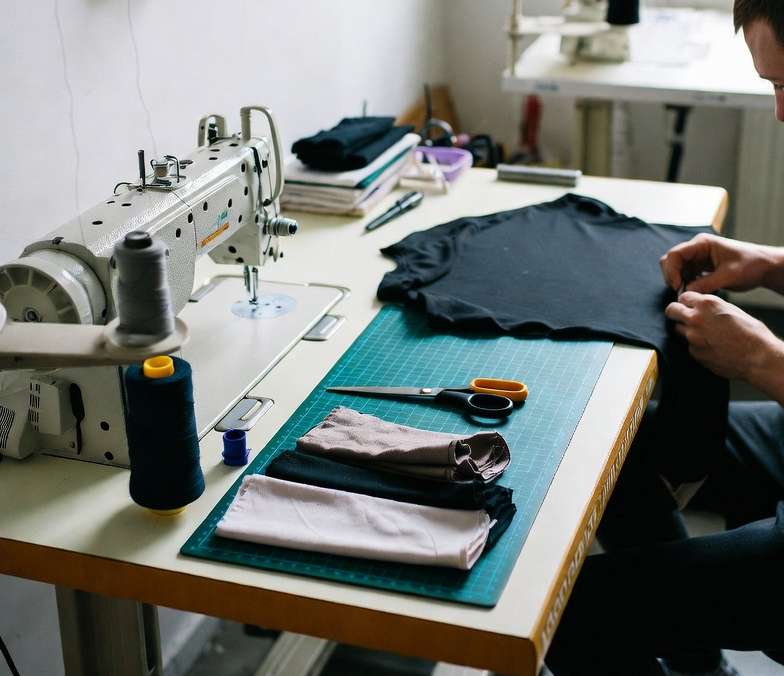
Why Now is a Great Time to Start a T-Shirt Business in Pakistan
Starting a t-shirt business doesn’t require a massive investment or a full-on team. With basic planning, even one person can turn a creative idea into a functioning brand. Local demand for casual and custom wear has grown fast. In cities like Lahore, Karachi, and Islamabad, there’s a visible shift toward small brands, especially ones offering unique designs or apperal manufacturers in Pakistan.
More people are shopping online. More people want personalized fashion. And more people are proud to support local labels. This is your moment to step in.
Let’s break down the exact steps to learn how to start a t-shirt business in Pakistan, from your first design idea to your first sale.
The apparel market in Pakistan
Pakistan’s apparel industry is a vital part of its economy, heavily contributing to exports and employment. The market continues to grow as global demand for affordable, high-quality garments rises. With strong cotton production and a well-developed textile ecosystem, Pakistan supports both small fashion labels and large international retailers.
Key facts about the apparel sector:
- Textiles account for over 60% of Pakistan’s total exports.
- The industry produces yarn, fabric, knitwear, and finished apparel.
- E-commerce is expanding, giving manufacturers direct access to global buyers.
- Government initiatives and trade agreements have also made exports more competitive.
Together, these factors make apparel manufacturers in Pakistan an attractive option for both startups and established clothing brands.

How to Start a T-Shirt Manufacturing Business in Pakistan
1. Research the Market and Identify Your Niche
Understanding the Market:
- Current Trends: The demand for customized and fashionable T-shirts is rising, especially among young consumers. Trends such as graphic tees, slogans, and eco-friendly materials are gaining popularity.
- Target Audience: Identify your target demographic, whether it’s fashion-conscious teens, working professionals, or sports enthusiasts. Niche markets, such as custom-designed T-shirts for events or businesses, are also thriving in Pakistan.
- Competitor Analysis: Study local T-shirt manufacturers and their product offerings. Research both large manufacturers and smaller local businesses to see where there is a gap or opportunity to differentiate your brand.
2. Create a Solid Business Plan
Key Components of Your Plan:
- Business Structure: Decide whether your business will be a sole proprietorship, partnership, or limited company. Each structure has different implications for taxes, legal responsibilities, and growth potential.
- Production Costs: Estimate the cost of raw materials, labor, production equipment, and factory setup. You’ll need a clear budget for the setup and operational costs.
- Revenue Model: Plan your pricing strategy. Do you want to produce in bulk for low cost per unit, or are you focusing on premium, high-quality designs for higher margins?
- Marketing Strategy: Determine how you will reach your customers—online, through social media, or by setting up retail outlets. Create a strategy for brand promotion, using social media, influencers, or even local events to spread the word.
- Sales Projections: Estimate the number of units you plan to sell each month, and calculate the potential revenue based on various pricing scenarios.
3. Source Quality Materials and Equipment
Raw Materials:
- Fabric: Cotton is the most commonly used fabric for T-shirts in Pakistan. Other options include polyester, blends, and organic cotton if you’re targeting eco-conscious consumers.
- Printing Materials: Decide whether you will use screen printing, digital printing, or heat transfer methods for customizing your T-shirts. Each method has its pros and cons depending on volume, design complexity, and costs.
- Labeling and Packaging: Consider packaging materials and labels that align with your brand. Eco-friendly packaging can also be an attractive selling point.
Manufacturing Equipment:
- Printing Machines: Depending on your chosen printing method, you’ll need to invest in the necessary equipment, such as screen printing machines, heat press machines, or DTG (direct-to-garment) printers.
- Sewing Machines: Ensure that your sewing machines are of high quality, especially if you’re doing your own garment stitching.
- Cutting and Finishing Tools: These are essential for producing clean, high-quality products.
4. Set Up Your Production Unit
Location: Choose a location that is cost-effective yet accessible to your target market. Lahore, Karachi, and Faisalabad are key industrial hubs for textile manufacturing in Pakistan. You might want to rent a small warehouse or factory space to start with.
Licensing and Permits: You’ll need to register your business with relevant authorities such as the Securities and Exchange Commission of Pakistan (SECP), and obtain any local municipal or industrial licenses required for manufacturing businesses.
Production Team: Hire skilled labor, including designers, printers, and sewing machine operators. Consider hiring an experienced manager who understands the textile industry to oversee the day-to-day operations.
Quality Control: Establish strict quality control procedures to ensure your products meet high standards. Regular checks during production, as well as at the final stage, will help you deliver consistent, premium products.
5. Create Your Brand Identity and Marketing Strategy
Branding:
- Logo and Design: Your brand’s logo and design should resonate with your target audience. If you’re aiming at younger consumers, bold and edgy designs work well. For a more corporate audience, sleek, minimal designs might be more appealing.
- Storytelling: Share the story behind your brand, whether it’s about local craftsmanship, ethical manufacturing, or unique design concepts.
Online Presence:
- Website: Build an e-commerce website where customers can browse your products and place orders. Include detailed product descriptions, high-quality images, and a secure payment gateway.
- Social Media: Platforms like Instagram, Facebook, and TikTok are ideal for promoting your T-shirt business. Regularly post visually appealing content showcasing your products, behind-the-scenes production processes, or special deals.
- Influencer Collaborations: Partnering with local influencers or celebrities can help you gain credibility and visibility in the market.
Offline Marketing:
- Pop-up Shops or Events: Consider attending local fashion exhibitions or pop-up events where you can showcase your products in person.
- Collaborations with Local Businesses: Collaborating with other local businesses, such as cafes or sports clubs, can expand your reach and introduce your T-shirts to a broader audience.
6. Establish a Sales Strategy
Sales Channels:
- E-commerce: Selling online is a cost-effective way to reach a wide audience. Consider listing your products on popular platforms like Daraz, Facebook Marketplace, or your own e-commerce website.
- Retail Stores: You can also approach local boutiques or multi-brand stores to sell your T-shirts.
- B2B Sales: Consider wholesale or bulk selling to businesses that need customized T-shirts, such as corporate companies, schools, or event organizers.
Payment Solutions:
- Ensure that your business has the necessary payment solutions for both local and international customers. Offering cash on delivery (COD), online payments, and mobile payment options (such as Easypaisa and JazzCash) is common in Pakistan.
7. Scale Your Business
Increase Production Capacity: As your demand grows, invest in more advanced machinery, hire more staff, and expand your production facilities.
Diversify Product Line: Consider introducing other clothing items such as hoodies, sweatshirts, or even accessories like caps or bags. This will allow you to cater to a broader market.
Focus on Sustainability: As consumers become more eco-conscious, consider implementing sustainable practices, such as using organic cotton, water-based inks, and eco-friendly packaging, to appeal to a growing market segment.
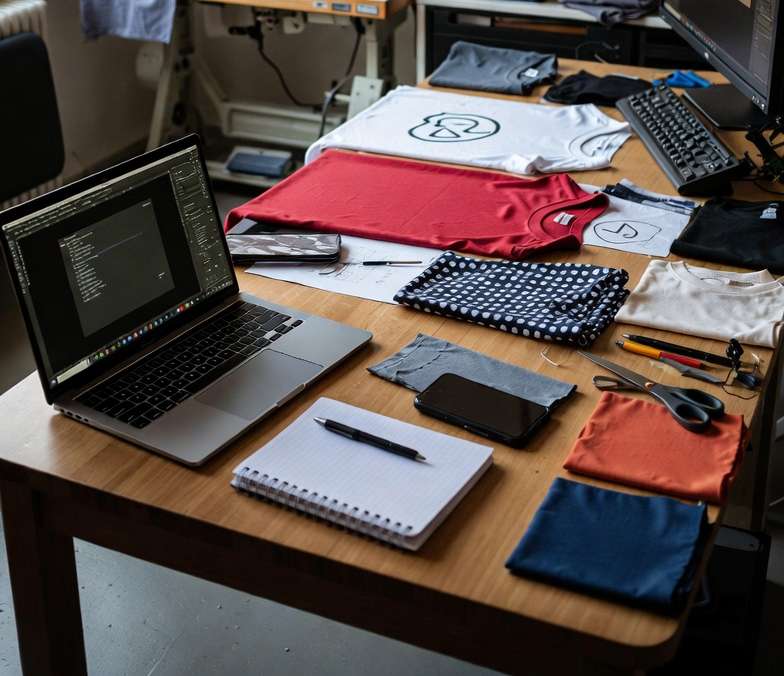
Pros and Cons of Manufacturing Clothing in Pakistan
Pros:
- Competitive Costs: Low labor and production costs.
- Skilled Workforce: Experienced labor with strong expertise in textiles.
- Local Materials: Access to organic cotton and locally sourced fabrics.
- Strategic Location: Well-connected shipping routes to Asia, Europe, and the Middle East.
Cons:
- Energy Shortages: Power outages and infrastructure issues can cause delays.
- Inconsistent Standards: Varying communication and compliance across factories.
- Political Instability: Can impact logistics and production timelines.
Despite these challenges, many manufacturers in Pakistan have adopted modern technologies and quality control systems to meet global standards.
Why Choose Newasia Garment Co., Ltd. as Your Manufacturing Partner?
As a reliable and experienced manufacturer, Newasia Garment Co., Ltd. offers a wide range of advantages to business owners looking to enter the t-shirt manufacturing market in Pakistan:
- Trusted by Global Brands: Newasia Garment Co., Ltd. has been a key partner for leading brands such as Uniqlo, Levi’s, Zara, and Gap, producing high-quality garments for these brands across the world.
- Quality Control: Newasia takes quality seriously, ensuring that all products meet international standards. With a state-of-the-art manufacturing facility and experienced workforce, they guarantee consistent quality across all production lines.
- Efficient Production: By leveraging advanced technology and lean manufacturing principles, Newasia ensures that production processes are optimized for speed and efficiency, reducing costs and minimizing waste.
- Scalable Solutions: Whether you’re looking to produce small batches for niche markets or large orders for major retailers, Newasia has the capability to scale production based on your needs.
By partnering with Newasia Garment Co., Ltd., you can ensure that your t-shirt manufacturing business will be built on a foundation of quality, reliability, and global expertise.
Why We Stand Among The Top Manufacturers In Pakistan?
Capabilities That Power Your Wholesale Brand Strategy
● Cost-Efficient Local Production
Leverage Pakistan’s cotton and garment infrastructure to reduce costs, without compromising quality or delivery standards.
● Flexible Manufacturing Scale
Whether you order 100 pieces or 10,000, our Pakistan manufacturing clothing network adapts to your business lifecycle.
● Global Compliance & Export Readiness
Conforming to international standards and material protocols ensures your collections are retail-ready worldwide.
● Speed & Adaptability
Rapid responses to design changes or order scaling help you seize market windows and seasonal opportunities.
Our Private label T shirt manufacturing process
Different retailers have different needs and requirements as per their customers; People want to spend on what is considered “Reliable yet New.” Now, how exactly can you determine which wholesale t shirt manufacturers are going to help your business or merchandise? To make this a little bit easier for you. We have developed a transparency model that explains how things work.
01
Understanding Demand
We absolutely cannot provide you with a solution if we don’t understand the problem statement itself. So we put severe emphasis on communication with traders , trying to understand their potential audience, business model and ideas.
02
Designing and Prototyping
We believe in the visualization of ideas. Thus, we came up with this step to first get all your demands and then turn it into a Mockup for your end product, along with as many revisions as needed.
03
Fabric Selection
We prefer Quality over quantity, thus the reason for our inventory of high-standard fabrics that will not diminish over time and will hold up nicely, ensuring an excellent reputation for your business as well
04
Printing and embroidery
harnessing various customization techniques, we bring screen printing, embroidery, sublimation printing, and heat transfer printing based on your preferred fabric material.
05
Packaging and boxing
Getting your product just right and then having it vandalized during shipping is an absolute mess to deal with, especially for new business owners and traders, so here at PLCM we forged a variety of packaging options , such as Polybags, boxes and durable wraps for your goods. Not only this, but we also provide private labelling and woven tags.
06
Freight and delivery
We have logistics partners all over the world, fulfilling our daily shipping demands with effective and fast delivery, ensuring a door to door freight, meaning you wouldn’t have to worry about whether your order they’ll ever reach you or not; we got that covered as well.
Certified Professional Clothing Producer
We are very proud of these certificates! They represent Newasia Garment Co.,Ltd. ’s amazing achievements and accreditations. They show how much we care about quality, safety, and professionalism.
We’re proud to say that we have obtained BSCI and ISO 90001 certificates, and inspection certificates for filling materials such as down and cotton. We follow international standards throughout our production process and take responsibility for the quality of our products.
As one of China’s leading clothing manufacturers, we are pleased to be recognized by respected organizations. These certifications underscore our reliability as a trusted supplier to the global apparel industry.
Trusted Certificates:
Why Choose Us
 Independent base We have our own laboratory and can independently develop fabrics , China  Professional certification Certification: ISO 9001, ISO 14001,BSCI,GRS |  Full-equipped Full-equipped, from fiber manufacturing, yarn spinning, weaving, dyeing and processing to finished product production  Rich experience Professional, large and experienced design team, combined with the latest artificial intelligence technology |  Our Facilities 12,000 skilled employees, daily production capacity exceeds 100,000 pieces  Fashion exhibition Participated in domestic and foreign fashion weeks and exhibitions many times |
Trusted by Global Clients










Tips for Running a Successful T-Shirt Manufacturing Business
- Focus on Quality: Quality control is essential in ensuring your t-shirts meet customer expectations. Invest in good-quality fabrics and maintain strict quality standards throughout the production process.
- Diversify Your Offerings: While t-shirts are your primary product, consider diversifying into other garments or custom apparel to attract a wider customer base.
- Leverage E-Commerce: As global demand for online shopping increases, consider setting up an e-commerce platform to sell your t-shirts directly to customers.
Key challenges and how to overcome them
Starting a T-shirt manufacturing business comes with its challenges, but proactive strategies can help you navigate them.
1. Managing costs
- Start small to minimize initial investment.
- Negotiate with suppliers for better rates on bulk orders.
2. Maintaining quality
- Implement strict quality control measures.
- Train your staff to ensure consistent craftsmanship.
3. Standing out in a crowded market
- Focus on unique designs and a strong brand identity.
- Leverage social media to build a loyal customer base.
Conclusion:
Starting a t-shirt manufacturing business in Pakistan is a promising opportunity, especially with the country’s strong textile industry and growing demand for customized apparel. By conducting thorough research, creating a solid business plan, sourcing quality materials, and effectively marketing your products, you can establish a successful business. The key to success lies in offering high-quality products, building strong relationships with customers, and scaling the business strategically.
We bring world-class standards to your doorstep in Pakistan. Get a Quote from Newasia Garment Today
Read more: How to Start a T-Shirt Manufacturing Business in Pakistan: A Complete Guide