

Struggling to manage supplier payments and production timelines? Negotiating flexible payment terms and lead times with reliable China apparel factories can free up cash flow, streamline operations, and prevent costly delays. The right terms let you balance inventory, production costs, and shipping schedules without overextending finances.
Importing apparel from China is profitable, but without strategic payment and lead time arrangements, you risk cash flow issues, delayed deliveries, or strained supplier relationships. Structuring terms to fit your operational needs ensures you don’t pay too early, overcommit stock, or compromise financial stability.
At Newasia Garment Co., Ltd., we’ve helped over 100 international clients craft agreements that balance trust, risk, and mutual benefit. By negotiating deposits, milestone payments, letters of credit, and flexible lead times, businesses can protect cash flow, align production with demand, and strengthen supplier partnerships—supporting growth, stability, and smoother international operations.We have partnered with leading global brands such as American Eagle Outfitters, Uniqlo, Zara, Gap, Levi’s, and Lee, helping them achieve reliable production with flexible payment terms and lead times.
What are payment terms and flexible lead times?
Payment terms are the conditions agreed upon between you and your supplier regarding when and how you pay for your orders—whether it’s upfront, in installments, or after delivery. Flexible lead times are the negotiated production and delivery schedules that allow for adjustments based on your inventory needs, market demand, or shipping arrangements. I won’t go into the full details of every type of payment term or shipping method here, as that’s a conversation for another post! Many factors—like factory capacity, order size, and shipping method—can affect these terms, so clarify everything with your supplier before finalizing.
Why Payment Terms and Lead Times Matter in Apparel Sourcing
When sourcing from China, two factors directly impact your cash flow and operational efficiency:
- Payment Terms: These define when you pay the supplier (before, during, or after production) and under what conditions. Favorable payment terms reduce upfront capital requirements and lower financial risk.
- Lead Times: This is the time your supplier takes from order confirmation to delivery. Flexible lead times allow your business to respond to market demand, seasonal trends, and unexpected delays without losing sales.
A strong understanding of both elements helps avoid cash flow crunches, stockouts, and strained supplier relationships.
Understanding Payment Terms in China Apparel Manufacturing
When dealing with Chinese factories, common payment terms include:
- T/T (Telegraphic Transfer): Often 30% upfront, 70% before shipment
- L/C (Letter of Credit): Provides higher security for large orders
- PayPal or Escrow Services: Useful for smaller or initial orders
Tips for negotiation:
- Start with smaller pilot orders to build trust
- Offer clear contracts specifying milestones and penalties for delays
- Discuss flexible payment schedules for recurring clients
Case in point: Newasia Garment has successfully managed diverse payment structures for clients like Zara and Uniqlo, balancing security and flexibility.
Apparel Production Lead Time Comparison by Segment
| Production Type | Typical Lead Time | Key Requirements | Risk Level for New Sellers |
|---|---|---|---|
| Traditional Bulk Orders | 8-14 weeks (56-98 days) | Standard fabric sourcing, multiple sampling rounds, quality inspections | Low – Industry standard, buyer expectations aligned |
| Fast Fashion / Agile Production | 15-30 days | Pre-approved fabrics, simplified designs, dedicated production lines | High – Requires significant infrastructure investment |
| Sample / Prototype Orders | 7-14 days | Small quantities, existing patterns, in-stock materials | Medium – Manageable for most sellers |
| Reorder / Repeat Production | 10-20 days | Same specifications as previous order, fabric already sourced | Low – Ideal for building buyer relationships |
How Do You Negotiate Payment Terms and Flexible Lead Times with China Apparel Factories?
The first step is to understand that both payment terms and lead times are negotiable variables that directly impact your cash flow, production planning, and supply chain stability.
You can negotiate payment terms and lead times through supplier communication, relationship building, order structuring, and leveraging production scale.
Here are the most effective ways to negotiate with reliable China apparel factories:
1. Build Long-Term Supplier Relationships
Factories are more flexible with clients they trust and expect repeat business from.
- Communicate consistently and professionally
- Place repeat orders to build credibility
- Avoid last-minute changes that damage trust
2. Structure Payment Terms Strategically
Different payment structures reduce risk and improve cash flow.
- 30/70 split (deposit + balance before shipment)
- Milestone payments (fabric, production, shipment stages)
- Net terms for established buyers (e.g., Net 15 / Net 30)
3. Negotiate Flexible Lead Times Early
Lead time flexibility depends on capacity planning and order priority.
- Discuss production schedules before confirming orders
- Build buffer time for peak seasons
- Consolidate orders to gain priority in production line
4. Leverage Order Size and Forecasting
Larger or predictable orders give you stronger negotiation power.
- Commit to higher volumes for better terms
- Share forecasts to secure production slots
- Bundle styles to optimize factory efficiency
5. Use Risk-Balancing Payment Methods
Different payment tools can reduce exposure for both sides.
- Letters of Credit (LC) for large orders
- Partial payments tied to inspection approval
- Smaller initial deposits for trusted long-term partners
Comparison Table
| Strategy | Benefit | Limitation |
|---|---|---|
| Long-term relationship | More flexible terms | Takes time to build |
| Structured payments | Better cash flow control | Requires agreement alignment |
| Flexible lead times | Better inventory planning | Depends on factory capacity |
| Large order leverage | Strong negotiation power | Higher upfront commitment |
| Payment instruments (LC, milestones) | Lower financial risk | More administrative steps |
How to approach negotiation
Start by building trust with your supplier—long-term partnerships make negotiations easier. Discuss options such as deposits, milestone payments, net terms, or letters of credit for payments. For lead times, be clear about your priorities, seasonal peaks, and acceptable buffers. A transparent conversation helps both parties agree on terms that balance risk, trust, and operational needs.
Tips to Negotiate Payment Terms Successfully
- Do Your Research
Before approaching a factory, understand the standard industry practices. Larger factories may prefer strict terms, while smaller ones might offer more flexibility to secure business. - Leverage Order Volume and Consistency
Factories value repeat business. Promising consistent orders can make them more willing to accept favorable payment terms. - Propose a Split Payment Plan
Instead of paying 70% upfront, suggest smaller milestones tied to production stages. For example:- 30% deposit
- 40% after fabric approval
- 30% before shipment
- Offer Incentives
Factories may agree to better terms if you offer:- Faster payment for urgent orders
- Bulk orders or longer-term contracts
- Clear communication and quick approvals
- Build a Relationship
Trust is critical in Chinese business culture. Regular visits, video calls, and transparent communication improve your negotiation power.
Example from Newasia Garment:
Newasia has successfully structured payment terms for Zara and Uniqlo, balancing risk management with client cash flow needs. This flexibility has helped them maintain long-term relationships with international brands.
Negotiating Flexible Lead Times
Lead times determine how quickly your products reach the market. Flexible lead times give you room to respond to market demand without rushing production or increasing costs.
Strategies to Get Flexible Lead Times:
- Plan Ahead
Provide factories with your projected order calendar. The more predictable your orders, the easier they can adjust production schedules. - Understand Their Capacity
Ask factories about peak seasons, labor availability, and production bottlenecks. Knowing their constraints allows you to propose realistic delivery schedules. - Offer Priority Fees
Some factories will prioritize orders if you agree to a small premium for expedited production. - Negotiate Partial Shipments
Splitting orders into multiple shipments can allow faster delivery of urgent items while giving the factory time to produce the remaining quantity. - Build Long-Term Partnerships
Factories are more willing to accommodate flexible lead times for buyers who order consistently and communicate effectively.
Newasia Garment’s Approach:
With advanced production planning and adaptable scheduling, Newasia ensures brands like American Eagle Outfitters and Gap receive timely deliveries even during peak seasons.
Common Mistakes to Avoid
- Not researching market standards – Leads to unrealistic requests that suppliers reject
- Being inflexible – Negotiation requires compromise
- Ignoring cultural nuances – Respect and relationship-building are key in China
Tips for Choosing a Reliable China Apparel Factory
Reliability goes beyond pricing. Key factors include:
1. Certifications & Factory Audits
- Ensure factories have ISO, SA8000, WRAP certifications.
- Conduct onsite audits or use third-party verification to assess production quality.
2. References & Brand Partnerships
- Check if the factory has partnered with reputable brands.
- Factories with proven collaborations demonstrate consistency and professionalism.
Why Newasia Garment Stands Out:
Their collaboration with Levi’s, Lee, Gap, Uniqlo, Zara, and American Eagle demonstrates their ability to meet international standards consistently.
How Newasia Supports Long-Term Apparel Partnerships
Newasia Garment Co., Ltd. focuses on building scalable sourcing partnerships rather than one-time transactions.
Our capabilities include:
Flexible Production Planning
- seasonal scheduling support
- rolling production plans
- scalable manufacturing capacity
Transparent Communication
- production updates
- milestone tracking
- dedicated project support
Stable Manufacturing Systems
- quality control systems
- standardized production workflows
- global export experience
Certified Professional Clothing Producer
We are very proud of these certificates! They represent Newasia Garment Co.,Ltd. ’s amazing achievements and accreditations. They show how much we care about quality, safety, and professionalism.
We’re proud to say that we have obtained BSCI and ISO 90001 certificates, and inspection certificates for filling materials such as down and cotton. We follow international standards throughout our production process and take responsibility for the quality of our products.
As one of China’s leading clothing manufacturers, we are pleased to be recognized by respected organizations. These certifications underscore our reliability as a trusted supplier to the global apparel industry.
Trusted Certificates:
Why Choose Us
 Independent base We have our own laboratory and can independently develop fabrics , China  Professional certification Certification: ISO 9001, ISO 14001,BSCI,GRS |  Full-equipped Full-equipped, from fiber manufacturing, yarn spinning, weaving, dyeing and processing to finished product production  Rich experience Professional, large and experienced design team, combined with the latest artificial intelligence technology |  Our Facilities 12,000 skilled employees, daily production capacity exceeds 100,000 pieces  Fashion exhibition Participated in domestic and foreign fashion weeks and exhibitions many times |
Trusted by Global Clients








How Do We Guarantee the Quality
Our quality assurance begins with designing and planning, then continues through every step of the production and post-production inspections. Delivery is not an ending. We still offer money-back guarantee for quality issues.
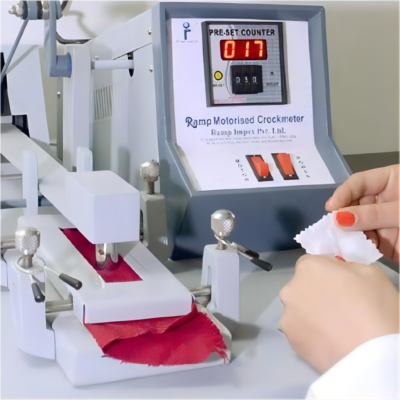
When sourcing fabrics, we will check all related fabric certificates from our suppliers.
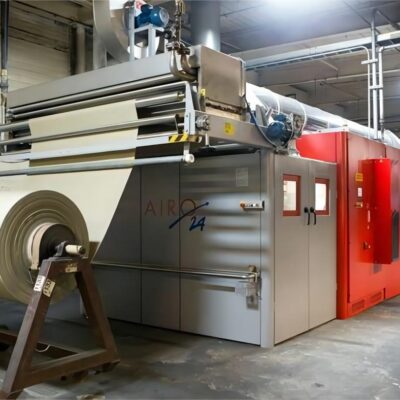
We make sure the fabric is well pre-washed to meet the standards before cutting.
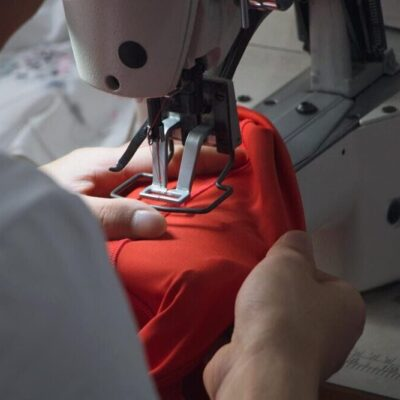
All our workers are well-trained and have many years of experience in the garment industry. They are all local workers with high stability.
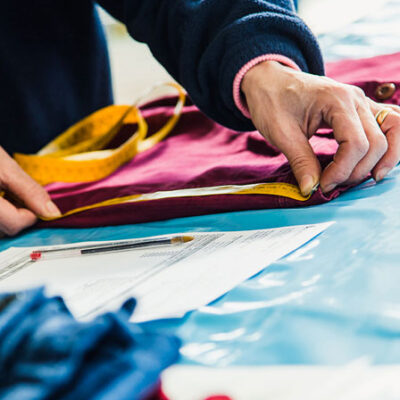
Our quality team will follow SOPs to conduct five times of quality checks before shipping.
FAQ: How Do You Negotiate Payment Terms and Flexible Lead Times with Reliable China Apparel Factories?
Q1: Who can I negotiate payment terms and lead times with?
Independent clothing manufacturers in China — including experienced partners like Newasia Garment Co., Ltd. — who are open to structured, long-term business relationships.
Q2: What payment terms are typically negotiable?
Most factories offer flexible structures depending on order size, trust level, and production history.
- Standard terms: 30% deposit + 70% before shipment
- Milestone payments: split across fabric, production, and delivery stages
- Net terms: available for established buyers with repeat orders
- LC (Letter of Credit): used for larger or high-value orders
Q3: How can I get more flexible payment terms?
Factories are more likely to offer flexibility when trust and consistency are proven.
- Build long-term cooperation instead of one-off orders
- Increase order frequency or volume gradually
- Communicate clearly and pay on time
- Show forecasting or repeat order potential
Q4: Can lead times be shortened or adjusted?
Yes, but they depend on factory capacity, material availability, and order complexity.
- Standard production: 15–30 days for custom apparel
- Faster production: possible with pre-booked capacity or urgent fees
- In-stock items: usually ship within 3–7 days
Q5: What affects payment terms and lead time flexibility?
Several operational factors influence negotiation outcomes:
- Order quantity and consistency
- Fabric availability and customization level
- Seasonality and factory workload
- Relationship history with the supplier
Q6: How do I successfully negotiate both at the same time?
The best results come from balancing risk and cooperation.
- Combine reasonable deposits with clear production schedules
- Align payment milestones with manufacturing stages
- Plan orders early to secure better lead times
- Maintain transparent communication throughout production
Q7: Where are these flexible manufacturing services available?
At established China-based apparel factories like Newasia Garment Co., Ltd., where vertically integrated production allows greater control over both payment structures and delivery timelines, supported by large-scale capacity and quality assurance systems.
Conclusion
Negotiating payment terms and flexible lead times with Chinese apparel factories isn’t about squeezing the lowest deposit or the fastest delivery—it’s about building a structured agreement that balances risk, cash flow, and production capability on both sides.
When you communicate clearly, understand how factories operate, and approach discussions with realistic expectations, you don’t just secure better payment schedules—you gain more reliable production planning, smoother deliveries, and stronger long-term supplier cooperation.
At Newasia Garment Co., Ltd., we don’t just produce clothing—we help brands design smarter supply chain agreements that improve cash flow, reduce risk, and increase flexibility. If you’re ready to negotiate better payment terms and lead times with confidence, the right factory partnership makes all the difference.
- How to Validate Pocket Function and Placement Before Bulk Production
- How to Standardize Fabric Hand Feel Across Production Lots
- Movement Fit Testing for Apparel: How to Check Ride-Up, Slippage, and Range of Motion
- Pre-Production Sample Approval: What Brands Should Lock Before Bulk Production
- Custom Sports Jersey Manufacturing Quality Control: A Global Manufacturing Guide