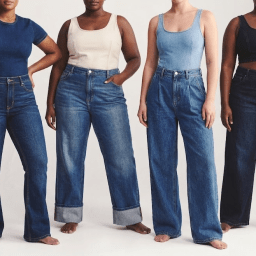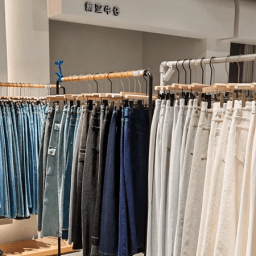

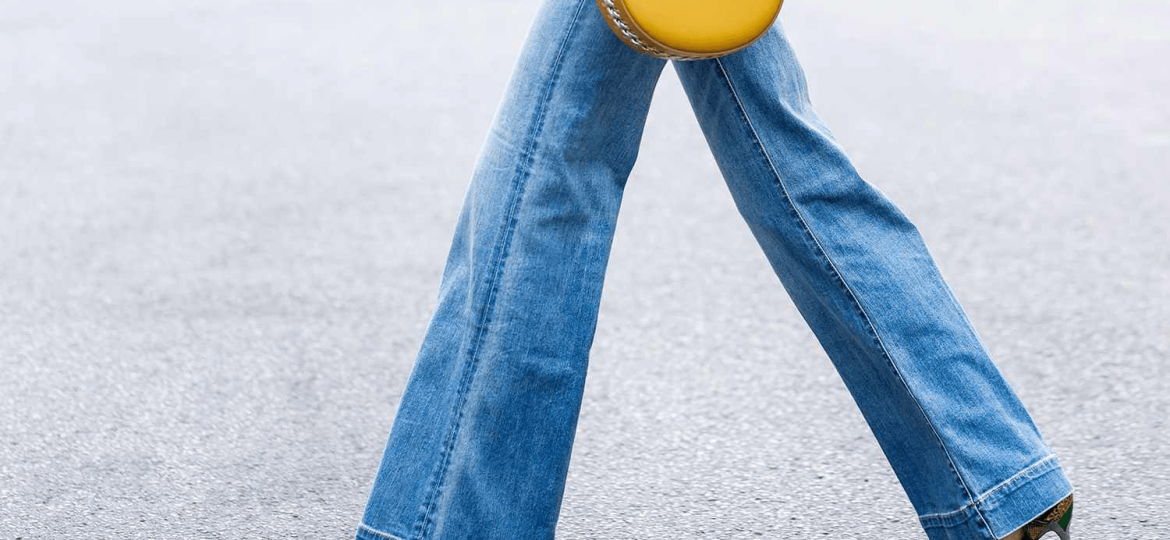
Bell-bottom jeans have made multiple comebacks in fashion history, and in recent years they have re-emerged as part of the global retro and Y2K revival trend. But many consumers and fashion buyers are now asking the same question: are bell-bottom jeans out of style right now?
As a professional denim manufacturer, Newasia Garment provides real industry insights based on production data, global brand demand, and seasonal development trends.
We are also a manufacturing partner of leading global fashion brands such as American Eagle Outfitters, Uniqlo, Zara, Gap, Levi’s, and Lee, which gives us a unique perspective on how denim trends evolve from runway to retail.
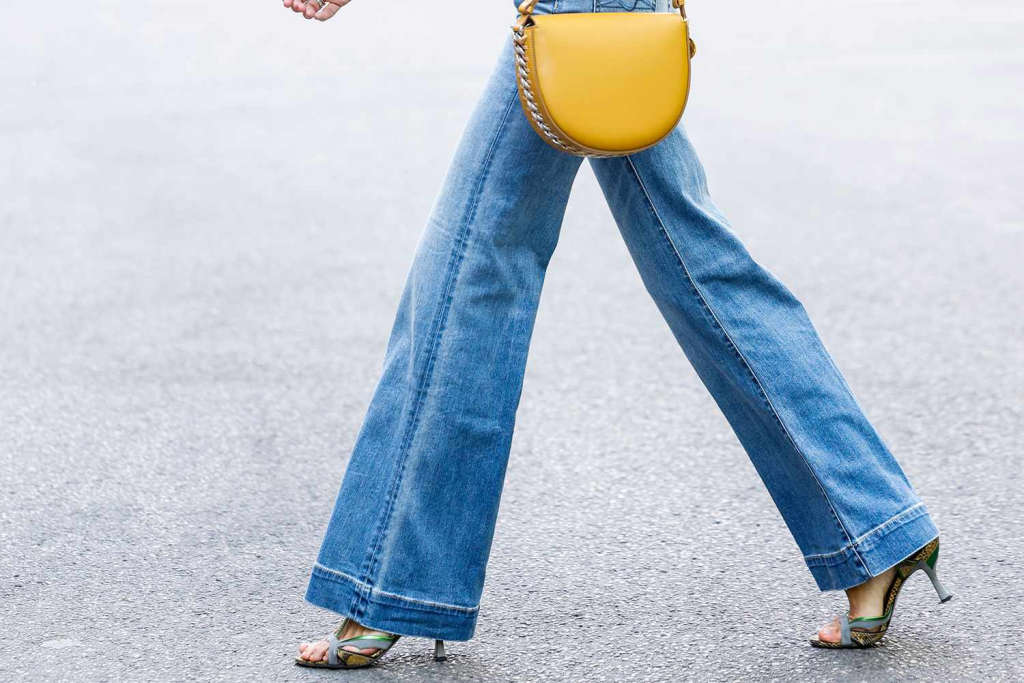
Bell-Bottom Jeans: A Retro Trend That Never Truly Dies
Bell-bottoms are characterized by a fitted waist and thighs with flared legs. Historically associated with the 1960s and 70s, they have returned with modern twists:
- High-waisted styles
- Slight flare instead of exaggerated bell
- Denim blends for comfort and stretch
- Seasonal washes and colors
Despite being retro, bell-bottom jeans continue to appear in runway shows, influencer street style, and top brand collections, demonstrating their lasting appeal.
Why Bell-Bottom Jeans Are Still in Style
1. The Retro Revival Trend
Fashion continues to draw inspiration from the 70s, 90s, and early 2000s. Bell-bottom jeans fit naturally into this movement.
This trend is driven by:
- Social media fashion cycles (TikTok, Instagram styling trends)
- Celebrity streetwear influence
- Vintage resale culture
As a result, flare silhouettes frequently reappear in seasonal collections.
2. Runway and Designer Influence
High-end fashion houses have reintroduced wide-leg and flared denim variations in recent collections.
While runway adoption does not always translate to mass retail, it strongly influences:
- Boutique brands
- Premium denim labels
- Concept-driven collections
For manufacturers, this creates opportunities for small-batch, high-margin production.
3. Strong Demand in Specific Markets
Bell-bottom jeans perform particularly well in:
- European fashion boutiques
- North American festival wear markets
- Middle Eastern luxury casualwear segments
- Latin American youth fashion segments
Demand is not universal—but it is consistent within these segments.
Bell-Bottom Jeans in 2026
Current Status:
- Still niche, with steady demand among curated and retro-focused segments.
- Slight resurgence in mainstream visibility, driven by nostalgia marketing and influencer styling.
- Mass-market dominance remains limited; focus is on quality, fit, and statement silhouettes.
Trend Context:
- Fashion cycles continue: retro silhouettes are revisited with modern tailoring and sustainability in mind.
- Wide-leg and flared jeans remain dominant in casual and designer collections.
- Bell-bottoms are increasingly positioned as “heritage pieces” rather than everyday staples.
Where Bell-Bottoms Thrive:
- Curated designer drops: Clean, high-rise designs, premium denim, and sustainable washes.
- Vintage & resale markets: Demand for authentic ’70s and ’90s pieces remains strong, especially rare or well-preserved items.
- Niche segments: Plus-size shoppers, retro enthusiasts, and online boutique audiences prioritize tailored fit and quality.
- Influencer & celebrity styling: Occasional viral moments spark renewed interest, often paired with contemporary tops and sneakers.
Jeans Losing Popularity in 2026:
- Ultra-low-rise jeans → near obsolescence in mainstream markets.
- Excessively baggy, shapeless denim → consumers favor proportioned and structured wide-leg styles.
- Poorly tailored skinny jeans → declining further; premium skinny options survive in enthusiasts’ niches.
- Flashy novelty denim → temporary spikes, little long-term traction.
Retail & Market Reality:
- Bell-bottoms continue as seasonal or capsule items in large retailers.
- Independent and DTC brands maintain a competitive edge via custom sizing, higher-quality fabrics, and sustainable production.
Buyer Decision Framework:
- Fast volume sell-through: Focus on modern wide-leg or relaxed straight jeans.
- Brand identity & higher margin: Curated bell-bottom capsule with sustainable premium denim and inclusive sizing.
- Older or plus-size demographics: Invest in fit, proportion, and comfort; trendiness is secondary to wearability.
2026 Denim Landscape (Qualitative):
| Style | Market Position |
|---|---|
| Bell-bottoms (modern reinterpretation) | Niche, steady demand, gaining visibility through curated & sustainable lines |
| Wide-leg & relaxed straight | Mainstream, high-velocity |
| Ultra-low-rise jeans | Nearly obsolete |
| Skinny (premium/structured) | Small niche remains among enthusiasts |
| Selvedge & premium construction | Growing, strong interest among sustainability-conscious consumers |
Why Bell-Bottoms Are (or Aren’t) Making a Comeback
Overview:
Bell-bottoms resurface when cultural nostalgia, influencer visibility, and sustainability trends converge. Success depends on modernized fit, proportion, and wearability. They fail to sustain mass appeal if comfort, styling, or practicality are compromised.
Cultural Drivers
- Nostalgia cycles: ’70s and early 2000s (Y2K) aesthetics periodically return via music, film, and fashion collaborations.
- Media & celebrity influence: High-profile appearances spike curiosity, but repeat adoption requires relatability for everyday wearers.
Functional Drivers
- Comfort & movement: Bell-bottoms offer more freedom than skinny jeans, especially in midweight denim.
- Footwear trends: Chunky platforms, retro boots, and flatform sneakers complement bells; low-profile shoes can clash.
Sustainability & Vintage Trends
- Circular fashion: Vintage and upcycled denim make bell-bottoms appealing to eco-conscious buyers.
- Quality over fast fashion: Premium fabrics and construction boost desirability and longevity.
Design Evolution
- Rise & proportion adjustments: Higher rises and narrower thighs allow the flare to start lower, maintaining a modern silhouette.
- Minimalism & details: Clean hems, subtle distressing, and refined pockets modernize bells; excessive embellishment feels costume-like.
Economic & Retail Considerations
- Inventory risk: Niche appeal encourages capsule runs or pre-orders to test demand.
- Production complexity: Proper grading across sizes ensures consistent fit, giving brands a competitive edge.
Why Some Bell-Bottom Drops Fail
- Poor fit execution: Overwhelming flare or misaligned rise discourages repeat purchases.
- Wrong fabric weight: Too stiff → awkward flare; too drapey → loses shape. Midweights (10–14 oz) ideal.
- Misaligned marketing: Drops without styling guidance or outfit inspiration struggle to gain traction.
Opportunities for Brands & Makers
- Size-inclusive runs: Plus, tall, and petite options expand reach.
- Sample & fitting programs: Accurate measurements, fit videos, and small-run custom options reduce returns.
- Position as statement core pieces: Market bells as wardrobe staples, not one-off novelties, to encourage long-term adoption.
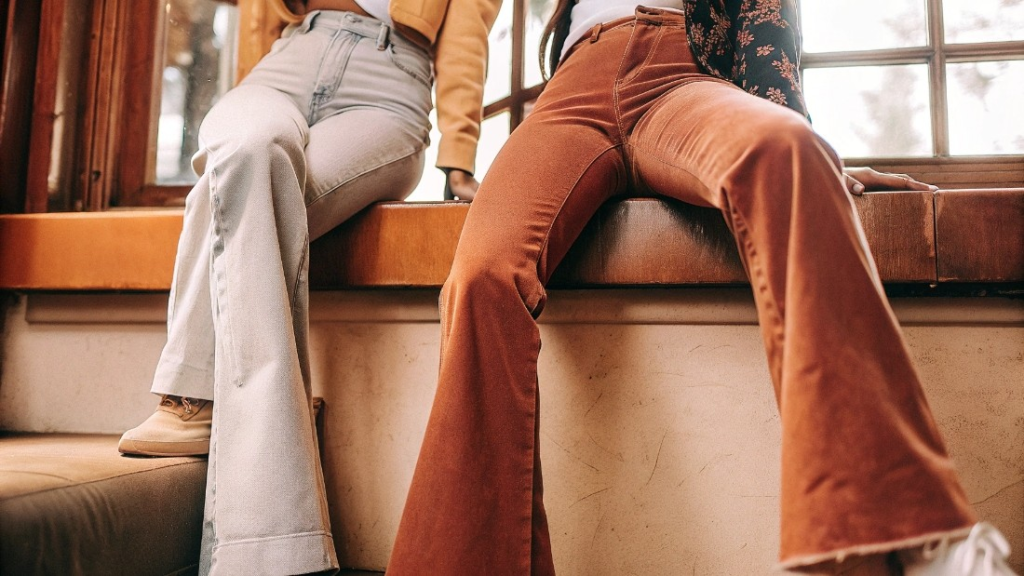
How to Style Bell-Bottom Jeans Today (Modern Approach)
Core idea: Balance proportions so the flare feels intentional, not retro costume.
Proportion Rules
- Tops: Fitted tees, bodysuits, tucked blouses, or cropped knits to define the waist
- Outerwear: Structured blazers, cropped jackets, or fitted leather pieces
- Length: Hem should skim or lightly cover shoes (no excessive pooling)
Best Shoes
- Platform boots (best overall match for flare balance)
- Block heels or wedges (everyday wearable height)
- Chunky platform sneakers (casual streetwear version)
- Pointed-toe boots (elongated, polished silhouette)
Modern Styling Direction
- Prefer clean indigo, black, or dark rinses
- Avoid heavy distressing or exaggerated retro washes
- Minimal detailing = more modern and premium feel
Who Bell-Bottoms Flatter (and Why)
Key principle: Bell-bottoms strongly reshape proportions, so fit matters more than most jeans styles.
Most Flattering Setup (Universal)
- High-rise or mid-rise: elongates legs, defines waist
- Slim thigh + controlled flare: avoids bulkiness
- Midweight denim: holds structure without stiffness
Flare Intensity Guide
- Subtle (8–12 cm): safest, modern, everyday wear
- Medium (13–18 cm): statement but wearable
- Full bell (18+ cm): fashion-forward, requires styling confidence
Body-Type Optimization
- Petite: higher rise + narrower flare for leg extension
- Tall: wider flares work well, ensure correct inseam
- Curvy/plus size: structured waist + slight thigh taper for smooth silhouette
- Athletic build: flare adds visual curves and balance
Why Bell-Bottoms Come Back (or Don’t)
Why They Return
- Nostalgia cycles: ’70s and Y2K revivals through media & culture
- Celebrity/influencer moments: short-term spikes in demand
- Sustainability trend: vintage and circular fashion boost appeal
- Footwear cycles: platforms and retro boots support the silhouette
Why They Don’t Sustain Mass Demand
- Fit complexity (especially across sizes)
- Styling sensitivity (wrong shoes = outdated look)
- Lower everyday practicality vs straight or wide-leg jeans
Why Some Bell-Bottom Products Fail
- Poor fit execution: flare overwhelms silhouette
- Wrong fabric weight:
- too stiff → rigid flare
- too soft → loses shape
- Weak styling guidance: customers don’t know how to wear them
- No sizing strategy: inconsistent grading across sizes
Retail & Brand Strategy Opportunities
- Launch small capsule drops instead of large inventory bets
- Use pre-orders or test runs to validate demand
- Build size-inclusive grading (petite + plus + tall)
- Position bells as statement staples, not novelty items
- Provide styling content (lookbooks, videos, outfit guides)
Evaluating High-Quality Bell-Bottom Jeans
Key Quality Checklist
- Fabric: 10–14 oz denim for structure + drape balance
- Stitching: even, reinforced seams, no skipped stitches
- Pocket placement: lifts and balances silhouette
- Waistband: stable, non-stretching construction
- Hem finish: chain-stitched or clean overlock
- Grading: flare must scale correctly across sizes
Premium vs Basic Comparison
| Feature | Basic | Premium |
|---|---|---|
| Fabric | 10 oz standard denim | 12–14 oz selvedge denim |
| Stitching | Standard single stitch | Reinforced / high-density stitching |
| Hem | Overlocked | Chain-stitched selvedge finish |
| Waistband | Basic interfacing | Double-interfaced, reinforced |
| Grading | Flat scaling | Size-specific proportion grading |
Why Work with a Specialized Factory (Newasia Garment)
Bell-bottoms are structurally complex and require precise denim engineering.
Why It Matters
- Flare proportion must scale correctly across sizes
- Waist–thigh–flare relationship must stay consistent
- Fabric behavior changes dramatically with weight and wash
Newasia Garment Capabilities
- Handles complex denim construction and grading systems
- Supports small MOQ (test runs 300 pcs)
- Scales up to large production (10,000+ pcs)
- Supports plus-size, tall, petite, and custom silhouettes
- Provides end-to-end support: patterning, sampling, fabric sourcing, QC
Newasia Garment Manufacturing Insight
At Newasia Garment Co., Ltd., we specialize in professional denim manufacturing and global OEM/ODM production, supporting brands from sampling to bulk production.
With experience supplying global fashion brands such as American Eagle Outfitters, Uniqlo, Zara, Gap, Levi’s, and Lee, we understand how silhouette trends evolve and how to translate them into commercially viable denim products.
Our focus includes:
- Precision pattern development for flare silhouettes
- Stable grading across full size ranges
- Fabric selection for structure and drape control
- Small MOQ sampling and scalable bulk production
FAQ: Are Bell-Bottom Jeans Out of Style Right Now?
Q1. Are bell-bottom jeans out of style in 2026?
No, bell-bottom jeans are not out of style in 2026. They are no longer a mainstream denim staple, but they remain popular in fashion-forward and retro-inspired collections. Many brands still use flare silhouettes for seasonal drops, boutique lines, and festival wear.
Q2. Are flare jeans the same as bell-bottom jeans?
Not exactly. Bell-bottom jeans are fitted through the thigh and knee, then flare dramatically from the knee down. Flare jeans are a broader category that may have a more subtle or gradual widening. In modern fashion, the terms are often used interchangeably, but the silhouettes are technically different.
Q3. Why are bell-bottom jeans coming back in fashion?
Bell-bottom jeans are returning due to the ongoing retro fashion cycle. Influences include 1970s-inspired styling, social media trends, and designer runway collections. These factors have brought flare silhouettes back into seasonal fashion rotations.
Q4. Who is still wearing bell-bottom jeans?
Bell-bottom jeans are mainly worn by younger fashion consumers, especially Gen Z and millennials. They are also popular among festival-goers, influencers, and customers who prefer vintage or expressive fashion styles rather than minimalist basics.
Q5. Are bell-bottom jeans good for clothing brands to produce?
Yes, but they are better suited for trend-driven collections rather than core basic lines. Bell-bottom jeans can help brands differentiate their product range, especially in boutique retail, online fashion stores, and seasonal capsule collections.
Q6. What body types suit bell-bottom jeans?
Bell-bottom jeans generally suit a wide range of body types because the flared hem helps balance proportions. They are especially flattering for those looking to elongate the legs or create a more balanced silhouette between hips and ankles.
Q7. What fabrics work best for bell-bottom jeans?
The best fabrics depend on the design direction. Medium-weight denim (10–12 oz) is commonly used for structure, while slight stretch denim (1–2% elastane) improves comfort and movement. Rigid denim is preferred for a more authentic vintage look.
Q8. Are bell-bottom jeans harder to manufacture?
Yes, compared to straight-leg or slim-fit jeans, bell-bottom jeans require more precise pattern engineering. The flare shape must be carefully graded across sizes to maintain consistent proportions, making production more technical for OEM manufacturers.
Conclusion
Bell-bottom jeans are not out of style right now—they are part of a recurring fashion cycle that continues to evolve.
For fashion brands, the key is not whether bell-bottom jeans are “in or out,” but how to position them correctly in the market.
With deep experience in denim development and global brand partnerships, Newasia Garmenthelps brands turn trend insights into high-quality, market-ready denim collections.
If you are developing your next denim line, our team can support you from concept to production with professional OEM & ODM services.
Read more
- How to Compare Clothing Manufacturer Quotes: A Cost Checklist for Apparel Brands
- How to Build Durability Tests Around High-Stress Garment Areas
- How to Control Fabric Shade Variation Before Bulk Production
- What US Apparel Brands Should Verify About Care Labels Before Bulk Production
- Size Set Approval Before Bulk Production: How to Catch Pattern Grading Problems Early