
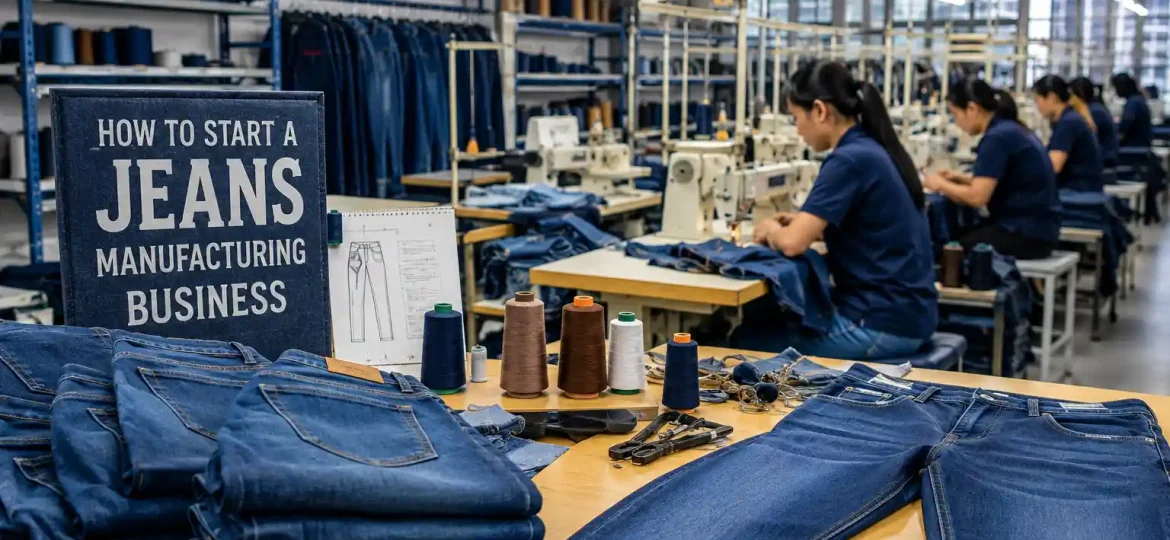
How to Build a Denim Brand: The Factory Guide
Launching a private label denim collection or scaling a custom denim factory requires far more than aesthetic vision and creative CAD renderings. Denim is one of the most mechanically complex, capital-intensive, and material-dependent segments in the global apparel trade.
Unlike standard fashion production, a jeans business operates at the intersection of heavy textile engineering, intricate industrial wet processing, precise pattern architecture, and volatile global supply chains. A single dimensional error in fabric shrinkage calculation or a weak choice in internal pocketing can destroy entire production runs and erode retail profit margins.
For sourcing managers, fashion entrepreneurs, and global supply chain directors seeking a clear path to market, this operational guide provides the step-by-step framework to transition from concept to direct-factory execution.
1. Building the Technical Infrastructure: Equipment, Pattern CAD, and Tech Packs
The foundation of modern jeans manufacturing relies on absolute pattern stability and heavy-duty machinery built to withstand thick cotton layers.
- Engineering Production-Ready Tech Packs: Every custom jean design begins with an authoritative technical specification sheet. This must specify points of measurement (POM), stitch densities (stitches per inch / SPI), thread Tex sizes, hardware plating details, embroidery backing specs, and localized distressing zones.
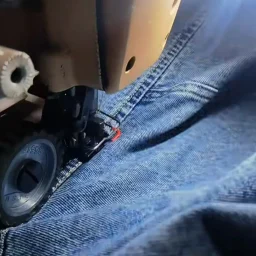
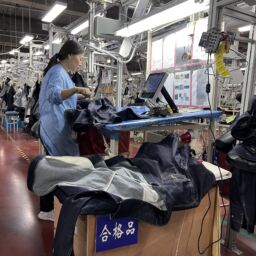
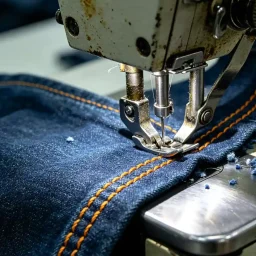
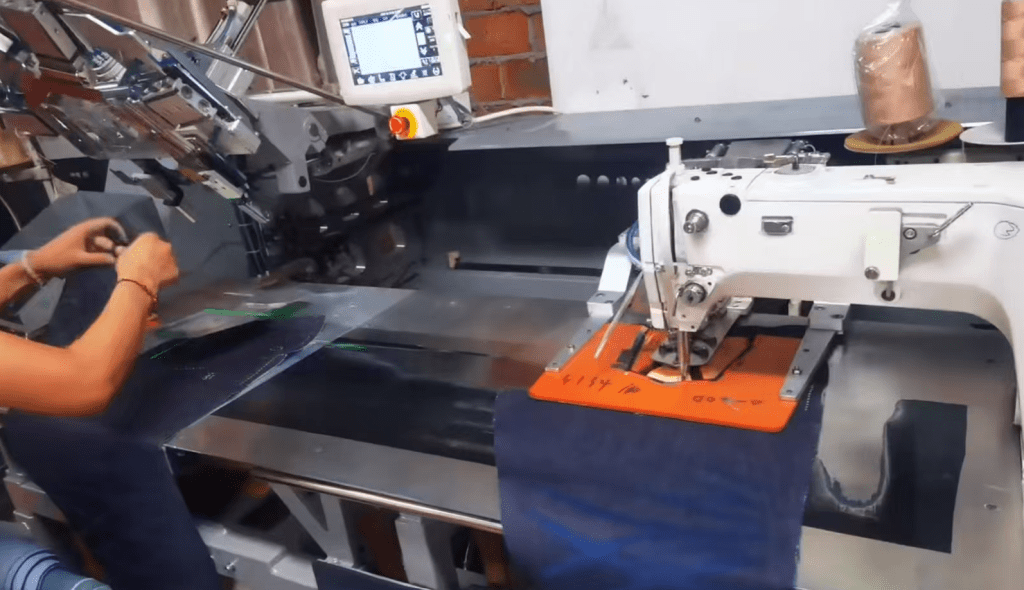
- Heavy-Duty Industrial Machinery: Standard garment machinery cannot slice or stitch through heavy 14 oz to 18 oz denim stacks. Production floors require computer-controlled CNC multi-ply cutting tables, heavy-duty twin-needle chain-stitch machines for felled inseams, automated pocket-setters, rivet presses, and specialized eyelet buttonhole sewers.
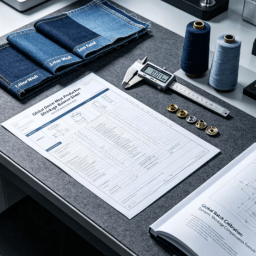
- CAD Pattern Shrinkage Calibration: Raw indigo denim undergoes violent contraction during commercial washing, enzyme baths, and steam pressing. Pattern engineers must compute exact warp (length) and weft (width) shrinkage coefficients using digital CAD systems, expanding cutting markers so garments contract precisely into size specifications after industrial finishing.
2. Raw Material Procurement: Ring-Spun Yarns and Indigo Chemistry
Selecting raw denim rolls determines your collection’s drape, fade potential, and durability.
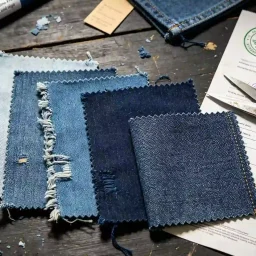
- Yarn Selection and Slub Dynamics: Mass-market denim utilizes flat open-end (OE) yarns, whereas premium denim brands mandate long-staple ring-spun yarns. Dual-ring-spun denim (ring-spun in both warp and weft) creates the organic vertical slub lines essential for luxury vintage fading.
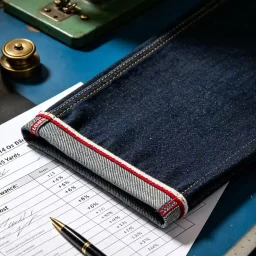
- Indigo Rope Dyeing: Top-tier manufacturing utilizes rope-dyed yarns, where cotton ropes are repeatedly dipped in indigo vats and oxidized. This coats the outer fiber surface while preserving a white cotton core, creating dramatic visual contrasts as the jeans break in and wash down over time.
- GSM and Ounce Weight Stratification: Establish clear product lines based on fabric weight—from lightweight 9 oz denim shirts to commercial 12 oz midweight jeans and rigid 15+ oz heavyweight heritage raw denim.
3. The Internal Skeleton: Guarding Structural Integrity in Custom Denim
The assembly floor is where budget facilities routinely cut hidden corners to accelerate output at the expense of long-term structural integrity. Unverified workshops often substitute cheap synthetic threads or flimsy mesh inside high-stress internal zones—such as rear waistbands, coin pocket channels, fly linings, and pocket bags.
Under the kinetic stress of heavy commercial laundering, enzyme washing, and daily body friction, these weak internal bindings shrink unevenly, fray, or shred apart. This forces the heavy outer denim fabric to buckle and warp, resulting in twisted side seams, sagging waistbands, and torn pocket corners that drive high customer return rates.
The rear waistband, fly channel, and pocket boundaries carry continuous physical tension. To insulate your jeans against hidden structural failures and guarantee a luxury tactile feel, your tech packs must explicitly mandate high-density, long-staple components. Integrating premium foundations through a dedicated supplier like Newasia Garment Heavyweight Premium Industrial Cotton Lining Textiles provides a durable internal skeleton.
This tight, high-density combed cotton weave acts as a rigid stabilizer that locks garment geometry true through continuous industrial washing and enzyme distressing, entirely eliminating unsightly twisting or sagging. Utilizing this premium cotton lining matrix inside hidden seams provides a soft, non-scratch barrier against the skin, delivering an instantly recognizable luxury tactile feel that synthetic-only alternatives cannot replicate.
4. Industrial Wet Processing and Environmental Wash Chemistry
Wet finishing transforms raw, stiff indigo denim into a soft, textured retail product with character and depth.
- Enzyme and Stone Washing: Industrial washing barrels utilize cellulase enzymes to gently digest surface fibers, releasing indigo dye and exposing underlying white cotton cores. Natural pumice stones or synthetic abrasives create authentic, worn-in distress points along pocket edges and seam lines.
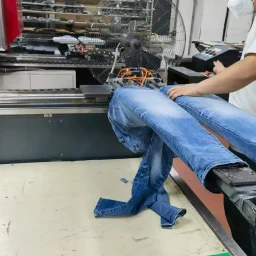
- Laser Whiskering and Ozone Bleaching: Modern sustainable factories replace manual hand-scraping and toxic chemical bleaching with precision laser engraving (creating realistic thigh whiskers) and ozone gas carousels. Ozone processing strips color using minimal water, preserving yarn tensile strength while significantly reducing chemical discharge.
- Color Fastness and pH Neutralization: Following wet chemical washing, denim undergoes thorough neutralization and fastness audits to eliminate residual alkali or acid odors, ensuring the final garment is skin-safe and color-stable.
5. Quality Audits and Risk Mitigation via Fixed Global DDP Logistics
The final phase of building a resilient jeans manufacturing enterprise ensures flawless batch compliance and predictable landed margins.
- AQL 2.5 Quality Audits: Standardize statistical inspections using Acceptance Quality Limit (AQL 2.5) protocols. Auditors evaluate safety-critical defects (broken metal needle fragments), major functional flaws (busted seams, incorrect waist sizing), and minor cosmetic errors (loose thread ends).
- 100% Hardware Stress Testing: Rivets, shank buttons, and zip sliders undergo mechanical pull-tests to verify they withstand repeated stress without tearing through outer fabric layers.
- Securing Margins via Delivered Duty Paid (DDP) Logistics: Perfecting denim manufacturing means nothing if profit margins are wiped out by volatile international ocean rates, port clearance delays, or unexpected customs fees at your domestic border. Sourcing under traditional FOB (Free On Board) terms leaves your capital vulnerable to unexpected freight surcharges and shipping bottlenecks. Modern denim labels protect margins by partnering exclusively with manufacturers operating under a comprehensive Delivered Duty Paid (DDP) framework, ensuring store-ready inventory arrives straight at your warehouse with zero hidden costs.
To anchor your new denim venture on direct-factory engineering precision, absolute pattern stability, and transparent quality metrics, visit Newasia Garment.com to request a comprehensive production review today.
Read more
- How to Investigate a Garment Quality Claim: From Symptom to Root Cause and CAPA
- Garment Packaging Quality Control: Preventing Creases, Print Damage and Shape Distortion
- How to Validate Pocket Function and Placement Before Bulk Production
- How to Standardize Fabric Hand Feel Across Production Lots
- Movement Fit Testing for Apparel: How to Check Ride-Up, Slippage, and Range of Motion