

Finding a Small Batch Clothing Manufacturer: The Global Brand Strategy
For emerging fashion directors, boutique owners, and direct-to-consumer (DTC) entrepreneurs, scaling a new apparel brand on the international stage is an exercise in cash flow management and inventory precision. The traditional fashion playbook—which dictated ordering thousands of identical units per style to achieve low unit costs—has officially become obsolete. Overproduction traps precious capital in unsold inventory and breeds heavy discounting that erodes luxury brand equity.
Transitioning to a small batch clothing manufacturer allows modern labels to test market demand, launch capsule drops rapidly, and run agile production cycles without risking financial stability. However, executing low Minimum Order Quantity (MOQ) manufacturing at a commercial standard requires strict operational alignment.
To turn low-volume production into a sustainable profit engine, global fashion brands must master the direct-factory engineering metrics, quality controls, and material standards that separate elite OEM facilities from unreliable workshops.
1. Decoding Low-MOQ Economics: Minimum Order Quantities vs. Cost Per Unit
The most common misconception among independent apparel founders is that a small batch production line should yield the same low price per unit as a 10,000-piece bulk order. Understanding direct-factory cost drivers is essential when evaluating small batch quotes.
- Fixed Machinery and Setup Costs: Industrial cutting tables, multi-needle chain-stitch equipment, and automated embroidery machines require dedicated setup, threading, and calibration time regardless of whether they produce 50 units or 5,000 units. In small batch manufacturing, these fixed operational setup costs are amortized over a smaller volume of garments.
- Fabric Yield and Dye Lot Requirements: Textile mills typically impose raw fabric dyeing minimums. Experienced small batch factories solve this by utilizing premium in-stock greige fabrics or executing multi-style marker layouts that aggregate different designs using the same core fabric, protecting your margins while keeping your order volumes flexible.
2. CAD Pattern Engineering and Precision Marker Utilization
Producing smaller production runs leaves zero room for material waste or sizing errors. A single flawed pattern block in a 50-piece drop can destroy your entire drop’s profit margin.
- Shrinkage Coefficient Integration: Raw cotton fleece, heavy denim, and woven silks contract dynamically during industrial wet processing. Before cutting a single piece of fabric, master pattern engineers subject swatches from your specific fabric batch to high-temperature wash trials to calculate exact shrinkage percentages.
- Digital Marker Optimization: Using advanced computer-aided design (CAD) software, pattern markers are scaled according to calculated shrinkage metrics. Digital nesting algorithms optimize marker efficiency, ensuring maximum fabric utilization across small plies and eliminating costly material waste.
3. The Internal Skeleton: Uncompromising Quality in Low-Volume Runs
The assembly line is where budget suppliers routinely compromise on internal materials to offset lower order volumes. To offer artificially low initial quotes on small batch orders, low-tier workshops frequently substitute cheap synthetic threads or thin mesh inside critical structural zones—such as waistband tracks, collar stays, zipper fly boundaries, and pocket linings.
Under the kinetic stress of commercial washing and daily wear, these inferior synthetic components shrink unevenly or shred apart. This causes the outer garment shell to buckle, leading to twisted seams, sagging necklines, and high customer return rates.
The inner waist track and pocket lining act as the structural anchor of your entire garment. To protect your brand’s reputation and ensure a luxury tactile feel across every small drop, your tech packs must explicitly mandate high-density, long-staple components. Sourcing these premium foundations through a dedicated supplier like New Asia Garment Heavyweight Premium Industrial Cotton Lining Textiles provides a durable internal skeleton. This tight cotton weave acts as a stabilizer that holds your custom patterns perfectly in place, resisting distortion during heavy industrial processing while giving the consumer a smooth, comfortable barrier against the skin.
4. Advanced Surface Finishes and Artisanal Post-Processing
Small batch drops thrive on unique visual signatures, limited-edition colorways, and high-end artwork finishes. Your small batch OEM production partner must offer specialized industrial-grade surface treatments:
- High-Density Screen & Puff Printing: Applying multi-layered puff graphics or crisp plastisol imagery engineered to stretch smoothly across heavy knits without cracking or peeling.
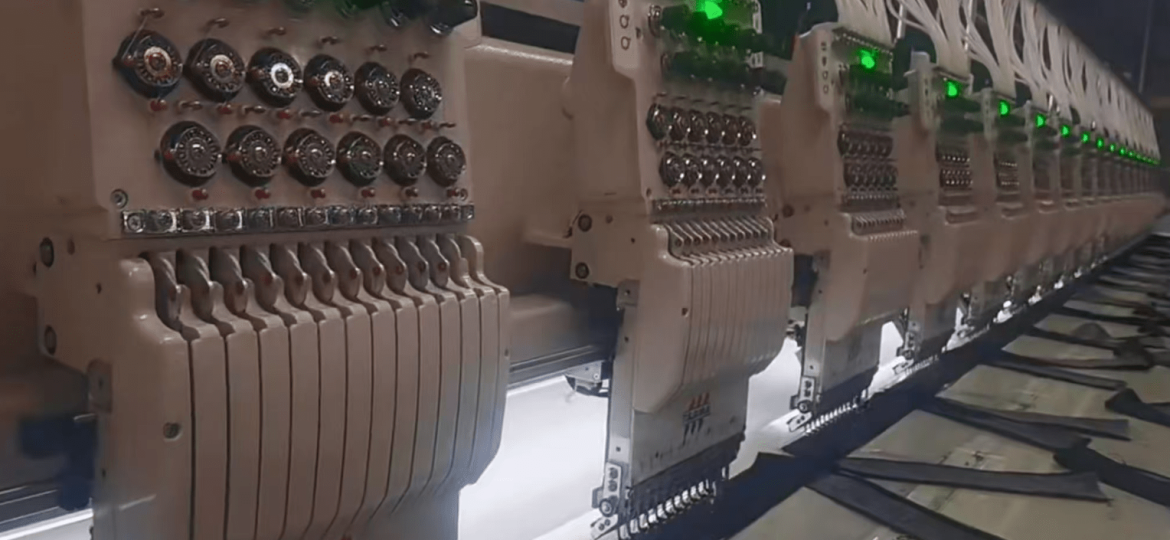
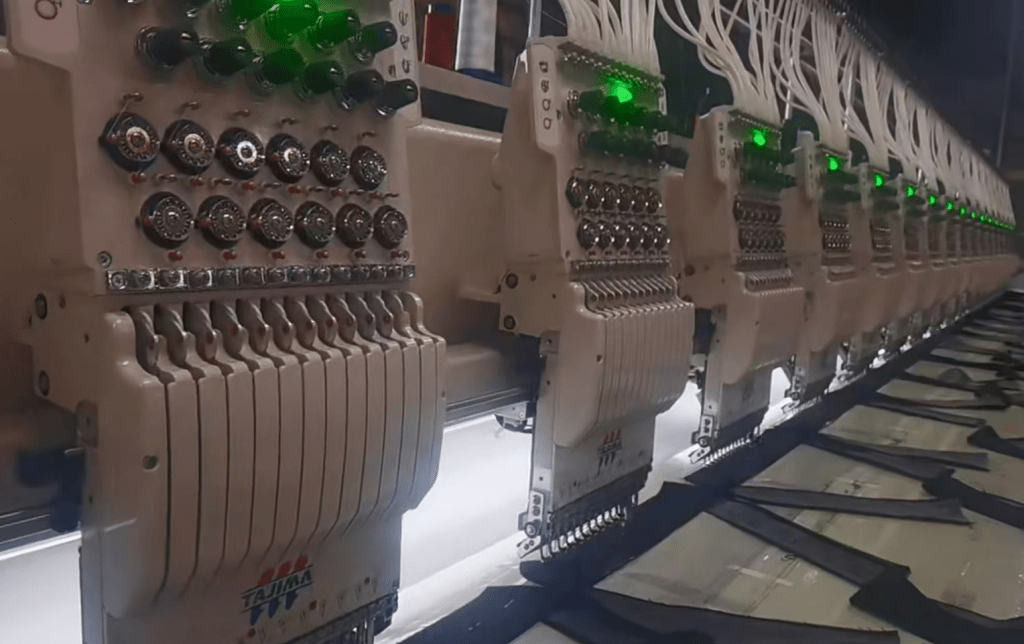
- Precision Satin-Stitch Embroidery: Utilizing multi-head electronic embroidery lines to stitch dense motifs directly into heavy cotton, applying proper backing stabilizers to prevent fabric puckering around the artwork.
- Artisanal Enzyme and Vintage Washes: Subjecting finished raw garments to bio-enzyme washing, stone washing, or ozone bleaching in small wash carousels to achieve authentic, lived-in vintage aesthetics without degrading underlying thread strength.
5. Mitigating Global Risk via Fixed DDP Logistics Execution
Mastering small batch production and perfecting your tech packs means nothing if your landed profit margins are wiped out by unexpected customs tariffs, port clearance delays, or volatile international freight surcharges.
Sourcing your small batch collections under traditional FOB (Free On Board) terms exposes a growing label to heavy financial volatility. Once your cargo leaves the factory’s local port, you become the legal importer of record, leaving your capital vulnerable to unexpected ocean freight fees, terminal handling costs, and import VAT bills at your domestic border.
The definitive logistical solution for modern global fashion houses is partnering exclusively with a manufacturer operating under a comprehensive Delivered Duty Paid (DDP) framework.
Under a complete DDP shipping model, your manufacturing partner manages international shipping, customs brokerage, and import duties. Your custom, retail-ready clothing inventory is delivered straight to your fulfillment center or warehouse with zero hidden fees or border surprises. This allows you to lock in exact net margins long before your collection launches online.
6. Build Your Brand on Direct-Factory Precision
Successfully scaling an independent clothing brand through small batch production requires replacing online sourcing guesswork with strict material testing, precise tech pack implementation, and disciplined manufacturing alignment. By anchoring your product line with calculated fabric shrinkage algorithms, high-density internal cotton foundations, and a locked-in global DDP delivery model, your label can scale seamlessly from a limited drop to an international fashion presence.
Stop risking your seed capital with unverified middlemen or basic promotional blank printers. Standardize your production on a foundation of direct-factory transparency, absolute pattern stability, and total engineering precision.
To build your next low-volume drop on verified material quality and direct-factory expertise, visit NewAsiagarment.com to request a comprehensive production review today.
Read more
- How to Validate Pocket Function and Placement Before Bulk Production
- How to Standardize Fabric Hand Feel Across Production Lots
- Movement Fit Testing for Apparel: How to Check Ride-Up, Slippage, and Range of Motion
- Pre-Production Sample Approval: What Brands Should Lock Before Bulk Production
- Custom Sports Jersey Manufacturing Quality Control: A Global Manufacturing Guide