

Introduction
Thermal comfort in clothing is a tricky challenge in apparel manufacturing. U.S. buyers often complain about winter jackets that are too heavy, making customers sweat indoors but still leaving them cold outside.
Phase-change materials (PCMs) are a game-changer. Unlike traditional insulation, PCMs actively regulate heat by absorbing and releasing energy based on temperature fluctuations. This allows apparel to adapt—keeping you warm when needed and cool when not—without the bulk.
Originally used by NASA in space suits to protect astronauts from extreme temperature shifts, PCMs are now slowly entering mainstream fashion. I believe this technology will redefine thermal apparel, combining comfort, performance, and sustainability for forward-thinking brands.
At Newasia Garment Co., Ltd. , we combine 39 years of manufacturing expertise with advanced technical capabilities, including PCM integration. As a trusted OEM partner for American Eagle Outfitters, Uniqlo, Zara, Gap, Levi’s, and Lee, we deliver the quality, scale, and technical expertise required for next-generation functional textiles.
What Are Phase Change Materials (PCM)?
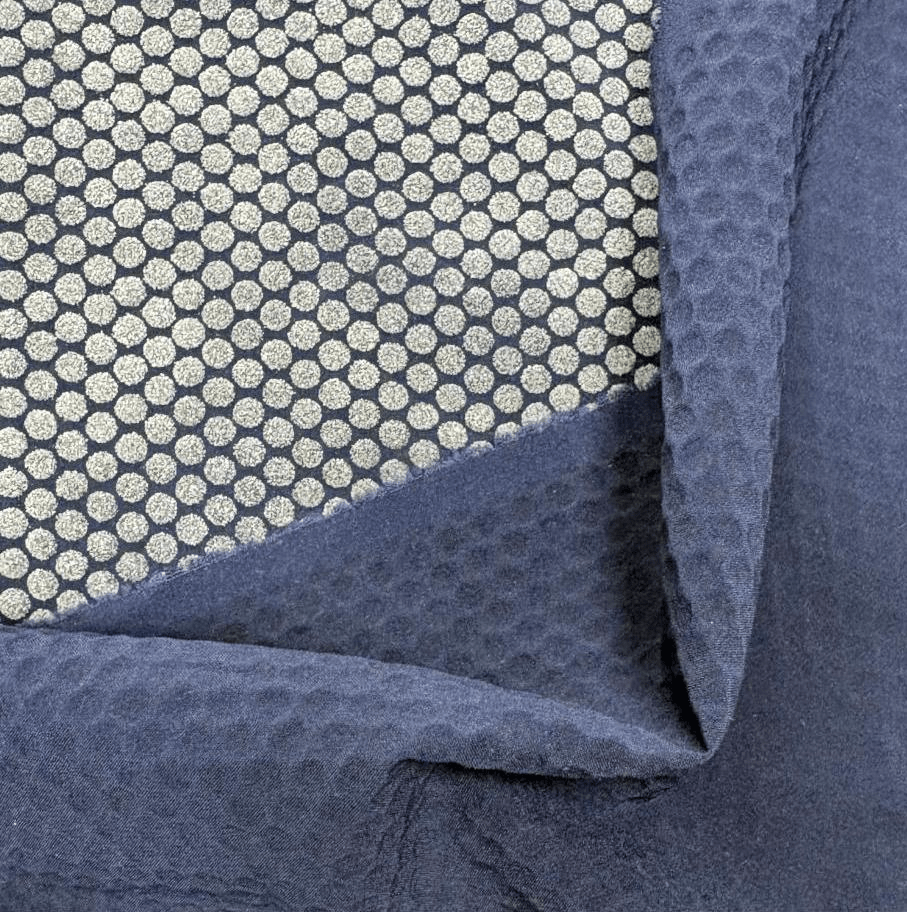
Phase Change Materials are substances that absorb, store, and release heat during phase transitions (typically from solid to liquid and back).
In textiles, PCM is usually embedded into fibers or coatings, allowing fabrics to regulate temperature dynamically.
How Do Phase-Change Materials Regulate Body Temperature?
The power of PCMs lies in their phase shifts. When body temperature rises, the PCM melts, absorbing excess heat. When temperature drops, it solidifies and releases stored warmth. This simple cycle creates a stable comfort zone, preventing overheating or sudden chills—something few fabrics can achieve.
Applications of PCM in Textiles
Phase-change materials (PCMs) are ideal for managing temperature across various textile applications:
- Sportswear: PCMs help athletes stay cool during activity and warm when resting, adapting to changing conditions.
- Workwear: In extreme environments, PCM fabrics regulate temperature, reducing discomfort and fatigue.
- Sleepwear and Bedding: PCMs maintain an ideal temperature throughout the night, enhancing sleep quality.
- Fashion and Everyday Wear: Many brands now incorporate PCM technology to offer functional, comfortable, and innovative fashion.
Why Is PCM Apparel Lightweight Yet Effective?
Warmth often equals bulk, as traditional insulation traps air, needing more thickness for more warmth. PCMs change that.
By storing energy within their structure, PCMs provide warmth without added weight or size. This allows jackets to remain slim while still offering the performance of heavier gear.
How PCM Works in Textiles
PCM fabrics function by maintaining a stable microclimate:
- When body temperature rises, PCM absorbs excess heat
- When temperature drops, PCM releases stored heat
This creates a thermal buffering effect, improving wearer comfort.
Benefits of PCM Fabrics
PCM technology offers several advantages:
- Enhanced thermal comfort
- Reduced temperature fluctuations
- Improved performance in extreme environments
- Added value for high-end apparel
This makes PCM especially attractive for premium and technical clothing lines.
Limitations and Challenges of PCM in Apparel
This is where most articles fail—but where real decision-making happens.
1. Cost Considerations
PCM fabrics are significantly more expensive than standard materials.
2. Durability Issues
Repeated washing can reduce PCM effectiveness if not properly engineered.
3. Limited Temperature Range
PCM works best within a specific temperature window.
4. Integration Complexity
Not all garment types are suitable for PCM application.
👉 These factors must be carefully evaluated before production.
Real Applications in Clothing
PCM is commonly used in:
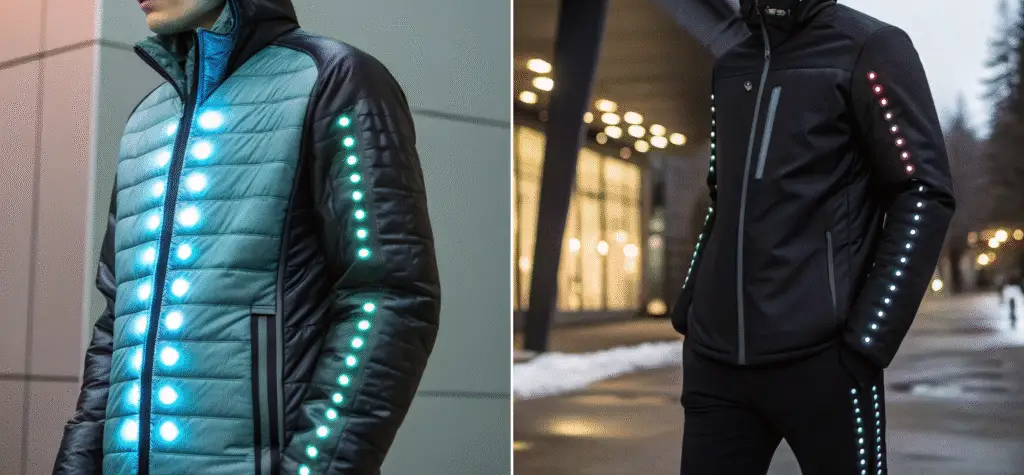
- Outdoor jackets
- Ski wear
- Military uniforms
- High-performance sportswear
- Protective workwear
However, it is not always necessary for basic apparel.
Is PCM Worth It for Your Product Line?
PCM is ideal if your brand focuses on:
- Premium positioning
- Technical performance
- Harsh environment use
But for fast fashion or cost-sensitive products, alternative solutions may be more practical.
👉 Making the right choice requires both technical understanding and production experience.
How Your Customers Benefit from Phase-Change Materials in Textiles
- Heat Management: PCMs excel at regulating heat and managing temperature fluctuations. With their ability to absorb and release heat, customers experience a stable and comfortable temperature, regardless of external conditions.
- Moisture Management: By reducing sweat production, PCMs help keep the wearer dry and comfortable, enhancing hygiene and overall comfort.
- Outstanding Durability: The thermo-regulating properties of PCM fabrics last throughout the product’s lifespan, offering long-lasting performance without compromising on material durability.
- Proactive & Anticipatory: Unlike many conventional materials, PCMs respond before overheating occurs, preventing discomfort by maintaining a consistent temperature.
- Feeling Just Right: Whether integrated into sportswear, workwear, or everyday fashion, PCMs add exceptional value, ensuring that the product feels perfectly balanced for your customers.
Our Manufacturing Capabilities
| Capability | Newasia Advantage |
|---|---|
| Vertical Integration | In-house fabric development, dyeing, finishing, and laundry facilities |
| Technical Expertise | Experience with technical finishes and functional textile processing |
| Quality Systems | ISO 9001, AQL inspection protocols, 5-stage quality control |
| Scale | 30M+ pieces annual capacity; 140+ production lines |
| Testing | In-house and third-party testing for functional performance |
Our Brand Partnerships: Proof of Capability
Newasia Garment is trusted by the world’s most demanding brands, including:
| Brand | Partnership Context |
|---|---|
| American Eagle Outfitters | Long-term supplier of casual and technical apparel |
| Uniqlo | Trusted manufacturer for advanced functional garments |
| Zara | Agile partner for fashion and technical categories |
| Gap | Certified supplier meeting stringent quality standards |
| Levi’s | Specialist in advanced garment finishing |
| Lee | Partner in authentic American casual wear |
These partnerships require continuous innovation and technical excellence—including the ability to integrate advanced materials like PCMs into commercial production.
Certified Professional Clothing Producer
We are very proud of these certificates! They represent Newasia Garment Co.,Ltd. ’s amazing achievements and accreditations. They show how much we care about quality, safety, and professionalism.
We’re proud to say that we have obtained BSCI and ISO 90001 certificates, and inspection certificates for filling materials such as down and cotton. We follow international standards throughout our production process and take responsibility for the quality of our products.
As one of China’s leading clothing manufacturers, we are pleased to be recognized by respected organizations. These certifications underscore our reliability as a trusted supplier to the global apparel industry.
Trusted Certificates:

Why Choose Us
 Independent base We have our own laboratory and can independently develop fabrics , China  Professional certification Certification: ISO 9001, ISO 14001,BSCI,GRS |
 Full-equipped Full-equipped, from fiber manufacturing, yarn spinning, weaving, dyeing and processing to finished product production  Rich experience Professional, large and experienced design team, combined with the latest artificial intelligence technology |
 Our Facilities 12,000 skilled employees, daily production capacity exceeds 100,000 pieces  Fashion exhibition Participated in domestic and foreign fashion weeks and exhibitions many times |
Trusted by Global Clients
















How Do We Guarantee the Quality
Our quality assurance begins with designing and planning, then continues through every step of the production and post-production inspections. Delivery is not an ending. We still offer money-back guarantee for quality issues.
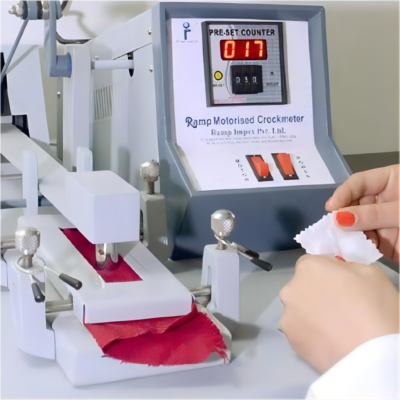
When sourcing fabrics, we will check all related fabric certificates from our suppliers.
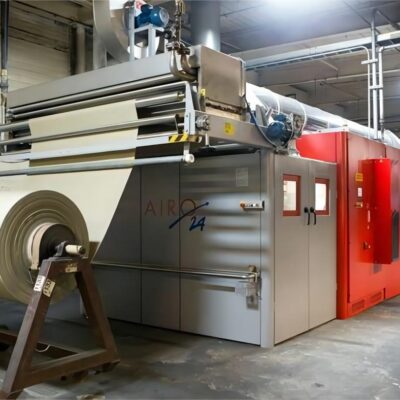
We make sure the fabric is well pre-washed to meet the standards before cutting.
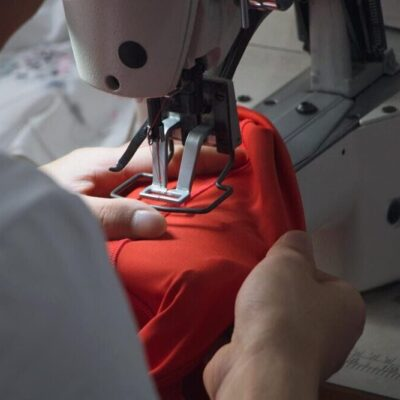
All our workers are well-trained and have many years of experience in the garment industry. They are all local workers with high stability.
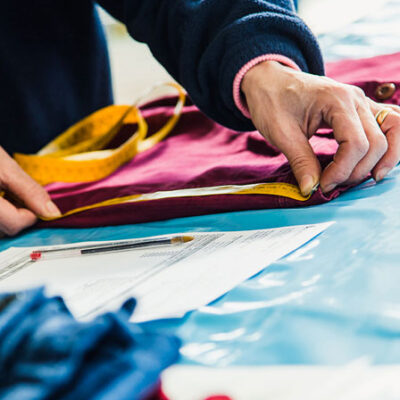
Our quality team will follow SOPs to conduct five times of quality checks before shipping.
Frequently Asked Questions
Q1: What is your Minimum Order Quantity (MOQ)?
We specialize in flexible production solutions to support emerging brands and growing businesses.
You can mix colors and sizes within the same style and fabric for greater flexibility.
For highly customised or technical garments (such as specialised denim washes or intricate embroidery), MOQ requirements may range from 200 to 300 units.
Our standard MOQ ranges from 100 to 300 units per design, depending on fabric availability and production complexity.
For best pricing efficiency, MOQ is typically based on 300 per style per colour.
Q2: What Services Do You Offer?
We provide full-cycle fashion support, including:
Sustainability Consulting: Eco-fabric sourcing, ethical production planning.
Sourcing: Local and global raw material, fabric R&D, and procurement (trims) with cost optimization.
Manufacturing: Custom manufacturing with quality control checkpoints.
Design & Development: Assistance with tech packs, trend research, and collection building.
Logistics: Shipping coordination to your warehouse or 3PL.
Q3: Can I Customize My Designs Fully?
We work with both OEM (your design, our production) and ODM (our templates customized for you) models. Customization options include:
Labels, hangtags, branded packaging
Fabric type and color
Fit and sizing
Printing (screen, DTG, sublimation, embroidery)
Accessories (zippers, buttons, cords)
Q4: What are your sustainability practices?
We’re committed to responsible manufacturing through:
Energy-efficient production technology
Waste reduction programs and ethical labor practices (BSCI certified)
GOTS-certified organic cotton and recycled material options
OEKO-TEX® certified dyes and processing
Q5: What Are Your Lead Times?
For in-stock items: ships worldwide within 3–7 days For custom orders: production lead time 15–30 days Urgent / Express Options: Available at a premium. Timing can vary depending on fabric development, approval cycles, and order complexity.
Q6: What is your production capacity?
Our facility employs 12,000 skilled employees, daily production capacity exceeds 100,000 pieces. We handle orders from 100 pieces to 50,000+ units across:
Technical apparel
Activewear and sportswear
Denim and casual wear
Children’s clothing
Q7: Where are your garments produced?
Our headquarters are based in China, where we operate our own vertically integrated factory. Our infrastructure and strategically placed worldwide manufacturing facilities allow us to offer extremely competitive pricing for fully custom clothing. offer flexible production options tailored to your needs. All manufacturing is supervised by our quality control team to ensure consistent standards
Conclusion
Phase-change materials (PCMs) are more than just a passing trend in textiles. They offer intelligent heat regulation, lightweight comfort, and eco-friendly benefits. From their use in NASA space suits to everyday consumer jackets, PCMs have proven their reliability. For apparel buyers, they present an opportunity for smarter, slimmer, and more sustainable products.
If you’re an apparel brand looking for innovative thermal solutions, Newasia Garment Co., Ltd. is here to help. We integrate PCMs into custom designs for kidswear, womenswear, and menswear, tailored to your specific market. Reach out to us to explore the future of thermal comfort in textiles.
Read more: Why Choose Phase-Change Materials in Textiles For Apparel?
- How to Research Fashion Trends for Your Brand in 2026
- Sustainable Fabric Innovations: The Future of Eco-Friendly Textiles
- Enhancing Antimicrobial Finishes Durability: Market Demand and Future Trends
- Why Choose Phase-Change Materials in Textiles For Apparel?
- Workwear Fabric Regulations: A Complete Compliance Guide for Global Brands