
If you’re asking where are Uniqlo clothes manufactured, you’re likely curious about the country of origin for Uniqlo’s affordable, high-quality basics. Uniqlo is a Japanese brand (owned by FAST RETAILING Co., Ltd.), but the vast majority of its clothing is not made in Japan. Instead, Uniqlo outsources production to partner factories in Asia — primarily China, Vietnam, Bangladesh, Indonesia, Cambodia, and India.
This model allows Uniqlo to keep prices low while maintaining consistent quality through strict supplier audits. However, many shoppers are surprised to learn that only a small portion (high-end or special items) is produced in Japan.
Newasia Garment Co.,Ltd. is also a manufacturer for Uniqlo, meaning we produce garments to the same rigorous quality and technical specifications that Uniqlo demands. We are also a proud partner of global brands such as American Eagle Outfitters, Uniqlo, Gap, Zara, Levi’s, and Lee — which means our production standards, ethical compliance, and delivery reliability meet the highest international requirements.
Overview: Uniqlo’s Manufacturing Model
Uniqlo, as part of Fast Retailing Group, operates on a highly diversified manufacturing model.
Instead of owning most factories, Uniqlo partners with qualified suppliers across regions. This allows the brand to optimize cost, control quality, and adapt to market trends.
Key principles of the Uniqlo model include:
- Long-term supplier partnerships
- Strict quality and compliance standards
- Integrated forecasting and production planning
- Geographic diversification to balance cost and speed
Where Does Uniqlo Manufacture Their Clothes?
Uniqlo’s global manufacturing strategy is a key factor behind its ability to offer high-quality, affordable clothing. But where exactly are Uniqlo’s clothes made, and how do they keep production costs so low?
Uniqlo works with a network of suppliers and manufacturers in countries like China, Vietnam, Bangladesh, Indonesia, and Japan. These strategically chosen locations help the brand maintain high production efficiency and low costs while ensuring consistent quality.
Uniqlo’s Global Manufacturing Network
Uniqlo operates a global manufacturing network to produce high-quality garments at affordable prices.
- China: The largest hub, benefiting from advanced textile technology and skilled labor, producing a wide range of products.
- Vietnam: A growing key player, offering lower labor costs and expertise in both standard and technical fabrics like Heattech.
- Bangladesh: Known for cost-effective labor, producing basic clothing and cotton wear at high volumes.
- Southeast Asia (Indonesia, Cambodia, Myanmar): These countries offer competitive labor costs and rapidly developing textile industries, optimizing Uniqlo’s supply chain.
- Japan: Central to innovation, especially for technologies like Airism and Heattech, and ensuring quality control for all products.
This diversified manufacturing strategy helps Uniqlo balance cost, quality, and innovation across its global operations.
Why Uniqlo Chooses Multiple Production Countries
Uniqlo’s diversified manufacturing strategy is driven by:
🏷 Cost Optimization
Different regions provide varying cost structures, allowing Uniqlo to spread production intelligently.
🧵 Production Specialization
Some countries specialize in knitwear, others in denim or technical outerwear.
🚚 Logistics Efficiency
Regional supply reduces lead times and replenishment delays.
🛡 Risk Mitigation
Distributing production reduces the impact of disruptions like pandemics, port congestions, or political uncertainties.
This flexibility is a key reason Uniqlo remains competitive globally.
How Does Uniqlo Keep Costs Low in Manufacturing?
Uniqlo focuses on long-term supplier relationships instead of frequently switching manufacturers to chase cheaper prices. This approach helps to stabilize material costs, reduce fluctuations in production expenses, and ensure high-quality standards. Their efficient supply chain and bulk production system also allow them to cut down on per-unit production costs.
Does Uniqlo Own Its Factories?
No, Uniqlo does not own any factories. Instead, the company works closely with third-party manufacturers, which helps them keep overhead costs low and maintain flexibility in selecting suppliers. This approach allows Uniqlo to focus on product innovation and quality control while keeping their production costs down.
How Does Uniqlo’s Supplier Strategy Differ From Other Brands?
Unlike many fashion brands that shift suppliers based on the lowest price, Uniqlo builds stable, long-term relationships with a select group of manufacturers. Their “Takumi” system—Japanese textile experts who oversee overseas production—ensures that suppliers not only meet quality standards but also improve production efficiency over time.
This stability contrasts with brands that negotiate prices seasonally, which leads to unpredictable costs and varying quality. Uniqlo’s approach helps maintain consistent pricing and better quality control across all its products.
Why Does Uniqlo’s Manufacturing Strategy Matter?
By carefully selecting and partnering with manufacturers in key countries, Uniqlo can maintain affordable pricing without compromising on quality. This global network, combined with their focus on innovation and efficient production, makes Uniqlo one of the best examples of a brand that balances cost, quality, and sustainability.
How Uniqlo Ensures Quality Control Across Manufacturing Locations
Uniqlo maintains high quality and consistency across its global manufacturing network through several key strategies:
- Stringent Supplier Requirements: Uniqlo carefully selects suppliers based on strict criteria, including production capacity, labor conditions, and environmental impact. Factories undergo regular audits to ensure quality at every stage.
- Technological Innovation: Uniqlo invests in advanced machinery and techniques to ensure precision in production. Their proprietary fabrics, such as Heattech and Airism, are developed using in-house technologies.
- Ethical and Environmental Practices: Uniqlo focuses on sustainability through initiatives like “Join Life,” which promotes eco-friendly materials and processes. The brand also adheres to the Ethical Trading Initiative (ETI) to ensure fair treatment of workers and improve supply chain conditions.
These practices help Uniqlo maintain high-quality standards while promoting sustainability and ethical production.
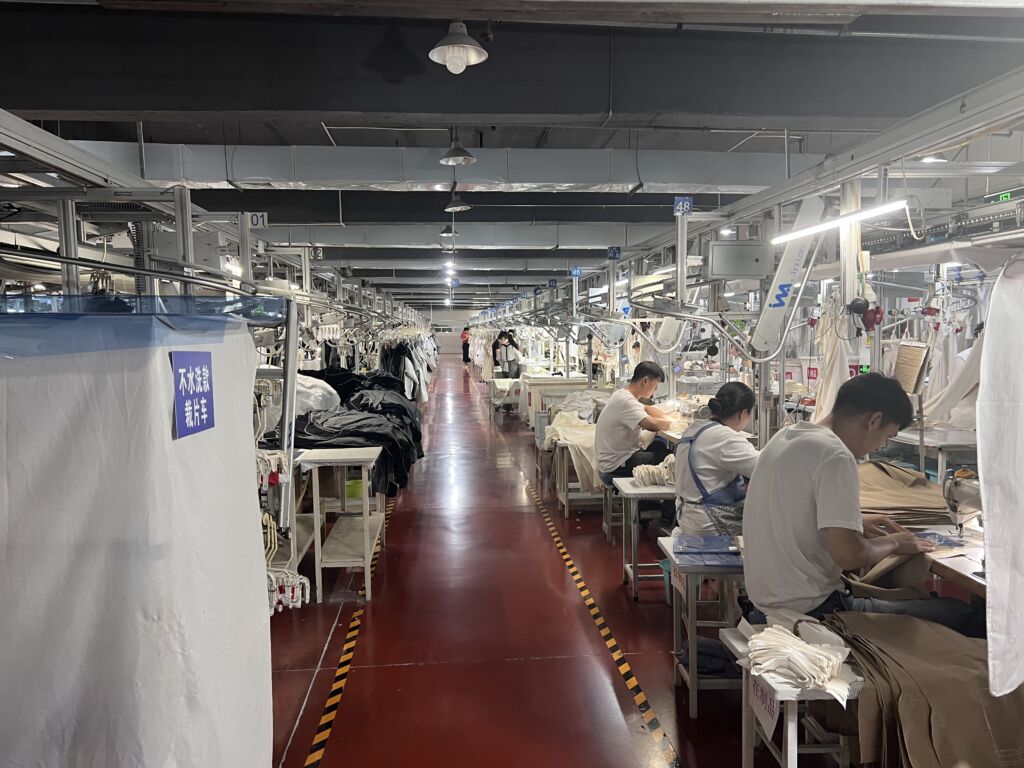
Advanced Manufacturing Capabilities
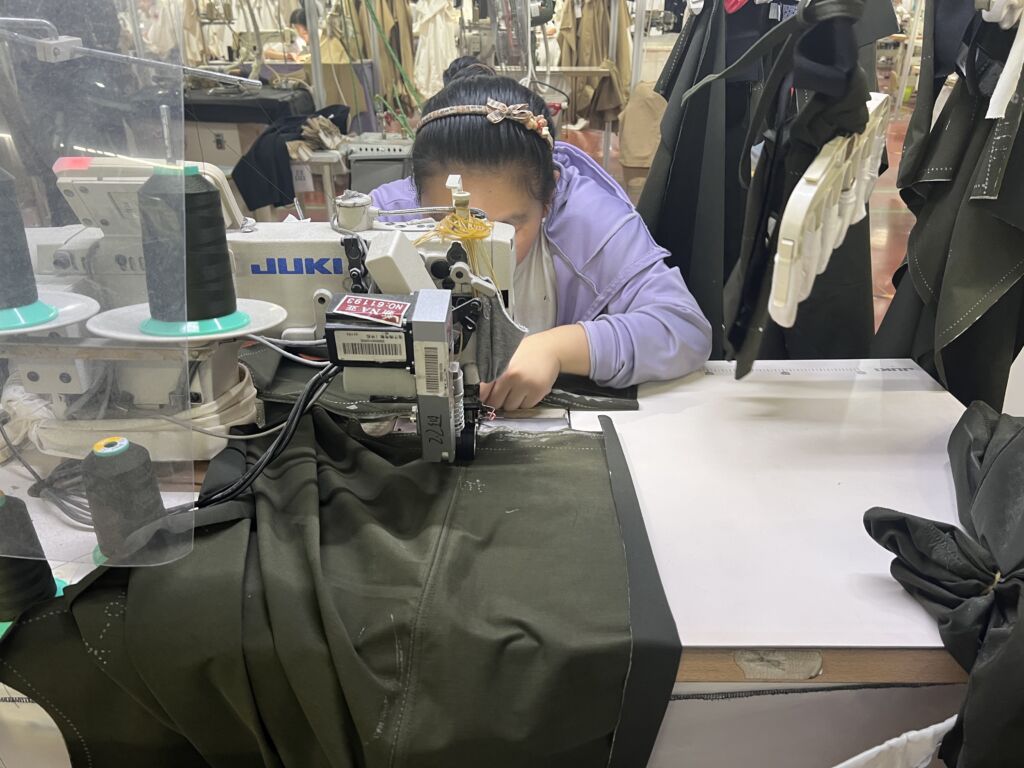
State-of-the-art production facilities equipped with cutting-edge technology and skilled workforce delivering superior quality leggings at scale.
Production Excellence

140 fully automated production lines with advanced cutting and sewing technology for consistent quality.

In-house testing facility ensuring fabric durability, color fastness, and performance standards.

Eco-friendly manufacturing processes with recycled materials and water conservation systems.
| 100,000+ Daily Capacity |
| 140+ Production Lines |
| 99.5% Quality Pass Rate |
| 12,000+ Skilled Workers |
Certified Professional Clothing Producer
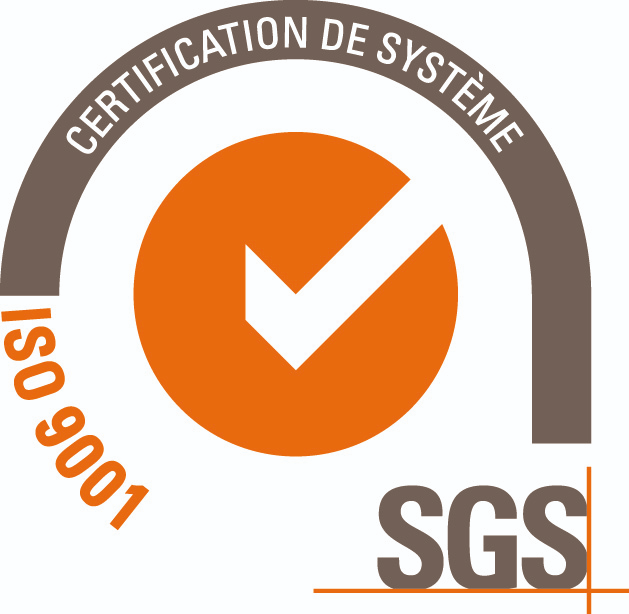
We are very proud of these certificates! They represent Newasia Garment Co.,Ltd. ’s amazing achievements and accreditations. They show how much we care about quality, safety, and professionalism.
We’re proud to say that we have obtained BSCI and ISO 90001 certificates, and inspection certificates for filling materials such as down and cotton. We follow international standards throughout our production process and take responsibility for the quality of our products.
As one of China’s leading clothing manufacturers, we are pleased to be recognized by respected organizations. These certifications underscore our reliability as a trusted supplier to the global apparel industry.
Trusted Certificates:
Why Choose Us
 Independent base We have our own laboratory and can independently develop fabrics , China  Professional certification Certification: ISO 9001, ISO 14001,BSCI,GRS |  Full-equipped Full-equipped, from fiber manufacturing, yarn spinning, weaving, dyeing and processing to finished product production  Rich experience Professional, large and experienced design team, combined with the latest artificial intelligence technology |  Our Facilities 12,000 skilled employees, daily production capacity exceeds 100,000 pieces  Fashion exhibition Participated in domestic and foreign fashion weeks and exhibitions many times |
Trusted by Global Clients
Frequently Asked Questions
Q1: What is your Minimum Order Quantity (MOQ)?
We specialize in flexible production solutions to support emerging brands and growing businesses.
- For highly customised or technical garments (such as specialised denim washes or intricate embroidery), MOQ requirements may range from 200 to 300 units.
- Our standard MOQ ranges from 100 to 300 units per design, depending on fabric availability and production complexity.
- For best pricing efficiency, MOQ is typically based on 300 per style per colour.
- You can mix colors and sizes within the same style and fabric for greater flexibility.
Q2: What Services Do You Offer?
We provide full-cycle fashion support, including:
- Sourcing: Local and global raw material, fabric R&D, and procurement (trims) with cost optimization.
- Manufacturing: Custom manufacturing with quality control checkpoints.
- Design & Development: Assistance with tech packs, trend research, and collection building.
- Logistics: Shipping coordination to your warehouse or 3PL.
- Sustainability Consulting: Eco-fabric sourcing, ethical production planning.
Q3: Can I Customize My Designs Fully?
We work with both OEM (your design, our production) and ODM (our templates customized for you) models. Customization options include:
- Fabric type and color
- Fit and sizing
- Printing (screen, DTG, sublimation, embroidery)
- Accessories (zippers, buttons, cords)
- Labels, hangtags, branded packaging
Q4: What are your sustainability practices?
We’re committed to responsible manufacturing through:
- Waste reduction programs and ethical labor practices (BSCI certified)
- GOTS-certified organic cotton and recycled material options
- OEKO-TEX® certified dyes and processing
- Energy-efficient production technology
Q5: What Are Your Lead Times?
For in-stock items: ships worldwide within 3–7 days For custom orders: production lead time 15–30 days Urgent / Express Options: Available at a premium. Timing can vary depending on fabric development, approval cycles, and order complexity.
Q6: What is your production capacity?
Our facility employs 12,000 skilled employees, daily production capacity exceeds 100,000 pieces. We handle orders from 100 pieces to 50,000+ units across:
- Activewear and sportswear
- Denim and casual wear
- Children’s clothing
- Technical apparel
Q7: Where are your garments produced?
Our headquarters are based in China, where we operate our own vertically integrated factory. Our infrastructure and strategically placed worldwide manufacturing facilities allow us to offer extremely competitive pricing for fully custom clothing. offer flexible production options tailored to your needs. All manufacturing is supervised by our quality control team to ensure consistent standards.
Conclusion
Uniqlo’s ability to produce high-quality, affordable clothing is made possible through its diverse and global manufacturing network. From China to Vietnam to Bangladesh, Uniqlo taps into the strengths of various regions to create a product line that meets its standards of quality, sustainability, and innovation.
Brands that want to achieve similar standards — in quality, compliance, and supply chain resilience — should partner with experienced manufacturers.
Newasia Garment Co., Ltd. offers the expertise, infrastructure, and global experience to help you scale your production with confidence.
👉 Contact our team now for sample requests, production estimates, and strategy consultation.
Read more: Where Does Uniqlo Manufacture Their Clothes