

Levi’s is one of the world’s most iconic denim brands, long celebrated for its “Made in the USA” heritage. Today, however, most Levi’s jeans are produced overseas, though the brand still offers limited “Made in USA” collections. This shift reflects broader industry trends driven by globalization, labor costs, and efficiency demands.
Levi’s now relies on a global supply chain spanning Asia, Latin America, and other regions. Yet, U.S.-based clothing manufacturers remain vital for premium, ethical, and fast-turnaround apparel lines. The story of Levi’s illustrates the choices facing clothing brands today: balancing cost, quality, and brand identity while navigating the trade-offs between domestic and overseas production.
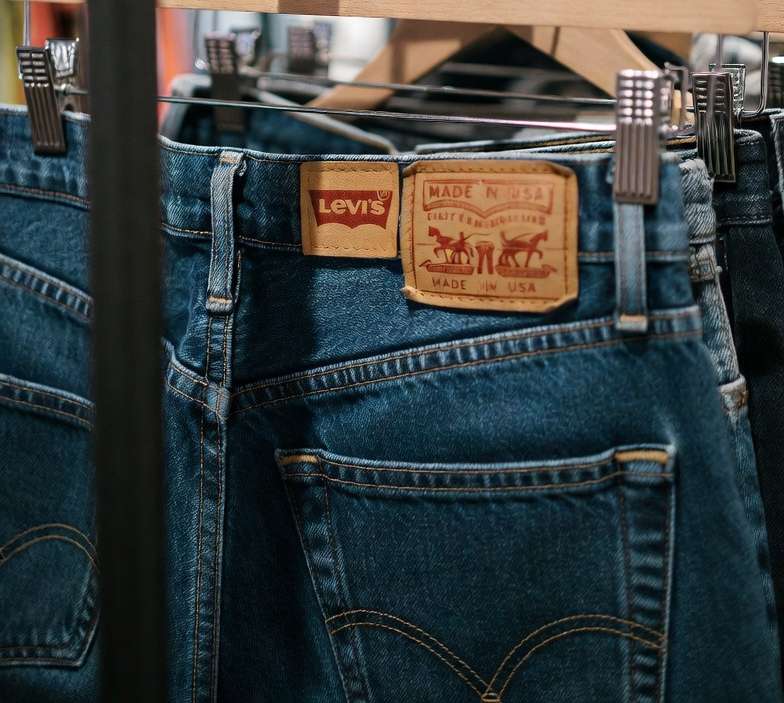
Where Are Levi’s Jeans Manufactured Today?
Levi’s operates one of the most globalized denim supply chains in the apparel industry. The company works with over 25 approved manufacturing countries, though production is not evenly distributed. Different regions specialize in different types of products—some focus on high-volume mass-market jeans, while others handle premium collections or limited-edition lines.
The following overview provides a clearer picture of Levi’s global manufacturing network.
Quick Overview: Levi’s Main Manufacturing Countries
| Region | Main Countries | Key Strengths | Typical Levi’s Products |
|---|---|---|---|
| Asia | China, Vietnam, Bangladesh, India | Large production capacity, lower labor costs, strong denim ecosystem | Mass-market jeans, classic fits, women’s jeans |
| North America | Mexico | Fast delivery to the U.S., consistent mid-to-high quality production | Mid-range and premium jeans for the North American market |
| South America | Colombia, Brazil (small volume) | Regional supply, flexible and niche capacity | Special orders or limited runs |
| Europe | Turkey, Italy | Advanced denim finishing, premium craftsmanship | Premium collections, specialty washes, designer collaborations |
Key Takeaways
- Asia handles the bulk of Levi’s high-volume production, offering cost efficiency and a strong textile infrastructure.
- Mexico supports the North American market, providing fast delivery and mid-to-high quality jeans.
- Europe, particularly Turkey and Italy, focuses on premium finishes and specialty collections.
- South America provides regional flexibility for small runs and niche products.
This diversified supply chain allows Levi’s to balance cost, quality, speed, and product variety across its global markets.
The History of Levi’s Manufacturing in America
For much of the 20th century, Levi’s jeans were a symbol of American manufacturing.
Factories across the United States produced millions of pairs of jeans for workers, miners, and later fashion consumers.
However, during the late 1990s and early 2000s, rising labor costs and global competition forced the company to close many domestic factories and shift production overseas.
This shift was part of a larger trend affecting the global apparel industry.
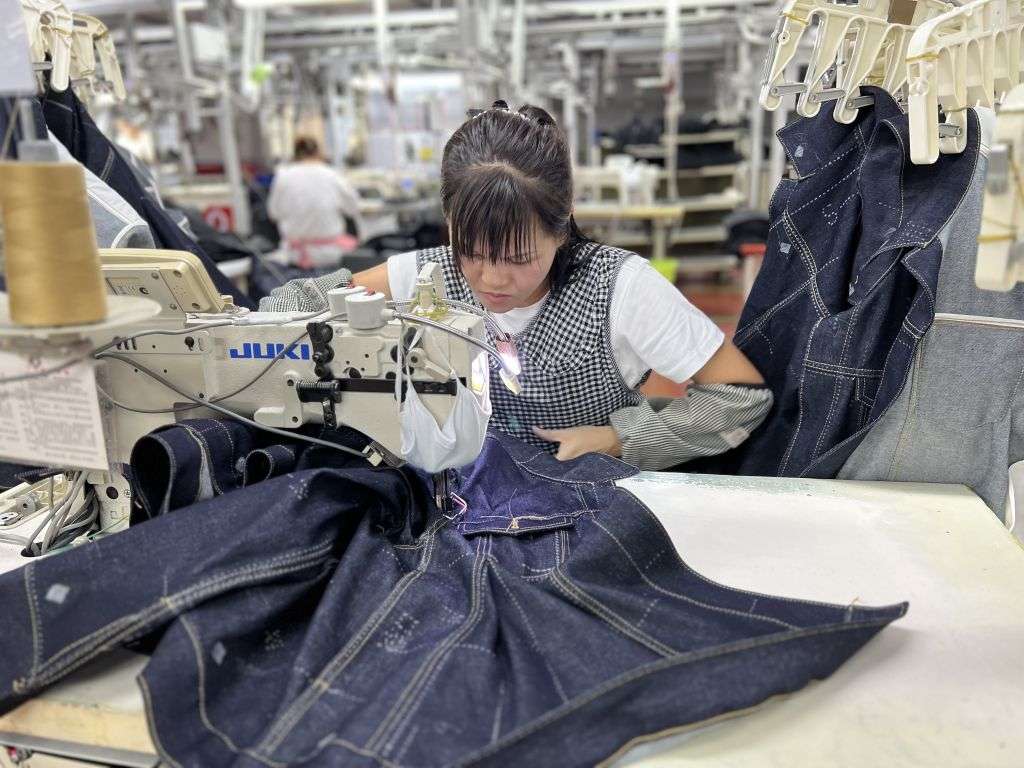
Does Levi’s Still Produce Jeans in the USA?
For most of its history, Levi’s jeans were cut, sewn, and finished in American factories. By the early 2000s, however, large-scale production had largely moved overseas. Today, the vast majority of Levi’s jeans are manufactured outside the U.S.
There are exceptions: Levi’s occasionally releases limited-edition “Made in USA” jeans, usually within its premium or vintage collections. These remain a small fraction of total production, appealing mainly to collectors and enthusiasts.
Current Locations Where Levi’s Are Made in the USA
Although most Levi’s jeans are produced internationally, some premium collections are still made domestically.
Los Angeles, California
Los Angeles has become the primary hub for American-made Levi’s jeans.
Many garments are produced in specialized factories that focus on:
- Small-batch production
- High-end denim finishing
- Vintage-inspired craftsmanship
These jeans often appear in Levi’s premium collections such as:
- Levi’s Vintage Clothing
- Limited “Made in USA” releases
Why Did Levi’s Shift Production Overseas?
The move to offshore manufacturing wasn’t unique to Levi’s—most major U.S. apparel brands made similar decisions in the late 20th and early 21st centuries.
This strategic shift reflects broader industry trends driven by globalization, cost pressures, and the need for operational efficiency.
How Globalization and Cost Reduction Influenced Levi’s Manufacturing Strategy
Globalization opened the door to new sourcing and manufacturing options at significantly lower costs. Facing intense competition from fast fashion retailers and global value brands, Levi’s shifted production overseas to maintain competitive pricing and profit margins.
Key advantages of this move include:
- Lower manufacturing costs for large-scale production
- Access to specialized garment factories with denim expertise
- Flexibility to respond quickly to changing trends and high-volume orders
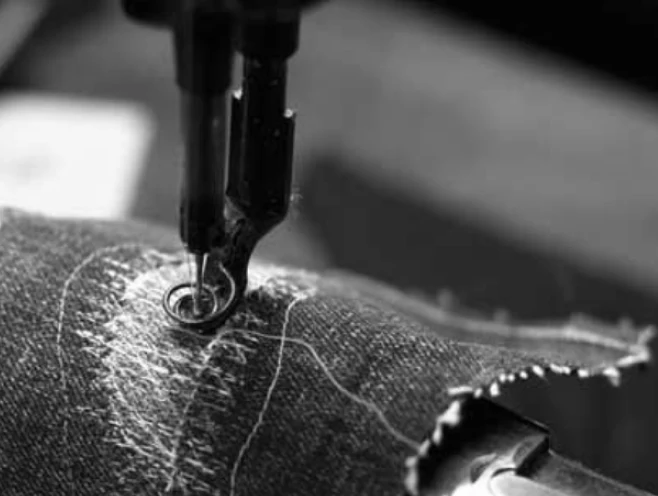
The Role of Labor Costs and Supply Chain Efficiency
Labor costs in countries like Bangladesh, Vietnam, and Mexico are substantially lower than in the U.S., which is critical for mass-market products like jeans, where every dollar of cost matters.
Additionally, many overseas factories are part of integrated supply chains—covering spinning, weaving, dyeing, finishing, and garment assembly—which allows Levi’s to:
- Scale production quickly for large orders
- Maintain consistent product quality
- Reduce lead times and logistics complexity
These factors combined help Levi’s balance cost, speed, and quality in an increasingly competitive global apparel market.
How to Identify Levi’s Made in USA
If you want to buy authentic American-made Levi’s jeans, there are a few key details to check.
1. The Care Label
Look for a label that clearly states:
“Made in USA”
This indicates the jeans were manufactured domestically.
2. Premium Product Lines
American-made Levi’s are often part of special collections such as:
- Levi’s Vintage Clothing
- Limited edition “Made in USA” capsules
These collections typically focus on heritage designs like the famous Levi’s 501 Original Jeans.
3. Higher Price
Because of higher production costs in the United States, American-made Levi’s usually cost significantly more than standard models.
Why American-Made Levi’s Are Popular
Many denim enthusiasts prefer jeans made in the United States for several reasons:
Heritage and Authenticity
Levi’s is one of the most iconic American clothing brands, deeply connected to U.S. history and culture.
Craftsmanship
Smaller production runs allow factories to focus on:
- Higher-quality stitching
- Traditional denim techniques
- Vintage-inspired finishing
Ethical Manufacturing
Some buyers prefer U.S.-made clothing because of stricter labor and environmental standards.
Does Levi’s Offer Any “Made in USA” Collections?
Yes—but they are the exception rather than the norm. While most Levi’s jeans are produced through a global supply chain, the brand occasionally releases limited “Made in USA” collections that emphasize craftsmanship, heritage, and premium materials.
What Is the Levi’s Made & Crafted Line?
One of the brand’s premium collections is Levi’s Made & Crafted. This line focuses on elevated design, high-quality fabrics, and refined construction techniques.
Some pieces in the collection are cut and sewn in the United States, highlighting traditional denim craftsmanship and limited production runs.
In addition, American-made items sometimes appear in Levi’s Vintage Clothing—often referred to as LVC. This heritage line recreates classic designs from Levi’s archives, including historically inspired versions of iconic styles like the Levi’s 501.
How Vintage and Premium Lines Support U.S. Production
Vintage, reissue, and special-edition collections are where Levi’s most often invests in American manufacturing. These products typically:
- Feature heritage-inspired designs and historical details
- Use premium denim fabrics and traditional construction methods
- Appeal to denim enthusiasts and collectors
- Carry higher price points than standard Levi’s jeans
Although these collections celebrate American denim heritage, they represent only a small portion of Levi’s total production, with the majority of jeans still manufactured through the brand’s global supply network.
How Do You Choose Between Domestic and Overseas Clothing Production?
The right choice depends on your brand’s priorities and business model.
- Overseas manufacturing is often the standard for brands that need lower costs and large production volumes, especially if a “Made in USA” label is not essential.
- Domestic (U.S.) manufacturing may be worth the higher cost for brands that prioritize rapid prototyping, small production runs, strict labor standards, or a strong domestic brand story.
- Many modern brands use a hybrid strategy, producing special collections, launches, or marketing-driven products in the U.S., while manufacturing high-volume core items overseas.
Key Considerations When Sourcing in the U.S. vs. Overseas
| Decision Factor | Domestic (USA) | Overseas |
|---|---|---|
| Brand Positioning | Premium, ethical, locally made | Mass market, global reach |
| Order Size | Small to medium | Medium to large |
| Customization | High flexibility | Moderate |
| Shipping Time | Days | Weeks to months |
| Price Point | Higher | Low to medium |
Where Are Levi’s Made in the USA?
Understanding where Levi’s jeans are produced in the United States offers insight into the brand’s heritage and its commitment to premium craftsmanship.
Today, Levi’s “Made in USA” jeans are produced in partnership with select domestic manufacturers, primarily through the premium Levi’s collections. These limited runs are typically manufactured at facilities such as the White Oak Cone Denim mill in North Carolina (historically) and specialized sewing factories in the United States that focus on high-quality denim production.
Levi’s Manufacturing in the United States
Premium Production:
Levi’s “Made in USA” collections are usually part of its premium lines, including heritage-inspired products that emphasize traditional craftsmanship.
Historic Fabric Source:
For many years, Levi’s used denim from the renowned Cone Mills White Oak plant in North Carolina, a historic American denim mill known for its shuttle-loom selvedge denim.
Limited Production Runs:
Unlike global mass production, American-made Levi’s are typically released in small batches or special editions, highlighting authenticity and heritage.
Quality and Craftsmanship:
These products often feature classic construction techniques, higher-end materials, and meticulous finishing that reflect Levi’s original manufacturing traditions.
Domestic production allows Levi’s to preserve a part of its American legacy while maintaining a largely global supply chain.
Which Levi’s Are Actually Made in the USA?
Although the majority of jeans are produced overseas, Levi’s has limited collections and special releases that are manufactured in the United States.
🇺🇸 Examples of USA-made products:
- Premium heritage lines — such as Levi’s® Made in USA 501® jeans
- Vintage or special edition selvedge denim products
- Flagship store exclusives and limited collector releases
Some of these products use American-sourced denim and are sewn in U.S. facilities, but they represent a very small fraction of the overall range and are often sold at a higher price point.
🧵 Note: Levi’s clothing tagged as “Made in USA” may still use imported components under FTC rules — this means the garment could be assembled in the U.S. but use fabric or trims made abroad.
Why Most Levi’s Jeans Are Made Overseas
Levi’s was once a fully American-made brand. The first denim jeans were invented and manufactured in San Francisco in 1873.
However, by the early 2000s, the company gradually shifted its manufacturing overseas. In 2003, Levi’s closed its last large U.S. factory, ending a 150-year history of domestic mass production.
Key reasons for this shift:
💰 Lower production costs
Manufacturing in countries like Mexico, China, and Vietnam significantly reduces labor and operational costs.
🌐 Supply chain efficiency
Overseas factories closer to textile mills and global shipping networks help Levi’s meet worldwide demand.
🛠 Scale and specialization
International partners often offer advanced machinery and specialized denim expertise.
Despite this shift, Levi’s still maintains quality and ethical standards across its supply chain, with codes of conduct for labor and environmental practices.
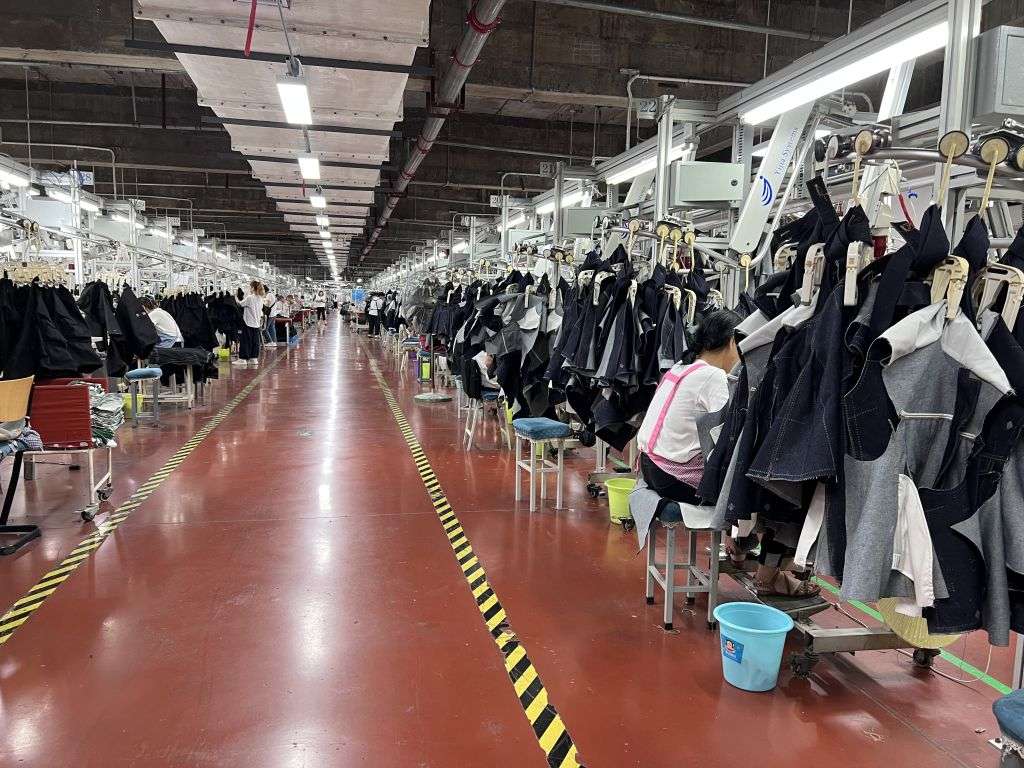
How to Tell If a Pair of Levi’s Jeans Is Made in the USA
If you want to verify whether your Levi’s jeans were manufactured in the United States, here are the steps you should follow:
✅ Check the Inside Label
The inside care label will typically state “Made in USA” if the garment was assembled domestically.
If it lists another country (e.g., China, Vietnam, Mexico), it was manufactured overseas.
🏷 Examine the Product Tags
Sometimes the product tag will include origins or production codes. Retail tags or online listings may also indicate country of manufacture.
📌 Be Careful with Vintage Pieces
Older Levi’s jeans from before the early 2000s — especially vintage 501® or 505® — are more likely to have genuine U.S.-made status because domestic production persisted until that time.
Why Choose Us
 Independent base We have our own laboratory and can independently develop fabrics , China  Professional certification Certification: ISO 9001, ISO 14001,BSCI,GRS |
 Full-equipped Full-equipped, from fiber manufacturing, yarn spinning, weaving, dyeing and processing to finished product production  Rich experience Professional, large and experienced design team, combined with the latest artificial intelligence technology |
 Our Facilities 12,000 skilled employees, daily production capacity exceeds 100,000 pieces  Fashion exhibition Participated in domestic and foreign fashion weeks and exhibitions many times |
Trusted by Global Clients














FAQ — Your Top Questions Answered
Q1. Are any Levi’s jeans still made in the U.S.?
Yes, but only a small selection and typically premium or heritage collections.
Q2. Why did Levi’s stop most U.S. manufacturing?
The company shifted production overseas in the early 2000s to reduce costs and increase global supply chain efficiency.
Q3. Are Levi’s made overseas lower quality?
No — all Levi’s products meeting company standards undergo strict quality control.
Q4. Can Levi’s made in the U.S. have foreign materials?
Yes — according to FTC rules, a garment can still be labeled “Made in USA” if final assembly occurred in the U.S., even with imported components.
Q5. How rare are U.S.-made Levi’s?
Very rare — they are not mass-produced and often sell at premium prices.
Sourcing Jeans from China
Levi’s works with factories all over the world, demonstrating how critical it is to choose the right manufacturing partners.
If you’re planning to launch your own denim brand or looking for a dependable jeans manufacturer, learning from this global sourcing approach can be a valuable starting point.
Whether you need private-label jeans, bulk production, or customized denim styles, Newasia Garment Co., Ltd. provides professional manufacturing solutions backed by years of industry experience. From material sourcing to production management, the company focuses on quality control, efficient communication, and reliable delivery.
Partnering with the right factory can make all the difference. Contact Newasia Garment Co., Ltd. today for a quote and start building your denim line with confidence.
Final Thoughts
The truth is that while Levi’s is rooted in American history and heritage, the vast majority of its jeans are manufactured outside the United States. Only select products carry the “Made in USA” label today, often tied to premium lines or limited editions.
Knowing the difference between marketing and manufacturing reality helps you make informed buying decisions — whether you prefer American-made products or are simply curious about the origins of one of the most iconic denim brands in the world. If you’re looking for flexible, high-quality denim manufacturing, Newasia Garment Co.,Ltd. offers tailored solutions to fit your brand’s needs. Contact us today to start your custom order and elevate your denim production!
Read more: Where Are Levi’s Made in USA
- Custom T-Shirt Manufacturers China: Private Label Service for Your Brand
- Custom T-Shirt OEM China: Sample + Bulk One-Stop Service
- Best T-Shirt Manufacturers: India vs China (Global Compliance Guide 2026)
- T Shirt Manufacturing in Portugal vs China: Which is More Cost-Effective?
- Bangladesh vs China T-Shirt Manufacturers: Which Has Better Capacity for Large Orders?