

Introduction
Pepe Jeans is one of the most recognizable names in denim history—a brand that defined European youth culture for decades. Founded in the 1970s on London’s iconic Portobello Road, Pepe Jeans became a symbol of individuality, creativity, and premium denim design. Wondering when were Pepe Jeans popular? Pepe Jeans London exploded from a 1973 Portobello stall to a global denim dynasty, peaking in the late 1980s and early 1990s amid acid-wash mania and grunge. Today, with €300M+ annual sales and a 2023 50th anniversary glow-up, its slim-fits and distressed vibes fuel Y2K revivals.
For brands channeling that era’s cool, Newasia Garment Co., Ltd. crafts OEM replicas—trusted by American Eagle Outfitters, Uniqlo, Gap, Levi’s, and Lee.Let’s take a deep dive into the timeline of Pepe Jeans—its rise, peak, and ongoing influence in the denim world—and what it teaches us about the global manufacturing industry today.
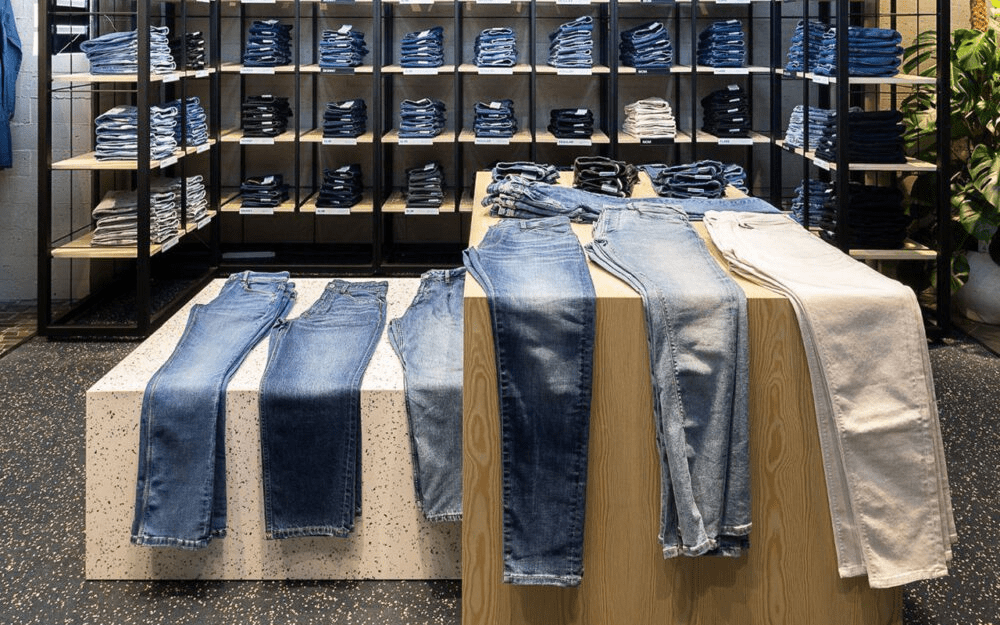
The Rise of Pepe Jeans: From Street Stall to Global Phenomenon
The Origins of Pepe Jeans (1973–1979)
Pepe Jeans was born in 1973, when three brothers—Nitin, Arun, and Milan Shah—started customizing and selling denim jeans on a small market stall in London’s Notting Hill.
Their unique approach stood out: instead of mass-produced basics, they offered high-quality denim with a fashionable, youthful twist. Pepe Jeans was among the first European brands to treat denim as a fashion statement, not just workwear.
Pepe started as hand-embellished flares sold at markets. By capitalizing on denim’s 1970s rebellion—think punk and disco— it hit UK shelves in 1976. But when were Pepe Jeans popular at their zenith? The 1980s-1990s surge, fueled by MTV, celebrity ties (e.g., George Michael), and expansions to Barcelona (1989 HQ).
Key to enduring fame: Innovative fits (e.g., Original Slim) and marketing—Kate Moss campaigns in the 90s sealed its premium status. Post-2000s, AWWG acquisition (2019) globalized it, with India as its largest market by 2025. Pepe’s story isn’t just history—it’s a blueprint for timeless denim.
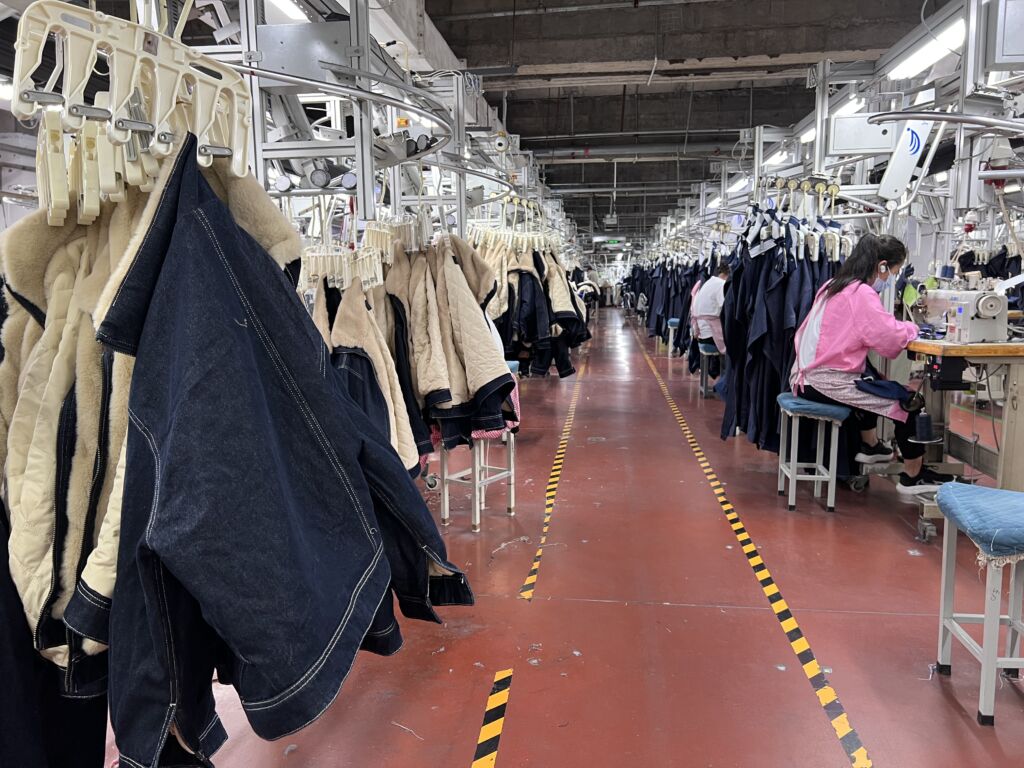
The Peak of Popularity (1980s–1990s)
The 1980s and 1990s marked the golden era of Pepe Jeans. During these decades, the brand became synonymous with London’s edgy street culture and gained international attention through bold marketing campaigns.
Key Highlights:
- 1981–1985: Pepe Jeans expanded across Europe, especially in France and Spain, becoming one of the fastest-growing denim brands on the continent.
- Mid-1980s: Celebrity endorsements and high-profile ads (featuring models like Kate Moss and Alexa Chung) positioned the brand as a trendsetter.
- 1990s: The rise of casualwear and the global denim boom helped Pepe Jeans dominate youth markets in both Europe and Asia.
Pepe Jeans represented the perfect mix of rebellion and premium craftsmanship—appealing to teenagers and young adults seeking an alternative to Levi’s or Wrangler.
Deep Dive: The 80s/90s Peak – What Made Pepe Jeans Unstoppable?
When were Pepe Jeans popular most explosively? Late 80s/early 90s, when denim symbolized rebellion. Factors:
- Cultural Tie-Ins: Worn by Spice Girls, Oasis; ads captured urban grit.
- Innovation: First to mass-produce stretch denim; quality over quantity.
- Market Savvy: UK sales peaked at 20% share; US imports via 1984 campaigns.
- Nostalgia Factor: 90s mids saw premium pricing reflect status—vintage pairs now fetch $200+ on eBay.
Celebrity Endorsements & Global Expansion
Pepe Jeans was among the first European fashion brands to use celebrity storytelling to sell denim. The label worked with famous faces including:
- Kate Moss
- Cristiano Ronaldo
- Ashton Kutcher
- Dua Lipa (in more recent campaigns)
These collaborations elevated Pepe Jeans into a lifestyle brand rather than just a denim company.
By the early 2000s, Pepe Jeans had a global presence—especially strong in Europe, India, and Latin America—with hundreds of retail stores and partnerships in more than 60 countries.
The Manufacturing Side of Pepe Jeans
While Pepe Jeans was designed in London, most of its production moved overseas as the brand scaled up.
Pepe Jeans employs a globalized manufacturing strategy typical of contemporary fashion brands, producing its garments across multiple international locations to balance cost, quality, and efficiency.
Primary Manufacturing Regions
1. Asia – The Production Powerhouse
- China: Serves as a key manufacturing base for large-volume orders, particularly for styles requiring advanced washing techniques and intricate processing.
- India: A significant production hub with strong textile and denim expertise, offering competitive pricing and full-package solutions.
- Bangladesh & Pakistan: Utilized for cost-effective production of core denim styles and large-quantity orders, leveraging established garment industries.
2. Europe – Quality and Speed
- Turkey & Italy: Trusted for premium and mid-to-high-end collections, especially those featuring Turkish or Italian denim fabrics. These regions offer shorter lead times for European markets and excel in craftsmanship.
- Spain & Morocco: Occasionally used for specific lines requiring fast turnaround to serve European retail demand.
Production Model
Pepe Jeans primarily relies on outsourced manufacturing through audited partner factories worldwide. For certain product categories like accessories, it may engage in licensed production agreements.
Key Takeaway
There is no single “country of origin” for Pepe Jeans. The brand strategically diversifies its production across China, India, Bangladesh, Turkey, and Italy, among others. This approach enables Pepe Jeans to:
- Optimize costs through Asian manufacturing
- Maintain quality and design sophistication via European production
- Enhance supply chain resilience and flexibility
To confirm the origin of a specific product, always refer to the care label, which will state the country of production (e.g., “Made in China,” “Made in Turkey”).supply chain also extended into Bangladesh, Turkey, and india, reflecting the global nature of modern fashion manufacturing.
The Challenges in the 2000s
As fast fashion giants like H&M and Zara rose to dominance, Pepe Jeans struggled to maintain its premium image. The brand faced:
- Heavy competition from cheaper labels
- A shift toward minimalist styles
- Reduced differentiation in denim design
In response, Pepe Jeans repositioned itself as a mid-luxury casualwear brand, focusing more on design innovation, sustainability, and ethical production—a shift aligned with global consumer trends.
Pepe Jeans in the Modern Market (2010s–Today)
Today, Pepe Jeans remains a respected European fashion house, though no longer at its 1990s peak. The brand has focused on:
- Eco-friendly denim production using less water and sustainable dyes
- Digital marketing and e-commerce expansion
- Collaborations with celebrities and influencers
While Pepe Jeans is no longer the trend leader it once was, it continues to embody craftsmanship, heritage, and creative spirit—values that still inspire both brands and OEM denim manufacturers worldwide.
Comparing the Past and Present: Then vs. Now
| Era | Key Characteristics | Manufacturing Approach | Market Focus |
|---|---|---|---|
| 1980s–1990s | Trend-driven, rebellious, youth-oriented | Mainly European-based, manual craft focus | Europe & UK |
| 2000s | Global expansion, mass production | Shift to India and Asia | Worldwide |
| 2020s | Sustainability, brand authenticity, comfort | Hybrid OEM + ODM partnerships in Asia | Global digital market |
This evolution shows a clear pattern: as brands scale globally, OEM and ODM partnerships become essential to balancing cost, quality, and creativity.
Why China Remains a Global Leader in Denim & OEM Production
In the world of denim manufacturing, China remains the global powerhouse—offering the perfect blend of quality, capacity, and flexibility.
Manufacturers like Newasia Garment Co., Ltd., with 39 years of industry experience, exemplify why brands—from independent labels to global players—trust Chinese factories for OEM and ODM apparel.
China’s Key Advantages:
- Advanced Technology: Automated cutting, laser washing, and eco-friendly dye systems ensure precision and consistency.
- High Quality Control: Experienced technicians and strict inspection standards.
- Cost Efficiency: Competitive pricing with scalable production lines.
- Service Excellence: Transparent communication, sample customization, and end-to-end logistics support.
Whether you’re a startup streetwear brand or a global denim label, partnering with an experienced manufacturer like Newasia Garment Co., Ltd. gives you access to both craftsmanship and industrial efficiency.
Why Choose Us?

Loyal Customer base of many clothing brands World Wide

We have served over 200 customers.

12,000 skilled employees and 140 production lines.Dedicated Design

Low Minimum Order Quantities 100PCS each Size is acceptable.

Factory pricing directly for made to order stuff, no middle man.

With latest communication tool: Whatsapp.

Our total daily production capacity exceeds 100,000 pieces

Timely factory news could be referred to customer.
How Do We Guarantee the Quality
Our quality assurance begins with designing and planning, then continues through every step of the production and post-production inspections. Delivery is not an ending. We still offer money-back guarantee for quality issues.
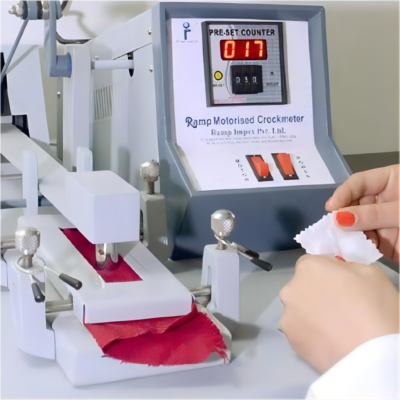
When sourcing fabrics, we will check all related fabric certificates from our suppliers.
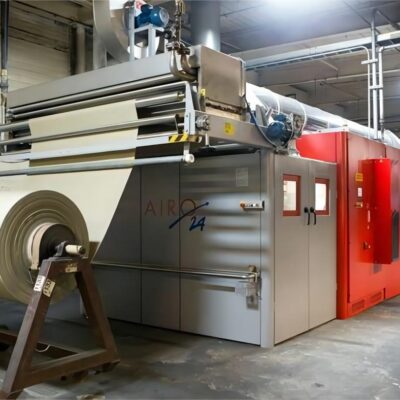
We make sure the fabric is well pre-washed to meet the standards before cutting.
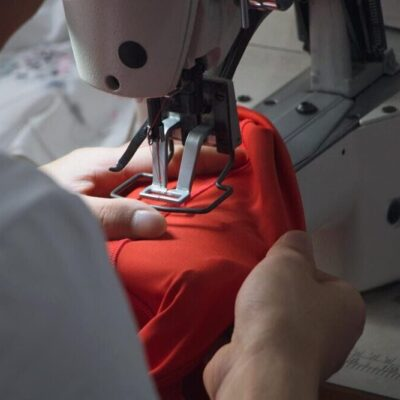
All our workers are well-trained and have many years of experience in the garment industry. They are all local workers with high stability.
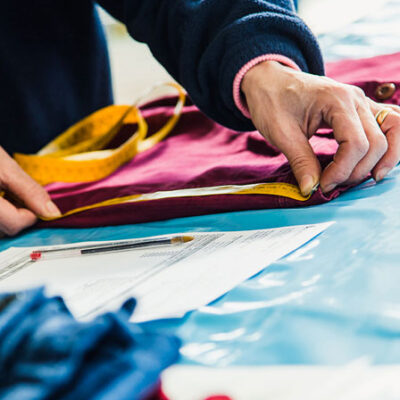
Our quality team will follow SOPs to conduct five times of quality checks before shipping.
Revive Pepe’s Peak Popularity with Newasia OEM
Pepe’s 80s/90s dominance inspires endless collections—Newasia Garment Co., Ltd. makes it possible. As OEM partners to American Eagle Outfitters, Uniqlo, Gap, Levi’s, and Lee, we craft Pepe-era replicas with modern twists: Vintage washes, slim tapers, and eco-fabrics.
Why Newasia for Pepe-Inspired Denim?
- Historical Fidelity: 12-14 oz selvedge mimicking 90s originals; MOQ: 300.
- Scalable Excellence: 500,000+ pairs/month; 35-day leads.
- Sustainability Echo: GOTS-certified, aligning with Pepe’s green evolution.
- Proven Hits: Delivered grunge-revival lines for global brands.
Channel that peak vibe—timeless, bold, wearable. For customized OEM services, please contact us to prototype your 90s throwback.
Clothing Manufacturer – Customized Clothing Solutions For Every Concept
We deliver fully integrated, end-to-end apparel manufacturing that seamlessly blends design intent with technical execution. Our in-house fabric R&D lab develops proprietary textiles—from advanced performance blends to sustainable cottons and recycled polymers—ensuring material innovation aligns with your brand’s aesthetic and functional needs.
Through precision pattern engineering and fabric mapping, we create tailored through relaxed silhouettes optimized for drape, movement, and consistency. Each collection is supported by comprehensive development services: tech pack preparation, size grading, garment dyeing, custom washes, and specialty finishes. With full control over the entire supply chain—from yarn to final garment—we guarantee quality, scalability, and brand integrity across every piece we produce.
Trusted Certificates:




Trusted by Global Clients
















FAQ
1. When were Pepe Jeans most popular?
Pepe Jeans reached its peak popularity in the 1980s and 1990s, especially in Europe and the UK, when denim became a symbol of youth identity and rebellion.
2. Where are Pepe Jeans manufactured today?
Most Pepe Jeans production now takes place in India, Bangladesh, Turkey, and China, where the brand collaborates with OEM clothing manufacturers for scalability and quality.
3. What made Pepe Jeans stand out from other denim brands?
Pepe Jeans was known for its fashion-forward designs, slim fits, and high-quality fabric that combined British creativity with European craftsmanship.
4. Are Pepe Jeans still popular today?
Yes, but in a different way—the brand is now valued for its heritage, sustainability efforts, and collaborations with new-generation artists.
5. How can brands find reliable OEM denim manufacturers?
Look for manufacturers with long-term experience, in-house design teams, and a reputation for quality and ethical production—like Newasia Garment Co., Ltd.
Conclusion: From London Streets to Global Denim Legacy
Pepe Jeans began as a local brand born on London’s streets and evolved into a worldwide denim icon. Its journey—from handcrafted jeans to large-scale OEM production—illustrates how the denim industry has transformed over the past 50 years.
And while fashion trends come and go, one thing remains clear: high-quality manufacturing is the foundation of every successful denim brand.
For brands looking to create their own line of premium jeans, Newasia Garment Co., Ltd. stands as a trusted partner.
With 39 years of experience, cutting-edge technology, and a commitment to sustainable craftsmanship, Newasia helps global brands bring their denim vision to life.Contact Newasia today to bring your denim vision to life with world-class quality and competitive pricing.
- The Ultimate Guide to Sourcing T-Shirt Vendors in China (2026 Update)
- One Stop T-shirt Manufacturer With The Best Quality in China
- Are There Any Cotton T-Shirt Manufacturers in Washington State
- A T-Shirt Manufacturer Planning to Expand Its Workforce: What It Means for Brands & Buyers
- One-Stop “A New Day” T-Shirt Manufacturer – Design to Delivery, Custom Packaging