

Introduction: The Engine Behind Athletic Performance
Every time an athlete breaks a record, a fan cheers in the stands, or a fitness enthusiast completes a workout, sportswear is silently performing. But behind every great jersey, every durable pair of shorts, and every comfortable training jacket lies a complex manufacturing ecosystem that few outside the industry ever see.
Sportswear manufacturing is the engine that powers the global athletic apparel market — a market valued at $233.81 billion in 2026 and projected to reach $288.41 billion by 2030, growing at a CAGR of 5.4% . From the cut-make-trim (CMT) processes that form the backbone of production to the robotic automation and sustainable innovations reshaping the industry, understanding sportswear manufacturing is essential for brands, retailers, and procurement professionals.
At Newasia Garment Co., Ltd. , we have spent 39 years mastering the art of sportswear manufacturing. As a trusted OEM partner for American Eagle Outfitters, Uniqlo, Zara, Gap, Levi’s, and Lee, we combine traditional craftsmanship with cutting-edge production capabilities.
🧵 What Is Sportswear Manufacturing?
Sportswear manufacturing refers to the end-to-end process of transforming raw materials into performance apparel, including:
- Training wear
- Team uniforms
- Activewear collections
Unlike regular clothing, sportswear requires technical fabrics, ergonomic design, and advanced construction methods.
The Key Processes in Sportswear Manufacturing
The manufacturing of sportswear involves several complex and detailed steps, ensuring the final product meets the performance, comfort, and aesthetic requirements of consumers. Let’s take a look at the main stages of sportswear production.
1. Design and Conceptualization
Before any manufacturing begins, the design team plays a critical role in creating sportswear that combines functionality with style. During the conceptualization stage, designers and developers consider the following:
- Fabric Selection: Choosing the right fabrics based on the intended use of the product (e.g., running, yoga, or team sports).
- Performance Features: Including moisture-wicking, breathability, stretch, and durability.
- Aesthetic Design: Incorporating colors, patterns, and branding to meet consumer preferences.
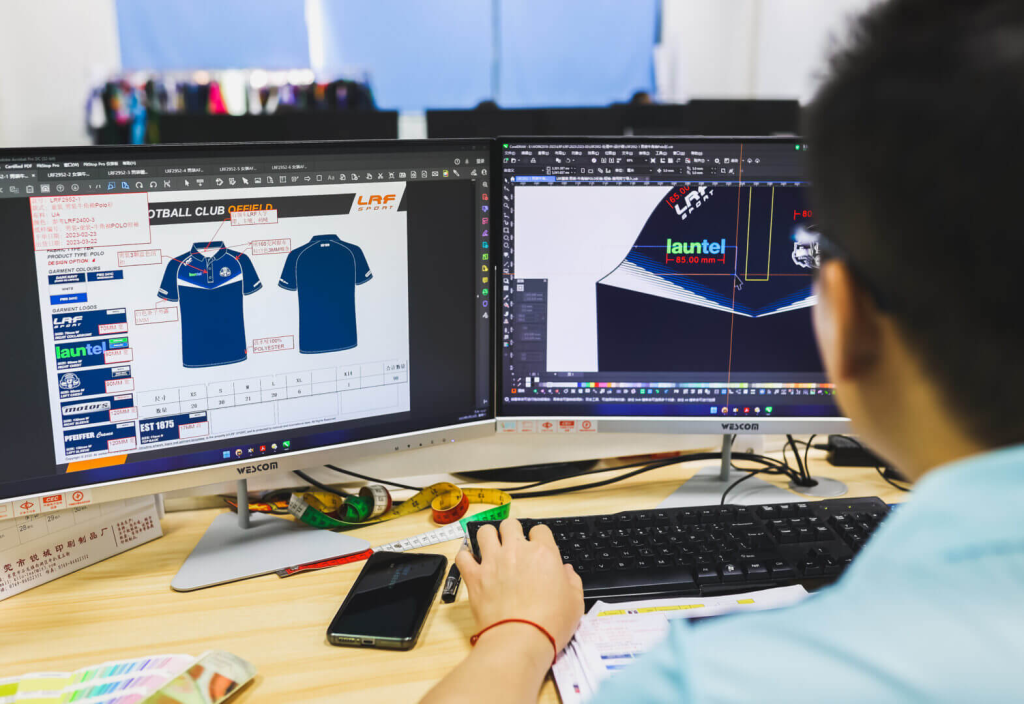
Technology is now being used in the design phase as well, with software tools allowing designers to create digital mockups and perform simulations of how the garment will perform under different conditions.
2. Fabric Sourcing and Production
Fabric is the backbone of sportswear, and sourcing the right material is vital for ensuring that the final product meets performance standards. Fabrics used in sportswear manufacturing are often lightweight, flexible, and moisture-wicking to keep the wearer comfortable during physical activity.
Common Fabrics Used in Sportswear:
- Polyester: Known for its durability and moisture-wicking properties, polyester is often used in performance gear.
- Spandex (Lycra/Elastane): Provides stretch, allowing the fabric to move with the body.
- Nylon: Durable and resistant to abrasion, often used in outer layers and windbreakers.
- Merino Wool: Offers natural insulation and moisture-wicking properties, often used in high-performance or outdoor sportswear.
The fabric production process typically involves dyeing, finishing, and sometimes adding specialized coatings like water resistance or UV protection. Innovations in fabric production have led to sustainable alternatives like recycled polyester, eco-friendly dyes, and fabrics that offer better moisture management.
3. Pattern Making and Cutting
Once the fabric is selected, the next step is creating the patterns. Pattern makers use digital tools and software to generate precise garment shapes based on the designer’s vision. Once the patterns are finalized, they are used to cut the fabric into the various pieces that make up the sportswear item.
The cutting process is essential for ensuring that each piece fits together correctly during the assembly process. This is where precision plays a significant role to minimize fabric waste and ensure efficiency in production.
4. Sewing and Assembly
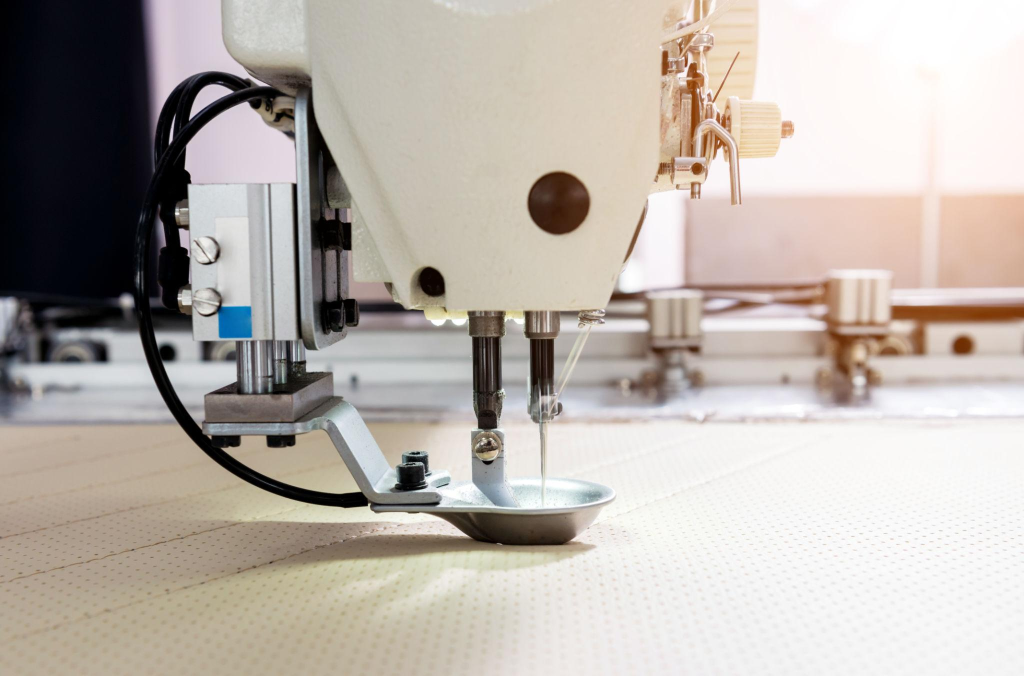
Sewing and assembly are where the majority of the sportswear manufacturing takes place. Skilled workers (or automated machines) stitch the cut pieces together to form the finished garment. Sportswear often requires additional features such as reinforced seams, zippers, elastic waistbands, and pockets, all of which are added during this stage.
Recent innovations in automated sewing, including robotics and 3D knitting, have allowed manufacturers to speed up this process, reduce human error, and improve consistency in product quality.
5. Quality Control and Testing
Before sportswear reaches the market, it undergoes rigorous quality control testing to ensure it meets both aesthetic and performance standards. This includes:
- Visual Inspection: Checking for defects such as uneven stitching or misaligned patterns.
- Performance Testing: Testing the garment for moisture-wicking, breathability, stretch, and durability.
- Comfort Testing: Ensuring that the garment fits correctly and provides the necessary freedom of movement.
Advanced testing technologies are being employed to simulate real-life use, such as machine-based tests that simulate wear and tear over extended periods.
6. Finishing and Packaging
The final step in sportswear manufacturing is finishing and packaging. This stage involves adding any final touches, like ironing, adding labels, and folding the garments. Finished products are then packed for shipment, often in eco-friendly packaging materials as part of a growing trend towards sustainability in the industry.
🚀 Innovations Transforming Sportswear Manufacturing
1. Smart Manufacturing Systems (MES)
- Real-time production tracking
- Data-driven decision making
👉 Benefits:
✔ Higher efficiency
✔ Fewer errors
✔ Faster delivery
2. AI & Digital Pattern Making
- CAD systems
- Automated grading
👉 Benefits:
✔ Precision
✔ Faster development
3. Sustainable Manufacturing
- Recycled fabrics
- Waterless dyeing
👉 Industry trend:
✔ Lower environmental impact
✔ Brand differentiation
4. Advanced Fabric Technologies
- Compression fabrics
- Moisture-wicking textiles
- Anti-odor treatments
5. On-Demand Production
- Small batch production
- Faster turnaround
🧪 Materials & Performance Engineering
Modern sportswear uses:
- Polyester → durability
- Nylon → strength
- Spandex → flexibility
👉 Material + process = final performance
🛡️ Quality Control Systems
Professional manufacturers use:
- AQL inspection standards
- Fabric testing labs
- Pre-production samples
Premium Apparel Manufacturing
High-Quality Apparel Manufacturer
Newasia Garment Co., Ltd. is a trusted leader in apparel manufacturing, specializing in high-quality denim and fashion apparel production. With over 39 years of industry expertise, we deliver innovative solutions to global retailers, top fashion brands, and wholesalers, including partnerships with names like Levi’s, Uniqlo, Gap, and Zara.
Product Categories
- Denim Apparel: Durable yet soft denim products including jeans, jackets, skirts, and dresses, designed for both comfort and style.
- Casual Wear: Versatile and stylish casual clothing such as t-shirts, sweatshirts, and chinos for everyday wear.
- Activewear: Comfortable and performance-driven athletic apparel, engineered for flexibility, breathability, and long-lasting durability.
- Children’s Apparel: Safe, durable, and soft fabric for children’s clothing, ensuring both comfort and functionality.
- Outerwear: Stylish and functional outerwear, including jackets, coats, and vests for all seasons.
- Workwear & Uniforms: High-quality, comfortable workwear with options for customization to suit specific brand needs.
Manufacturing Capabilities
- Advanced Production Facilities: Equipped with automated cutting systems, specialized sewing machines, and eco-friendly production technologies, ensuring precision and efficiency.
- In-House R&D: Our team specializes in fabric research, development, weaving, and dyeing, giving us full control over quality and material performance.
- Custom Printing & Embellishment: A full range of decoration options, including embroidery, laser engraving, screen printing, and custom labels.
- Eco-Friendly Production: Implementing water-saving technologies and low-impact dyeing processes for environmentally conscious manufacturing.
Quality Standards & Certifications
- International Certifications: ISO 9001, ISO 14001, and BSCI certified production facilities.
- Rigorous Quality Control: Multiple quality checks throughout production, from raw materials to finished products.
- Testing Protocol: In-house testing for fabric durability, colorfastness, shrinkage, and compliance with global standards.
- Performance Guarantee: All products are backed by our performance guarantee and after-sales support.
Our Partnership Models
| Model | Description |
|---|---|
| OEM Manufacturing | Original Equipment Manufacturing services for brands with established designs. |
| ODM Solutions | Original Design Manufacturing with custom collections created by our design team. |
| Startup Support | Specialized support for emerging brands, including low MOQs and design guidance. |
| Global Logistics | Worldwide shipping and distribution with streamlined customs clearance. |
Sustainability Initiatives
- Eco-Friendly Materials: Using sustainable fabrics such as organic cotton, recycled polyester, and bamboo fibers.
- Waste Reduction Programs: Advanced recycling initiatives and zero-waste pattern cutting to minimize environmental impact.
- Water Conservation: Implementing efficient water recycling systems and low-impact dyeing methods.
- Renewable Energy: Operating solar-powered facilities with energy-efficient equipment to reduce our carbon footprint.
Our Manufacturing Capabilities
Newasia Garment Co., Ltd. combines 39 years of manufacturing excellence with advanced sportswear production capabilities:
| Capability | Specification |
|---|---|
| Annual Production | 30M+ pieces across all product categories |
| Daily Capacity | 100,000+ pieces |
| Production Lines | 140+ specialized lines |
| Employees | 12,000+ skilled workers |
| Quality Systems | 5-stage QC; AQL standards; ISO 9001 certified |
| Sustainability | BSCI certified; Oeko-Tex options |
Our Sportswear Product Capabilities
| Category | Capabilities |
|---|---|
| Soccer Jerseys | Sublimation printing, moisture-wicking fabrics, custom designs |
| Training Wear | Polyester/spandex blends, reinforced seams, durability testing |
| Fan Apparel | T-shirts, hoodies, scarves, accessories |
| Goalkeeper Uniforms | Padded options, performance fabrics |
| Team Kits | Full customization for youth, adult, and pro levels |
Certified Professional Clothing Producer
We are very proud of these certificates! They represent Newasia Garment Co.,Ltd. ’s amazing achievements and accreditations. They show how much we care about quality, safety, and professionalism.
We’re proud to say that we have obtained BSCI and ISO 90001 certificates, and inspection certificates for filling materials such as down and cotton. We follow international standards throughout our production process and take responsibility for the quality of our products.
As one of China’s leading clothing manufacturers, we are pleased to be recognized by respected organizations. These certifications underscore our reliability as a trusted supplier to the global apparel industry.
Trusted Certificates:

Why Choose Us
 Independent base We have our own laboratory and can independently develop fabrics , China  Professional certification Certification: ISO 9001, ISO 14001,BSCI,GRS |
 Full-equipped Full-equipped, from fiber manufacturing, yarn spinning, weaving, dyeing and processing to finished product production  Rich experience Professional, large and experienced design team, combined with the latest artificial intelligence technology |
 Our Facilities 12,000 skilled employees, daily production capacity exceeds 100,000 pieces  Fashion exhibition Participated in domestic and foreign fashion weeks and exhibitions many times |
Trusted by Global Clients










How Do We Guarantee the Quality
Our quality assurance begins with designing and planning, then continues through every step of the production and post-production inspections. Delivery is not an ending. We still offer money-back guarantee for quality issues.
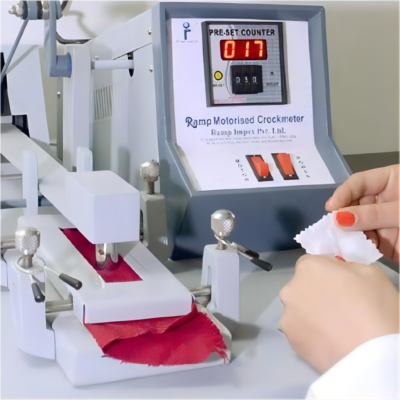
When sourcing fabrics, we will check all related fabric certificates from our suppliers.
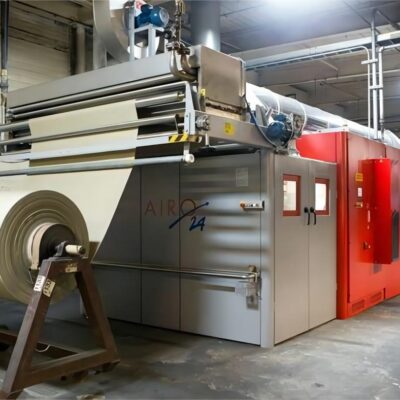
We make sure the fabric is well pre-washed to meet the standards before cutting.
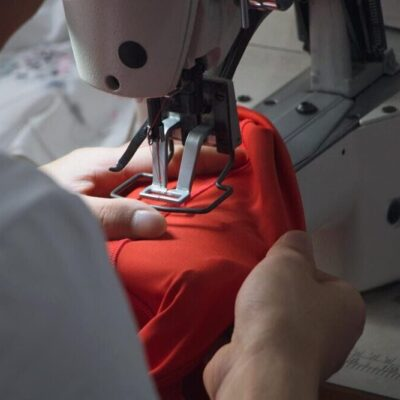
All our workers are well-trained and have many years of experience in the garment industry. They are all local workers with high stability.
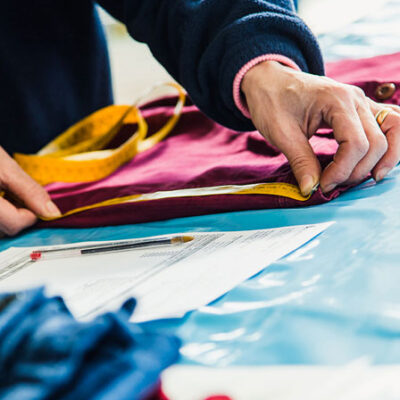
Our quality team will follow SOPs to conduct five times of quality checks before shipping.
Frequently Asked Questions
Q1: What is your Minimum Order Quantity (MOQ)?
We specialize in flexible production solutions to support emerging brands and growing businesses.
You can mix colors and sizes within the same style and fabric for greater flexibility.
For highly customised or technical garments (such as specialised denim washes or intricate embroidery), MOQ requirements may range from 200 to 300 units.
Our standard MOQ ranges from 100 to 300 units per design, depending on fabric availability and production complexity.
For best pricing efficiency, MOQ is typically based on 300 per style per colour.
Q2: What Services Do You Offer?
We provide full-cycle fashion support, including:
Sustainability Consulting: Eco-fabric sourcing, ethical production planning.
Sourcing: Local and global raw material, fabric R&D, and procurement (trims) with cost optimization.
Manufacturing: Custom manufacturing with quality control checkpoints.
Design & Development: Assistance with tech packs, trend research, and collection building.
Logistics: Shipping coordination to your warehouse or 3PL.
Q3: Can I Customize My Designs Fully?
We work with both OEM (your design, our production) and ODM (our templates customized for you) models. Customization options include:
Labels, hangtags, branded packaging
Fabric type and color
Fit and sizing
Printing (screen, DTG, sublimation, embroidery)
Accessories (zippers, buttons, cords)
Q4: What are your sustainability practices?
We’re committed to responsible manufacturing through:
Energy-efficient production technology
Waste reduction programs and ethical labor practices (BSCI certified)
GOTS-certified organic cotton and recycled material options
OEKO-TEX® certified dyes and processing
Q5: What Are Your Lead Times?
For in-stock items: ships worldwide within 3–7 days For custom orders: production lead time 15–30 days Urgent / Express Options: Available at a premium. Timing can vary depending on fabric development, approval cycles, and order complexity.
Q6: What is your production capacity?
Our facility employs 12,000 skilled employees, daily production capacity exceeds 100,000 pieces. We handle orders from 100 pieces to 50,000+ units across:
Technical apparel
Activewear and sportswear
Denim and casual wear
Children’s clothing
Q7: Where are your garments produced?
Our headquarters are based in China, where we operate our own vertically integrated factory. Our infrastructure and strategically placed worldwide manufacturing facilities allow us to offer extremely competitive pricing for fully custom clothing. offer flexible production options tailored to your needs. All manufacturing is supervised by our quality control team to ensure consistent standards
Conclusion
Sportswear manufacturing continues to evolve with the help of new technologies, sustainable practices, and innovative materials. From smart fabrics that enhance performance to automated production lines that boost efficiency, the sportswear industry is at the forefront of manufacturing innovation. As consumer demand for both performance and sustainability grows, manufacturers will need to embrace these advancements to stay competitive.
If you are looking for high-quality, performance-driven sportswear, it’s essential to partner with manufacturers who understand these processes and innovations. Whether you’re an athlete, retailer, or brand looking to source sportswear, understanding the key manufacturing processes and innovations will help you make informed decisions and meet the ever-changing demands of the market.👉 Contact us for samples and production consultation.
Read more: Sportswear Manufacturing: Key Processes and Innovations
- Sportswear Manufacturing: Key Processes and Innovations
- Track Jacket Lining Materials: Materials for Warmth and Breathability
- Referee Uniform Regulations: FIFA and National Standards Explained
- Sock Knitting Technology: Engineering Performance from Yarn to Finished Produc
- Training Wear Fabric Durability: The Complete Guide to Testing and Quality Assurance