

If you’re looking to produce premium polo shirts for your store, brand, or corporate needs, understanding the manufacturing process is essential. The demand for stylish, comfortable, and durable polo shirts continues to grow, whether it’s for corporate wear, sports teams, or promotional events. Manufacturing polo shirts that meet these standards requires expertise, quality materials, and precise craftsmanship.
Whether you’re starting a new line, creating custom shirts for a team, or outfitting your business, knowing how to manufacture a polo shirt efficiently and effectively is key to delivering a product your customers will love.
Newasia Garment Co., Ltd. is a professional polo shirt manufacturer, specializing in high-quality polo shirts for brands, retailers, sports teams, and businesses worldwide. Our extensive expertise in apparel manufacturing ensures that every polo shirt we produce meets the highest standards for quality, comfort, and durability.
We are also a trusted manufacturing partner for global brands like American Eagle Outfitters, Uniqlo, Zara, Gap, Levi’s, and Lee, adhering to international production standards.
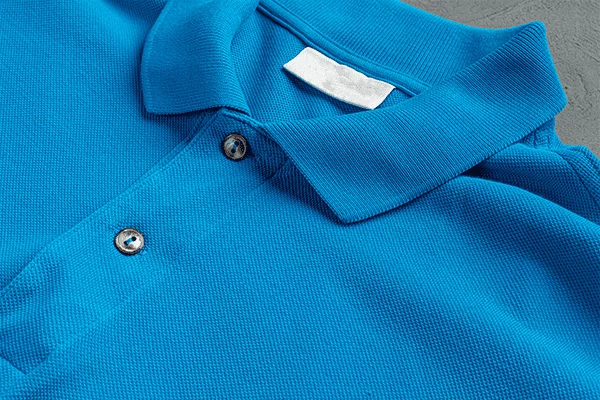
What Makes a POLO Shirt Unique?
At first glance, a POLO shirt might look like a simple garment—but it’s anything but ordinary. Its signature features include:
- A ribbed collar and cuffs
- Buttoned placket (usually 2-3 buttons)
- Breathable, knitted cotton (often piqué)
- A tailored yet casual fit
What sets it apart is the balance of structure and softness, making it suitable for various occasions. A good POLO shirt offers comfort, style, and durability.
Understanding Polo Shirt Structure
A standard polo shirt consists of:
- Rib collar
- Placket
- Front/back panels
- Sleeves
- Cuffs
- Side vents
Each component affects fit and durability
Step 1: Choose the Right Fabric for Your Polo Shirt
The fabric you select is one of the most important factors in polo shirt manufacturing. Different materials have distinct qualities that can affect the comfort, look, and durability of the final product.
Popular Fabrics for Polo Shirts:
- Cotton: Soft, breathable, and comfortable. Ideal for everyday wear and warm weather.
- Piqué Cotton: Known for its textured weave, piqué cotton provides a structured look and is commonly used in high-quality polo shirts.
- Polyester Blends: Durable, wrinkle-resistant, and often used in performance polos due to its moisture-wicking properties.
- Jersey Knit: Soft and stretchy, perfect for more casual, comfortable polos.
- Performance Fabrics: These fabrics are designed for activewear, offering breathability, moisture-wicking, and quick-drying qualities.
The right fabric depends on the style you’re aiming for—whether it’s luxury, performance, or casual wear.
Step 2: Design the Polo Shirt’s Cut and Fit
The fit of a polo shirt is one of its most defining features. Depending on your target market, you can choose from a variety of cuts. Here are a few popular options:
- Slim Fit: Modern and tailored, offering a more streamlined look.
- Classic Fit: A relaxed fit, providing more comfort and a traditional style.
- Loose/Relaxed Fit: Ideal for those seeking a more casual and oversized look.
In addition to the fit, the design of the collar and placket (the button section of the shirt) is crucial. Popular collar types include:
- Ribbed Collar: Adds texture and structure, commonly found in traditional polos.
- Flat Knit Collar: Offers a cleaner, more modern appearance.
- Contrast-Tipped Collar: A stylish option with a contrasting color at the edge.
- Zipper Placket: A more contemporary and sporty design.
The construction of the collar and placket must ensure that it retains its shape and doesn’t curl after washing.
Step 3: Pattern Making and Fabric Cutting
Once you’ve finalized the design, the next step is to create patterns based on the measurements and fit specifications. These patterns are essentially blueprints for the polo shirt, guiding the cutting of the fabric.
- Pattern Making: Professional pattern makers create templates for the shirt’s body, sleeves, collar, and placket.
- Fabric Cutting: Using the patterns, the fabric is cut into pieces. This can be done manually or with automated cutting machines to ensure accuracy and minimize fabric waste.
Step 4: Stitching the Polo Shirt Together
After the fabric is cut, it’s time to assemble the polo shirt. This step involves stitching together the body, sleeves, collar, and placket. It requires skilled labor to ensure that the seams are strong and neat.
Key points in this process:
- Double-Stitching: Ensures durability, especially in high-stress areas like the sides, sleeves, and collar.
- Reinforced Seams: Adds strength, preventing any fraying or tearing over time.
- Finishing Touches: This includes adding labels, care tags, and ensuring that all seams are properly finished.
Step 5: Adding Branding and Customization
Branding is crucial when it comes to polo shirts, especially if you’re manufacturing them for your brand. You can add your logo or custom design to different parts of the shirt, such as:
- Embroidery: For a premium, textured finish. Often used for logos on the chest, sleeve, or collar.
- Screen Printing: Ideal for larger, complex designs that need to be printed in vibrant colors.
- Heat Transfers: Best for lightweight or detailed designs, giving a modern and clean look.
The method of branding depends on the fabric and the desired aesthetic. Be sure to choose a technique that matches your brand’s vision and the type of fabric you’re working with.
Step 6: Quality Control and Final Inspection
Before your polo shirts are ready to ship, they undergo a rigorous quality control process to ensure that they meet your brand’s standards. This step includes inspecting the stitching, checking for fabric defects, testing the fit, and verifying the overall look and feel of the shirts.
Quality control ensures that every polo shirt produced is consistent and up to standard, offering customers the best possible product.
Step 7: Packing and Distribution
Once the polo shirts pass the final inspection, they are packed and prepared for distribution. Depending on your business model, you may want to:
- Retail Packaging: Fold the shirts neatly and package them in hangers or boxes for retail.
- Bulk Packaging: For wholesale or large orders, polo shirts are packed in bulk bags and sent to distributors.
Make sure to work with reliable logistics partners to ensure timely delivery to your customers or stores.
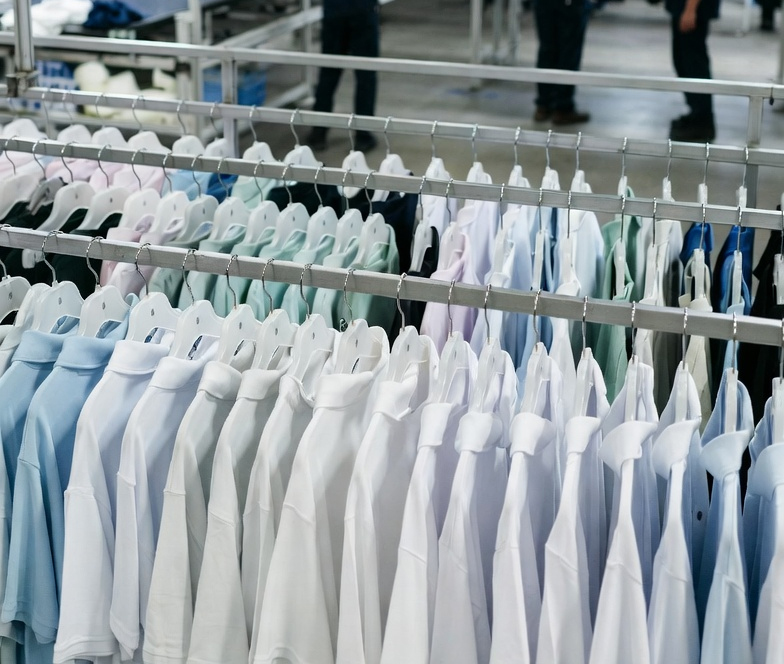
How We Collaborate with Clients During Production
We believe in open communication:
- Dedicated account managers
- Real-time updates via email or platforms
- Video calls for progress checks
Partnership and transparency are key.
Common Challenges in POLO Shirt Manufacturing
Even with experience, we face:
- Fabric dye inconsistencies
- Embroidery thread breakage
- Last-minute design changes
But our agile systems and proactive team solve these quickly.
The Anatomy of a High-Quality Polo Shirt: A Manufacturer’s Perspective
Quality can be claimed by anyone, but quality only comes by making choices. Knowing the main components of a polo shirt makes it easier for you to review samples and be specific about what you want. Here’s an inside look at how a great polo shirt differs from a run-of-the-mill one.
Fabric is King: Understanding Your Options
The fabric determines how a polo shirt feels, hangs, and lasts.
- Piqué Knit:This classic choice has a textured, honeycomb or waffle-like pattern. It breathes well, lasts long, and hides sweat effectively, making it a timeless standard.
- Jersey Knit:This fabric feels softer and smoother like a high-end T-shirt. It drapes nicely and offers great comfort as a modern, often lighter option than piqué.
- Performance Blends:Fabrics with polyester, spandex, or lyocell offer special features. They wick moisture away, stretch in all directions, and may protect against UV rays, perfect for athletic or golf shirts.
- Sustainable Fabrics:Options like certified organic cotton or recycled polyester matter more to eco-conscious brands today. Pima cotton has longer fibers than regular cotton, making it softer, stronger, and less likely to pill.
Construction Details That Signal Durability
How long a shirt lasts depends on how it’s made. These are important details to check. - Collar Construction:A good ribbed collar should stay flat without curling after washing. A collar made from the same fabric as the shirt needs proper backing to keep its shape.
- Stitching and Seams:Look for tight, dense stitching. Double-Needle Stitching on the hem and cuffs makes them stronger and neater. Taped Neck Seams show quality—a fabric strip sewn over the seam adds comfort and helps the shirt keep its shape.
- Placket and Buttons:The button strip should be neatly finished, have backing to stay crisp, and be perfectly straight. Buttons should be quality material (like mother-of-pearl or thick resin, not thin plastic) and sewn securely with cross-stitching.
Customization Techniques and Their Best Use Cases
How you add your brand matters as much as the shirt itself. - Embroidery:The best choice for a lasting, premium-looking logo. Perfect for chest logos and adding a high-end touch.
- Screen Printing:Very cost-effective for larger orders with simpler designs using solid colors. It creates bright, long-lasting graphics.
Direct-to-Garment (DTG): Best for detailed, photo-like, or many-colored images on smaller orders, as it prints straight onto the fabric like a computer printer.
OUR PROCESS






END-TO-END
Polo Shirt Manufacturing Services—Quality, Fit & Branding in Every Stitch
At Newasia Garment Co.,Ltd., we go beyond basic manufacturing. We’re a one-stop custom polo shirt manufacturer offering everything under one roof—from sourcing premium fabrics to final packaging for fashion brands, sportswear labels, lifestyle retailers, and corporate clients—so you can focus on building your brand, not managing production headaches.
Here’s what sets our service apart:
All-in-One Manufacturing Partner
We handle everything from fabric sourcing and pattern development to sample making, bulk production, and finishing. Whether you’re launching a new line or scaling an existing one, our streamlined workflow ensures speed and consistency.
Hundreds of Fabric Options
Choose from a vast library of high-quality materials, including combed cotton, organic blends, jersey, French terry, and pigment-dyed fabrics—each curated for comfort, durability, and print compatibility.
Strict Quality Assurance for Complex Designs
Our in-house quality control team follows rigorous checkpoints across every stage of production—especially for garments involving advanced techniques like screen prints, intricate embroidery, or layered embellishments. This ensures your most unique designs are executed with precision and consistency, every time.
Flexible MOQ Starting at 100 Pieces
Our minimum order quantity starts at just 100 pieces per style, with the flexibility to mix colors and sizes—ideal for small batch releases, capsule collections, or product testing.
Private Label Branding Options
Elevate your brand with fully customizable features: logo embroidery, screen prints, woven neck labels, hang tags, packaging, and more.
Tailored Sizing & Fit Development
We offer true custom sizing beyond the standard S/M/L. Develop fits that flatter your specific customer base, whether you’re creating streetwear, athleticwear, or gender-inclusive collections.
TECHNOLOGY
Polo Shirt Customization & Finishing Techniques
Our in-house capabilities allow you to enhance your polo shirts with premium branding and design touches. Whether you’re targeting a classic aesthetic or a more modern, athletic look, we have the tools and experience to deliver.

A classic and cost-effective option for large-scale graphics. Our high-quality screen printing delivers sharp detail, vibrant colors, and long-lasting wear—ideal for logos, artwork, and bold slogans.

Give your garments a premium edge with embroidery. From small chest logos to all-over embroidery designs, our machines can produce clean, layered detailing with custom thread colors and density control.

Add texture and uniqueness with rhinestones, studs, appliqués, sequin work, patches, or contrast fabric layering. These techniques are ideal for streetwear and high-fashion collections.

Perfect for multicolor or photorealistic designs. We use both vinyl and DTF heat transfer methods to reproduce even the most intricate visuals on cotton and blended fabrics.
Want to explore the full range of custom techniques we offer? Contact us to discuss your ideas.
Why CHOOSE US
Why Brands Trust Newasia Garment Co.,Ltd. Fashion
We’re not just a polo shirt manufacturer—we’re an extension of your brand. Our clients choose to work with us not only for the quality of our garments, but for the reliability, communication, and care we bring to every project. Whether you’re a growing startup or an established brand, we act as your dedicated production partner—committed to protecting your designs, meeting your standards, and supporting your long-term growth in a competitive market.
- Premium Craftsmanship & Attention to Detail
- Rigorous Quality Control
- Flexible Minimums, Scalable Production
- Proximity to Major Fabric Markets
- Clear & Responsive Communication
- Expertise in Customization
- Trusted by Brands Worldwide
Our Services
You need a good T-shirt manufacturer that will go the extra mile for you to get it right. You will need solid support in the development stages. And then, of course, you will also need solid planning to keep your delivery on-schedule, so you don’t miss your product launch. Professional quality control is a must if you want to have brand-level products on the shelves.
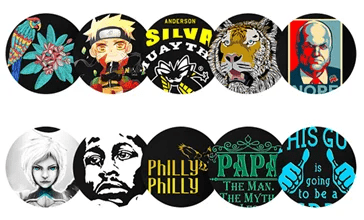
We can create your unique design and add graphics and logos to your jersey.

Different countries, different brands all have different sizes. Our team will help you make the optimised sizing chart for your target market
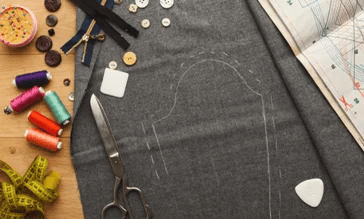
We have professional designers who can design different styles of Jackets for you.
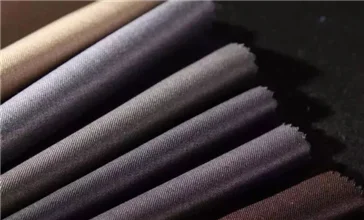
Our clothes are available in a variety of materials such as cotton, spandex and polyester.
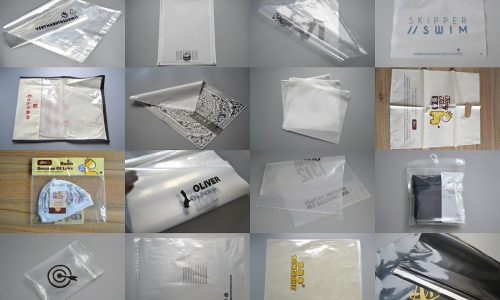
No need to find other packaging factories, we can provide you with custom packaging services for clothing, including labels, tags, cartons.
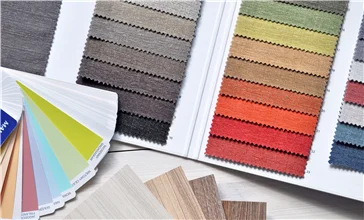
We can customize various colors for you. You can also choose from our color card.
Certified Professional Clothing Producer
We are very proud of these certificates! They represent Newasia Garment Co.,Ltd. ’s amazing achievements and accreditations. They show how much we care about quality, safety, and professionalism.
We’re proud to say that we have obtained BSCI and ISO 90001 certificates, and inspection certificates for filling materials such as down and cotton. We follow international standards throughout our production process and take responsibility for the quality of our products.
As one of China’s leading clothing manufacturers, we are pleased to be recognized by respected organizations. These certifications underscore our reliability as a trusted supplier to the global apparel industry.
Trusted Certificates:
Why Choose Us
 Independent base We have our own laboratory and can independently develop fabrics , China  Professional certification Certification: ISO 9001, ISO 14001,BSCI,GRS |  Full-equipped Full-equipped, from fiber manufacturing, yarn spinning, weaving, dyeing and processing to finished product production  Rich experience Professional, large and experienced design team, combined with the latest artificial intelligence technology |  Our Facilities 12,000 skilled employees, daily production capacity exceeds 100,000 pieces  Fashion exhibition Participated in domestic and foreign fashion weeks and exhibitions many times |
Trusted by Global Clients








Frequently Asked Questions
Q1: What is your Minimum Order Quantity (MOQ)?
We specialize in flexible production solutions to support emerging brands and growing businesses.
- For highly customised or technical garments (such as specialised denim washes or intricate embroidery), MOQ requirements may range from 200 to 300 units.
- Our standard MOQ ranges from 100 to 300 units per design, depending on fabric availability and production complexity.
- For best pricing efficiency, MOQ is typically based on 300 per style per colour.
- You can mix colors and sizes within the same style and fabric for greater flexibility.
Q2: What Services Do You Offer?
We provide full-cycle fashion support, including:
- Sourcing: Local and global raw material, fabric R&D, and procurement (trims) with cost optimization.
- Manufacturing: Custom manufacturing with quality control checkpoints.
- Design & Development: Assistance with tech packs, trend research, and collection building.
- Logistics: Shipping coordination to your warehouse or 3PL.
- Sustainability Consulting: Eco-fabric sourcing, ethical production planning.
Q3: Can I Customize My Designs Fully?
We work with both OEM (your design, our production) and ODM (our templates customized for you) models. Customization options include:
- Fabric type and color
- Fit and sizing
- Printing (screen, DTG, sublimation, embroidery)
- Accessories (zippers, buttons, cords)
- Labels, hangtags, branded packaging
Q4: What are your sustainability practices?
We’re committed to responsible manufacturing through:
- Waste reduction programs and ethical labor practices (BSCI certified)
- GOTS-certified organic cotton and recycled material options
- OEKO-TEX® certified dyes and processing
- Energy-efficient production technology
Q5: What Are Your Lead Times?
For in-stock items: ships worldwide within 3–7 days For custom orders: production lead time 15–30 days Urgent / Express Options: Available at a premium. Timing can vary depending on fabric development, approval cycles, and order complexity.
Q6: What is your production capacity?
Our facility employs 12,000 skilled employees, daily production capacity exceeds 100,000 pieces. We handle orders from 100 pieces to 50,000+ units across:
- Activewear and sportswear
- Denim and casual wear
- Children’s clothing
- Technical apparel
Q7: Where are your garments produced?
Our headquarters are based in China, where we operate our own vertically integrated factory. Our infrastructure and strategically placed worldwide manufacturing facilities allow us to offer extremely competitive pricing for fully custom clothing. offer flexible production options tailored to your needs. All manufacturing is supervised by our quality control team to ensure consistent standards.
Conclusion
Manufacturing a polo shirt involves multiple steps, from selecting the right fabric to final distribution. By understanding each stage of the process, you can ensure that your polo shirts are of the highest quality, both in terms of comfort and style. Whether you’re designing a luxury line, producing sportswear, or creating a uniform collection, following these steps will help you bring your vision to life.
Newasia Garment Co.,Ltd. is your trusted partner in custom polo shirt manufacturers. From bulk POLO shirts to personalized T-shirts and hoodies, we help businesses, brands, and teams bring their clothing visions to life with quality and style.
👉 Get in touch today for a custom quote