
The Hemp Fabric Supply Chain
When you wonder how hemp fabric is made, you start with hemp plants cultivated in sustainable, eco-friendly fields. Hemp is one of the fastest-growing crops, requiring minimal water and no pesticides, making it an environmentally responsible choice.
The process transforms raw hemp stalks into fibers through a series of mechanical and chemical steps, including retting and decortication. The resulting fibers are spun into yarns, which are then woven or knitted into fabric.
This creates a durable, breathable, and versatile fabric that is soft on the skin, naturally antimicrobial, and biodegradable. Hemp fabric is ideal for everything from clothing to home textiles. China and several European countries are major producers of hemp textiles, with the global demand for hemp fabric steadily increasing.
Newasia Garment Co., Ltd. is proud to be a trusted manufacturer in the hemp fabric supply chain. We are committed to sustainable production practices and delivering high-quality products. We also collaborate with top global brands such as American Eagle Outfitters, Uniqlo, Zara, Gap, Levi’s, and Lee, ensuring that every garment we produce meets the highest standards of quality, durability, and environmental responsibility.
What is Hemp Fabric and Why is It Important?
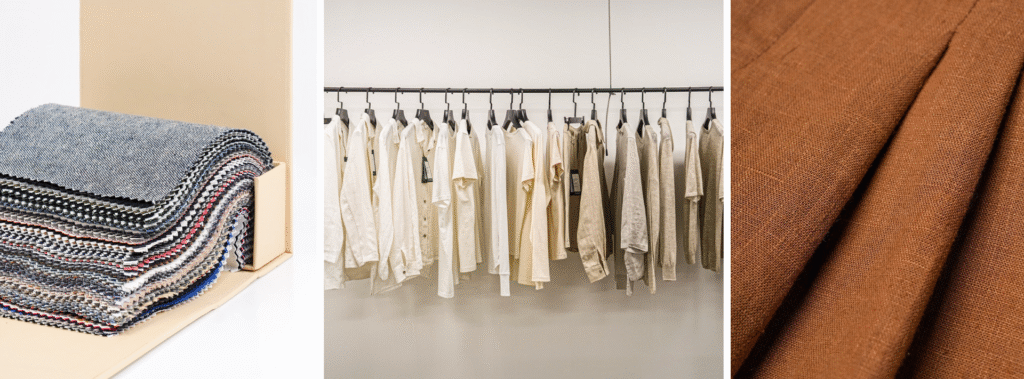
Hemp fabric, made from the fibers of the hemp plant, is one of the most eco-friendly textiles available today. Known for its durability, breathability, and biodegradability, hemp is becoming increasingly popular in sustainable fashion. Unlike cotton, hemp requires fewer resources to grow, making it a more environmentally friendly alternative for the fashion industry.
The environmental benefits of hemp fabric are clear:
- Low water usage: Hemp requires far less water than cotton to grow.
- Minimal pesticide usage: Hemp is naturally resistant to pests, reducing the need for chemical pesticides.
- Biodegradability: Hemp fabric is completely biodegradable, making it a sustainable choice for fashion.
As consumers and brands increasingly prioritize sustainability, hemp fabric is emerging as a key player in the future of fashion.
Hemp Fabric Overview
| Category | Details |
|---|---|
| Fabric Name | Hemp |
| Also Known As | Industrial Hemp |
| Fabric Composition | Fibers from the stems of the Cannabis sativa plant |
| Thread Count Variations | 250-300 |
| Breathability | Very breathable |
| Moisture-Wicking Ability | High |
| Heat Retention | Low |
| Stretchability | Medium |
| Prone to Pilling/Bubbling | Low |
| Origin | Asia and the Middle East |
| Biggest Exporter/Producer Today | China |
| Recommended Washing Temperature | Warm |
| Common Uses | T-shirts, dresses, hoodies, underwear, socks, and household textiles |
Hemp fabric is prized for its breathability, moisture-wicking abilities, and low environmental impact, making it ideal for a range of apparel and home textiles.
How Is Hemp Fabric Made?
Hemp fabric production involves five main steps:
- Growing: Hemp seeds are planted close together, producing tall stems (3–15 feet). These stems contain fine fibers, harvested after flowering.
- Retting: Stems undergo water retting (soaked in warm water for 10 days) or dew retting (dried on the ground) to remove non-cellulosic substances like pectins.
- Extracting: After retting, the stems are broken and beaten to separate fibers from the woody core.
- Combing: The fibers are combed to form a thread.
- Spinning: Fibers are spun into yarns—wet spinning produces finer yarns, while dry spinning results in coarser threads.
This process transforms hemp into a durable, eco-friendly fabric suitable for a range of uses.
4 Key Characteristics of Hemp Fabric
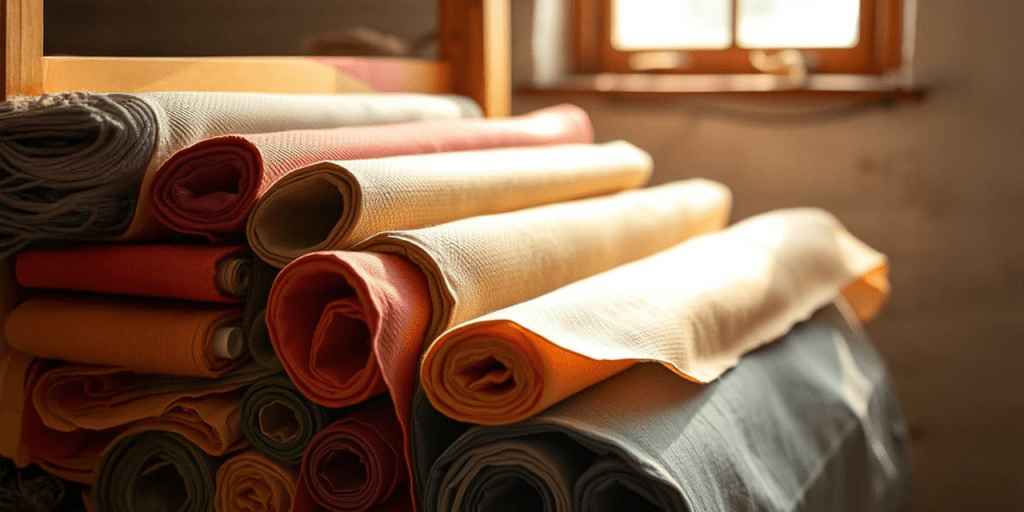
- Naturally Antimicrobial & Odor-Resistant: Hemp prevents bacterial growth, keeping clothes fresher for longer—ideal for activewear and everyday use.
- UV Protection: Naturally resistant to UV rays, hemp protects skin and reduces color fading in garments.
- Softens Over Time: Hemp becomes softer with each wash while retaining strength and durability.
- Biodegradable & Circular: 100% natural and biodegradable, hemp breaks down completely without harmful residues, making it a true zero-waste material when undyed and untreated.
Why Choose Hemp Fabric?
As one of the most eco-friendly fabrics available, hemp offers a variety of benefits, including:
- Sustainability: Hemp is a highly sustainable crop, requiring less water, no pesticides, and growing quickly. It absorbs CO2 as it grows, making it a carbon-negative material.
- Durability: Hemp fabric is incredibly strong and durable, meaning products made from hemp tend to last longer, reducing the need for frequent replacements.
- Breathability: Hemp is naturally breathable, making it an ideal fabric for warm-weather clothing and bedding.
- Biodegradability: Unlike synthetic fabrics like polyester, hemp fabric is biodegradable, contributing to less waste in landfills.
- Versatility: Hemp can be blended with other fibers such as cotton, organic wool, or silk to create different textures and properties, expanding its range of uses.
The Challenges in the Hemp Fabric Supply Chain
While hemp fabric has many advantages, there are a few challenges in its supply chain that need to be addressed:
- Labor-Intensive Processing: The extraction of fibers from hemp stalks can be labor-intensive and may require specialized equipment, making the process more costly than conventional fabric production.
- Limited Supply: Although the demand for hemp fabric is growing, the production of hemp still faces limitations due to laws, regulations, and less widespread farming. In some regions, hemp cultivation remains restricted due to the plant’s association with cannabis.
- Quality Control: The lack of standardized processing methods can lead to inconsistencies in the final product, which can affect the quality of the fabric.
However, with continued advancements in farming techniques, manufacturing processes, and sustainability practices, these challenges are gradually being overcome.
The Future of the Hemp Fabric Supply Chain
The future of the hemp fabric supply chain looks promising, especially with growing consumer demand for sustainable alternatives to traditional fabrics. As more countries lift restrictions on hemp farming and as technology advances, we can expect the hemp fabric industry to expand.
Furthermore, companies that focus on transparency and traceability in their supply chains will likely gain consumer trust. Providing clear information about where and how hemp is grown, processed, and manufactured will appeal to eco-conscious shoppers who are concerned about the environmental impact of their purchases.
How to Choose the Right Hemp Fabric Supplier
Choosing the right hemp fabric supplier is essential to ensuring that your brand’s products are of the highest quality. Here are some factors to consider:
- Sustainability: Does the supplier prioritize eco-friendly practices in every stage of production?
- Quality Control: Does the supplier have robust quality control processes to ensure consistency?
- Global Reach: Does the supplier have the ability to meet your international supply chain needs?
- Experience with Major Brands: Is the supplier trusted by globally recognized brands, indicating their reliability and professionalism?
At Newasia Garment Co., Ltd., we meet all these criteria, ensuring that our hemp fabric products are of the highest quality and meet global standards.
Why Choose Newasia Garment Co., Ltd. for Your Hemp Fabric Needs?
As a trusted supplier of high-quality hemp fabric, Newasia Garment Co., Ltd. has earned the confidence of major global brands such as Uniqlo, Zara, Levi’s, Gap, and Lee. Here’s why brands turn to us for their hemp fabric needs:
- Sustainability: We are committed to sustainable practices in every step of the production process, from sourcing to manufacturing.
- Quality Assurance: Our fabrics undergo rigorous quality control to ensure that each batch meets the highest standards.
- Global Expertise: We work with top brands around the world and understand the complexities of global supply chains.
- Custom Solutions: We offer tailored solutions to meet the unique needs of our clients, ensuring that they receive the highest-quality hemp fabric at competitive prices.
The Newasia Garment Co., Ltd. Advantage
The global textile industry is rapidly evolving, with hemp taking center stage in the movement toward sustainable fashion. Once an overlooked material, hemp fabric has now become a key driver of eco-conscious trends. With the hemp fabric market set to reach USD 393.67 billion by 2034, growing at an impressive CAGR of 33.5% (Market Research Future), the potential is clear.
At Newasia Garment Co., Ltd., we’re uniquely positioned to help brands tap into this growth.
With our own fabric research and development factory in China, we have full control over the production process, ensuring we deliver the highest quality hemp fabrics, including hemp canvas, jersey, and blends. Our dedicated R&D team works closely with clients to create customized fabric solutions tailored to specific needs and price points.Whether you’re looking for hemp canvas, jersey, or hemp blends, we connect you with the right suppliers, the best fabrics, and competitive pricing — all delivered quickly.
By leveraging our in-house expertise, we ensure consistent quality, traceability, and compliance with sustainable practices. Partnering with Newasia means working with a reliable, agile sourcing partner that can bring your hemp fabric vision to life, quickly and efficiently.
Certified Professional Clothing Producer
We are very proud of these certificates! They represent Newasia Garment Co.,Ltd. ’s amazing achievements and accreditations. They show how much we care about quality, safety, and professionalism.
We’re proud to say that we have obtained BSCI and ISO 90001 certificates, and inspection certificates for filling materials such as down and cotton. We follow international standards throughout our production process and take responsibility for the quality of our products.
As one of China’s leading clothing manufacturers, we are pleased to be recognized by respected organizations. These certifications underscore our reliability as a trusted supplier to the global apparel industry.
Trusted Certificates:
Why Choose Us
 Independent base We have our own laboratory and can independently develop fabrics , China  Professional certification Certification: ISO 9001, ISO 14001,BSCI,GRS |
 Full-equipped Full-equipped, from fiber manufacturing, yarn spinning, weaving, dyeing and processing to finished product production  Rich experience Professional, large and experienced design team, combined with the latest artificial intelligence technology |
 Our Facilities 12,000 skilled employees, daily production capacity exceeds 100,000 pieces  Fashion exhibition Participated in domestic and foreign fashion weeks and exhibitions many times |
Trusted by Global Clients
How Do We Guarantee the Quality
Our quality assurance begins with designing and planning, then continues through every step of the production and post-production inspections. Delivery is not an ending. We still offer money-back guarantee for quality issues.
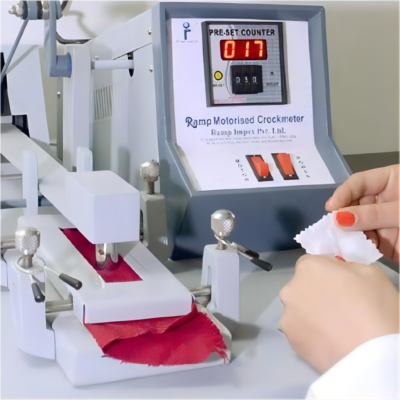
When sourcing fabrics, we will check all related fabric certificates from our suppliers.
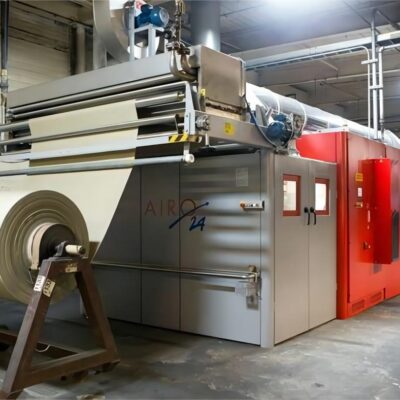
We make sure the fabric is well pre-washed to meet the standards before cutting.
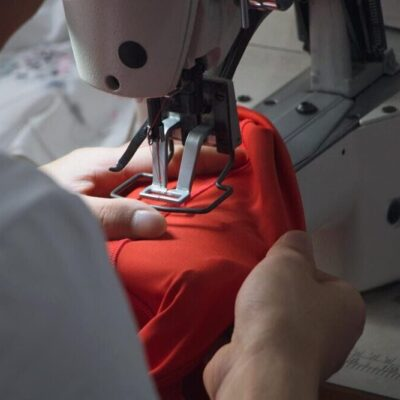
All our workers are well-trained and have many years of experience in the garment industry. They are all local workers with high stability.
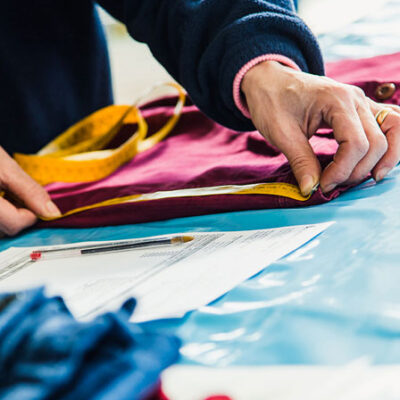
Our quality team will follow SOPs to conduct five times of quality checks before shipping.
Frequently Asked Questions
Q1: What is your Minimum Order Quantity (MOQ)?
We specialize in flexible production solutions to support emerging brands and growing businesses.
You can mix colors and sizes within the same style and fabric for greater flexibility.
For highly customised or technical garments (such as specialised denim washes or intricate embroidery), MOQ requirements may range from 200 to 300 units.
Our standard MOQ ranges from 100 to 300 units per design, depending on fabric availability and production complexity.
For best pricing efficiency, MOQ is typically based on 300 per style per colour.
Q2: What Services Do You Offer?
We provide full-cycle fashion support, including:
Sustainability Consulting: Eco-fabric sourcing, ethical production planning.
Sourcing: Local and global raw material, fabric R&D, and procurement (trims) with cost optimization.
Manufacturing: Custom manufacturing with quality control checkpoints.
Design & Development: Assistance with tech packs, trend research, and collection building.
Logistics: Shipping coordination to your warehouse or 3PL.
Q3: Can I Customize My Designs Fully?
We work with both OEM (your design, our production) and ODM (our templates customized for you) models. Customization options include:
Labels, hangtags, branded packaging
Fabric type and color
Fit and sizing
Printing (screen, DTG, sublimation, embroidery)
Accessories (zippers, buttons, cords)
Q4: What are your sustainability practices?
We’re committed to responsible manufacturing through:
Energy-efficient production technology
Waste reduction programs and ethical labor practices (BSCI certified)
GOTS-certified organic cotton and recycled material options
OEKO-TEX® certified dyes and processing
Q5: What Are Your Lead Times?
For in-stock items: ships worldwide within 3–7 days For custom orders: production lead time 15–30 days Urgent / Express Options: Available at a premium. Timing can vary depending on fabric development, approval cycles, and order complexity.
Q6: What is your production capacity?
Our facility employs 12,000 skilled employees, daily production capacity exceeds 100,000 pieces. We handle orders from 100 pieces to 50,000+ units across:
Technical apparel
Activewear and sportswear
Denim and casual wear
Children’s clothing
Q7: Where are your garments produced?
Our headquarters are based in China, where we operate our own vertically integrated factory. Our infrastructure and strategically placed worldwide manufacturing facilities allow us to offer extremely competitive pricing for fully custom clothing. offer flexible production options tailored to your needs. All manufacturing is supervised by our quality control team to ensure consistent standards
Conclusion
The hemp fabric supply chain is a model of sustainability, from cultivation to final product. As more consumers and brands seek eco-friendly alternatives, hemp fabric is quickly becoming a go-to choice in the fashion and textile industries. By supporting the growth of hemp farming and investing in eco-friendly manufacturing processes, we can reduce our environmental footprint while still enjoying high-quality, durable, and stylish products.
Hemp fabric represents a sustainable, durable, and eco-friendly choice for the future of fashion and textiles. By partnering with Newasia Garment Co., Ltd., you can be confident that you are sourcing high
If you’re looking to source sustainable, high-quality hemp fabric for your products, we’re here to help. Contact us today to learn more about how we can support your business with eco-friendly textiles.
Read more: Hemp Fabric Supply Chain: Sustainability and Efficiency in Textile Manufacturing
- How to Research Fashion Trends for Your Brand in 2026
- Sustainable Fabric Innovations: The Future of Eco-Friendly Textiles
- Enhancing Antimicrobial Finishes Durability: Market Demand and Future Trends
- Why Choose Phase-Change Materials in Textiles For Apparel?
- Workwear Fabric Regulations: A Complete Compliance Guide for Global Brands