
When you wonder how bamboo viscose is made, you start with bamboo harvested from fast-growing, sustainable fields. The process transforms bamboo into a soft, breathable fiber using a chemical treatment that turns bamboo pulp into viscose.
This creates a fabric that feels gentle on your skin, keeps you cool in summer, and warm in winter. Over 70% of global bamboo fabric comes from this method, with China leading production. Newasia Garment Co., Ltd. stands out as a reliable manufacturer, committed to eco-friendly practices and exceptional product quality. We are also a trusted partner of major global brands such as American Eagle Outfitters, Uniqlo, Zara, Gap, Levi’s, and Lee, ensuring that every garment we produce meets the highest standards of quality and sustainability.
What is Bamboo Viscose?
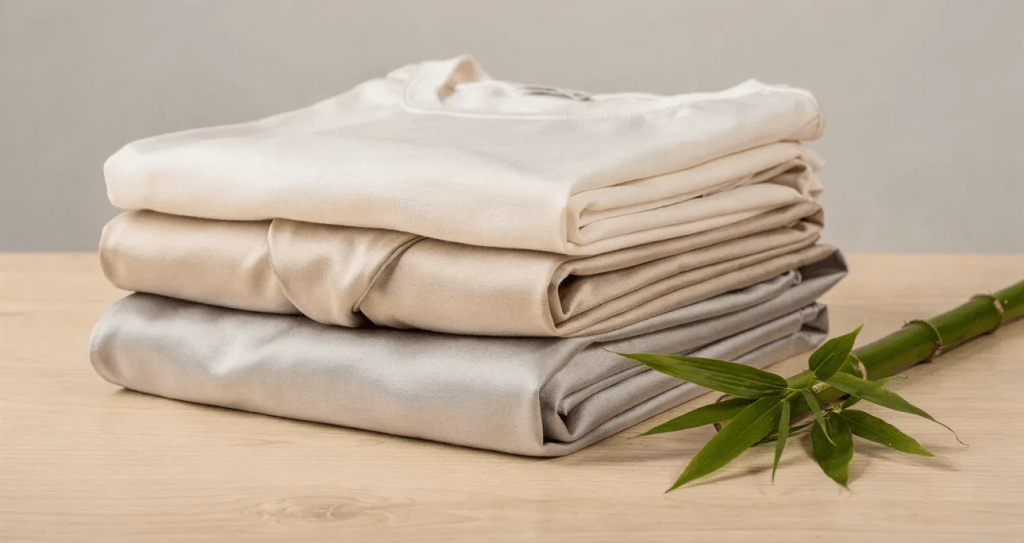
Bamboo viscose, also called bamboo rayon, is a fabric made from regenerated cellulose fibers derived from bamboo plants. The process of converting bamboo into viscose fabric involves dissolving the plant’s cellulose and re-spinning it into fibers. These fibers are then used to create a soft, breathable, and durable fabric that is often used in apparel, bedding, and even towels.
Unlike conventional cotton, bamboo is a highly sustainable crop because it grows quickly without the need for pesticides or excessive water. This makes bamboo viscose an attractive alternative to traditional fabrics, especially for those looking to reduce their environmental footprint.
For apparel brands, bamboo viscose is valued for:
- Exceptional softness (often compared to silk)
- Breathability and moisture absorption
- Smooth drape ideal for loungewear and underwear
Why Bamboo Viscose Stands Out
So, what makes this fabric so special? It all comes down to a few key features that have a real impact on your comfort and sleep quality.
- Exceptional Softness: The fibres are naturally round and smooth, which is why the fabric feels so silky and doesn’t irritate the skin.
- High Breathability: It’s a wonderfully breathable material, allowing air to circulate freely. This helps regulate your body temperature for a far more comfortable night’s sleep.
- Moisture-Wicking: The fabric is fantastic at pulling moisture away from the skin, keeping you feeling dry and fresh all night long.
The below gives you a bird’s-eye view of how woody bamboo is turned into that finished, silky-smooth fabric.
The key points about Bamboo Viscose Fabric:
| Category | Details |
|---|---|
| What is Bamboo Viscose? | A type of rayon made from cellulose extracted from bamboo, known for breathability, moisture-wicking, and softness. |
| Fabric Composition | – 100% Bamboo Viscose – Bamboo Viscose / Wool Blend – Bamboo Viscose / Polyester Blend – Multi-Blend (Cotton, Wool, Tencel, etc.) |
| Thread Count Variations | – Lightweight (30s-60s): Sheer tops, scarves, underwear (Focus: Softness, breathability) – Medium-weight (80s-120s): T-shirts, dresses (Focus: Comfort, durability) – Heavyweight (140s-200s): Sweatshirts, towels, blankets (Focus: Warmth, durability) |
| Breathability | Highly breathable |
| Moisture-wicking Ability | Moderately effective; polyester blends improve moisture control |
| Heat Retention Ability | Excellent |
| Stretchability | High stretch |
| Prone to Pilling/Bubbling | Prone to pilling, especially 100% bamboo versions due to softer, longer fibers |
| Where First Produced | East Asian Countries |
| Largest Producing Country | China |
| Recommended Washing Temperature | – Best: Cold water (30°C or below) – Acceptable: Warm water (up to 40°C) for heavily soiled items – Check garment care label |
| Common Applications | – Clothing: Activewear, underwear, sleepwear, daily wear – Home Textiles: Bedding, towels, rugs, blankets – Other: Face masks, medical supplies, upholstery |
Is Bamboo Viscose Sustainable?
The sustainability of bamboo viscose significantly depends on how the fabric is produced. When made using closed-loop systems, bamboo viscose can be a truly eco-conscious option. In these advanced systems, chemicals are efficiently captured and reused, preventing them from being released into the environment.
Sustainability depends on:
- Factory regulation: Ethical factories adhere to strict regulations, limiting emissions and treating wastewater to high standards.
- Certifications: Trustworthy products often carry certifications like OEKO-TEX® and FSC®, which provide independent verification of responsible practices.
- Alternative fibres: Innovations like bamboo lyocell (processed similarly to TENCEL™) represent even more advanced closed-loop methods, offering enhanced sustainability.
The Production Process of Bamboo Viscose
The transformation of bamboo into fabric involves five key stages, each with its own technical and environmental impact.
| Stage | Description | Key Considerations |
|---|---|---|
| 1. Harvesting | Bamboo is cut, chipped, and dried after 3–5 years of growth. | Renewable feedstock, minimal pesticide use, low land impact. |
| 2. Pulping | Bamboo chips are crushed and steamed to separate cellulose. | High energy and water use; produces solid waste from lignin and hemicellulose. |
| 3. Chemical Dissolving | Cellulose is treated with sodium hydroxide (NaOH) and carbon disulfide (CS₂) to form viscose solution. | Toxic by-products if solvent recovery < 90%; important for worker safety. |
| 4. Extrusion & Regeneration | Viscose is extruded into an acid bath (H₂SO₄) to regenerate cellulose filaments. | Fiber quality is affected by solution purity, filtration, and acid control. |
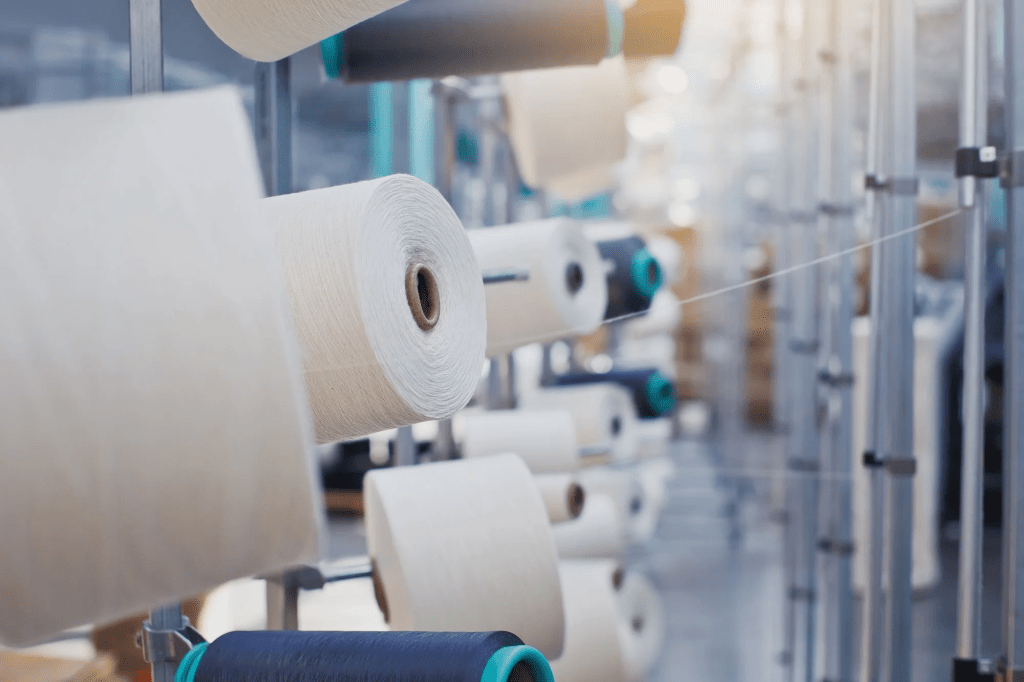
| 5. Spinning & Weaving | Regenerated fibers are spun into yarns and woven or knitted into fabric. | Affects mechanical strength, feel, and final fabric drape. |
Technical Snapshot:
- NaOH concentration: 15–18%
- CS₂ dosage: 30–40% of cellulose weight
- Bath temperature: 45–55°C
- Fiber yield: 90–92% of dry cellulose
- Linear density: 1.5–3.3 dtex
This process combines bamboo’s renewable nature with high-energy and chemical-intensive stages, impacting both the final fabric quality and environmental sustainability.
Pros & Cons of Bamboo Viscose
| Aspect | Advantages | Disadvantages |
|---|---|---|
| Comfort & Aesthetics | Silky, smooth feel; drapes like silk | May lose luster without soft finishing |
| Breathability & Moisture Control | Excellent air permeability; absorbs 3x more moisture than cotton | Slower drying time; prone to swelling when wet |
| Eco-Image & Marketing | Renewable bamboo source supports eco-friendly branding | Chemical-intensive viscose process may contradict eco claims |
| Market Positioning | Premium appeal; aligns with wellness-oriented brands | 15–30% higher raw material cost than cotton or polyester |
| Durability & Handling | Moderate wet strength; can be blended for added stability | May weaken with repeated hot washes |
| Maintenance & Care | Naturally wrinkle-resistant; easy to iron | Sensitive to bleach and high-heat tumble drying |
Newasia Garment Co., Ltd.: A Trusted Manufacturer of Bamboo Viscose
As a leading manufacturer of bamboo viscose fabrics, Newasia Garment Co., Ltd. is committed to producing high-quality, eco-friendly textiles. With years of experience in the textile industry, we have built strong partnerships with some of the world’s most recognized brands, including American Eagle Outfitters, Uniqlo, Zara, Gap, Levi’s, and Lee.
Our state-of-the-art manufacturing facilities are designed to ensure that every product we create meets the highest standards of quality, sustainability, and ethical production. From small-batch orders to large-scale production runs, we provide our clients with reliable and consistent products that they can trust.
Partnering with Leading Brands
Newasia Garment Co., Ltd. has become a trusted partner for top global brands in the fashion industry. Our long-term relationships with brands like Uniqlo, Zara, Levi’s, and Gap are a testament to our ability to deliver premium bamboo viscose products that meet the rigorous demands of the global market.
Why Work with Us?
- Sustainability: We adhere to strict environmental standards in every aspect of our bamboo viscose production.
- High Quality: Our fabrics undergo thorough quality control checks, ensuring premium quality in every batch.
- Global Experience: With years of experience working with international brands, we understand the complexities of global supply chains and can meet the needs of large-scale production.
- Ethical Manufacturing: We ensure fair labor practices and environmentally responsible manufacturing processes at every step.
Newasia Garment Co., Ltd. Quality Standards
You deserve tees that look great, feel amazing, and last long. Newasia Garment Co., Ltd. goes the extra mile to ensure every bamboo viscose product meets the highest standards. Here’s how:
- Advanced Inspection: Newasia uses state-of-the-art machines to inspect every roll of fabric upon arrival.
- Skilled Quality Control: Expert inspectors oversee every stage—sewing, ironing, and packaging—to ensure no flaws are missed.
- Certifications: Newasia holds key certifications like BSCI, GOTS,ensuring fabrics are safe, organic, and free from harmful chemicals.
- Durability Testing: Their internal lab tests show that Newasia bamboo tees maintain 90% of their softness even after 50 washes.
- Eco-friendly Methods: Newasia prioritizes sustainable production and avoids harsh chemicals. They also offer custom sizing and fast production, ensuring a perfect fit.
When you choose Newasia Garment Co., Ltd., you’re getting top-tier comfort, safety, and a commitment to quality in every tee.
Why Choose Us
 Independent base We have our own laboratory and can independently develop fabrics , China  Professional certification Certification: ISO 9001, ISO 14001,BSCI,GRS |
 Full-equipped Full-equipped, from fiber manufacturing, yarn spinning, weaving, dyeing and processing to finished product production  Rich experience Professional, large and experienced design team, combined with the latest artificial intelligence technology |
 Our Facilities 12,000 skilled employees, daily production capacity exceeds 100,000 pieces  Fashion exhibition Participated in domestic and foreign fashion weeks and exhibitions many times |
Trusted by Global Clients
How Do We Guarantee the Quality
Our quality assurance begins with designing and planning, then continues through every step of the production and post-production inspections. Delivery is not an ending. We still offer money-back guarantee for quality issues.
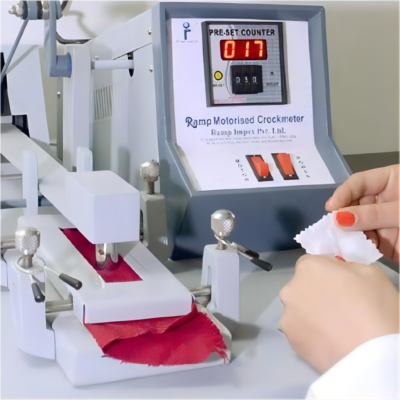
When sourcing fabrics, we will check all related fabric certificates from our suppliers.
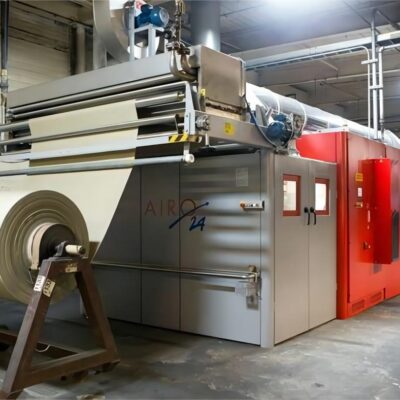
We make sure the fabric is well pre-washed to meet the standards before cutting.
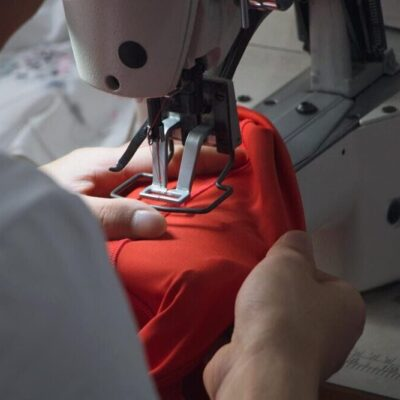
All our workers are well-trained and have many years of experience in the garment industry. They are all local workers with high stability.
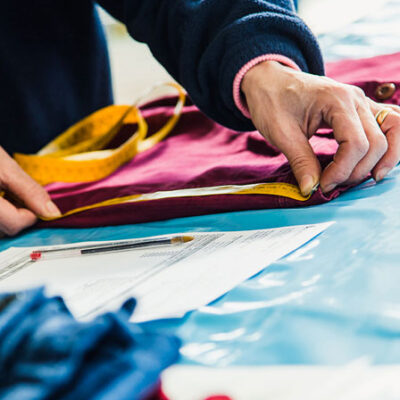
Our quality team will follow SOPs to conduct five times of quality checks before shipping.
Frequently Asked Questions
Q1: What is your Minimum Order Quantity (MOQ)?
We specialize in flexible production solutions to support emerging brands and growing businesses.
You can mix colors and sizes within the same style and fabric for greater flexibility.
For highly customised or technical garments (such as specialised denim washes or intricate embroidery), MOQ requirements may range from 200 to 300 units.
Our standard MOQ ranges from 100 to 300 units per design, depending on fabric availability and production complexity.
For best pricing efficiency, MOQ is typically based on 300 per style per colour.
Q2: What Services Do You Offer?
We provide full-cycle fashion support, including:
Sustainability Consulting: Eco-fabric sourcing, ethical production planning.
Sourcing: Local and global raw material, fabric R&D, and procurement (trims) with cost optimization.
Manufacturing: Custom manufacturing with quality control checkpoints.
Design & Development: Assistance with tech packs, trend research, and collection building.
Logistics: Shipping coordination to your warehouse or 3PL.
Q3: Can I Customize My Designs Fully?
We work with both OEM (your design, our production) and ODM (our templates customized for you) models. Customization options include:
Labels, hangtags, branded packaging
Fabric type and color
Fit and sizing
Printing (screen, DTG, sublimation, embroidery)
Accessories (zippers, buttons, cords)
Q4: What are your sustainability practices?
We’re committed to responsible manufacturing through:
Energy-efficient production technology
Waste reduction programs and ethical labor practices (BSCI certified)
GOTS-certified organic cotton and recycled material options
OEKO-TEX® certified dyes and processing
Q5: What Are Your Lead Times?
For in-stock items: ships worldwide within 3–7 days For custom orders: production lead time 15–30 days Urgent / Express Options: Available at a premium. Timing can vary depending on fabric development, approval cycles, and order complexity.
Q6: What is your production capacity?
Our facility employs 12,000 skilled employees, daily production capacity exceeds 100,000 pieces. We handle orders from 100 pieces to 50,000+ units across:
Technical apparel
Activewear and sportswear
Denim and casual wear
Children’s clothing
Q7: Where are your garments produced?
Our headquarters are based in China, where we operate our own vertically integrated factory. Our infrastructure and strategically placed worldwide manufacturing facilities allow us to offer extremely competitive pricing for fully custom clothing. offer flexible production options tailored to your needs. All manufacturing is supervised by our quality control team to ensure consistent standards
The Environmental Impact of Bamboo Viscose Production
While bamboo itself is a sustainable crop, the chemical-intensive process involved in producing bamboo viscose raises environmental concerns. The chemicals used in the production process, such as sodium hydroxide and carbon disulfide, can be harmful to the environment if not properly managed.
However, some manufacturers are adopting more sustainable practices by implementing closed-loop systems, where the chemicals are reused and recycled. These efforts help minimize waste and pollution, making bamboo viscose a more eco-friendly option in comparison to traditional synthetic fabrics.
Conclusion
Bamboo viscose is more than just a fabric; it’s a step toward a more sustainable future for the fashion and textile industries. By choosing bamboo viscose, you are not only selecting a material that is soft, breathable, and eco-friendly, but you are also supporting a more sustainable production process.
At Newasia Garment Co., Ltd., we are proud to be at the forefront of bamboo viscose manufacturing, providing high-quality products for global brands like Uniqlo, Zara, and Levi’s. Whether you are a fashion brand looking to add sustainable materials to your collection or a consumer looking for eco-friendly clothing options, bamboo viscose is a perfect choice.Reach out to us today to learn more about our sustainable fabric offerings and how we can support your eco-friendly product development.
Read more: Bamboo Viscose Production Process Explained: From Raw Bamboo to Fabric
- How to Research Fashion Trends for Your Brand in 2026
- Sustainable Fabric Innovations: The Future of Eco-Friendly Textiles
- Enhancing Antimicrobial Finishes Durability: Market Demand and Future Trends
- Why Choose Phase-Change Materials in Textiles For Apparel?
- Workwear Fabric Regulations: A Complete Compliance Guide for Global Brands