

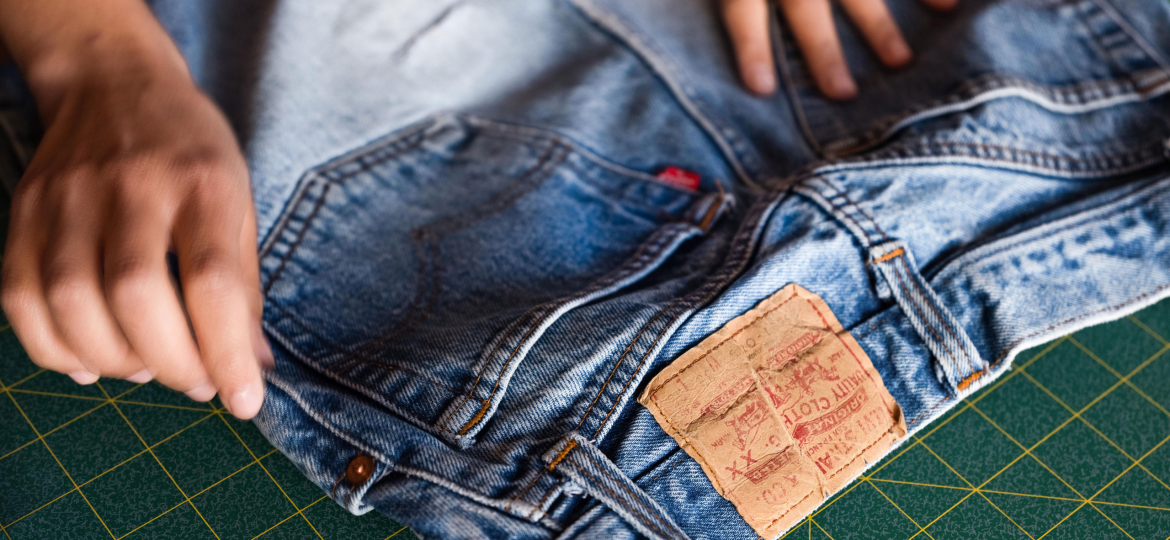
For emerging fashion brands, inventory is often the biggest operational risk. Overordering hurts cash flow, while underordering can limit growth when products suddenly gain traction on TikTok, Instagram, Shopify, or Amazon.
Leading apparel companies like Zara and Levi’s solve this challenge through Quick Response (QR) manufacturing — a flexible production model based on small-batch orders, rapid replenishment, and real-time demand feedback.
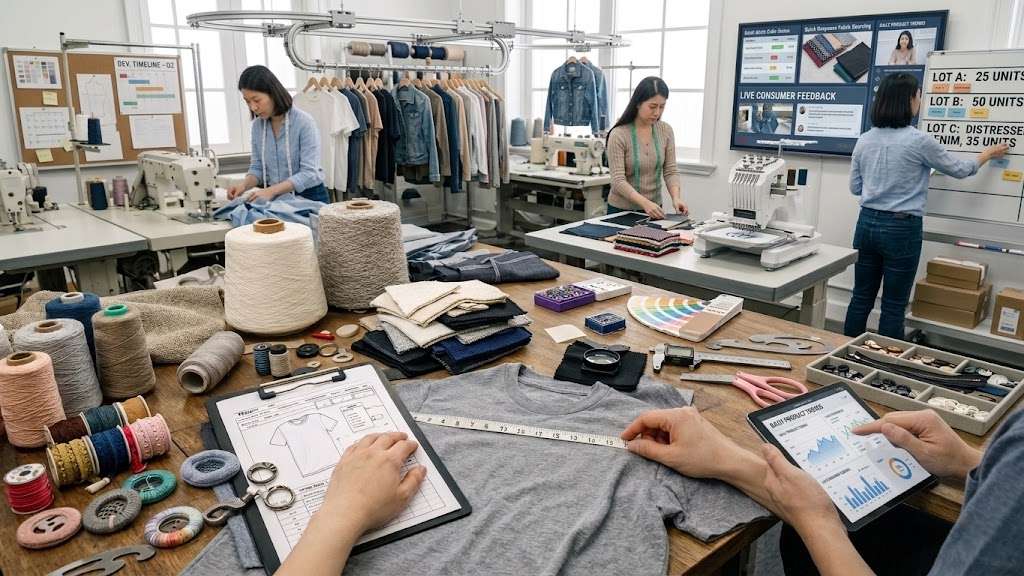
At Newasia Garment Co.,Ltd., we help emerging fashion brands build agile and scalable manufacturing systems inspired by global industry leaders. As a manufacturing partner for brands including American Eagle, Uniqlo, Zara, Gap, Levi’s, and Lee, we support low-MOQ production, fast development, and responsive supply chain solutions for growing apparel businesses.
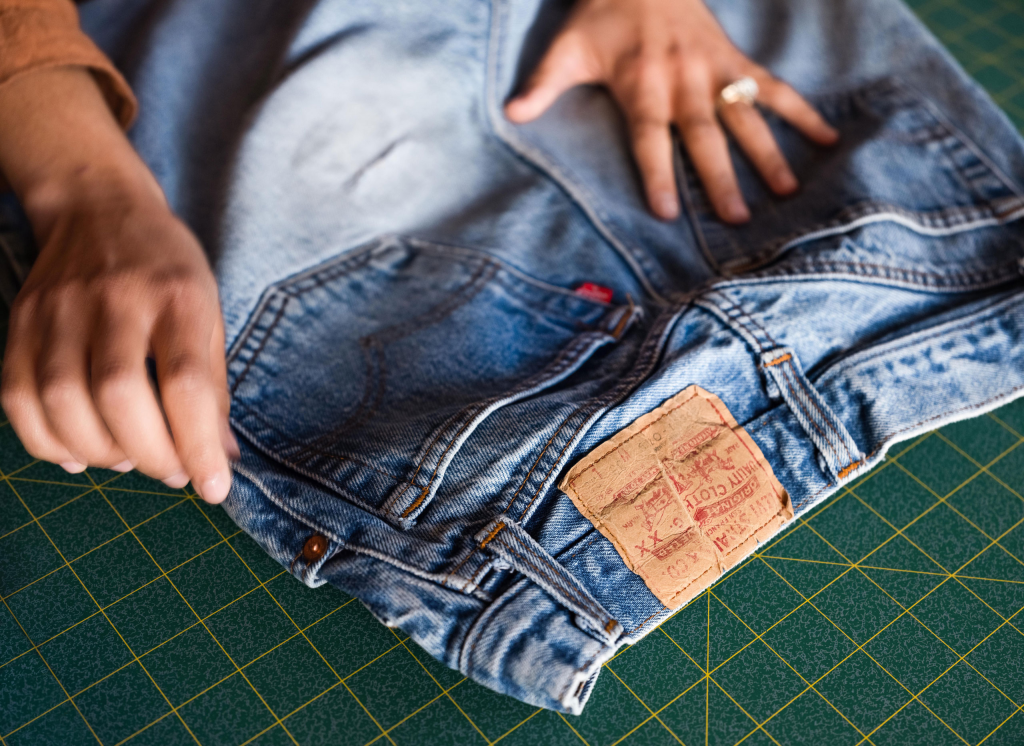
What Is Quick Response Manufacturing in Fashion?
Quick response manufacturing (QRM) is a production strategy that focuses on:
- Short production lead times
- Small batch production
- Rapid replenishment cycles
- Demand-driven manufacturing
Unlike traditional mass production, QRM reduces inventory risk and improves responsiveness to market trends.
Brands like Zara built their global success on this model by linking design, production, and retail feedback in a tightly integrated system.
Why Zara and Levi’s Succeed with Agile Supply Chains
The success of Zara and Levi’s comes from three key capabilities:
1. Fast Design-to-Production Cycle
They can turn design concepts into finished garments in weeks instead of months.
2. Small Batch Testing
New styles are produced in limited quantities to test demand before scaling.
3. Responsive Reordering
Best-selling items are quickly re-produced based on real-time sales data.
This reduces overproduction and increases sell-through rates.
How Zara Built a Quick Response Manufacturing System
Zara’s success comes from its ability to react quickly to market demand. Instead of producing massive quantities upfront, Zara uses a small-batch production strategy combined with rapid replenishment systems.
Key elements include:
- rapid sampling
- flexible supplier networks
- short production cycles
- real-time sales feedback
- scalable replenishment
This allows Zara to test products quickly and restock winning styles within days instead of months.
What Emerging Brands Can Learn from Zara and Levi’s
1. Speed Beats Perfection
Zara built its reputation on moving designs from concept to store in as little as 2–4 weeks. The goal is not perfection—it is speed to market and iteration based on real customer feedback.
Emerging brands should prioritize:
- Faster sampling cycles
- Simplified design approvals
- Reduced pre-production delays
2. Data-Driven Design Decisions
Instead of relying on seasonal forecasting, leading brands now analyze:
- Store-level sales data
- Online browsing behavior
- Social media trends
- Real-time SKU performance
This allows production decisions to be based on actual demand signals, not assumptions.
3. Vertical Integration or Tight Supplier Control
One reason Zara is so responsive is its tight control over suppliers and production workflows.
While full vertical integration may not be realistic for startups, emerging brands can still:
- Negotiate priority production slots
- Work with 1–3 trusted factories instead of many
- Build long-term supplier relationships
Who Should Consider Small Batch Manufacturing?
Small batch manufacturing is ideal for:
- First-time fashion designers building their debut line
- Established brands testing new styles or concepts
- Designers prioritizing sustainability and waste reduction
- Creatives focused on limited-edition, high-quality garments
If you’re working with a modest budget or want to maintain tight control over production, small batch production gives you that flexibility. You can test the market, refine your designs, and scale only when you’re ready.
Why Zara Became the Gold Standard for Fast Fashion Manufacturing
Zara revolutionized apparel manufacturing through its vertically integrated and highly responsive supply chain.
Unlike traditional fashion brands that operate on 6–12 month production calendars, Zara can move a design from concept to retail shelves in as little as 2–4 weeks.
Key Strategies Zara Uses
1. Small Initial Production Runs
Zara intentionally produces limited quantities first.
Benefits include:
- Lower inventory risk
- Artificial scarcity
- Faster trend testing
- Reduced markdowns
If a product performs well, production is quickly scaled.
If it fails, losses remain minimal.
2. Fast Feedback Loops
Store managers constantly report customer behavior and sales data back to headquarters.
This allows Zara to:
- Detect trends instantly
- Adjust styles rapidly
- Replenish winning products fast
- Cancel weak-performing designs early
For startup brands, Shopify analytics, TikTok engagement, and customer reviews can serve the same purpose.
3. Flexible Manufacturing Networks
Rather than outsourcing everything to ultra-low-cost factories overseas, Zara balances production across:
- Nearshore suppliers
- Regional factories
- Quick-turn manufacturing partners
This flexibility dramatically shortens lead times.
How Levi’s Uses Agile Manufacturing for Modern Denim Production
While Levi Strauss & Co. is known for heritage denim, the company has also embraced modern agile manufacturing strategies.
Levi’s combines:
- Demand forecasting
- Flexible sourcing
- Data-driven inventory management
- Sustainable production technologies
This helps reduce overproduction while improving speed-to-market.
What Emerging Brands Can Learn from Levi’s
1. Demand-Driven Production
Levi’s increasingly uses sales forecasting and consumer data to guide manufacturing decisions.
Emerging brands can apply this through:
- Pre-orders
- Crowdfunding campaigns
- Limited drops
- Social media testing
This reduces financial risk before scaling production.
2. Supplier Diversification
Levi’s avoids relying on a single supplier or region.
New brands should also diversify manufacturing partners to avoid:
- Delays
- Tariff risks
- Supply chain disruptions
- Quality inconsistency
3. Sustainable Small-Batch Manufacturing
Modern consumers care about sustainability.
Small-batch production naturally supports:
- Less deadstock
- Reduced fabric waste
- Lower carbon footprint
- Better inventory efficiency
This also strengthens brand storytelling and SEO visibility.
Why Small-Batch Manufacturing Is Ideal for Emerging Fashion Brands
| Key Area | Explanation | Why It Matters for Startup Brands |
|---|---|---|
| Reduced Inventory Risk | Producing smaller quantities avoids overstock and unsold inventory buildup | Protects cash flow and reduces financial losses from poor-selling items |
| Faster Trend Adaptation | Enables quick response to viral trends, seasonal shifts, influencer drops, and social media demand | Helps brands stay relevant and capitalize on TikTok/Instagram-driven spikes |
| Better Cash Flow | Lower minimum order quantities (MOQs) reduce upfront capital requirements | Frees up budget for marketing, branding, and growth activities |
| Stronger Brand Exclusivity | Limited production creates scarcity and urgency in the market | Improves conversion rates, perceived value, and repeat purchases |
How Emerging Clothing Brands Can Replicate This Model
Small and mid-sized brands cannot replicate Zara’s internal infrastructure—but they can replicate its supply chain logic.
Step 1: Work with Flexible Manufacturers
Brands must partner with factories capable of:
- Low MOQ (minimum order quantity)
- Fast sampling (3–7 days)
- Short production cycles
- Fabric flexibility and sourcing speed
Step 2: Build a Demand-Driven Product Strategy
Instead of producing large seasonal collections, brands should:
- Launch small capsule collections
- Test designs in small batches
- Scale only proven products
Step 3: Use Data to Drive Production
Sales data from online stores should directly influence:
- Restock decisions
- Color/size expansion
- Product discontinuation
Key Requirements for Small-Batch Quick Response Manufacturing
To successfully implement this model, brands need:
- Agile supply chain partners
- Stable fabric sourcing network
- Efficient sampling system
- Strong communication between design and production teams
Without these, fast response manufacturing cannot work.
The 5 Core Elements of Agile Apparel Manufacturing
1. Flexible Small-Batch Production
Producing smaller quantities helps brands reduce inventory risk while testing customer demand.
2. Rapid Sampling & Development
Fast sample turnaround allows brands to move from idea to launch much faster.
3. Low MOQ Manufacturing
Emerging brands need suppliers that support lower minimum order quantities.
4. Real-Time Communication
Quick response manufacturing depends on fast and transparent communication between brand and factory.
5. Scalable Production Systems
Once products succeed, brands need factories capable of scaling efficiently without sacrificing quality.
The Future of Fashion Manufacturing Is Agility
The fashion industry is shifting away from rigid mass production.
Modern brands increasingly prioritize:
- lower inventory exposure
- faster trend response
- smaller test launches
- data-driven replenishment
- flexible manufacturing partnerships
Emerging brands that adopt agile production systems early can compete more effectively against larger companies.
The goal is no longer simply producing clothing at scale.
The goal is building a responsive supply chain capable of adapting quickly to changing consumer demand.
Can Zara and Levi’s Models Be Replicated?
Let’s keep it real: most emerging clothing brands aren’t going to become Zara with a vertically integrated, lightning-fast supply chain, or Levi’s with 150+ years of brand equity and global denim dominance.
But here’s the important part: you’re not trying to copy them 1:1. You’re trying to extract the system thinking behind them.
Zara wins on speed and feedback loops. Levi’s wins on durability, brand heritage, and category ownership. Two very different playbooks—but both deeply intentional.
For emerging clothing brands, the opportunity is to combine the principles, not the scale.
Move like Zara, but on your scale. That means small-batch production, tight inventory control, and rapid testing instead of overcommitting to large seasonal drops. Your goal isn’t 24,000 designs a year—it’s reducing guesswork. Launch smaller collections, watch what sells, and iterate fast. Every product drop becomes a live experiment, not a final answer.
Stay closer to your customer than Levi’s ever had to in its early decades. Use direct feedback loops—social media comments, preorder data, waitlists, returns—to shape your next production cycle. The faster you learn, the less you waste.
Build flexibility into manufacturing from day one. That might mean working with local factories, using on-demand production, or keeping fabric stock semi-ready instead of fully committed. The point is optionality—being able to shift direction without burning inventory.
And finally, keep your “strategic silence.” You don’t need constant hype or overproduction of collections. Levi’s proved that consistency and identity can outperform noise. Zara proved that responsiveness can beat prediction. Your edge is choosing where you sit between those two extremes.
If you apply even 10% of this mindset—speed where it matters, discipline where it counts—you won’t be copying Zara or Levi’s. You’ll be building a version of fashion that actually fits how modern consumers behave.
How Newasia Garment Helps Brands Manufacture Like Zara
At Newasia Garment Co.,Ltd., we help emerging fashion brands build agile manufacturing systems inspired by the operational principles used by global apparel leaders.
We specialize in:
- flexible small-batch manufacturing
- low MOQ production
- rapid sampling
- OEM & ODM services
- fast replenishment support
- scalable apparel production
Our manufacturing workflows are designed to help brands reduce inventory risk while improving speed to market.
Why Emerging Brands Choose Newasia Garment
Growing brands need more than a supplier.
They need a manufacturing partner capable of supporting:
- product testing
- rapid trend response
- flexible scaling
- quality consistency
- long-term growth
At Newasia Garment, we combine manufacturing expertise with agile production systems to help fashion brands compete in today’s fast-moving apparel market.
Certified Professional Clothing Producer
We are very proud of these certificates! They represent Newasia Garment Co.,Ltd. ’s amazing achievements and accreditations. They show how much we care about quality, safety, and professionalism.
We’re proud to say that we have obtained BSCI and ISO 90001 certificates, and inspection certificates for filling materials such as down and cotton. We follow international standards throughout our production process and take responsibility for the quality of our products.
As one of China’s leading clothing manufacturers, we are pleased to be recognized by respected organizations. These certifications underscore our reliability as a trusted supplier to the global apparel industry.
Trusted Certificates:


Why Choose Us
 Independent base We have our own laboratory and can independently develop fabrics , China  Professional certification Certification: ISO 9001, ISO 14001,BSCI,GRS |  Full-equipped Full-equipped, from fiber manufacturing, yarn spinning, weaving, dyeing and processing to finished product production  Rich experience Professional, large and experienced design team, combined with the latest artificial intelligence technology |  Our Facilities 12,000 skilled employees, daily production capacity exceeds 100,000 pieces  Fashion exhibition Participated in domestic and foreign fashion weeks and exhibitions many times |
Trusted by Global Clients








How Do We Guarantee the Quality
Our quality assurance begins with designing and planning, then continues through every step of the production and post-production inspections. Delivery is not an ending. We still offer money-back guarantee for quality issues.
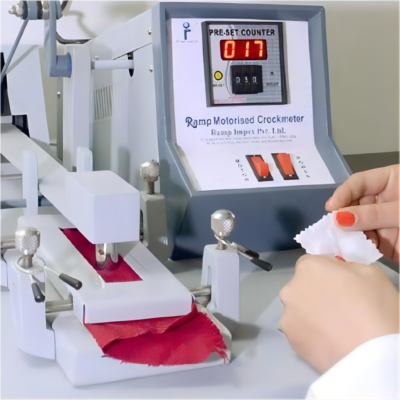
When sourcing fabrics, we will check all related fabric certificates from our suppliers.
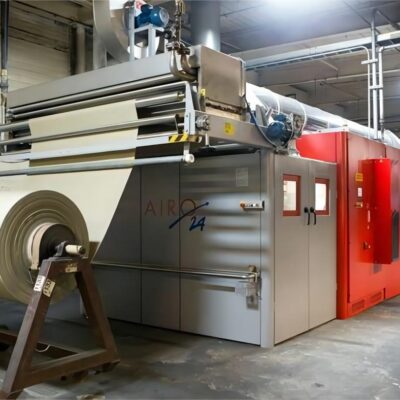
We make sure the fabric is well pre-washed to meet the standards before cutting.
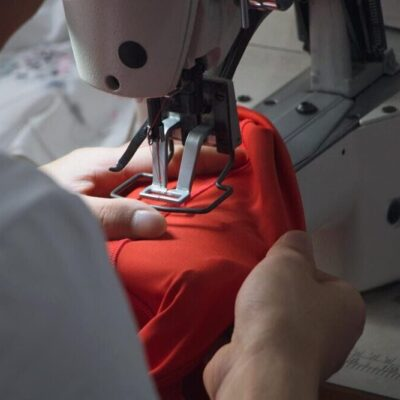
All our workers are well-trained and have many years of experience in the garment industry. They are all local workers with high stability.
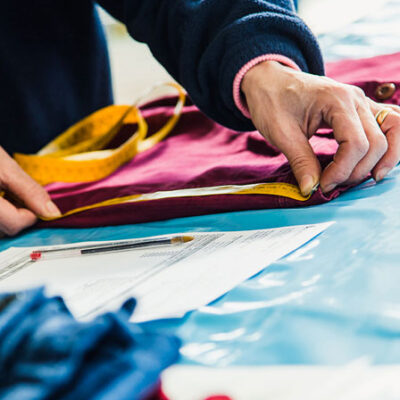
Our quality team will follow SOPs to conduct five times of quality checks before shipping.
Frequently Asked Questions
Q1:What is flexible small-batch manufacturing?
Flexible small-batch manufacturing allows brands to produce smaller quantities while maintaining fast turnaround and scalable production capability.
Q2:Why do emerging brands prefer low MOQ clothing manufacturers?
Low MOQ production reduces financial risk and allows brands to test products before committing to large inventory volumes.
Q3:How fast can apparel samples be completed?
At Newasia Garment, sample development typically takes 5–10 days depending on product complexity.
Q4:Can small brands replicate Zara’s manufacturing model?
While smaller brands cannot fully replicate Zara’s scale, they can adopt similar agile manufacturing principles through flexible production partners.
Q5: Can small or emerging brands really replicate Zara or Levi’s production model?
Most emerging brands can’t replicate Zara’s global scale or Levi’s long-established supply chain and brand dominance 1:1.
However, they can replicate the operating principles:
- Zara’s speed + demand responsiveness
- Levi’s product discipline + category consistency
The goal is not copying scale, but adopting systems of agility and durability.
Q6: How do brands replicate Zara’s fast-response system at a smaller scale?
Zara’s strength is speed-to-market driven by feedback loops.
Emerging brands can replicate this by:
- Using preorder or waitlist data to guide production
- Tracking real-time sales and engagement per SKU
- Running micro-drops instead of seasonal collections
- Working with manufacturers that support low MOQ and fast turnaround
- Reordering bestsellers quickly instead of overproducing upfront
The key is shortening the “idea → market → feedback → adjustment” cycle.
Q7: How do brands apply Levi’s approach to product longevity and consistency?
Levi’s wins through timeless products and strong category identity (especially denim).
Emerging brands can replicate this by:
- Building 1–2 core “hero products” (e.g., signature jeans, signature hoodie)
- Maintaining consistent fits across seasons
- Avoiding constant redesign for core items
- Investing in fabric quality and repeatable patterns
- Treating certain SKUs as long-term assets, not one-off drops
This balances the “fast fashion loop” with long-term brand equity.
Q8: What manufacturing setup supports this hybrid model?
A flexible production system typically includes:
- OEM factories for scaling proven designs
- ODM partners for rapid prototyping and base templates
- Low MOQ production (50–300 units per style)
- Local or nearshore sampling for speed
- Tiered suppliers (fast vs. premium lead time options)
The goal is optionality: scale winners, pause losers quickly.
Q9: How important is inventory strategy in this model?
Critical. Inventory is where most emerging brands fail.
Best practice:
- Produce in smaller initial batches
- Reserve capacity for reorders instead of overstocking
- Use phased releases (Drop 1 → Drop 2 expansion)
- Keep raw material flexibility where possible
- Avoid tying capital into untested designs
This is where Zara’s discipline becomes most valuable at small scale.
Q10: Can sustainability coexist with fast, small-batch production?
Yes—but only if built into the system intentionally.
Practical approaches include:
- Producing closer to demand (less waste)
- Using certified materials in repeatable core styles
- Avoiding overproduction through tighter forecasting loops
- Working with factories that support ethical audits (e.g., BSCI-aligned partners)
- Reordering winners instead of discarding unsold inventory
Efficiency itself becomes a sustainability lever.
Conclusion
In a market saturated with generic clothing, consumers reward brands that offer relevance, speed, and uncompromising quality. You no longer need a multi-million dollar supply chain budget to compete with industry giants. By adopting a postponement strategy, managing modular designs, and leveraging an agile manufacturing partner, your brand can effectively operate with the speed of Zara and the precision of Levi’s.
Don’t let rigid supply chains anchor your brand’s growth. Maximize your cash flow, slash your market risk, and scale your brand with institutional-grade production.
Ready to build a responsive supply chain? Contact Newasia Garment Co.,Ltd. today to consult with our production engineers, optimize your development roadmap, and deploy small-batch, quick-response manufacturing for your brand.
- How to Validate Pocket Function and Placement Before Bulk Production
- How to Standardize Fabric Hand Feel Across Production Lots
- Movement Fit Testing for Apparel: How to Check Ride-Up, Slippage, and Range of Motion
- Pre-Production Sample Approval: What Brands Should Lock Before Bulk Production
- Custom Sports Jersey Manufacturing Quality Control: A Global Manufacturing Guide