

You remember when Levi’s jeans stood for durability, toughness, and iconic American craftsmanship. The thick denim, perfect fit, and authenticity felt unmistakable. But now, the fabric is lighter, the fit off, and the quality doesn’t hit the same mark.
The truth is, Levi’s stopped producing in the U.S. in 2003. That year, the company closed its last American factories, including the San Antonio, Texas plant that made the classic 501 Shrink-to-Fit model. This marked the end of an era for American-made Levi’s.
The move was driven by economic pressures: cheaper competition, lower overseas labor costs, and global supply chain efficiencies. Production shifted to Mexico and later Asia, allowing Levi’s to cut costs, but it came at the expense of quality. What was once a symbol of American craftsmanship became associated with mass-produced goods.
The company’s focus shifted from creating durable, long-lasting jeans to achieving lower price points for a broader market. This wasn’t just a location change—it reflected a fundamental shift in the brand’s philosophy. For those who valued Levi’s as a piece of American heritage, this change was hard to accept.
2003 wasn’t just when Levi’s left the U.S.—it marked the loss of American-made denim quality and the shift in what it meant to own a pair of Levi’s.
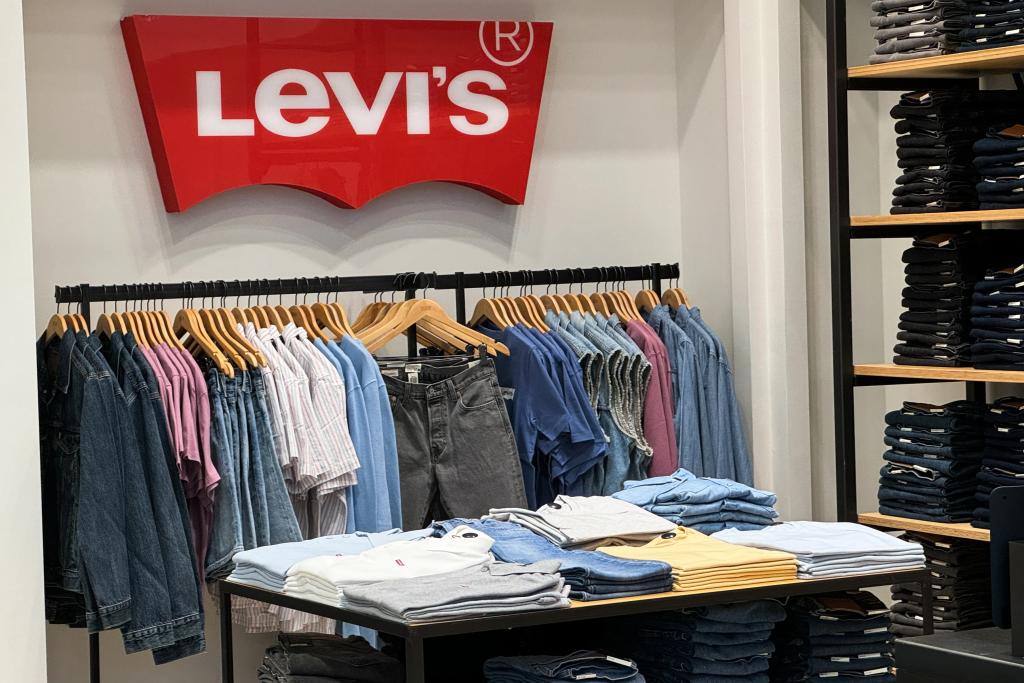
The Decline of Domestic Manufacturing
The pivotal moment for Levi’s and its American manufacturing came in 2003. That year, Levi Strauss & Co. closed its last major US production facilities. This included the plant in San Antonio, Texas, which had been making the signature 501 Shrink-to-Fit jeans up until its final days. The closure wasn’t just an isolated event for Levi’s—it was part of a larger trend in the apparel industry.
The Forces Behind the Shift
The decision to close US factories and move production overseas was driven by economic pressures. The cost of manufacturing in the United States, combined with competition from cheaper brands and the lure of lower labor costs overseas, led Levi’s to make the difficult choice to relocate production to other countries. By moving to Mexico, and later to various countries in Asia, Levi’s was able to reduce costs significantly, making their products more affordable for a global market.
However, this move came at a significant cost—the quality of the jeans changed dramatically. While Levi’s had long been known for durability and quality, the focus shifted from craftsmanship to cost-saving, mass-production strategies. As the company outsourced production, the product quality began to differ from the robust, time-tested American-made versions of the past.
When Did Levi’s Stop Manufacturing in the US?
The major shift happened in 2003.
That year, Levi Strauss & Co. closed its last large-scale U.S. manufacturing plants, ending more than a century of domestic production.
The final factories closed included:
- San Antonio, Texas
- El Paso, Texas
After 2003, most Levi’s garments were produced outside the United States.
However, Levi’s has occasionally released limited “Made in USA” collections, but these are small-scale specialty productions rather than mass manufacturing.
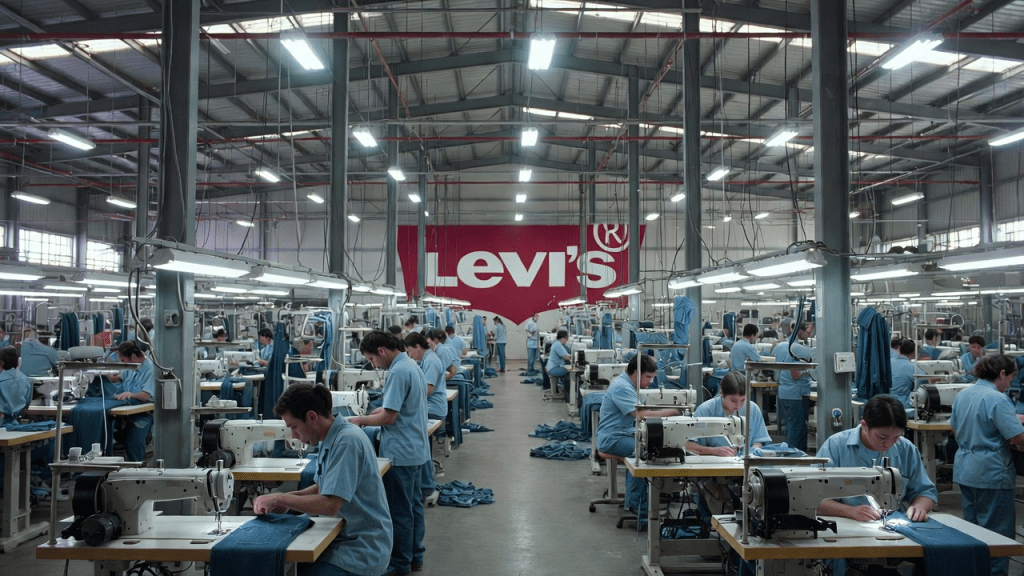
Why Did Levi’s Move Production Overseas?
The shift away from American manufacturing was part of a broader trend in the apparel industry. As globalization took hold, many companies sought to cut costs by outsourcing production to countries with cheaper labor and less stringent regulations. For Levi’s, this move was crucial in maintaining its position in the highly competitive denim market.
Several factors contributed to Levi’s decision to stop manufacturing in the U.S.:
- Rising Labor Costs: As wages and benefits in the U.S. increased, companies like Levi’s faced pressure to keep their costs in check.
- Globalization: As brands expanded internationally, it became necessary to establish manufacturing bases closer to key markets.
- Competitive Pressures: With brands like Gap and American Eagle offering lower-priced products, Levi’s had to reduce its production costs to stay competitive.
Levi’s Return to U.S. Manufacturing: A New Era
Fast forward to today, Levi’s has started to experiment with a return to American manufacturing. The brand has launched various initiatives aimed at creating products with a smaller environmental footprint, and some of these efforts have involved reviving U.S. manufacturing, particularly for its premium lines. The company’s “Levi’s Made & Crafted” collection and “Levi’s Vintage Clothing” are examples of products that are partially produced in the U.S., leveraging artisanal techniques and high-quality materials.
Despite the shift toward global production, Levi’s has also focused on sustainability, with projects such as their Water<Less technology, which reduces water usage in manufacturing. As a result, some production still takes place in the U.S. for these specific eco-friendly lines.
Is There Any Levi’s Denim Still Made in the USA?
While the vast majority of Levi’s jeans are now manufactured abroad, there is still a small, premium line of jeans that are made in the United States. Levi’s has created a specialized division called Levi’s Vintage Clothing (LVC), which focuses on faithfully reproducing the brand’s iconic models from specific years, down to the smallest details. These high-end reproductions are made in the USA using premium selvedge denim sourced from some of the most respected mills in the world.
The LVC line is designed for denim enthusiasts who crave the authenticity and quality that Levi’s once embodied. These jeans are made using vintage techniques, including hand-finishing and original stitching patterns. However, they come at a much higher price than regular Levi’s jeans, as you’re not only paying for the craftsmanship but also the nostalgia for a time when Levi’s was still made in the USA.
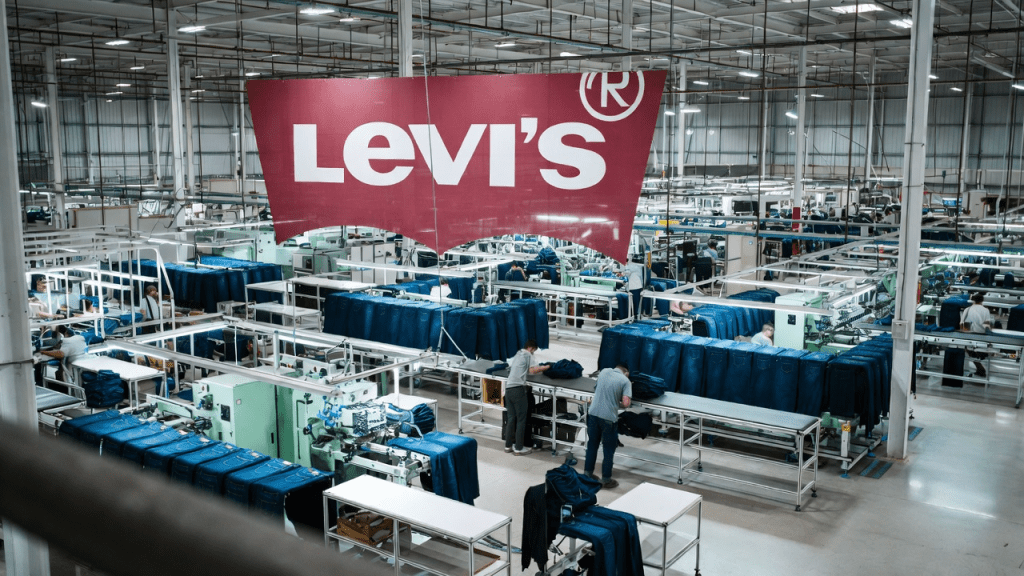
Where Are Levi’s Jeans Manufactured Today?
Today, Levi’s products are produced by a network of global manufacturing partners.
Production countries include:
- China
- Vietnam
- Bangladesh
- Pakistan
- Mexico
- Cambodia
These factories specialize in denim manufacturing, garment washing, and finishing techniques.
The modern apparel industry relies on experienced garment manufacturers capable of meeting strict quality standards and sustainability requirements.
The Evolution of Levi’s and What It Means for Consumers
Levi’s has had to evolve with the times, but the essence of the brand remains the same: high-quality, durable jeans that reflect the American spirit. While Levi’s no longer manufactures the majority of its products in the U.S., it has kept a strong connection to its heritage by maintaining the values of craftsmanship and innovation.
Consumers today may feel conflicted about the shift in manufacturing, but many are increasingly drawn to Levi’s commitment to sustainability, and its efforts to produce responsibly. As the global economy continues to evolve, brands like Levi’s are showing that manufacturing can still play a role in shaping the future of fashion, even if it’s not done entirely in one country.
The Impact of Levi’s Decision on American Manufacturing
Levi’s departure from American manufacturing marked a significant turning point for the U.S. garment industry. In the decades following Levi’s shift, many other American manufacturers followed suit, leading to a sharp decline in the number of apparel factories in the United States. While the move helped brands reduce production costs, it also led to job losses in traditional manufacturing hubs like the American South and Midwest.
Despite the challenges faced by American manufacturing, companies like Newasia Garment Co., Ltd. have continued to thrive by adapting to the new global landscape. As a key player in the apparel production industry, Newasia has maintained strong partnerships with leading brands across the globe, including Levi’s, Uniqlo, Zara, Gap, and Lee.
How Global Brands Choose Garment Manufacturers
Large apparel brands typically partner with experienced manufacturers that provide:
• large production capacity
• strict quality control
• sustainable manufacturing practices
• advanced washing and finishing techniques
• reliable global logistics
Choosing the right manufacturer is essential for maintaining brand reputation and product consistency.
Certified Professional Clothing Producer
We are very proud of these certificates! They represent Newasia Garment Co.,Ltd. ’s amazing achievements and accreditations. They show how much we care about quality, safety, and professionalism.
We’re proud to say that we have obtained BSCI and ISO 90001 certificates, and inspection certificates for filling materials such as down and cotton. We follow international standards throughout our production process and take responsibility for the quality of our products.
As one of China’s leading clothing manufacturers, we are pleased to be recognized by respected organizations. These certifications underscore our reliability as a trusted supplier to the global apparel industry.
Trusted Certificates:





Why Choose Us
 Independent base We have our own laboratory and can independently develop fabrics , China  Professional certification Certification: ISO 9001, ISO 14001,BSCI,GRS |
 Full-equipped Full-equipped, from fiber manufacturing, yarn spinning, weaving, dyeing and processing to finished product production  Rich experience Professional, large and experienced design team, combined with the latest artificial intelligence technology |
 Our Facilities 12,000 skilled employees, daily production capacity exceeds 100,000 pieces  Fashion exhibition Participated in domestic and foreign fashion weeks and exhibitions many times |
Trusted by Global Clients














How Do We Guarantee the Quality
Our quality assurance begins with designing and planning, then continues through every step of the production and post-production inspections. Delivery is not an ending. We still offer money-back guarantee for quality issues.

When sourcing fabrics, we will check all related fabric certificates from our suppliers.
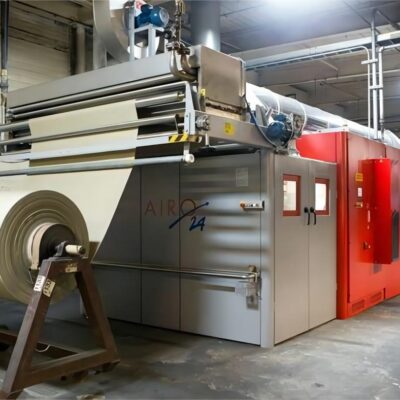
We make sure the fabric is well pre-washed to meet the standards before cutting.
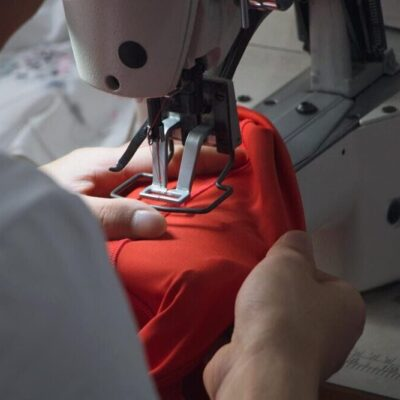
All our workers are well-trained and have many years of experience in the garment industry. They are all local workers with high stability.
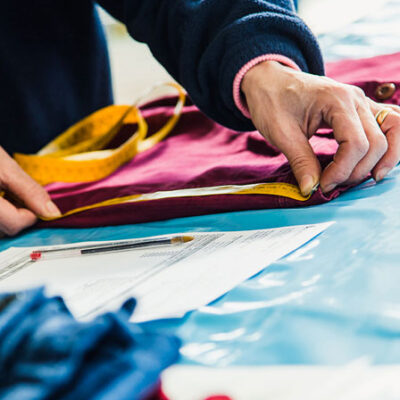
Our quality team will follow SOPs to conduct five times of quality checks before shipping.
Conclusion
Levi’s officially ended large-scale U.S. manufacturing in 2003, marking the end of an era in American denim production.
However, the global garment industry has evolved dramatically since then.
Today, international brands rely on professional global manufacturing partners to produce high-quality apparel at scale.
Companies like Newasia Garment Co.,Ltd. play an essential role in this global supply chain, providing expertise, production capacity, and reliability for some of the world’s most recognized fashion brands.
Read more: When Did Levi’s Stop Manufacturing in the US
- Custom T-Shirt Manufacturers China: Private Label Service for Your Brand
- Custom T-Shirt OEM China: Sample + Bulk One-Stop Service
- Best T-Shirt Manufacturers: India vs China (Global Compliance Guide 2026)
- T Shirt Manufacturing in Portugal vs China: Which is More Cost-Effective?
- Bangladesh vs China T-Shirt Manufacturers: Which Has Better Capacity for Large Orders?