

Introduction
UPF (Ultraviolet Protection Factor) certified clothing is becoming increasingly important for individuals seeking effective sun protection, particularly for outdoor activities and daily wear. Designed to block harmful UVA and UVB rays, UPF-rated apparel provides essential protection against sunburn and long-term skin damage, all while offering comfort and breathability.
If you’re looking for the best UPF-certified clothing, Newasia Garment Co., Ltd. is your trusted supplier. We specialize in offering high-quality, UPF-rated apparel that ensures maximum sun protection without compromising on comfort. Our garments undergo rigorous testing to meet industry standards, offering reliable protection that shields your skin from up to 98% of harmful UV radiation. With a variety of styles, sizes, and customizable options, we cater to fashion brands, corporate clients, and businesses in need of premium sun-protective apparel. Whether you’re developing a new collection or sourcing high-performance wear for outdoor enthusiasts, we’ve got you covered.
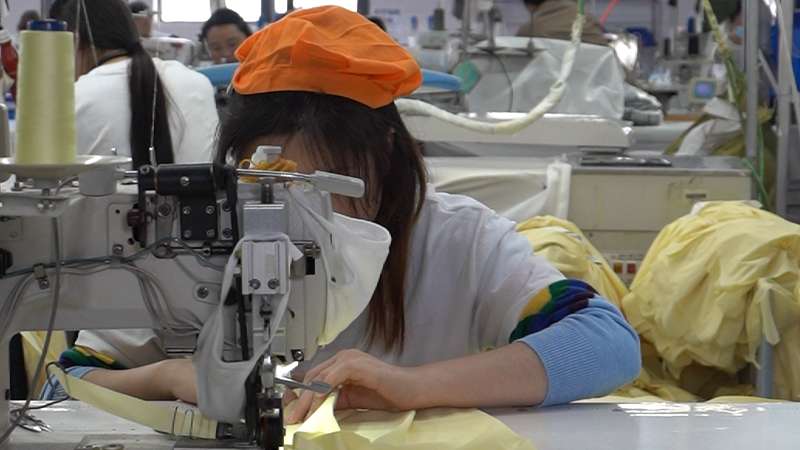
What is UPF (Ultraviolet Protection Factor)?
UPF stands for Ultraviolet Protection Factor, a rating system used to measure the effectiveness of fabric in blocking harmful UV radiation. While SPF (Sun Protection Factor) is commonly used to rate sunscreen, UPF measures the protection offered by clothing and textiles.
- UPF 15-20: Good protection.
- UPF 25-40: Very good protection.
- UPF 50+: Excellent protection.
The higher the UPF rating, the better the fabric blocks UV rays. Clothing with a UPF rating of 50+ blocks over 98% of UV radiation, making it the most effective choice for sun protection.
Advantages of UPF Clothing:
Ideal for athletes, outdoor workers, kids, and anyone spending a lot of time in the sun., and anyone who spends a lot of time in the sun.
Provides long-lasting sun protection without reapplication.
No risk of absorbing chemicals, unlike sunscreen.
Protects hard-to-cover areas.
Understanding UPF Ratings:
- UPF 15-20: Good protection (93-95% UV blocked)
- UPF 25-35: Very good protection (96-97% UV blocked)
- UPF 40-50+: Excellent protection (98% or more blocked)
For maximum protection, choose UPF 50+ garments.
Certification Marks to Look For:
- ASTM D6603: Standard for UPF labels
- AATCC 183: Testing method for UV protection
- OEKO-TEX®: Indicates fabric is safe for sensitive skin
These marks ensure the clothing has passed rigorous tests for UV protection.
Why is UPF Testing Important?
UPF testing is crucial because not all fabrics provide the same level of UV protection. Materials like cotton may have a low UPF, while tightly woven fabrics, such as polyester or nylon, often offer much higher protection. UPF testing ensures that products claiming UV protection are truly effective.
Without proper testing, manufacturers might misrepresent the level of sun protection their products offer, which could expose consumers to harmful UV rays. Certification ensures that what you’re buying matches its advertised protection.
How to Understand UPF Clothing Labels?
It can be tricky to understand a UPF label. Here’s what to focus on:
- UPF Rating: You’ll see it shown as UPF 15, 30, 50, or 50+.
- Tested Standard: Check for standards like AATCC 183 or AS/NZS 4399.
- Fiber Content: Blends of polyester and nylon have better natural UV protection than cotton.
- Tight Weave: This shows how much light can get through the fabric.
- Moisture Control: Dry clothes offer better protection than wet ones. Check for tags indicating moisture-wicking properties.
As an example, Newasia Garment Co.,Ltd.’s UPF50+ Polo Shirts are crafted from breathable performance fabric and have certification to provide optimal sun protection, ideal for athletes and people who work outdoors.
How Does UPF Testing Work?
The UPF testing process involves measuring the UV transmission through a fabric using a spectrophotometer. A fabric sample is exposed to UV light, and the amount of UV radiation that passes through is measured. The result is then used to calculate the fabric’s UPF rating.
- UVB rays are primarily responsible for sunburn, so the test focuses on their blocking efficiency.
- The fabric’s weave and composition significantly affect its ability to block UV rays. Tightly woven, dense materials tend to offer higher UPF ratings than loosely woven fabrics.
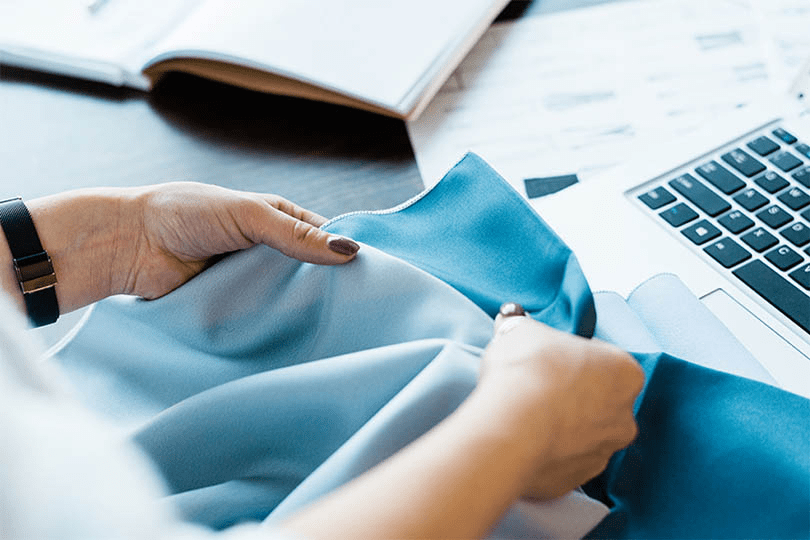
Expert Insights: The Future of UPF Clothing Technology
UPF clothing technology is advancing with exciting innovations, including:
- Self-healing fabrics that restore UV protection after washing.
- Cooling technologies that combine sun protection with heat management.
- Biomimetic designs inspired by UV-resistant plants.
- Smart textiles that change color when UV exposure is too high.
These developments are set to make UPF clothing more effective, comfortable, and appealing, encouraging wider use.
Best Fabric Types for UPF Testing Standards Certification
When selecting fabric for UPF-certified clothing, it’s important to choose materials that provide the highest level of UV protection while maintaining comfort. Below are fabric types commonly tested and certified for UPF 50 protection:
| Material | Advantages for UPF 50 | Considerations / Trade-offs |
|---|---|---|
| Polyester / Nylon Blends | Naturally high UV blockage; durable; moisture-wicking | Less breathable; may trap heat |
| Microfiber Synthetic Knits | Lightweight, quick-drying; great for activewear | Stretch may reduce UV protection; requires high-quality finishing |
| Treated Natural Fibers | Comfortable feel; eco-friendly options available | UV treatments may fade over time; needs a dense weave for full protection |
| Bamboo, Modal | Soft, cooler; eco-friendly appeal | Requires UV treatment and tight weave for true UPF 50 performance |
Key Features of High-Performance UPF Certified Garments
To meet UPF testing standards and maintain effective sun protection, look for these features in your garments:
- Full Coverage: Long sleeves, high collars, and longer hemlines ensure maximum protection.
- Seam & Stitching Quality: Thin or poorly stitched seams can allow UV rays to penetrate; ensure robust stitching.
- Breathability & Moisture-Wicking: Choose fabrics that allow airflow and keep the wearer dry for comfort.
- Durable Finishes: Verify that the UPF rating remains consistent after multiple washes and stretches.
- Appropriate Weight: Lightweight fabrics for hot climates, or heavier fabrics for additional sun coverage without sacrificing comfort.
These elements contribute to ensuring that your clothing meets UPF testing standards, offering reliable protection against harmful UV rays.
Newasia Garment Co., Ltd.: Trusted by Global Brands
At Newasia Garment Co., Ltd., we specialize in providing high-quality, certified UPF testing services for a range of textile products. As a trusted partner of renowned global brands such as American Eagle Outfitters, Uniqlo, Zara, Gap, Levi’s, and Lee, we are committed to delivering garments that meet the highest standards of protection and comfort.
Our long-standing partnerships with these leading brands reflect our dedication to quality, consistency, and trust. We understand that consumers not only demand stylish and comfortable clothing but also require garments that offer proper protection from harmful UV rays. That’s why we have invested in cutting-edge technology and expertise to provide the most reliable UPF testing services available.
Why Choose Newasia Garment Co., Ltd. for UPF Testing?
- Expertise in UPF Testing: We adhere to international standards to ensure every fabric we test meets the required UPF rating, providing our clients with reliable, certified products.
- Industry-Leading Technology: Our advanced testing equipment and experienced professionals ensure that every garment we test provides maximum protection from UV rays.
- Proven Track Record with Top Brands: Our collaborations with top global brands like Uniqlo, Zara, and Levi’s highlight our reliability and expertise in the garment industry.
- Comprehensive Certification Process: We walk our clients through every step of the certification process, from testing to final approval, ensuring smooth and hassle-free service.
Custom UPF Clothing Manufacturing: OEM & ODM Insights
If you’re planning to create your own UPF clothing line, consider the following:
- Fabric Selection: Ensure fabrics are tested for UPF or higher, including testing for dry, wet, and stretch conditions.
- Certifications: Use recognized standards like AATCC, EN/DIN, AS/NZS, and UV STANDARD 801 for reliable UV protection.
- Design Tech Packs: Include details on coverage, seam placement, color, and fit to ensure optimal performance.
- MOQ & Sampling: Start with samples to evaluate wear and results, and scale production based on demand.
- Finishing & Labeling: Include the UPF rating, care instructions, fiber content, and origin information to ensure transparency and compliance.
Choosing the Right UPF Styles for Your Brand
- Everyday Casual: T-shirts, hoodies, and light layers with breathable UPF fabrics.
- Activewear: Rash guards, compression leggings, UV tops designed for performance.
- Kidswear: Soft, stretchy fabrics with playful prints and UPF protection.
- Resortwear: Stylish dresses, kaftans, and wraps made from UV-blocking materials.
- Workwear: Durable uniforms offering long-term UV safety and comfort.
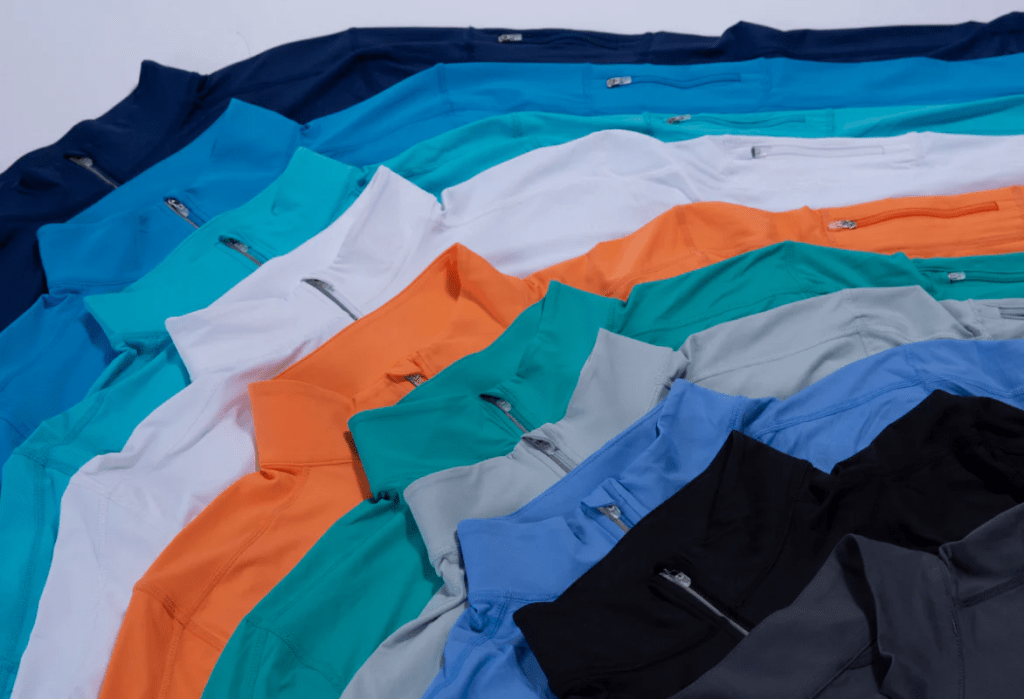
MOQ and Production Flexibility for UPF Apparel
- MOQ Considerations: UPF fabrics may have higher MOQs due to the treatment process.
- Production Flexibility: We offer low-MOQ options for startups using in-stock UPF fabrics. Begin with small runs and expand as you gauge market demand.
- Production Lead Time: Typically, 2–5weeks after sample approval.
UPF Certification and Testing Standards
Recognized global UPF standards include:
- AATCC TM-183 (USA)
- EN 13758-1 (Europe)
- AS/NZS 4399 (Australia/New Zealand)
- UV STANDARD 801 (Global, strictest — includes stretch, wear, and wet testing)
Always use third-party labs for testing to ensure proper certification, and include accurate labeling for legal compliance and consumer trust.
Packaging and Labeling for UPF Clothing
- Clear Labeling: Indicate UPF value, wash instructions, fiber content, and country of origin.
- Anti-UV Tags: Use for marketing and informational purposes.
- Sustainable Packaging: Use biodegradable bags, recycled tags, and QR codes for care instructions.
Trends in UPF Fashion and Resort Wear
- Athleisure UV Wear: Performance fabrics in trendy styles.
- Eco UPF Lines: Clothing made with recycled polyester, bamboo, and plant-based dyes.
- Travel-Friendly Designs: Wrinkle-resistant, compact, and sun-safe pieces ideal for travel.
- Dual-Purpose Items: Swim-to-street dresses, UV shawls, and hooded rash vests.
Global Market Demand for UPF Clothing
- The global sun-protective clothing market is projected to grow to over $14B by 2030.
- The highest demand is seen in the USA, Australia, the Middle East, and Southeast Asia.
- Medical professionals and dermatologists increasingly recommend UPF clothing for sun safety.
- Awareness of UPF protection is growing across all demographics.
Sustainability and UPF Clothing: What to Consider
- Eco-Friendly Materials: Use recycled fibers like rPET or bamboo for sustainable fabrics.
- Non-Toxic Finishing: Choose UV treatments certified by OEKO-TEX or Bluesign.
- Sustainable Production: Reduce water and energy consumption in the manufacturing process.
- Fair-Wage Labor: Ensure ethical supply chains with fair wages for workers.
These practices contribute to creating a more sustainable, ethical, and high-performance UPF clothing line.
Why You Should Wear UPF Clothing
The Benefits:
- Superior sun protection: All our UPF clothing is tested and rated, offering peace of mind.
- Comfort: Lightweight, breathable materials keep you cool while offering exceptional protection.
- Versatility: Perfect for daily life and outdoor adventures—stay protected wherever you go.
When paired with sunscreen and cared for in the right way, UPF clothing is your best line of defense against harmful UV exposure.
Certified Professional Clothing Producer
We are very proud of these certificates! They represent Newasia Garment Co.,Ltd. ’s amazing achievements and accreditations. They show how much we care about quality, safety, and professionalism.
We’re proud to say that we have obtained BSCI and ISO 90001 certificates, and inspection certificates for filling materials such as down and cotton. We follow international standards throughout our production process and take responsibility for the quality of our products.
As one of China’s leading clothing manufacturers, we are pleased to be recognized by respected organizations. These certifications underscore our reliability as a trusted supplier to the global apparel industry.
Trusted Certificates:
Why Choose Us
 Independent base We have our own laboratory and can independently develop fabrics , China  Professional certification Certification: ISO 9001, ISO 14001,BSCI,GRS |
 Full-equipped Full-equipped, from fiber manufacturing, yarn spinning, weaving, dyeing and processing to finished product production  Rich experience Professional, large and experienced design team, combined with the latest artificial intelligence technology |
 Our Facilities 12,000 skilled employees, daily production capacity exceeds 100,000 pieces  Fashion exhibition Participated in domestic and foreign fashion weeks and exhibitions many times |
Trusted by Global Clients





How Do We Guarantee the Quality
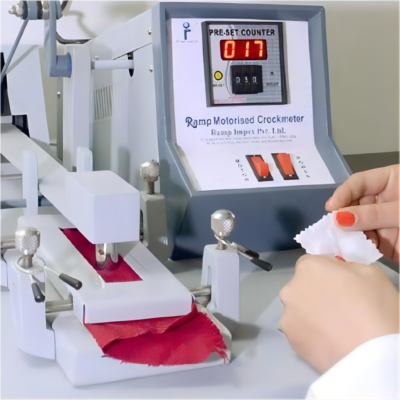
Our quality assurance begins with designing and planning, then continues through every step of the production and post-production inspections. Delivery is not an ending. We still offer money-back guarantee for quality issues.
When sourcing fabrics, we will check all related fabric certificates from our suppliers.
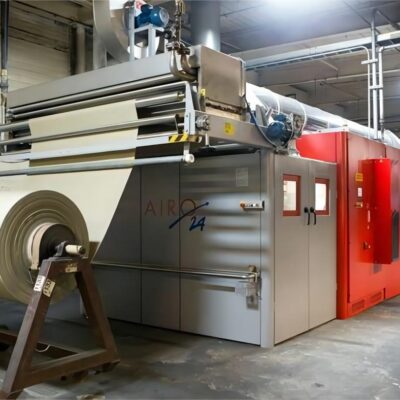
We make sure the fabric is well pre-washed to meet the standards before cutting.
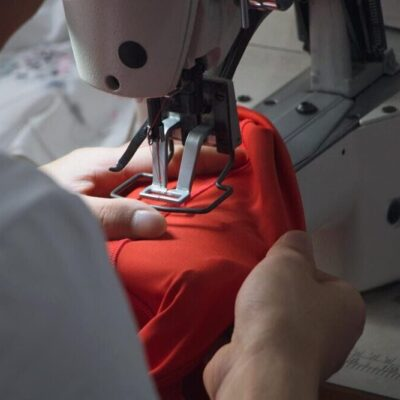
All our workers are well-trained and have many years of experience in the garment industry. They are all local workers with high stability.
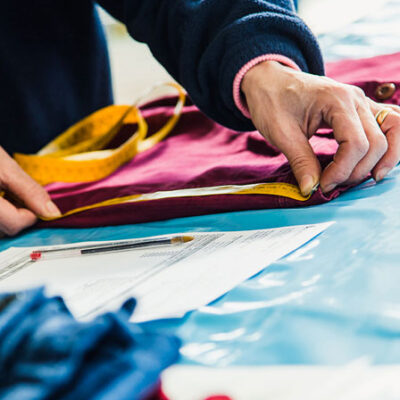
Our quality team will follow SOPs to conduct five times of quality checks before shipping.
Frequently Asked Questions
Q1: What is your Minimum Order Quantity (MOQ)?
We specialize in flexible production solutions to support emerging brands and growing businesses.
You can mix colors and sizes within the same style and fabric for greater flexibility.
For highly customised or technical garments (such as specialised denim washes or intricate embroidery), MOQ requirements may range from 200 to 300 units.
Our standard MOQ ranges from 100 to 300 units per design, depending on fabric availability and production complexity.
For best pricing efficiency, MOQ is typically based on 300 per style per colour.
Q2: What Services Do You Offer?
We provide full-cycle fashion support, including:
Sustainability Consulting: Eco-fabric sourcing, ethical production planning.
Sourcing: Local and global raw material, fabric R&D, and procurement (trims) with cost optimization.
Manufacturing: Custom manufacturing with quality control checkpoints.
Design & Development: Assistance with tech packs, trend research, and collection building.
Logistics: Shipping coordination to your warehouse or 3PL.
Q3: Can I Customize My Designs Fully?
We work with both OEM (your design, our production) and ODM (our templates customized for you) models. Customization options include:
Labels, hangtags, branded packaging
Fabric type and color
Fit and sizing
Printing (screen, DTG, sublimation, embroidery)
Accessories (zippers, buttons, cords)
Q4: What are your sustainability practices?
We’re committed to responsible manufacturing through:
Energy-efficient production technology
Waste reduction programs and ethical labor practices (BSCI certified)
GOTS-certified organic cotton and recycled material options
OEKO-TEX® certified dyes and processing
Q5: What Are Your Lead Times?
For in-stock items: ships worldwide within 3–7 days For custom orders: production lead time 15–30 days Urgent / Express Options: Available at a premium. Timing can vary depending on fabric development, approval cycles, and order complexity.
Q6: What is your production capacity?
Our facility employs 12,000 skilled employees, daily production capacity exceeds 100,000 pieces. We handle orders from 100 pieces to 50,000+ units across:
Technical apparel
Activewear and sportswear
Denim and casual wear
Children’s clothing
Q7: Where are your garments produced?
Our headquarters are based in China, where we operate our own vertically integrated factory. Our infrastructure and strategically placed worldwide manufacturing facilities allow us to offer extremely competitive pricing for fully custom clothing. offer flexible production options tailored to your needs. All manufacturing is supervised by our quality control team to ensure consistent standards
Conclusion
In an era where skin health and UV protection are becoming top priorities, UPF testing and certification play a vital role in ensuring the clothing you wear is as effective as advertised. Whether you’re a consumer seeking reliable sun protection or a manufacturer looking to certify your products, understanding the importance of UPF testing standards and certification is key. Choose certified products that offer the best protection for your skin and enjoy outdoor activities with confidence!
Contact us today to learn more about how our UPF testing services can benefit your brand.
Read more: Understanding UPF Testing Standards and Certification: A Complete Guide
- World Cup Merchandise Licensing: What Manufacturers Need to Know
- Replica Jersey Manufacturing Process: How It Differs from Authentic Jerseys
- Top Sports Jersey Manufacturer: Quality Sports Apparel for Teams
- How to Research Fashion Trends for Your Brand in 2026
- Sustainable Fabric Innovations: The Future of Eco-Friendly Textiles