
In the apparel industry, Levi Strauss & Co. (LS&Co.) is not just a denim icon; it is a benchmark for global supply chain management. For B2B buyers, sourcing agents, and startup brands, analyzing the Levi‘s supplier list is like peeking into a masterclass of balancing cost, quality, sustainability, and scale.
As of 2026, Levi’s operates with a vast network of suppliers across more than 40 countries.While the full list of Levi’s suppliers is confidential, publicly available information shows that Levi’s works with trusted manufacturers across Asia, the Americas, and other regions to maintain its global denim supply chain.
In this guide, we’ll explore how Levi’s manages its supply chain, what suppliers they work with, and how you can connect with authorized sources.
Understanding Levi’s Supply Chain
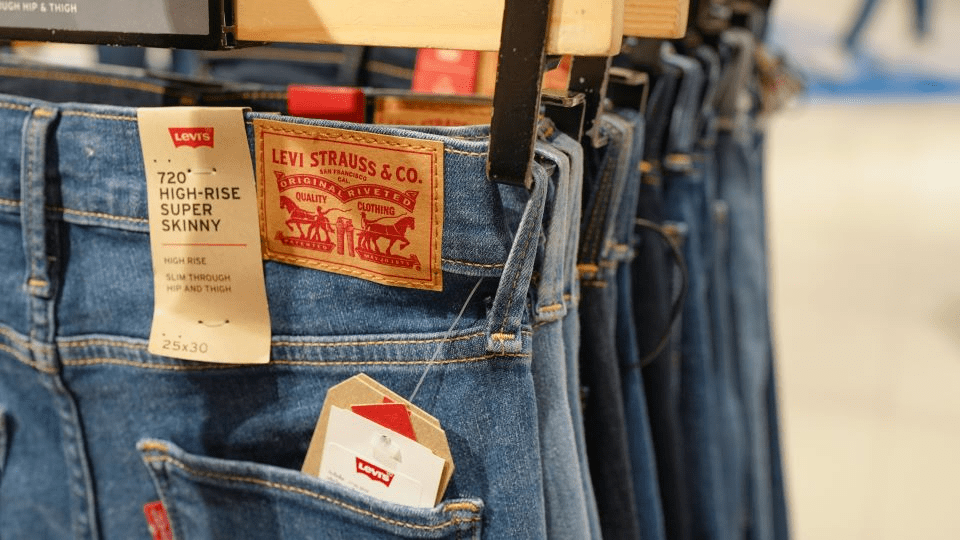
Levi Strauss & Co. has a global supply chain designed to ensure product quality, ethical manufacturing, and sustainability. The brand works with a combination of in-house facilities and third-party suppliers to produce denim, accessories, and finished apparel.
Key aspects of Levi’s supply chain:
- Global Reach: Suppliers in countries like Mexico, Bangladesh, China, Vietnam, and India.
- Sustainability Focus: Levi’s prioritizes suppliers who adhere to water-saving practices, sustainable cotton sourcing, and ethical labor standards.
- Quality Control: Every supplier must meet Levi’s strict quality requirements for stitching, fabric, and durability.
Does Levi’s Have a Public Supplier List?
Like many global fashion companies, Levi’s has taken steps toward supply chain transparency.
Through sustainability and corporate responsibility reports, the company has disclosed information about many of its manufacturing partners.
These suppliers typically fall into several categories:
- garment manufacturers
- fabric mills
- washing facilities
- trim suppliers
However, the full supplier network is large and constantly evolving as brands adjust their production strategies.
Key Countries in the Levi‘s Supplier Network
Levi’s doesn’t rely on one region. Instead, they utilize a diversified strategy. Based on sourcing data and production estimates, here are the dominant players in 2026:
1. China (Approx. 20–30% of Global Production)
China remains a powerhouse due to its advanced technology, automation, and massive scale. Production hubs are concentrated in Guangdong and Zhejiang. Many Chinese suppliers here hold ISO 9001 certifications and utilize Levi’s Water<Less® technologies. For B2B buyers, China offers the fastest lead times for complex, high-volume orders.
2. Bangladesh (Approx. 20%)
Bangladesh is a key hub for cost-effective production. Levi’s works with WRAP-certified factories here, particularly in Dhaka and Chittagong. With labor costs remaining competitive, it is a critical source for high-volume basics.
3. India (Approx. 15–20%)
India is unique because it serves as both a massive sourcing hub and a massive consumer market. Levi’s collaborates with more than 50 manufacturing units in India.
4. Vietnam (15–20%)
With skilled labor and steady growth, Ho Chi Minh City and Hanoi are vital for quality-focused production. Vietnam offers a strong balance between cost and technical skill.
5. Mexico (10–15%)
Torreón is the hub here. Mexico’s proximity to the U.S. market makes it essential for fast replenishment and taking advantage of the USMCA trade agreement
Why Levi’s Manufactures in Different Countries?
1.Costs and labor efficiency
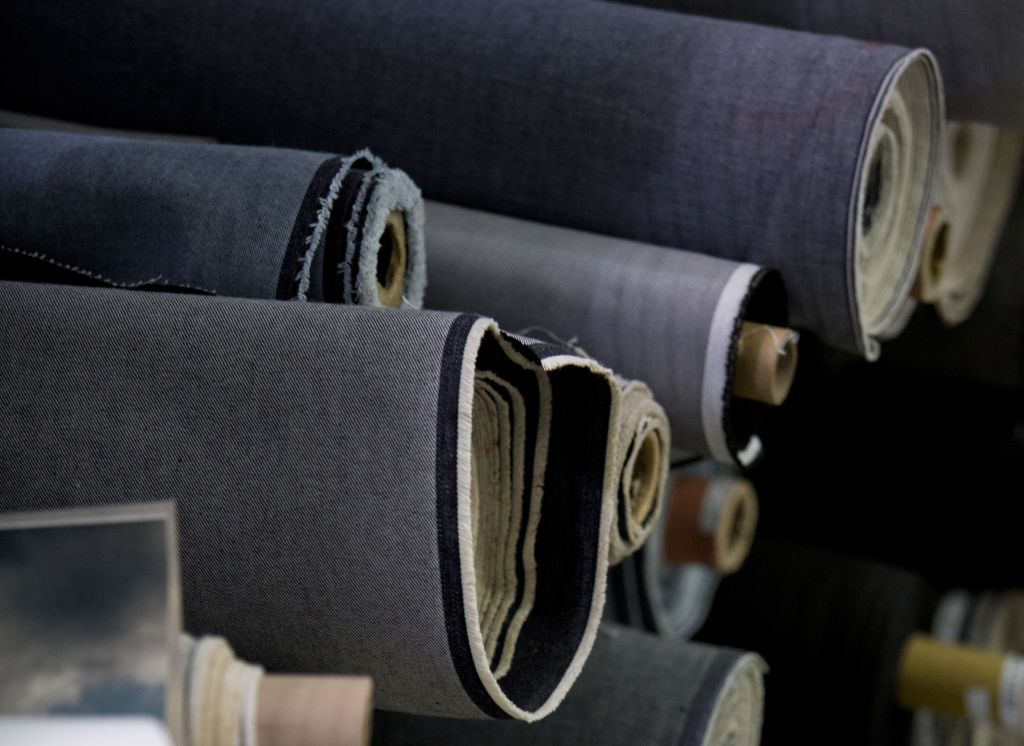
Levi’s needs long-term, stable production capacity to meet global demand, and jeans are a product with a high degree of manual labor. Therefore, Levi’s multi-country manufacturing strategy not only reduces costs but also globalizes its production layout, enabling it to maintain price competitiveness.
For example, Pakistan is self-sufficient in fabrics, which reduces procurement costs; Bangladesh has a developed textile industry and low labor costs, making it very suitable for garment production outsourcing.
Cost-effectiveness is not just about low wages, but about matching the right product type with the right production base.
2. Close to major markets
Levi’s global production layout allows it to respond quickly to the market. For example, Mexico is closer to the North American market, has trade policy advantages, and relatively low labor costs, enabling it to quickly supply and replenish orders. Turkey is closer to the European market and has strong washing and design capabilities, allowing it to quickly support the pace of style updates. Therefore, choosing production locations closer to the end markets helps the brand balance speed, inventory, and costs.
3. Supply Chain Risk Management
The concentration of manufacturing does not mean relying on a single country or supplier, as there are risks such as tariff policies, supply chain disruptions, or changes in auditing standards.
Levi’s, however, concentrates its core production areas in a few manufacturing countries, allocating different product lines to different countries, and maintaining a certain proportion of backup and flexible capacity to mitigate risks.
Other well-known brands, including Adidas, follow a similar approach.
In reality, publicly available manufacturer data typically only shows a portion of a brand’s supply chain, while Levi’s production sourcing strategy involves ongoing risk assessment and adjustments.
Where to Find a Levi’s Supplier List
If you’re searching for a Levi’s supplier list, it’s important to access reliable and verified sources:
- Official Levi Strauss & Co. Channels
- Levi’s often provides information on authorized distributors and suppliers through their official business or wholesale contacts.
- Visiting the official website or contacting the business development team ensures you get legitimate supplier information.
- Authorized Wholesale Distributors
- Many Levi’s products are distributed through verified wholesale channels. Partnering with these distributors guarantees authentic products.
- B2B Platforms
- Platforms like Alibaba, Global Sources, and IndiaMART may list Levi’s suppliers. However, always verify authenticity before placing bulk orders.
- Trade Shows and Exhibitions
- Fashion trade shows often feature authorized Levi’s suppliers and distributors. This is a great way to network and establish direct contacts.
Why a Levi’s Supplier List Matters
Having a verified supplier list benefits retailers, resellers, and small businesses:
- Authenticity: Avoid counterfeit products by sourcing directly from authorized suppliers.
- Pricing: Get competitive wholesale pricing and bulk order options.
- Supply Reliability: Maintain consistent stock levels and avoid production delays.
- Sustainability Compliance: Work with suppliers who meet Levi’s environmental and ethical standards.
How to Cooperate with Levi’s Jeans Factories in China
1. Determine Your Needs
Clarify your goals before contacting suppliers: the type and quantity of jeans, quality requirements, certifications, budget, and delivery timelines. Defining these upfront will guide your factory selection and negotiation process.
2. Find a Factory
Levi’s does not publicly share its factory partners, but you can identify potential OEM factories in China through:
- Online platforms: Alibaba, Global Sources, etc.
- Trade shows: Canton Fair, China International Garment Exposition
- Sourcing agencies and intermediaries: e.g., Sourcingwise
- Industry associations: China Garment Association, local chambers of commerce
3. Screen Suppliers
Contact potential suppliers to request pricing, MOQs, certifications, and other specifications. Ask for samples to test quality and, if possible, visit factories in person to verify production capabilities.
4. Negotiate Terms
Before signing a contract, clarify payment methods, production timelines, delivery schedules, quality standards, intellectual property protections, and other terms to secure legal and operational safeguards.
5. Implement Quality Control
Regularly monitor the production process to ensure compliance with agreed standards. Conduct inspections at each stage, including final checks, and consider third-party testing if needed. Purchasing agents can assist with ongoing quality management.
6. Plan Logistics and Transportation
Determine shipping methods, customs requirements, and transportation timelines in advance to ensure your goods arrive safely and on schedule.
7. Provide Feedback
Inspect the received products and communicate any issues to the factory. Feedback helps improve future orders, maintain quality standards, and protect your brand reputation.
Levi’s Global Manufacturing Strategy Means for Buyers & Private Labels
Levi’s global production strategy demonstrates that the consistency of denim product quality lies not in the location of production, but in how the supply chain is structured.
- Diversify manufacturing locations
- Balance cost and time to market
- Utilize standardized materials and processes to maintain consistent quality
- Match product lines with manufacturing capabilities
For buyers, retailers, and private labels, you don’t need to choose a single best country; you simply need to select the right country for the right product. Translating sourcing logic into actual production decisions requires experience with factories, fabrics, and compliant production standards, as well as risk assessment.
This is why many buyers choose to work with sourcing partners rather than relying solely on country labels and price.
How to Verify a Levi’s Supplier
Before engaging with a supplier, ensure they meet the following criteria:
- Official Authorization: Check if the supplier is listed on Levi’s official business contacts.
- Compliance Certificates: Look for certifications related to labor practices and environmental sustainability.
- Product Samples: Always request samples to check authenticity and quality.
Newasia Garment Co.,Ltd – A Professional Apparel Manufacturing Partner
Within the global apparel manufacturing ecosystem, experienced garment factories play an essential role in supporting international fashion brands.
Newasia Garment Co.,Ltd. is a professional garment manufacturer with extensive experience producing high-quality apparel for global markets.
The company offers:
- advanced garment production capabilities
- experienced technical teams
- strict quality control systems
- scalable manufacturing capacity
Newasia has worked with internationally recognized brands and understands the standards required by major apparel companies.
We are also a partner of brands such as American Eagle Outfitters, Uniqlo, Zara, Gap, Levi’s, and Lee.
Collaborating with global brands requires consistent product quality, strong production management, and reliable supply chain performance.
By combining modern manufacturing technology with experienced craftsmanship, Newasia continues to support international fashion brands with professional garment manufacturing services.
Conclusion
The Levi’s supplier list represents a global network of manufacturers, fabric mills, and specialized production partners.
This distributed manufacturing model allows the brand to maintain high standards while producing denim products for markets around the world.
Behind every successful apparel brand are experienced manufacturers who bring designs to life through precision production and quality control.
Companies like Newasia Garment Co.,Ltd. demonstrate the type of professional manufacturing expertise that global fashion brands rely on in today’s competitive apparel industry.
Ready to source denim that meets global standards?
[Contact us] today for a free consultation and access our pre-vetted network of high-quality denim manufacturers inspired by the world‘s leading supply chains.
FAQ
Q1: Is there a public Levi’s supplier list?
A1: Levi’s keeps the full supplier list confidential for business and compliance reasons, but suppliers are selected based on quality, capacity, and sustainability.
Q2: Does Newasia manufacture jeans for Levi’s?
A2: Yes, we are a trusted partner for Levi’s and other major global brands.
Q3: Can Newasia produce private-label denim for other brands?
A3: Absolutely. We specialize in custom denim manufacturing worldwide.
Q4: How does Newasia ensure quality and sustainability?
A4: Through premium fabrics, eco-friendly production methods, rigorous inspections, and ethical labor compliance.
Read more: Levi’s Supplier List: Inside the Global Denim Manufacturing Network
- Custom T-Shirt Manufacturers China: Private Label Service for Your Brand
- Custom T-Shirt OEM China: Sample + Bulk One-Stop Service
- Best T-Shirt Manufacturers: India vs China (Global Compliance Guide 2026)
- T Shirt Manufacturing in Portugal vs China: Which is More Cost-Effective?
- Bangladesh vs China T-Shirt Manufacturers: Which Has Better Capacity for Large Orders?