

Levi Strauss & Co. is an iconic brand with a rich history of crafting quality denim jeans, jackets, and other apparel. As one of the most recognizable brands worldwide, you may have wondered about the manufacturing process that makes Levi’s products so special. Specifically, where is the Levi’s manufacturing factory? How does the company maintain its high-quality standards across a global supply chain?
However, as the apparel industry has evolved, so has Levi’s production process. The company, once known for manufacturing all its products in the United States, has since expanded its operations globally. Today, Levi’s jeans are made in multiple countries across Asia, North America, and Europe, with each factory serving a specific role within the brand’s vast and complex supply chain.
In this article, we’ll explore Levi’s manufacturing factories, their global locations, the company’s commitment to sustainability and ethical practices, and what it means for consumers who are looking to make informed purchasing decisions.
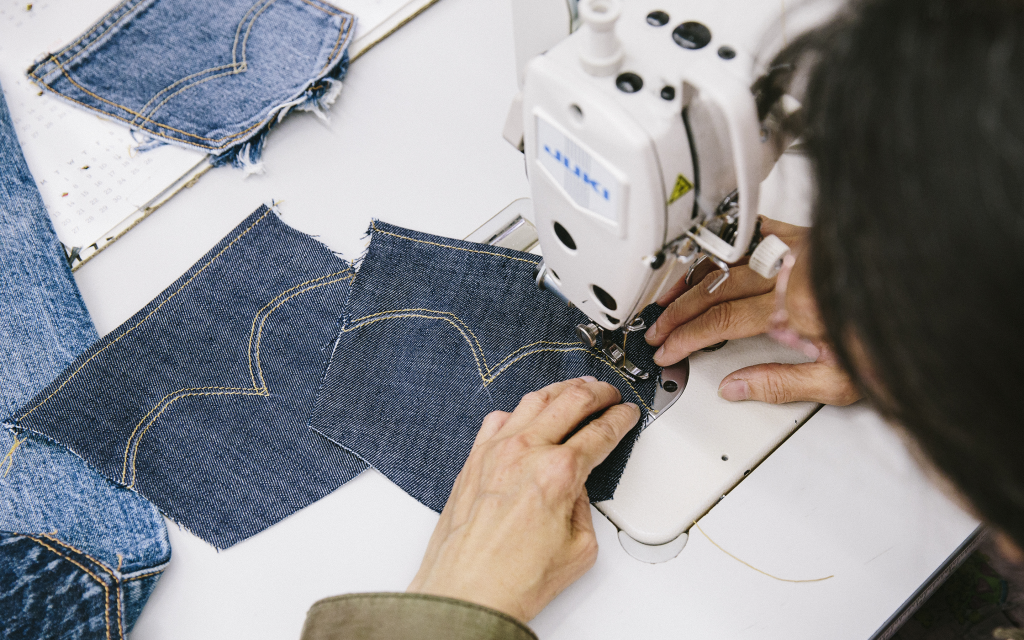
What is Levi’s?
Levi’s manufacturing facilities play a crucial role in maintaining the brand’s commitment to quality and durability. The company operates several factories around the world, with a focus on ethical production and sustainable practices. Levi’s is dedicated to using eco-friendly materials, reducing water usage, and ensuring fair labor practices across its supply chain.
Levi’s factories are known for their attention to detail, combining traditional craftsmanship with modern technologies. The most iconic product, the Levi’s 501® jeans, continues to be produced with the same level of care that made them famous in the 19th century. While production has expanded globally, the core philosophy of creating durable, high-quality apparel remains at the heart of Levi’s manufacturing process.
Why Levi’s Manufacturing Factories Matter
Levi’s manufacturing factories are the heart of the brand’s global supply chain. The location of these factories plays a crucial role in determining production costs, speed to market, and the quality of the final product. As the brand’s customer base continues to grow worldwide, having a geographically dispersed network of factories allows Levi’s to remain competitive in the ever-evolving denim market.
For consumers, knowing where Levi’s jeans are made can impact perceptions of quality. For buyers and sourcing professionals, understanding the nuances of Levi’s manufacturing process helps ensure the right product is produced at the right location, optimizing both cost and quality.
The Global Reach of Levi’s Manufacturing
Levi Strauss & Co. operates a vast network of manufacturing factories across the world. Although the brand is deeply tied to American culture and craftsmanship, its manufacturing process is global. The shift to international production began in the 1980s, and by the early 2000s, most of Levi’s manufacturing moved overseas.
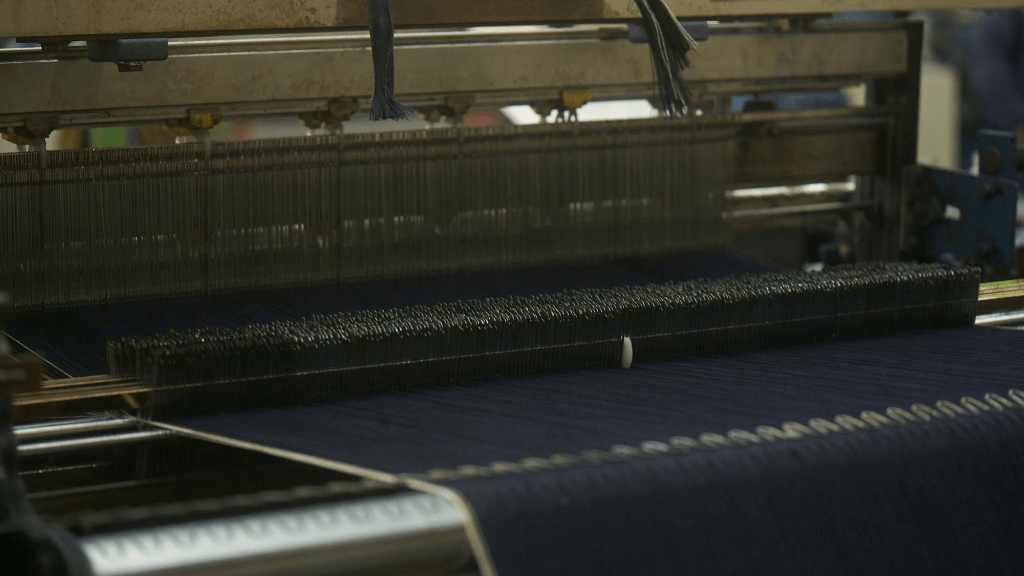
Is Levi’s Manufacturing Factory Still Based in the USA?
While Levi’s was once primarily associated with American-made products, most of the company’s manufacturing operations have shifted outside the United States over the years. By the early 2000s, due to rising domestic production costs and the need for a more competitive pricing strategy, Levi’s closed its last U.S. manufacturing plants.
However, the “Made in the USA” label is not entirely gone. Levi’s still produces a small number of premium jeans, limited-edition collections, and historical reproductions in the U.S. These are typically part of their Levi’s Vintage Clothing (LVC) line, which recreates iconic Levi’s styles from past decades. While these U.S.-made products are not part of the mainstream retail collection, they reflect the brand’s commitment to preserving American craftsmanship for denim enthusiasts who value authenticity and heritage.
Where Are Levi’s Jeans Made?
Levi’s jeans are made in over 40 countries, with key production hubs in:
- China (20–30%): Known for high-tech, high-volume production; strong domestic market; some factories use sustainable Water<Less® technology.
- Bangladesh (~20%): Low labor costs and a mature garment industry; eco-tech and waste reduction initiatives.
- Vietnam (15–20%): Skilled labor and energy-efficient, sustainable production practices.
- India (15–20%): High-quality cotton and cost-effective labor; sustainable practices like organic cotton sourcing.
- Mexico (10–15%): Proximity to the U.S. market, fast shipping, and favorable trade agreements (USMCA).
Other countries involved include Pakistan, Turkey, Egypt, and Cambodia, each offering unique advantages such as cotton production, craftsmanship, and labor rights initiatives.
Levi’s global sourcing strategy helps manage costs, reduce risks, and maintain high quality across diverse regions.
Why Does Levi’s Use Global Manufacturing Factories?
The decision to outsource manufacturing to various countries is influenced by several key factors:
- Cost Efficiency: Global production helps Levi’s reduce manufacturing costs. Labor costs in countries like Bangladesh and Vietnam are significantly lower than in the U.S., allowing Levi’s to maintain competitive pricing while preserving product quality.
- Access to Raw Materials: Some of Levi’s key production materials, like cotton, are sourced from regions with abundant natural resources. Having factories in proximity to these resources helps Levi’s maintain a smooth and cost-efficient supply chain.
- Market Proximity: By establishing factories in various regions, Levi’s can meet the demands of local markets more quickly and efficiently. This local production approach allows for faster turnaround times and reduced shipping costs.
- Flexibility and Scalability: Global factories enable Levi’s to scale production up or down based on demand and market conditions. This flexibility is crucial for maintaining an agile supply chain.
Levi’s Commitment to Ethical Manufacturing Practices
In addition to focusing on cost efficiency and production scale, Levi’s is dedicated to ensuring that its factories operate in an ethical and responsible manner. The company has implemented a number of social responsibility initiatives to ensure the well-being of workers and the communities in which they operate.
Ethical Labor Practices
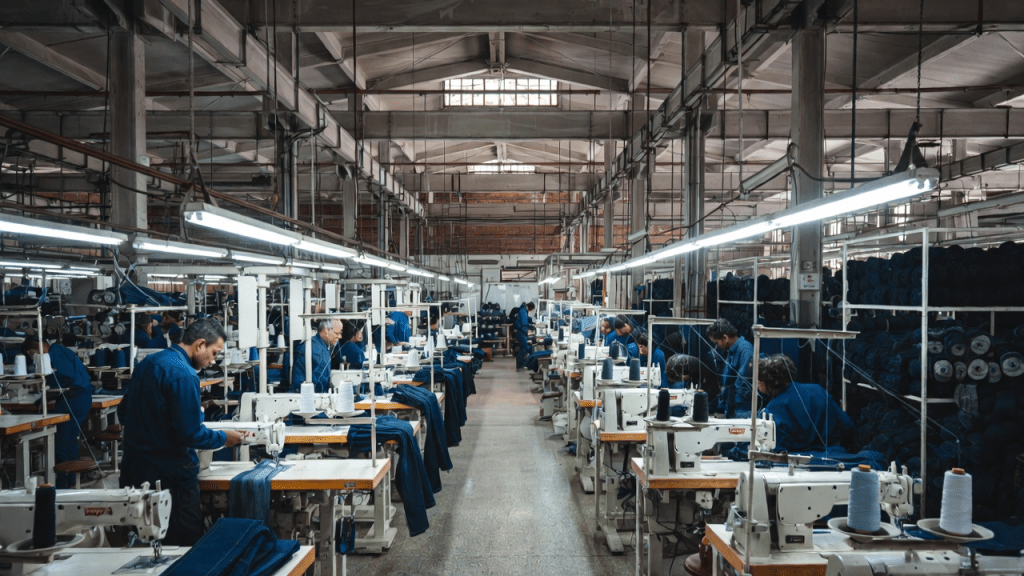
Levi’s works closely with its manufacturing partners to ensure that all workers in its supply chain are treated fairly. The company requires its factories to comply with international labor standards, such as providing safe working conditions, offering fair wages, and respecting workers’ rights. Levi’s also has programs in place to monitor factory conditions and ensure compliance.
Environmental Sustainability
Levi Strauss & Co. has made significant strides in reducing its environmental footprint. In addition to water-saving technologies, the company is committed to reducing carbon emissions and using sustainable materials in its products. Levi’s also encourages its manufacturing partners to adopt more sustainable practices in line with the company’s overall sustainability goals.
The Future of Levi’s Manufacturing
As Levi Strauss & Co. continues to grow and innovate, it is likely that the company will evolve its manufacturing strategy to meet changing consumer demands. This could include further investments in sustainable practices, a return to more U.S.-based manufacturing, or the exploration of new technologies like automated production systems.
How Does Levi’s Manage Its Manufacturing Factories?
Levi’s has a carefully structured system for managing its global network of manufacturing factories. The brand works with long-term, approved suppliers in each region, ensuring they adhere to Levi’s strict quality, labor, and environmental standards. Levi’s also utilizes advanced technology to monitor production and ensure consistency across all factories.
Levi’s global manufacturing strategy is designed to balance cost, quality, and speed. By diversifying production across multiple regions, the brand can reduce risks associated with over-reliance on any single location. This approach also allows Levi’s to quickly adapt to changes in market demand, shifting production to where it is most efficient.
1. Quality Control Across All Factories
Levi’s employs a comprehensive quality control system to ensure that all its manufacturing partners meet the brand’s exacting standards. This includes regular factory audits, inspections, and testing of finished products. From fabric quality to stitching density and fit specifications, Levi’s ensures that its jeans—whether made in China, Mexico, or Italy—meet the same high standards.
2. Sustainability and Social Compliance
In addition to quality control, Levi’s also emphasizes sustainability and social compliance across its manufacturing network. The brand works closely with its suppliers to reduce environmental impact, using water-saving techniques, energy-efficient processes, and sustainable materials in many of its products. Levi’s also enforces fair labor practices at all its manufacturing factories, ensuring that workers are paid fairly and work in safe conditions.
Does the Location of Levi’s Manufacturing Factories Affect Quality?
The location of Levi’s manufacturing factories does not directly impact the quality of the final product. Instead, quality is maintained through Levi’s unified production standards, which are implemented across all factories. These standards cover key factors such as fabric strength, stitch density, hardware specifications, and sizing.
However, certain regions may be better equipped to handle specific types of products. For example, Turkish factories may excel in producing jeans with intricate washes, while Vietnamese factories are known for their consistency and reliability in producing basic models.
Levi’s Manufacturing Factory Strategy and What It Means for Buyers
Levi’s global manufacturing strategy offers valuable lessons for buyers, private labels, and apparel sourcing professionals. The brand’s approach to diversifying production locations helps it manage risks, reduce costs, and maintain fast delivery times.
For buyers and retailers, this means understanding the specific strengths of each manufacturing region. Whether you’re looking for high-quality craftsmanship, speed to market, or cost efficiency, Levi’s approach offers insight into how to select the right factories and regions for your own sourcing needs.
Newasia Garment Co., Ltd.: Supporting Global Brands Like Levi’s with Expert Manufacturing Solutions
As a leading garment manufacturer, Newasia Garment Co., Ltd. plays a key role in the apparel production ecosystem. We are proud to partner with top-tier brands like Levi’s, Uniqlo, Zara, Gap, and American Eagle Outfitters to produce high-quality clothing for global markets.
Here’s how Newasia helps brands like Levi’s thrive in the competitive apparel market:
- State-of-the-Art Manufacturing: We operate advanced manufacturing facilities in key regions such as China, Vietnam, and Bangladesh. Our factories are equipped with the latest technology to ensure that every garment meets the highest quality standards.
- Global Supply Chain Expertise: With extensive experience managing global supply chains, we help brands like Levi’s optimize production timelines, minimize lead times, and maintain flexibility across various manufacturing hubs.
- Sustainability Practices: Newasia is committed to sustainable manufacturing. From eco-friendly materials to reducing waste and energy consumption, we help brands like Levi’s meet their sustainability goals and appeal to eco-conscious consumers.
- Ethical Labor Practices: We adhere to strict labor standards and ensure that our workers are treated fairly. Our factories comply with local labor laws and international ethical standards, helping our partners maintain a positive brand image.
Choose Newasia Garment Co.,Ltd. The Real Veteran for Startup Clothing Brands
Different from other clothing manufactures, Newasia Garment Co.,Ltd. is committed to providing better and better services to help grow your business.
- Direct Factory, No Middle Man
- One-Stop Services, 5 Times of Quality Check
- 39 years of extensive apparel manufacturing experience
- 140 Production lines, Hundreds of Equipment
- High Customer satisfaction, High Repeat Order Rate
We sincerely invite you to be our next customer.
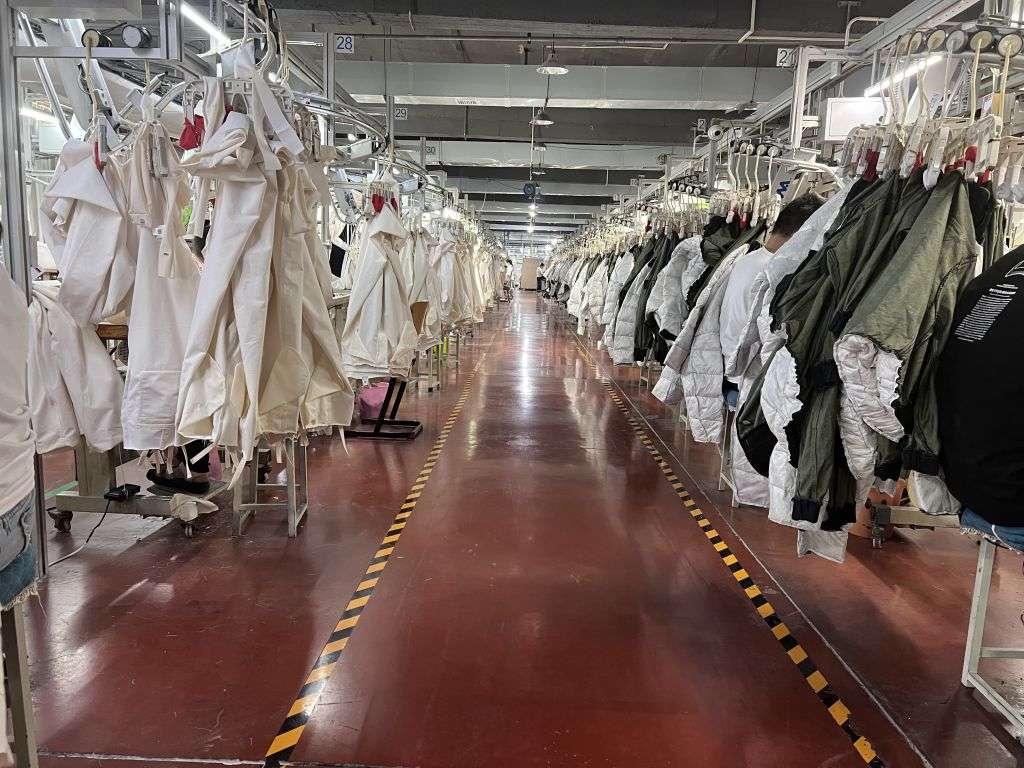
Certified Professional Clothing Producer
We are very proud of these certificates! They represent Newasia Garment Co.,Ltd. ’s amazing achievements and accreditations. They show how much we care about quality, safety, and professionalism.
We’re proud to say that we have obtained BSCI and ISO 90001 certificates, and inspection certificates for filling materials such as down and cotton. We follow international standards throughout our production process and take responsibility for the quality of our products.
As one of China’s leading clothing manufacturers, we are pleased to be recognized by respected organizations. These certifications underscore our reliability as a trusted supplier to the global apparel industry.
Trusted Certificates:
Why Choose Us
 Independent base We have our own laboratory and can independently develop fabrics , China  Professional certification Certification: ISO 9001, ISO 14001,BSCI,GRS |
 Full-equipped Full-equipped, from fiber manufacturing, yarn spinning, weaving, dyeing and processing to finished product production  Rich experience Professional, large and experienced design team, combined with the latest artificial intelligence technology |
 Our Facilities 12,000 skilled employees, daily production capacity exceeds 100,000 pieces  Fashion exhibition Participated in domestic and foreign fashion weeks and exhibitions many times |
Trusted by Global Clients








Conclusion
Levi’s manufacturing factories are an integral part of the brand’s success. By operating a global supply chain with factories in key regions like Asia, North America, and Europe, Levi’s can balance cost, quality, and delivery time effectively. While the brand no longer manufactures its jeans exclusively in the U.S., its commitment to quality remains unwavering, with strict standards applied across all its global manufacturing partners.
For consumers, knowing where Levi’s jeans are made can provide insight into the brand’s production strategy, but it’s important to remember that the quality of Levi’s jeans is defined by the company’s rigorous standards, not simply the location of production. As the global apparel industry continues to evolve, Levi’s approach to manufacturing serves as a model for maintaining brand consistency while optimizing production efficiency across multiple countries.
At Newasia Garment Co., Ltd., we are proud to play a vital role in supporting leading global brands like Levi’s in their production processes. If you are looking for a reliable, ethical, and sustainable manufacturing partner, we invite you to contact us today to learn how we can help your brand succeed.
Read more: Levi’s Manufacturing Factory: Understanding Levi’s Global Production Network
- Custom T-Shirt Manufacturers China: Private Label Service for Your Brand
- Custom T-Shirt OEM China: Sample + Bulk One-Stop Service
- Best T-Shirt Manufacturers: India vs China (Global Compliance Guide 2026)
- T Shirt Manufacturing in Portugal vs China: Which is More Cost-Effective?
- Bangladesh vs China T-Shirt Manufacturers: Which Has Better Capacity for Large Orders?