

When I launched my apparel line, T-shirts were my starting point. But choosing the right manufacturer? That was like trying to solve a puzzle with missing pieces. With so many online options, the risk of picking the wrong partner was high.
To find the best T-shirt manufacturers, here’s what to focus on: their quality control, production experience, material expertise, and ability to handle your unique branding and design needs. Certifications, low minimum order quantities (MOQ), and flexible payment terms are also key, especially if you’re just starting out.
After sourcing from both local and overseas suppliers, I quickly realized what truly sets the top manufacturers apart from the rest. Let me walk you through the essentials, so you can make an informed decision and avoid costly mistakes.
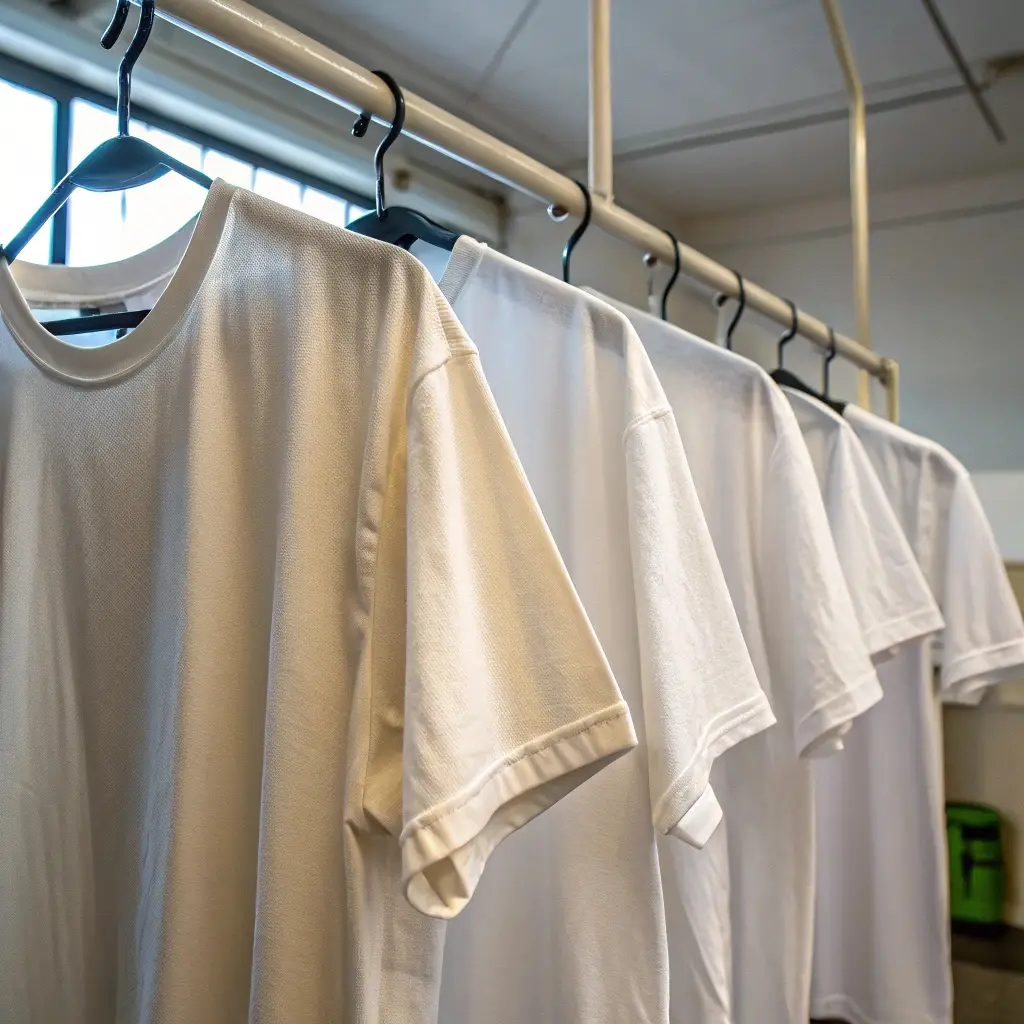
Why Choosing the Right Manufacturer is Crucial for New Apparel Brands
For emerging apparel brands, selecting the wrong manufacturer can lead to production delays, quality inconsistencies, and costly reorders. However, partnering with the right manufacturer offers numerous advantages:
- Consistent Product Quality: A trusted manufacturer ensures your products meet the same high standards every time.
- Scalable Production: As your brand grows, a reliable manufacturer can support your expanding production needs.
- Cost Management: Competitive and transparent pricing helps you stay within your budget without sacrificing quality.
- Flexible Minimum Order Quantities (MOQs): Ideal for smaller brands, offering the flexibility to order smaller batches without compromising cost-efficiency.
For smaller brands especially, it’s vital to find a manufacturing partner that balances quality, flexibility, and excellent customer service to support long-term growth.
The T-Shirt Manufacturing Process in a Nutshell
The T-shirt manufacturing process involves several key steps, each essential for ensuring high-quality products. Here’s a quick breakdown:
- Order Review: Upon receiving the order, the manufacturer carefully examines every requirement, including construction, seams, and fabric type.
- Material Sourcing: The required materials are sourced, and fabric quality is thoroughly inspected—this may include testing for shrinkage, durability, and colorfastness.
- Pattern Creation & Cutting: Patterns are finalized and the fabric is cut with precision by skilled professionals to ensure the best fit and design.
- Sewing & Assembly: Qualified tailors stitch the garment together, paying attention to detail in every seam and construction element.
- Printing: The design is then applied, typically using screen printing or another method, ensuring clear, durable designs.
- Finishing Touches: Finally, the T-shirts are folded, packed, and prepped for shipment, ready to be delivered to the customer.
What You Should Know Before Choosing a T-Shirt Manufacturer
Choosing the right T-shirt manufacturer is crucial, as it directly impacts your product quality, delivery time, and brand reputation. Before you make a decision, consider the following factors:
A reliable T-shirt manufacturer should possess in-depth fabric knowledge, strong quality control processes, quick sampling, and certifications for ethical and safe production practices.
✅ Key Factors to Consider
| Criteria | Why It Matters |
|---|---|
| Quality Control | Ensures every T-shirt meets your standards consistently |
| Experience | A proven track record reduces the risk of issues |
| Certifications | Builds trust and assures ethical, compliant production |
| Design & Sampling Speed | Faster iterations lead to quicker product launches |
| Low MOQ Flexibility | Enables testing smaller batches before scaling up |
🏭 Local vs. Overseas Manufacturing
| Factor | Local Manufacturers | Overseas Manufacturers (e.g., China) |
|---|---|---|
| Lead Time | Faster (no shipping delays) | Slightly longer but improving |
| Pricing | Higher due to labor & materials | More competitive pricing |
| Custom Options | Sometimes limited | Highly flexible, better customization options |
| MOQ | Often higher | Lower minimum order quantities available |
If you’re testing new designs or launching a brand, manufacturers with low MOQs and fast sampling can significantly impact your timeline and budget. Make sure to select one that aligns with your goals for growth and flexibility.
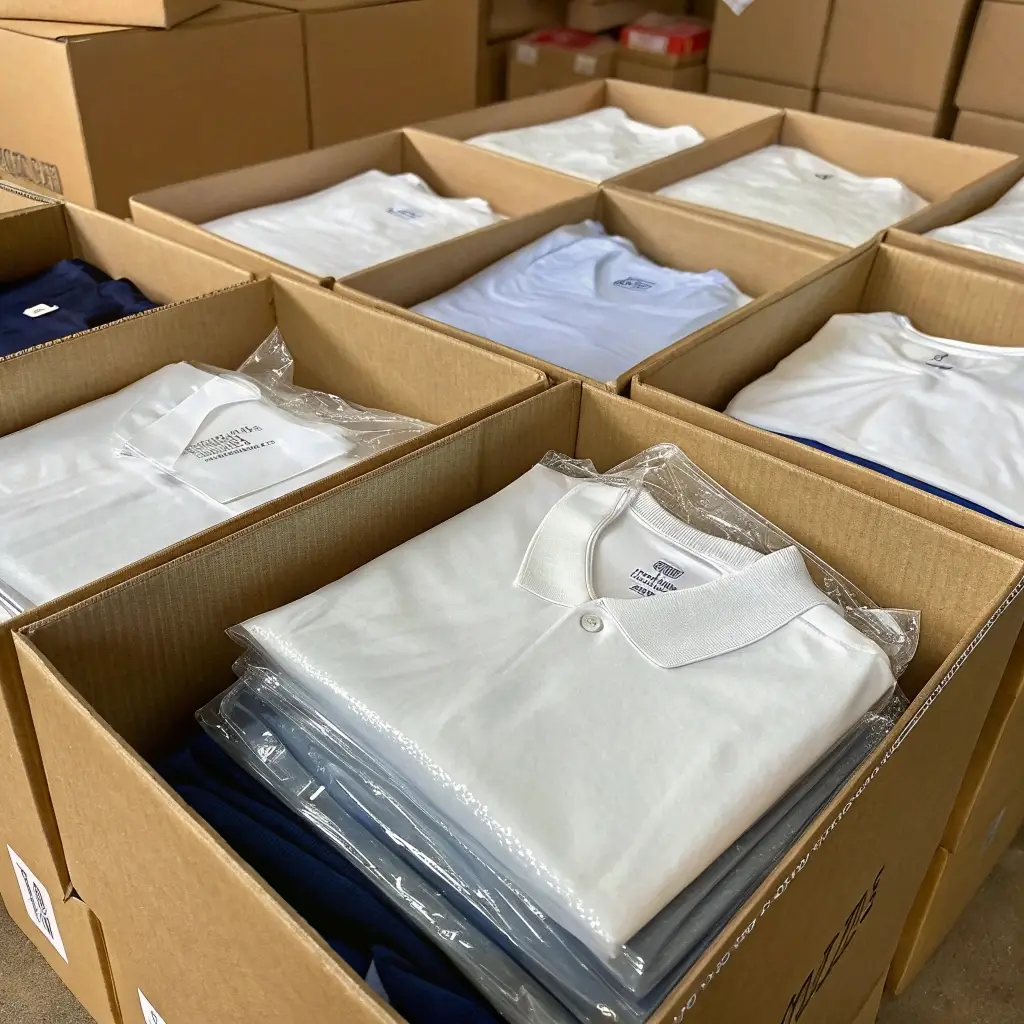
Major T-shirt Producing Countries
| Country | Strengths |
|---|---|
| China | Advanced technology, scalability, and customization. |
| Bangladesh | Low production costs, strong textile industry. |
| Vietnam | High-quality craftsmanship, ethical manufacturing. |
| India | Rich in cotton production, diverse textile industry. |
China leads in high-tech apparel production, while Bangladesh and Vietnam are preferred for budget-friendly bulk orders. India specializes in natural fabrics and sustainable production.
How to Find the Right T-Shirt Steps to Find the Best T-Shirt Manufacturer
Contact Manufacturers Directly
Once you’ve compiled a list of potential manufacturers, get in touch to request samples, pricing details, and information on their production process. This helps you evaluate their suitability for your brand.
Conduct an Online Search
Start with a simple Google search to locate local or global manufacturers. Create a list of potential suppliers and review their websites to understand their offerings, services, and reputation.
Attend Industry Trade Events
Trade shows and exhibitions are great for meeting manufacturers in person. These events allow you to see their products firsthand and network with professionals. Be prepared with a list of questions to help evaluate their capabilities.
Check Online Directories
Many online directories specialize in listing T-shirt manufacturers by region and expertise. Platforms like Alibaba or Maker’s Row can help you find the right fit based on your specific needs.
Ask for Recommendations
Reach out to others in the industry for referrals. Recommendations from peers can lead you to trusted manufacturers known for quality and reliability.
How Do T-Shirt Manufacturers Support Custom Branding?
Custom branding is essential for making a basic T-shirt unique to your brand. A good manufacturer should offer a range of branding options, including custom logos, labels, and packaging.
🔍 Branding Options Offered
| Branding Element | Customization Methods |
|---|---|
| Logos | Screen printing, embroidery, DTG |
| Neck Labels | Woven, heat press, tear-away |
| Packaging | Branded polybags, boxes, tag inserts |
🎨 Print Method Comparison
| Method | Best For | Notes |
|---|---|---|
| Screen Print | Bulk runs with simple designs | Durable, vivid colors |
| DTG (Direct) | Detailed or photo prints in low volume | Requires high-quality cotton fabrics |
| Embroidery | Premium or textured branding | Adds weight, best for logos |
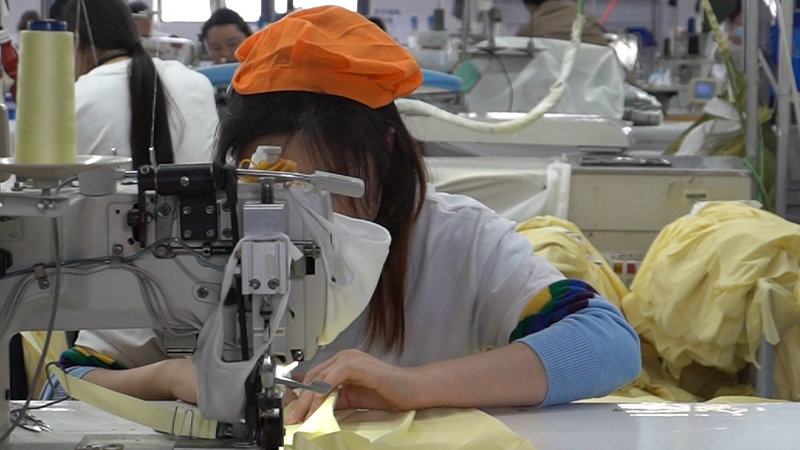
Which Fabrics Are Most Popular for T-Shirt Manufacturing?
The fabric choice impacts how the shirt feels, wears, and is perceived. Cotton, poly blends, and organic materials are the most commonly used.
🧵 Popular Fabric Options
| Fabric Type | Pros | Cons |
|---|---|---|
| 100% Cotton | Soft, breathable, natural feel | Shrinks and wrinkles easily |
| Cotton-Poly Blend | Durable, less shrinkage, affordable | Less soft, synthetic feel |
| Organic Cotton | Eco-friendly, enhances brand value | Higher price, limited suppliers |
| Bamboo Fabric | Silky, sustainable, moisture-wicking | More expensive, niche supply |
⚖ Fabric Weight and Durability
- 140–160 GSM: Lightweight (ideal for summer or layering)
- 160–180 GSM: Midweight (standard for casual tees)
- 200+ GSM: Heavyweight (premium or oversized styles)
Note: Heavier fabric isn’t always better. Activewear often prefers lightweight with stretch, while streetwear favors heavyweight for a premium feel.
✅ How to Evaluate Quality with Low MOQ
| Checklist | What to Request |
|---|---|
| Pre-Production Samples | To test stitching, fit, and print |
| Wash Test Results | To ensure shrinkage resistance |
| Material Swatches | For feel, weight, and color accuracy |
| Factory Photos/Video Call | For visual verification |
Final Thoughts
Choosing the right T-shirt manufacturer requires careful research into material quality, factory standards, pricing, and customization options. By thoroughly evaluating these factors, you’ll find a reliable partner that aligns with your brand’s goals and values. A well-selected manufacturer not only ensures the production of high-quality products but also supports the sustainable growth of your clothing brand.Remember, choosing the right manufacturer can be critical to your brand’s success in the competitive fashion business. Are you ready to take your apparel business to the next level? Partner with Newasia Garment Co.,Ltd. for superior manufacturing solutions that are suited to your specific business requirements. Contact us now to get started!
Why Startups Choose Newasia Garment Co., Ltd.
At Newasia Garment Co., Ltd., we specialize in helping small and growing brands turn their ideas into reality. As a trusted custom clothing manufacturer, we offer:
- Flexible Low MOQ: Start small with as few as 100 pieces per design, and scale your production as your brand grows.
- Fast Sampling Turnaround: Get your samples quickly, ensuring you stay on track for your launch.
- High-Quality Materials: We offer premium fabrics and finishes across all T-shirt styles.
- Full Customization: From labels and neck tags to retail packaging, we help you create a complete branded experience.
Whether you’re launching a casual wear line or creating merchandise for a community, Newasia Garment is here to support you every step of the way.
FAQ
Q1: What is the typical MOQ for T-shirt manufacturing?
At Newasia Garment Co., Ltd., we support startups with low MOQs starting from just 100 pieces per design — perfect for testing your product without a huge upfront investment.
Q2: How long does it take to produce custom T-shirts?
Sampling typically takes 5–10 business days. Bulk production ranges from 2 to 4 weeks, depending on the size of the order and level of customization.
Q3: Can I get help with my T-shirt designs?
Yes! We offer design assistance including tech packs, mockups, and guidance on printing or embroidery techniques that align with your brand’s vision.
Q4: Do you offer sustainable fabric options?
Definitely. We provide eco-friendly options like organic cotton, bamboo, and recycled polyester blends, ensuring your brand maintains an eco-conscious focus.
Q5: Can I get fully customized packaging and labeling?
Yes, we offer everything from woven labels to branded hang tags and eco-friendly mailers, giving your brand a polished, professional touch.
Read more: How to Find the Right T-Shirt Manufacturer for Your Business
- Textile Unraveled:Performance Fabric Innovations
- The Role of Quality Sportswear Quality Control Manufacturing
- A Comprehensive Guide on Snowboard Pant Reinforcement
- Guide: How to choose what trousers to hiking pant articulation
- Cycling Jersey Pocket Design: The Complete Guide to Function, Comfort, and Performance