

Introduction
Sustainability isn’t just a trendy term anymore—it’s an expectation. And in the fashion world, especially fast fashion, the pressure to clean up supply chains is higher than ever. Zara, one of the biggest names in the industry, has been making moves to embed sustainability into its operations while still keeping up with its rapid production model.
Sustainability in the garment manufacturing industry is a pressing challenge, especially for fast fashion giants like Zara. The query “how can Zara achieve sustainability in the garment manufacturing industry” reflects growing concerns over environmental impact, ethical labor, and resource consumption. Zara, as part of Inditex, has made strides through initiatives like Join Life and recycled materials, but further steps are needed for true transformation, as discussed in reports from Reuters and Harvard.
Newasia Garment Co.,Ltd. emerges as a leader in sustainable manufacturing, offering customizable solutions that help brands like Zara achieve eco-goals. We are also a partner of brands such as American Eagle Outfitters, Uniqlo, Gap, Zara, Levi’s, and Lee, providing ethical, tailored apparel with a focus on sustainability. If you’re exploring Zara’s path, our customization services enable brands to implement green practices through low-MOQ, eco-friendly production.
What Sustainability Means in Garment Manufacturing
Before analyzing Zara, it’s important to clarify one thing:
Sustainability in garment manufacturing is not a single action.
It involves system-wide changes across:
- Material sourcing
- Production efficiency
- Supply chain transparency
- Environmental compliance
- Long-term supplier partnerships
True sustainability happens inside factories, not just in marketing campaigns.
The strategy
Zara’s sustainability efforts focus on the whole supply chain, from the raw materials to a product’s afterlife. The concept is known in the industry as circularity and involves minimising waste in the fashion supply chain.
The fast fashion brand aims to achieve circularity by investing in several initiatives that will make a difference in the industry. Zara partners with the Organic Cotton Accelerator to help make sustainable materials more widely accessible. It’s also a member of the Zero Discharge of Hazardous Chemicals pledge, which restricts or ensures the safe disposal of chemicals in the manufacturing process.
In addition to supporting many start-ups, partners and accelerators in the sustainability industry, Zara has its own Sustainability Innovation Hub. This focus group identifies and promotes new materials, approaches and processes.
The Zara-owned initiatives have made great strides towards sustainability by developing materials such as Infinna™, which turns textile waste into fashion.
Zara has also set ambitious targets over the coming years. These include:
- 100% linen and polyester from preferent sources by 2025
- 25% reduction of water consumption in our supply chain by 2025
- Protect, restore and generate five million hectares by 2030
- Reduce emissions by 50% by 2030
- Achieve net zero emissions by reducing the carbon footprint by at least 90% in comparison with 2018
Zara’s Current Sustainability Efforts
Zara has taken notable steps toward sustainability, as outlined in Inditex’s official page and Weavabel’s overview. Key initiatives include:
- Material Innovation: Partnering with the Organic Cotton Accelerator for accessible sustainable fibers, reducing reliance on virgin materials (Weavabel).
- Emissions Reduction: Committing to clean energy and water use, with goals for zero discharge of hazardous chemicals by 2020 (Harvard Digital).
- Circular Economy: Investing in recycling and closed-loop systems, as suggested in Medium’s analysis for long-term viability.
These efforts show progress, but fast fashion’s high volume (bi-weekly collections) poses challenges, per Public Eye’s critique on air freight emissions.
Zara’s Commitment to Sustainability
As consumer awareness about environmental issues grows, Zara has responded by implementing a range of sustainable practices within its supply chain. These initiatives not only help reduce the environmental impact but also streamline operations and improve the overall efficiency of the business.
Key Strategies for Zara to Achieve Sustainability
To enhance sustainability in garment manufacturing, Zara can adopt these strategies, drawn from Reuters, Circle Economy, and Live Frankly:
- Adopt Circular Principles: Integrate textile recycling and upcycling, replacing virgin polyester with recycled alternatives to cut environmental strain (Circle Economy).
- Reduce Carbon Footprint: Minimize air freight by optimizing near-shoring (e.g., more production in Spain/Portugal), potentially slashing emissions by 15% (Public Eye, Harvard).
- Improve Supply Chain Transparency: Expand traceable systems like Join Life for auditable materials, ensuring ethical labor across 1,800+ suppliers (Live Frankly).
- Energy and Water Efficiency: Lower energetic intensity per garment and treat wastewater, as in Zara’s production projects (Zara official).
- Sustainable Sourcing: Shift to organically farmed crops and recycled materials by 2030, boosting eco-credentials (Reuters).
These steps could position Zara as a sustainability leader
Implications for the Fashion Industry
Zara’s sustainability initiatives provide a roadmap for other fashion companies aiming to reduce their environmental footprint. By adopting similar strategies—such as using sustainable materials, optimizing store operations, and managing production through advanced technologies—other brands can enhance their ecological sustainability while still meeting consumer demands.
Our Sustainability-Focused Capabilities
- Sustainable & certified fabric sourcing
- Custom low-waste pattern development
- Water-saving washing & finishing
- Energy-efficient production systems
- Full compliance documentation (BSCI, ISO, GRS, etc.)
Key Reasons to Work With Us
- Low MOQ & Fast Turnaround
- 100pcs minimum order – Perfect for testing designs or small businesses.
- 5-10 days for sample and 15-30 days to produce – Quick delivery without compromising quality.
- Screen printing, embroidery, DTG, Rhinestone Application – Choose the best method for your logo.
- Free design support – Our team helps optimize artwork for the best results.
- Located in the heart of China’s textile hub(Guangzhou), ensuring fast material sourcing & lower costs.
- 2000+ fabric options – From organic cotton to performance blends.
- Quality You Can Trust
- Strict QC process – Every piece inspected before shipping.
- OEKO-TEX®, ISO and BSCI certificate – Safe, durable, and eco-friendly materials.
Global Shipping & Easy Communication
- Door-to-door logistics (DDP available).
- 24/7 support via WhatsApp, Email, WeChat.
Why Brands Choose Newasia as Their Apparel Manufacturer
Struggling with inconsistent quality, slow production, or limited customization in your clothing line? Newasia Garment addresses the core challenges of apparel manufacturing through decades of technical expertise, vertically integrated production, and brand-focused partnership.
| Brand Challenges | Newasia Garment Co.,Ltd. Solution |
|---|---|
| Shrinking or pilling after washing | Fabric pre-wash + AQL 2.5 QC system |
| Inconsistent fit across sizes | Professional patternmakers & CAD grading |
| Basic fabric sourcing with limited finish | High-end brushed, garment-dyed, ribbed options |
| No design support for lifestyle branding | Trend-based mockups + design aid |
Why Choose Newasia Garment Co.,Ltd. as Your Custom Clothing Manufacturer?
39 years of experience
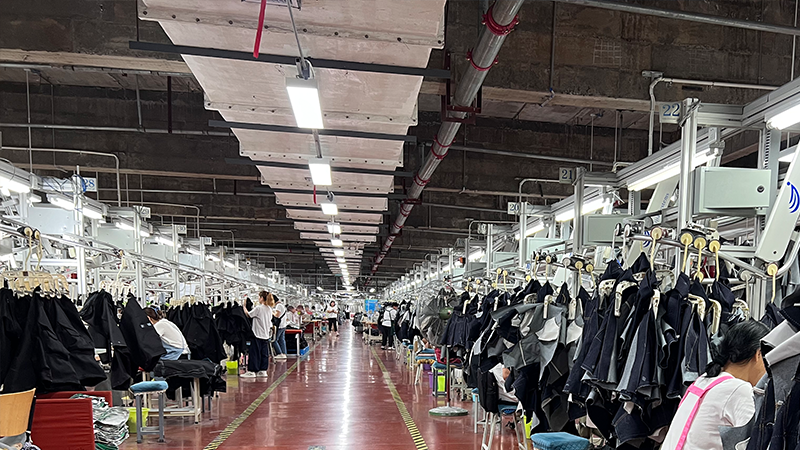
Founded in 1986, Newasia Garment Co.,Ltd. is one of China’s leading custom clothing manufacturers. We have a deep understanding of production processes, design needs, and industry trends, enabling us to consistently deliver high-quality,innovative products.
R&D and Design
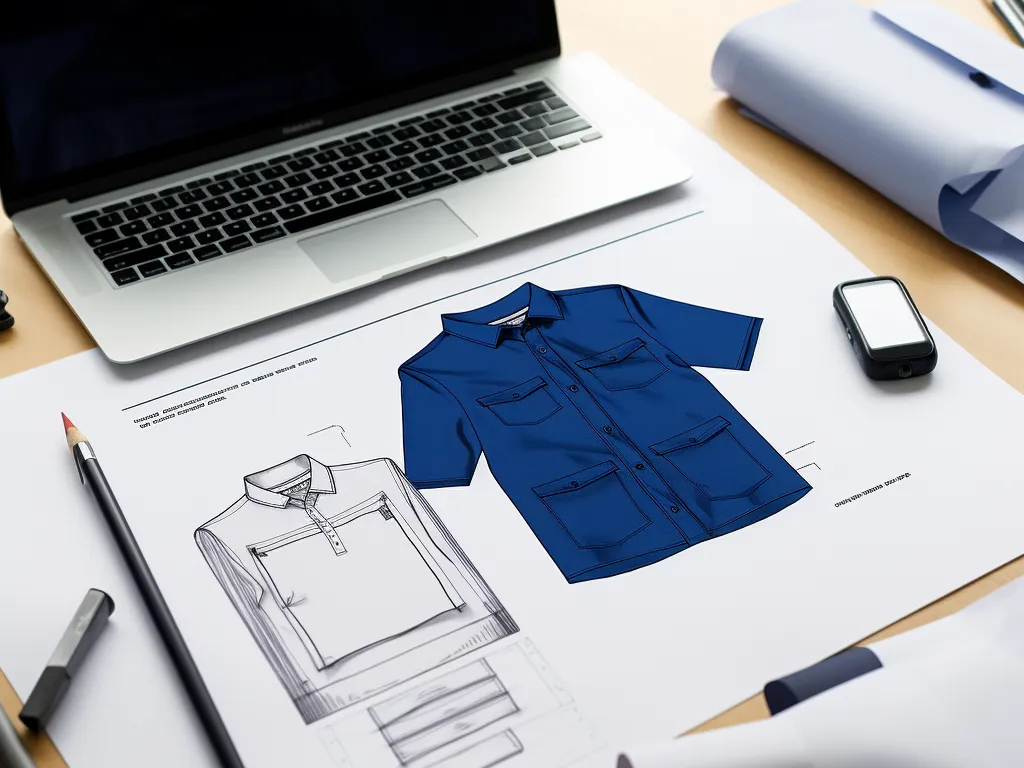
Innovation is at the heart of whatwe do. Our R&D team workstirelessly to bring market-leading products to life. Fromfabric research to garmentdesign, we stay ahead of thecurve by continuously exploringnew trends and materials.
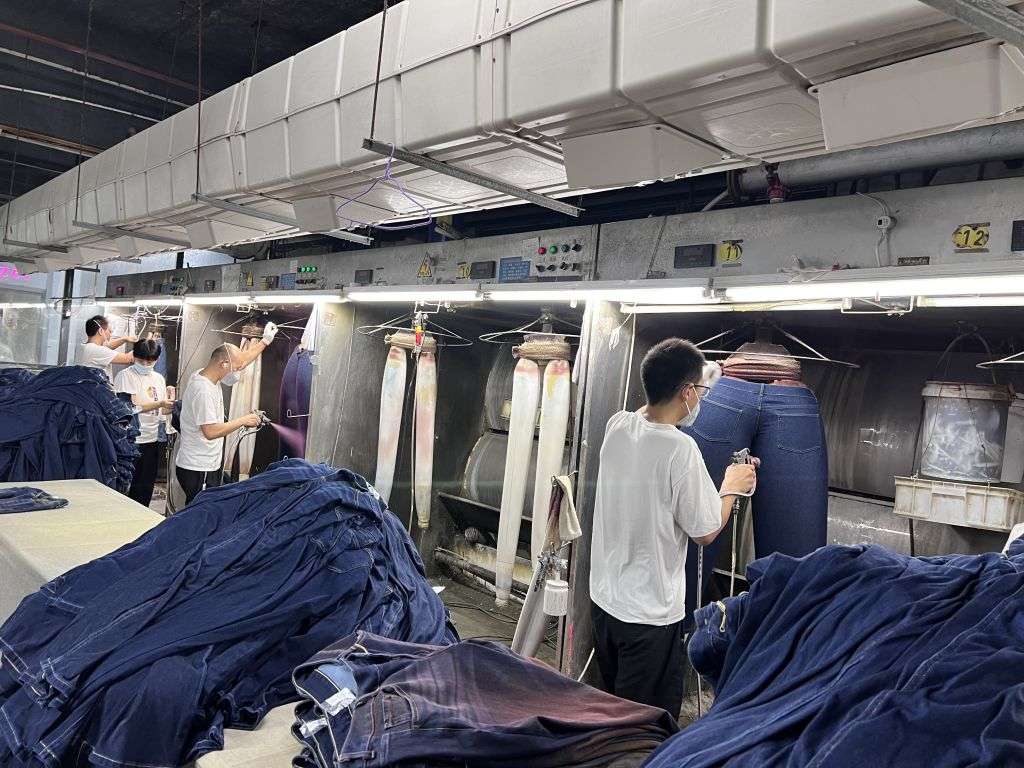
Sustainable Production
We are committed to sustainable production and prioritize environmental protection. Our production processes minimize waste, reduce energy consumption, and use environmentally friendly materials whenever possible.
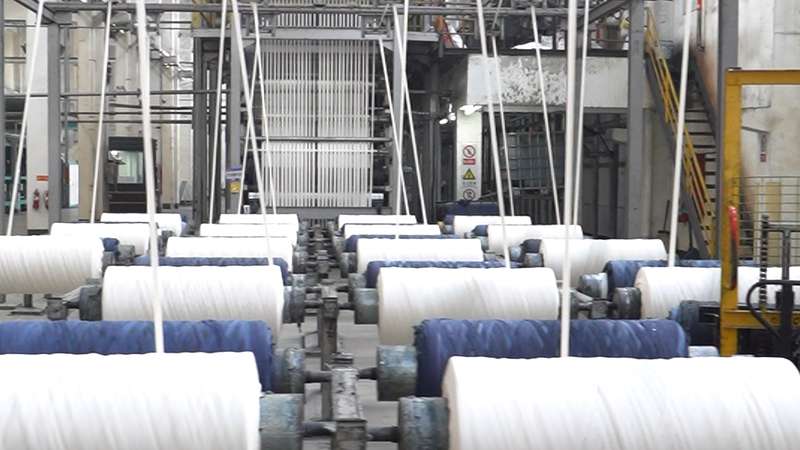
Self-Owned Factory
Our factory is equipped with multiple advanced automated equipment, 12,000 skilled employees, a daily production capacity of over 100,000 pieces, 140 production lines, and fast turnaround
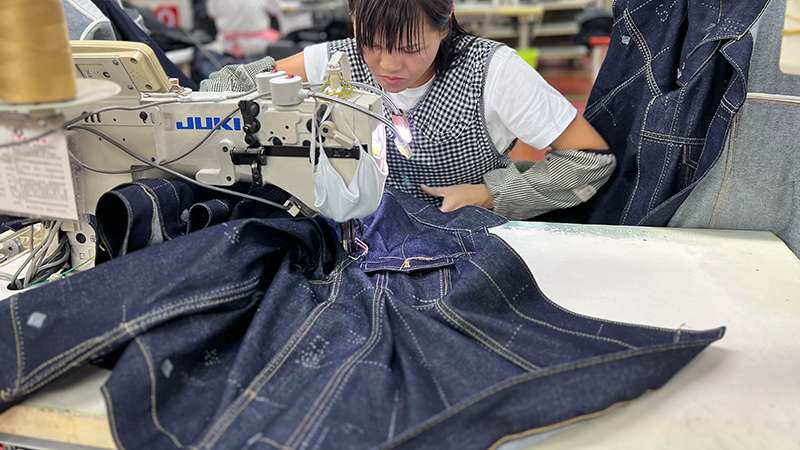
Small-Batch Customization
Our fully equipped factory can handle small-batch clothing orders with quick delivery,offering high flexibility. This makes us an ideal partner for startups or businesses with unique customization needs.
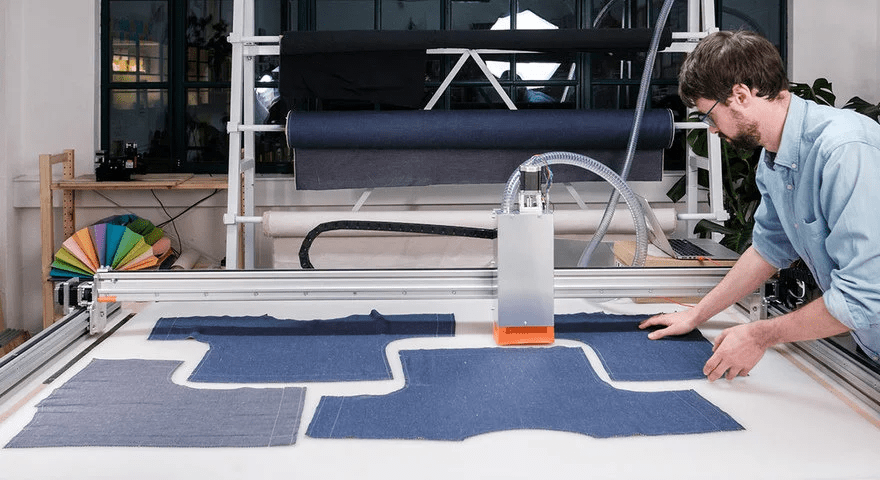
Complete Industrial Chain
We have a complete industrial chain from yarn to garments,which enables us to maintain strict quality control at every stage of manufacturing, shorten delivery time, while meeting customers’ specific requirements.
Tailored OEM & ODM Custom Clothing Manufacturer for your Clothing Line
Create your custom clothing line with expert manufacturing services. From design to delivery, we bring your vision to life.
Are you a new brand starting your first clothing line? Or Or are you a company that requires trustworthy apparel? Our OEM & ODM custom clothing manufacturing services are made just for you. We’re here from the very first design ideas to the final product. Whether you need casual wear, custom sports uniforms, or denim clothes, we’ll make sure your brand shines through every cloth we produce for you.
Why Choose Our OEM & ODM Clothing Services?

Our designers and manufacturing Team have years of experience in the clothing industry.

We work with you to create clothing that fits your brand’s unique look.

We use only the best fabrics for your products.


Our Process Setup is Optimized for Mass Production

Handle Customer’s Inquiry
Send us an inquiry and share more details about your projects, and our dedicated team will handle it.

Make Quotation
If your project is suitable for our standard MOQ and production, then we offer an initial quotation based on the techpack, selected fabric quality, and quantity.

Sample Development
After the customer’s approval of the quotation, we proceed with sample development to confirm quality before starting bulk production.

Bulk Production
Following order confirmation and a deposit, we initiate bulk production with all specifications carefully followed.

Quality Control
We follow strictly our QC procedures, ensuring 100% end-line inspections. We also apply AQL 2.5 for final inspections. Third-party QC is always welcome.
Packaging & Shipping
Once the quality is confirmed, the finished products are carefully packaged and shipped in bulk to your warehouse.
Benefits of Buying Direct from tank tops Manufacturers
When you buy directly from a wholesale ladies denim jeans manufacturer like Newasia Garment Co.,Ltd., you gain multiple advantages that streamline your supply chain and boost your margins.

We maintain consistency and high standards, from fabric selection and dyeing to stitching and final packaging.

The more you order, the better the pricing structure, allowing you to maximize your profitability and margin.

Ideal for brands that want unique products—control over colors, GSM, fits, and all branding elements.

In-house, modern production ensures timely delivery, cutting down the typical delays associated with third-party vendors.

Buy factory-direct to cut out unnecessary distribution costs and get the most competitive rates always.
OUR PROCESS






Choose Newasia Garment Co.,Ltd. The Real Veteran for Startup Clothing Brands
Different from other clothing manufactures, Newasia Garment Co.,Ltd. is committed to providing better and better services to help grow your business.
- Direct Factory, No Middle Man
- One-Stop Services, 5 Times of Quality Check
- 39 years of extensive apparel manufacturing experience
- 140 Production lines, Hundreds of Equipment
- High Customer satisfaction, High Repeat Order Rate
We sincerely invite you to be our next customer.
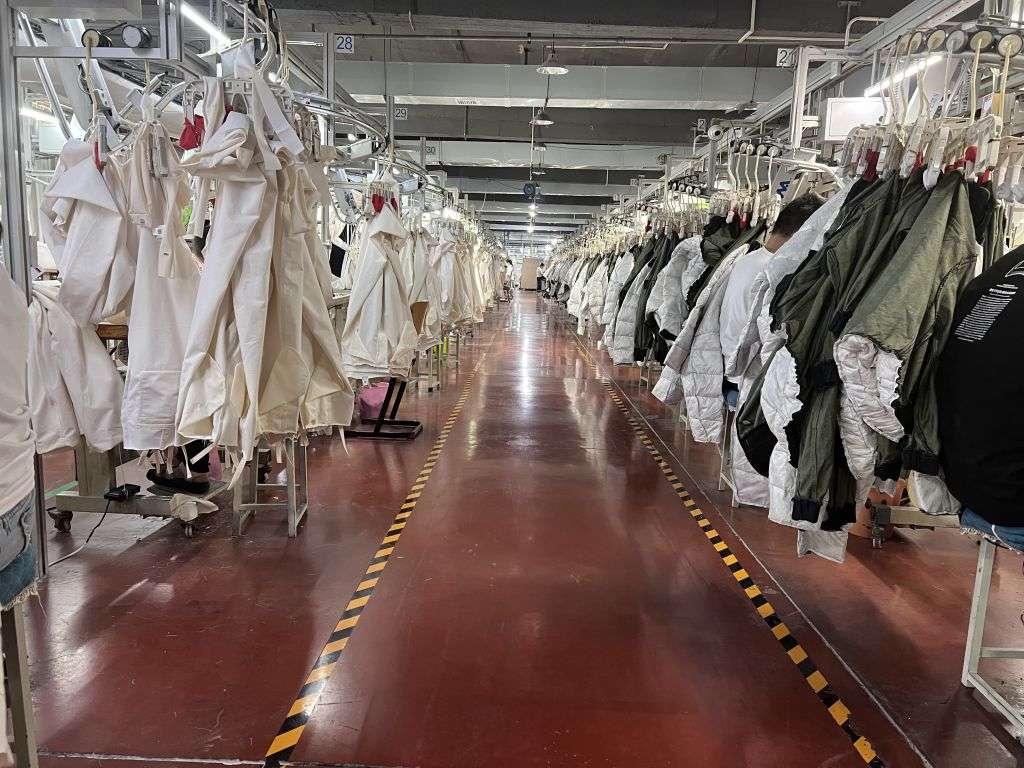
Certified Professional Clothing Producer
We are very proud of these certificates! They represent Newasia Garment Co.,Ltd. ’s amazing achievements and accreditations. They show how much we care about quality, safety, and professionalism.
We’re proud to say that we have obtained BSCI and ISO 90001 certificates, and inspection certificates for filling materials such as down and cotton. We follow international standards throughout our production process and take responsibility for the quality of our products.
As one of China’s leading clothing manufacturers, we are pleased to be recognized by respected organizations. These certifications underscore our reliability as a trusted supplier to the global apparel industry.
Trusted Certificates:
Why Choose Us
 Independent base We have our own laboratory and can independently develop fabrics , China  Professional certification Certification: ISO 9001, ISO 14001,BSCI,GRS |  Full-equipped Full-equipped, from fiber manufacturing, yarn spinning, weaving, dyeing and processing to finished product production  Rich experience Professional, large and experienced design team, combined with the latest artificial intelligence technology |  Our Facilities 12,000 skilled employees, daily production capacity exceeds 100,000 pieces  Fashion exhibition Participated in domestic and foreign fashion weeks and exhibitions many times |
Trusted by Global Clients



Frequently Asked Questions
Q1: What is your Minimum Order Quantity (MOQ)?
We specialize in flexible production solutions to support emerging brands and growing businesses.
- For highly customised or technical garments (such as specialised denim washes or intricate embroidery), MOQ requirements may range from 200 to 300 units.
- Our standard MOQ ranges from 100 to 300 units per design, depending on fabric availability and production complexity.
- For best pricing efficiency, MOQ is typically based on 300 per style per colour.
- You can mix colors and sizes within the same style and fabric for greater flexibility.
Q2: What Services Do You Offer?
We provide full-cycle fashion support, including:
- Sourcing: Local and global raw material, fabric R&D, and procurement (trims) with cost optimization.
- Manufacturing: Custom manufacturing with quality control checkpoints.
- Design & Development: Assistance with tech packs, trend research, and collection building.
- Logistics: Shipping coordination to your warehouse or 3PL.
- Sustainability Consulting: Eco-fabric sourcing, ethical production planning.
Q3: Can I Customize My Designs Fully?
We work with both OEM (your design, our production) and ODM (our templates customized for you) models. Customization options include:
- Fabric type and color
- Fit and sizing
- Printing (screen, DTG, sublimation, embroidery)
- Accessories (zippers, buttons, cords)
- Labels, hangtags, branded packaging
Q4: What are your sustainability practices?
We’re committed to responsible manufacturing through:
- Waste reduction programs and ethical labor practices (BSCI certified)
- GOTS-certified organic cotton and recycled material options
- OEKO-TEX® certified dyes and processing
- Energy-efficient production technology
Q5: What Are Your Lead Times?
For in-stock items: ships worldwide within 3–7 days For custom orders: production lead time 15–30 days Urgent / Express Options: Available at a premium. Timing can vary depending on fabric development, approval cycles, and order complexity.
Q6: What is your production capacity?
Our facility employs 12,000 skilled employees, daily production capacity exceeds 100,000 pieces. We handle orders from 100 pieces to 50,000+ units across:
- Activewear and sportswear
- Denim and casual wear
- Children’s clothing
- Technical apparel
Q7: Where are your garments produced?
Our headquarters are based in China, where we operate our own vertically integrated factory. Our infrastructure and strategically placed worldwide manufacturing facilities allow us to offer extremely competitive pricing for fully custom clothing. offer flexible production options tailored to your needs. All manufacturing is supervised by our quality control team to ensure consistent standards.
So, is Zara sustainable?
It’s the question everyone wants the answer to — is Zara sustainable? It’s tricky to give a definitive answer due to so many aspects that need to be considered to build a full picture.
While the brand is making strides in the right direction and is setting and achieving ambitious targets, there’s still one glaringly obvious issue — Zara is a fast-fashion brand that makes low-cost clothing that drives hyper-consumerism. As many of its consumers operate on the ‘take and waste’ model, it can be difficult to say that Zara is sustainable.
Summary
- Zara has received criticism regarding its fast-fashion business model and allegations of greenwashing, but the company has also made strong public commitments to sustainability.
- It’s primary sustainability initiative is the “Join Life” program, which focuses on using more sustainable materials.
- The brand is working towards a circular fashion model through programs like Zara Pre-Owned, which offers repair, resale, and donation services. Zara also has a partnership with the Sustainable Apparel Coalition. An impressive 8.9 million items have been donated through its collection bins.
- Zara is a member of the Zero Discharge of Hazardous Chemicals (ZDHC) pledge, which aims to eliminate hazardous chemicals from manufacturing. They have also joined the Clean Cargo Group and the Arctic Corporate Shipping Pledge to address emissions from their supply chain.
- The brand has set a target to reduce emissions by 50% by 2030 and achieve net-zero emissions by 2040. They also aim for all their facilities to be powered by 100% renewable energy.
- Zara has its own Sustainability Innovation Hub, which identifies and promotes new materials and processes, including innovative, recycled materials like Infinna™.
Conclusion
For Zara, achieving sustainability in the garment manufacturing industry is a long-term and systematic project that cannot be achieved overnight. It needs to take a holistic perspective, start from the entire industrial chain of supply chain, materials, production, and recycling, and promote comprehensive reforms through technological innovation, management optimization, and model upgrading. Although there may be challenges such as high initial investment and technical difficulties in the process, in the long run, this transformation will not only help Zara reduce environmental impacts and respond to social responsibilities but also bring new development opportunities such as improving brand image, enhancing consumer loyalty, and reducing operational costs. By adhering to the path of sustainable development, Zara can not only achieve its own high-quality development but also set an example for the transformation and upgrading of the global fast fashion industry towards sustainability.
Final Thoughts: Sustainability Is a System, Not a Claim
Zara can achieve sustainability in the garment manufacturing industry because it:
- Controls standards
- Chooses capable partners
- Builds sustainability into production processes
- Continuously optimizes manufacturing efficiency
For other apparel brands, the lesson is clear:
Read more: How Can Zara Achieve Sustainability in the Garment Manufacturing IndustrySustainability becomes real when manufacturers are part of the strategy — not just the supply chain.
- The Ultimate Guide to Sourcing T-Shirt Vendors in China (2026 Update)
- One Stop T-shirt Manufacturer With The Best Quality in China
- Are There Any Cotton T-Shirt Manufacturers in Washington State
- A T-Shirt Manufacturer Planning to Expand Its Workforce: What It Means for Brands & Buyers
- One-Stop “A New Day” T-Shirt Manufacturer – Design to Delivery, Custom Packaging